
The Moe Art Style and How to Prompt It
 FLORA
FLORA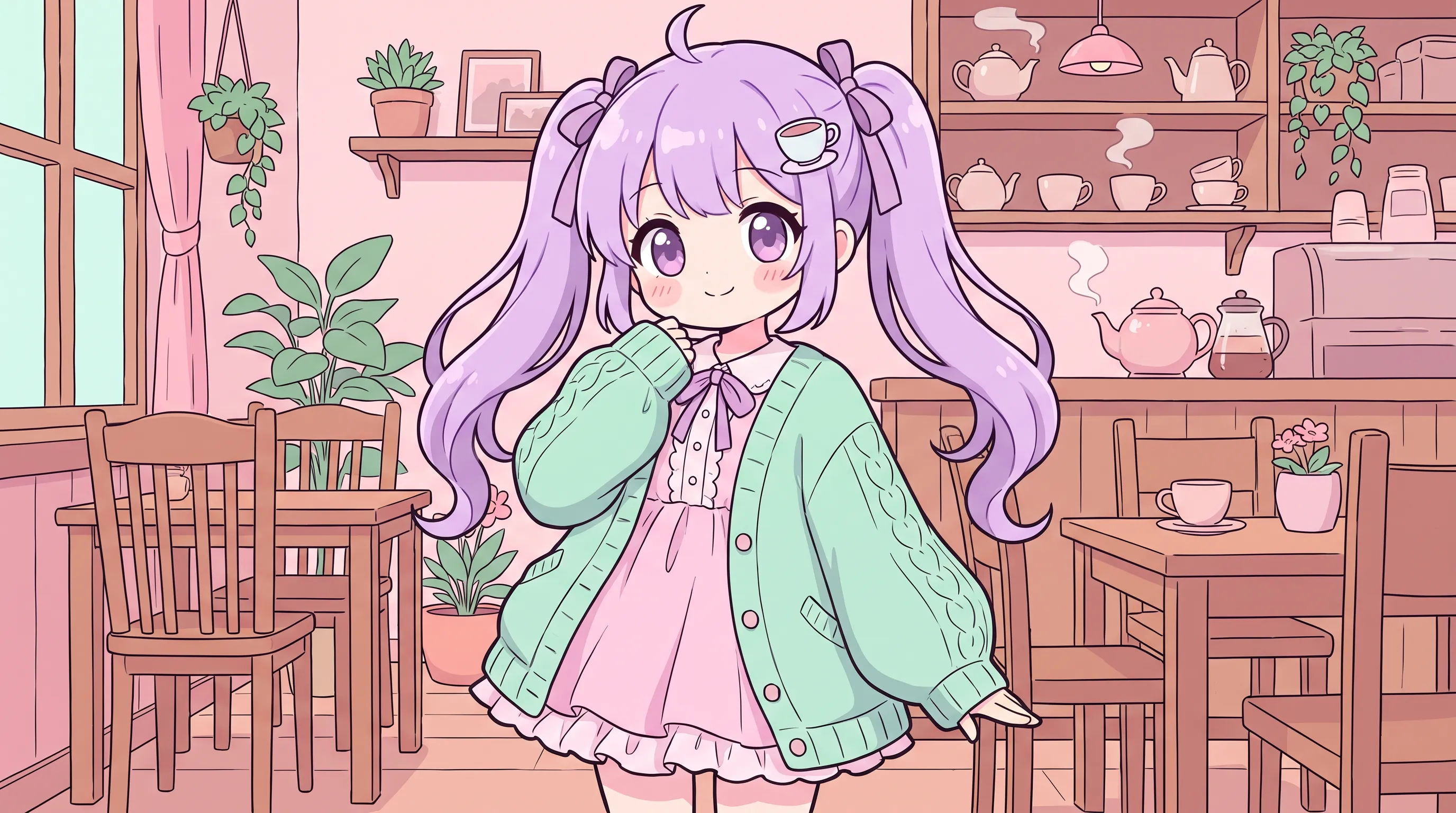
Huge glossy eyes, a mouth no bigger than a short curved line, and hair in colors nobody is born with are the quickest giveaways of the moe art style. The word began as fan slang, popular among users of Japanese bulletin board systems in 1993 and 1994 for intense affection toward manga, anime and game characters, and during the 2000s it hardened into a way of drawing them. Faces are round with small chins and wide foreheads, noses shrink to a dot, bodies stay short, and the palette leans pastel. Every image here was made with FLORA's AI image generator.
Moe art style examples made in FLORA
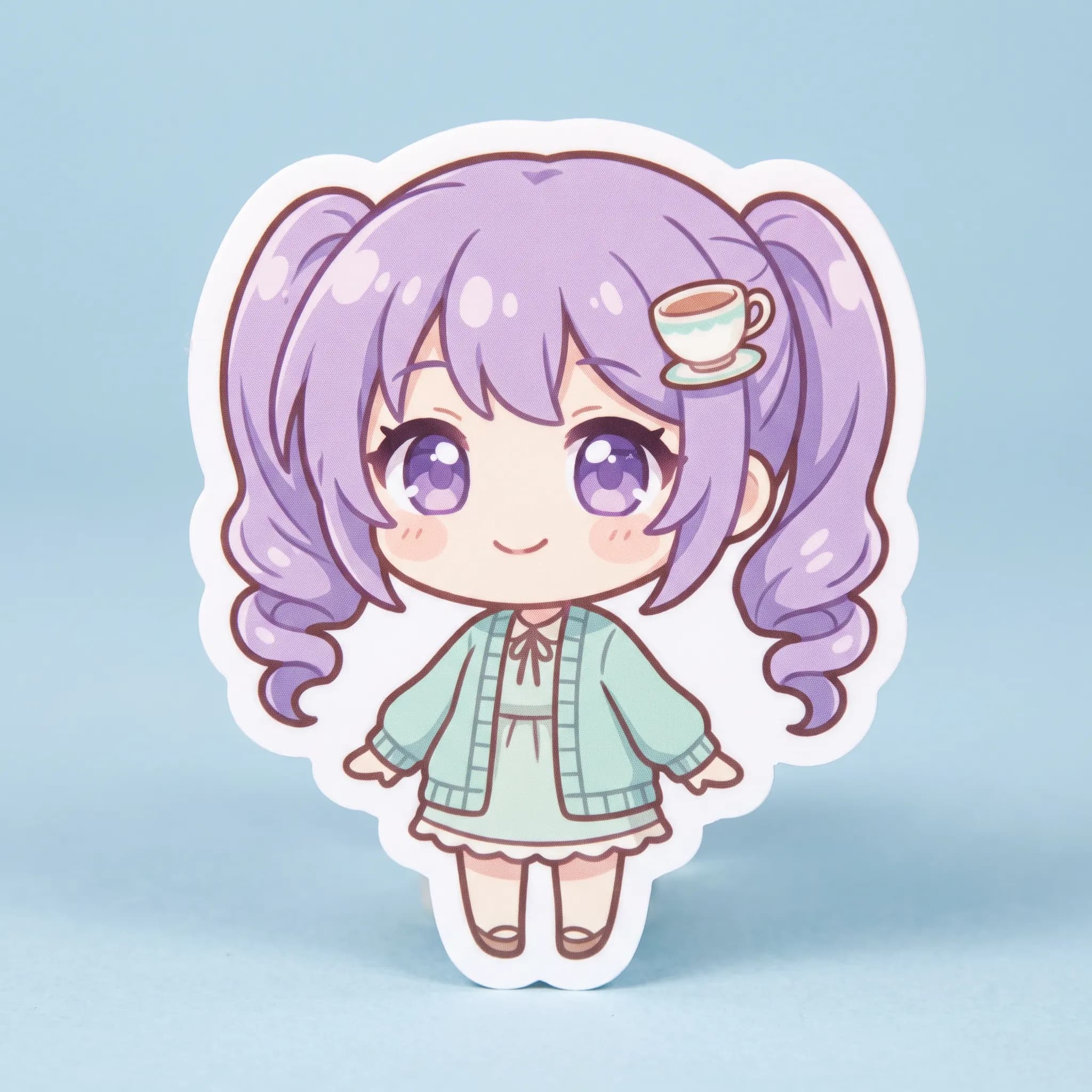
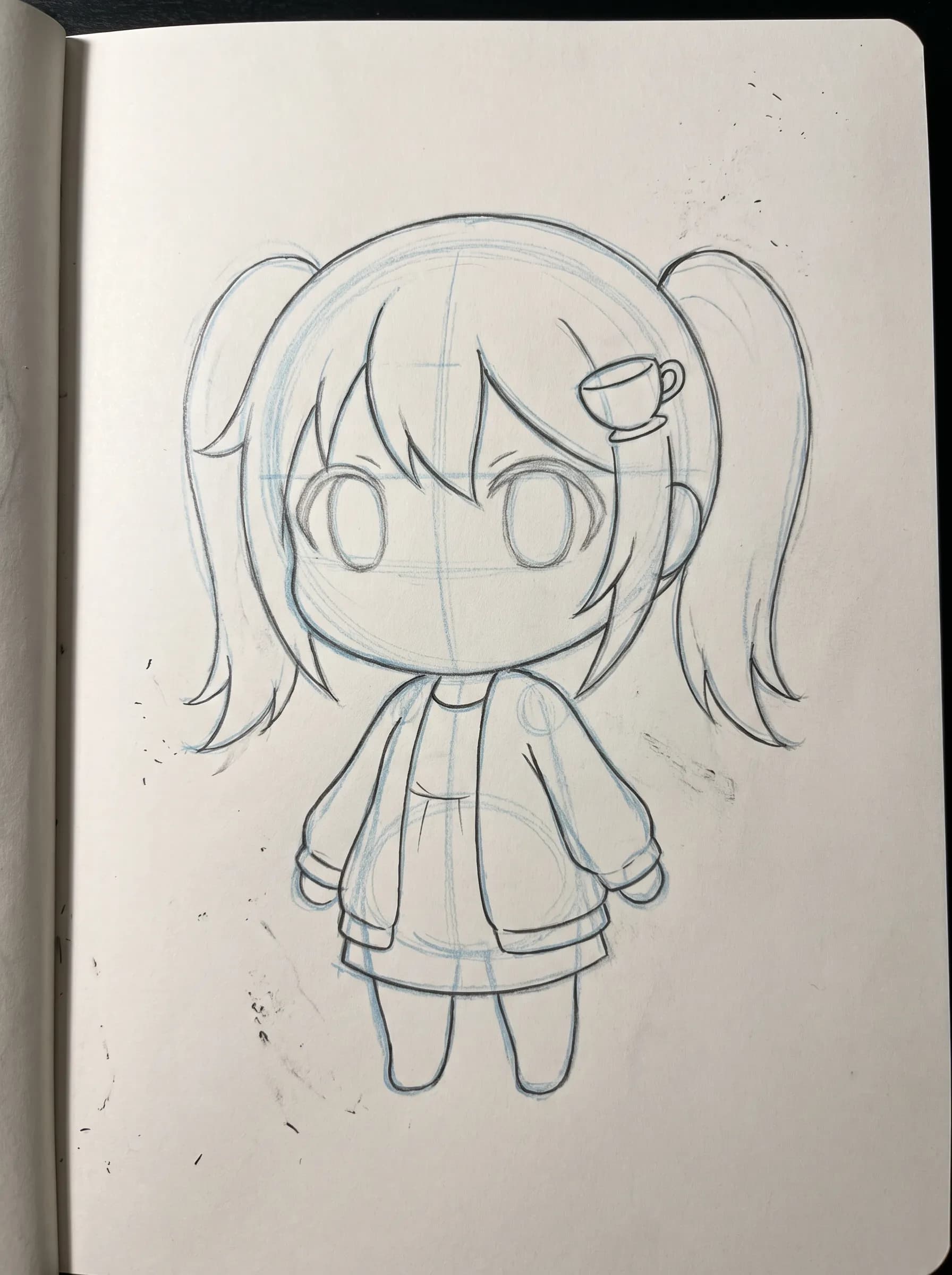
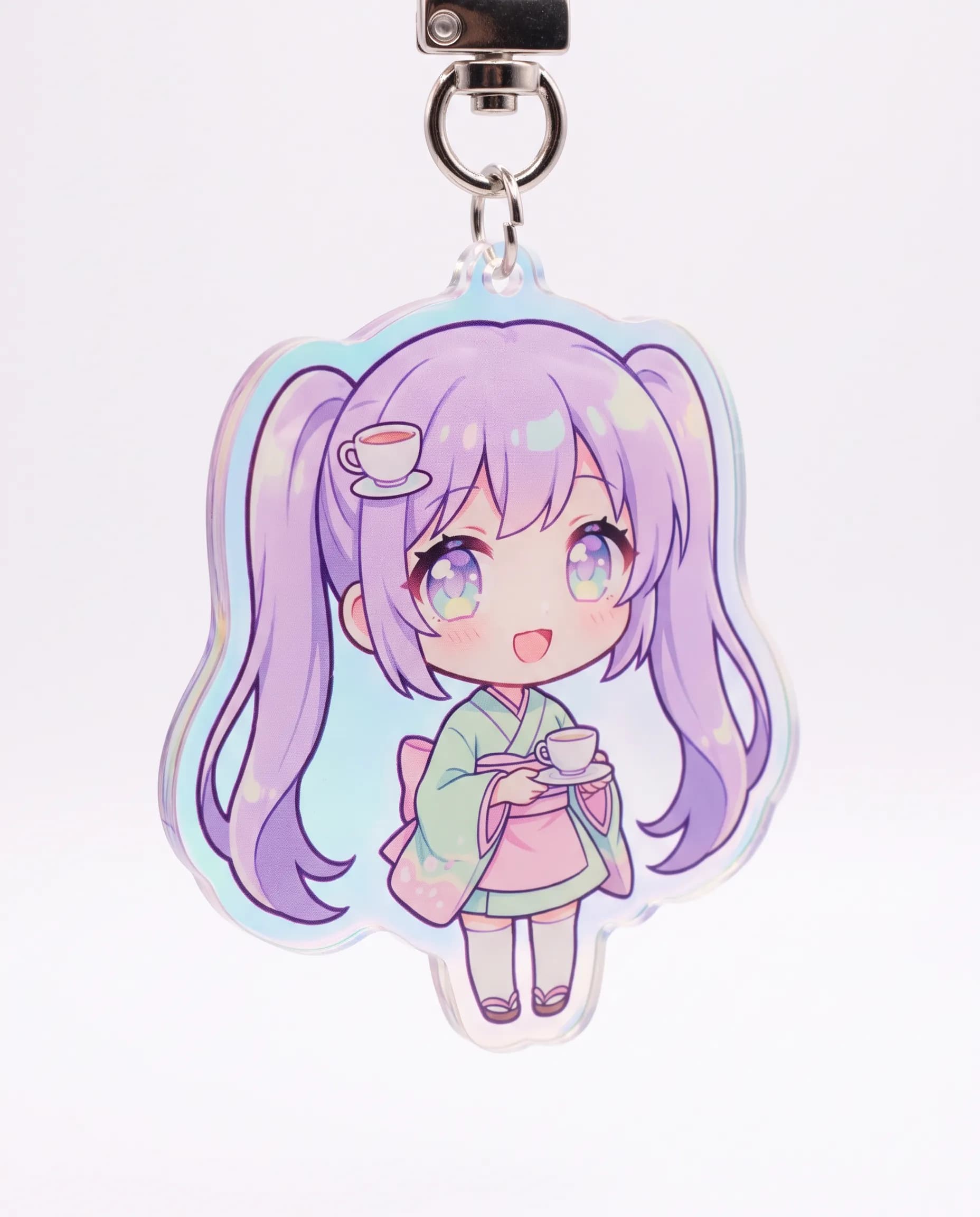
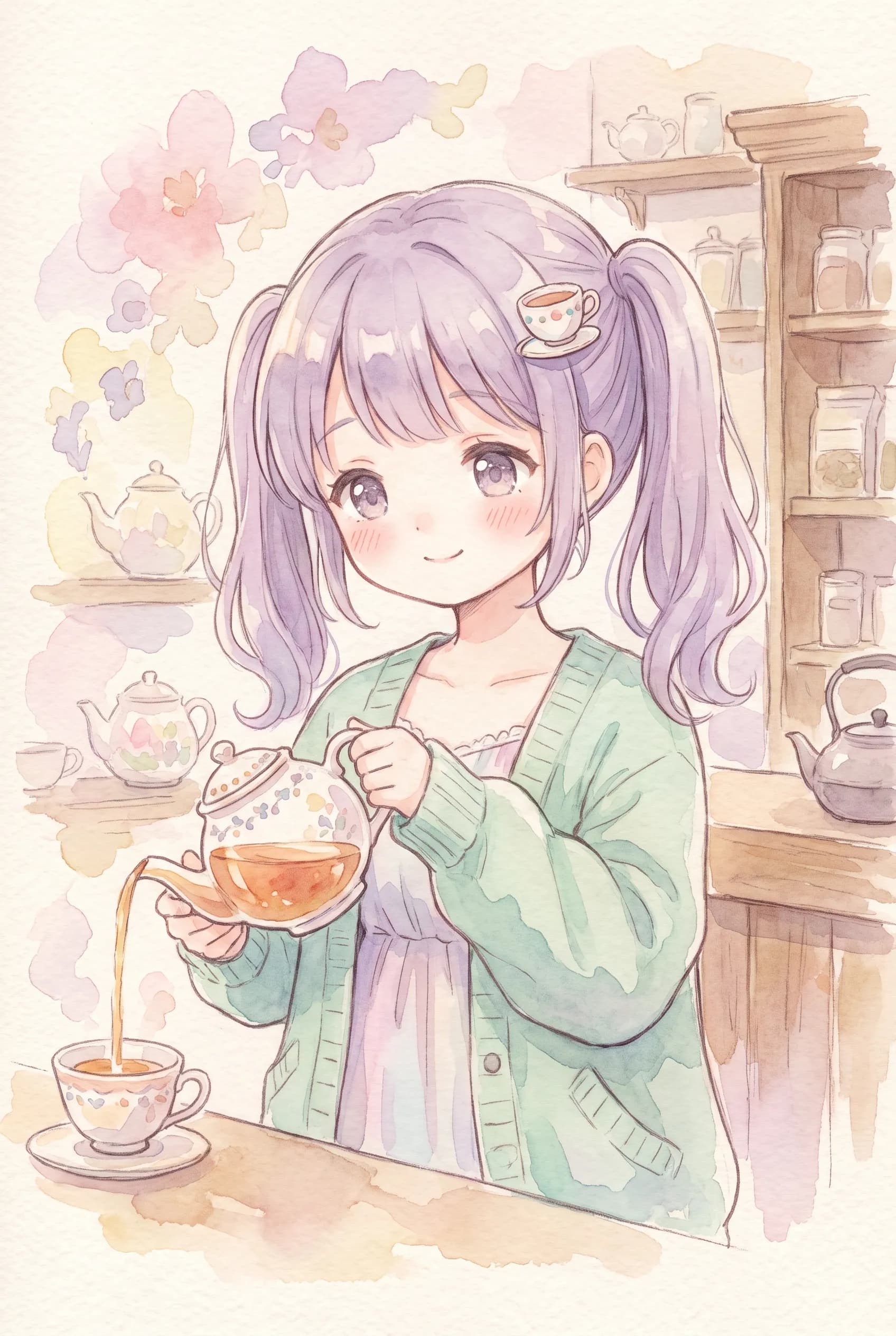
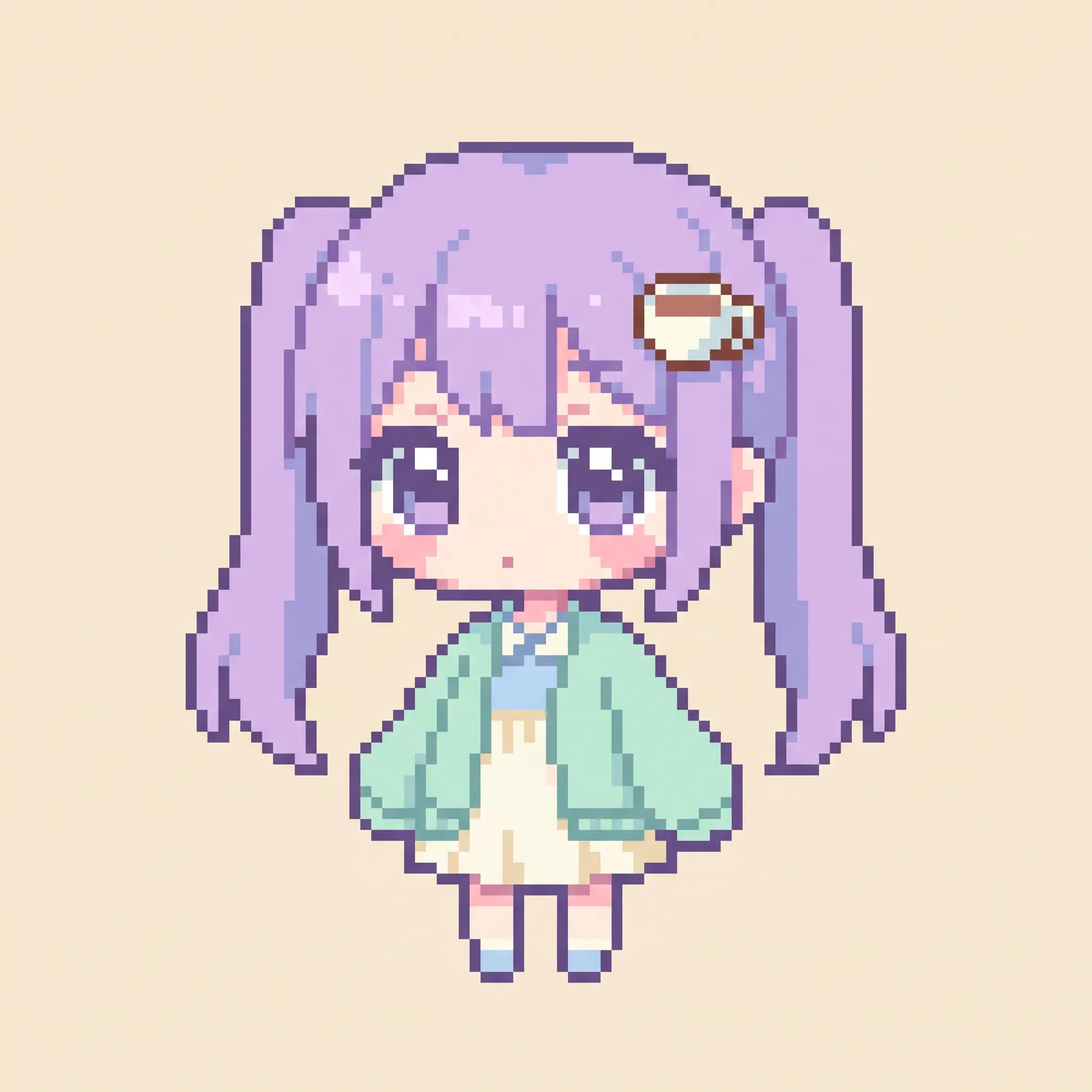
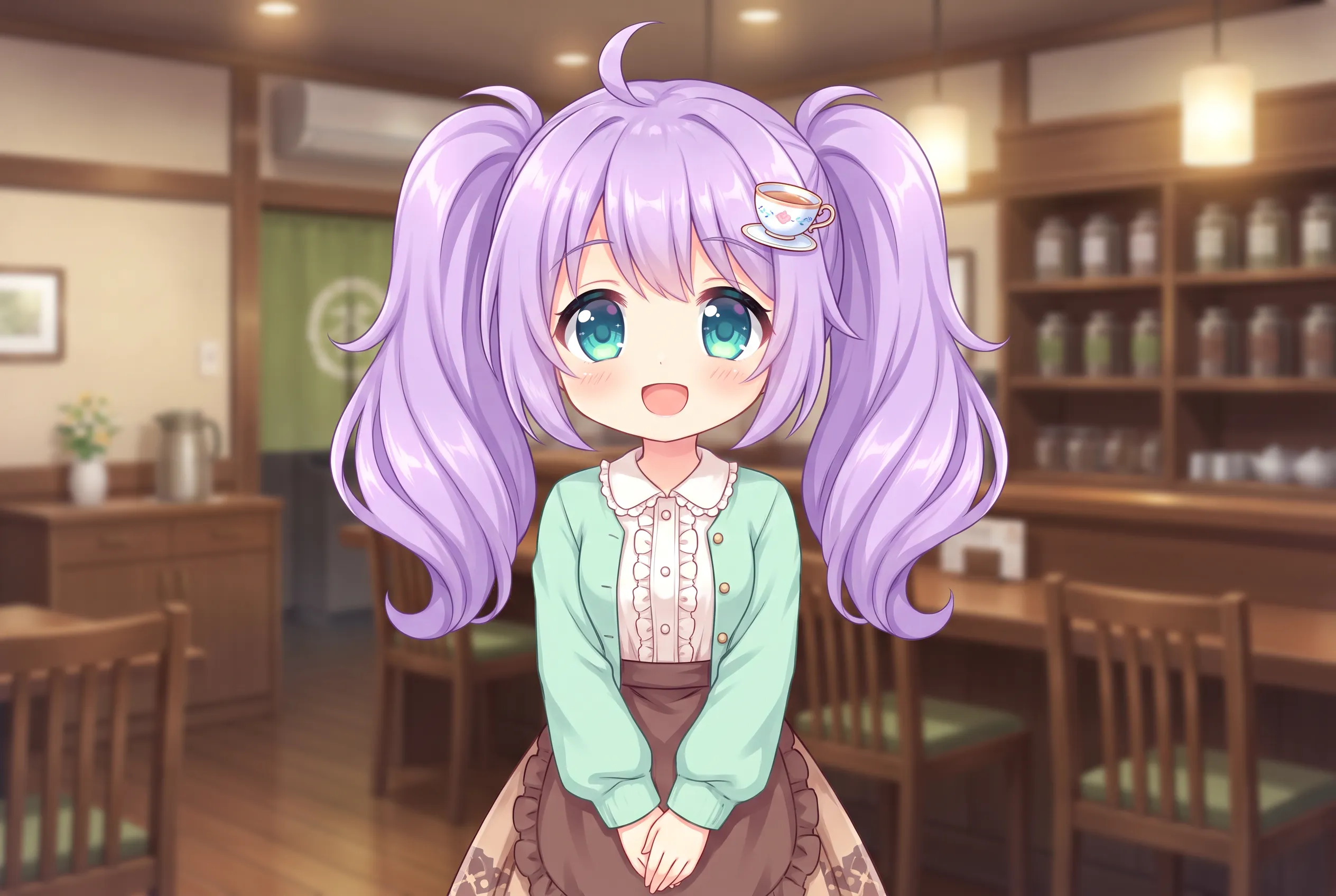
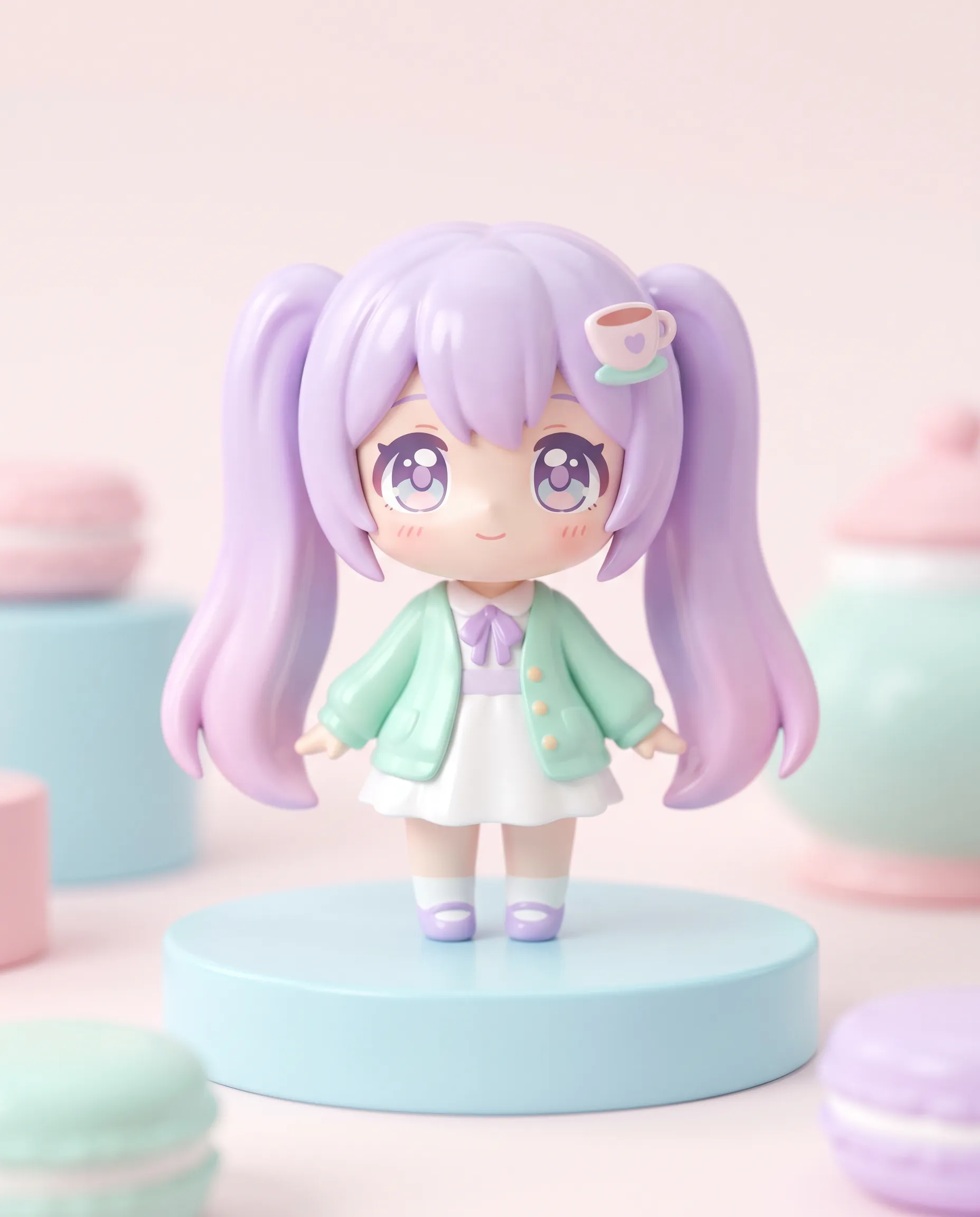
The model for all eight is an original tea-shop mascot with lavender twin tails, a teacup hair clip and a mint cardigan. She belongs to no existing series, so whatever the images share comes from the style. Captions are the exact prompts.
How to prompt for moe art style
Write the face first, since in moe it carries nearly all the expression. Ask for oversized round eyes with a gradient iris and layered highlights, then shrink the rest down to a short curved mouth and a nose that is a dot or nothing. Character and outfit come next. Give proportions a clause of their own, a big head on a short body with narrow shoulders, because a realistic figure drifts toward generic anime. Pastels are the safe palette. For the mid-2000s look, finish with flat cel shading and soft airbrushed gradients under even light. Followed in that order, the notes double as a short moe art style tutorial for drawing by hand.
Copy these prompts
- Key visual. Moe art style key visual of an original tea-shop mascot with lavender twin tails, a teacup hair clip and a mint cardigan, oversized glossy eyes, tiny mouth, pastel pink and mint palette, flat cel shading, cozy tea shop background, no text
- Sticker. Die-cut chibi sticker of an original tea-shop mascot in moe art style, lavender twin tails, teacup hair clip, mint cardigan, huge sparkling eyes, small curved smile, thick white border, flat pastel colors, plain background, no text
- Sketch. Pencil construction sketch of an original tea-shop mascot in moe art style with lavender twin tails, a teacup hair clip and a cardigan, circular head guide, large eye shapes blocked in first, small chin, short limbs, light blue construction lines under clean graphite linework, white paper, no text
Common misfires
Leave out the names of existing characters and series, which pull the output toward someone else's design; anything headed for merchandise should be a character you own. If the eyes come back normal-sized, describe them again in more detail. Era matters too. Early-2000s moe has thicker, wavier lines and rounder bodies, and newer work is thinner and milder, so name a decade when it matters. Shop signs turn into nonsense lettering, which is why each prompt ends with no text.
Where moe art style works
Mascots are the strongest commercial fit. Japan even has a term, moe gijinka, for turning products and animals into moe characters, and its moe media market was worth 88 billion yen as early as 2003. Give the AI design generator a name, tagline and brief built around the character, and it returns a logo, card and packaging to match.
When the character is headed for merch, flat color helps, since a simple silhouette with big eyes still reads at sticker size. The sticker pack generator turns one character description into a die-cut set with six expressions, and Design a Shirt turns a written print brief into artwork, colorways and an on-model shot.
Indie games can start from the pixel version, and the AI pixel art generator extends one hero sprite into a walk cycle and item kit locked to a single palette.
Related styles
- Cute art styles, the broader family that includes chibi and kawaii
- Japanese art styles, ukiyo-e prints through superflat painting
- Cartoon art styles, for character work outside the anime tradition
- Jelly art style, glossy candy color that suits the same soft characters
FAQs
What are some popular moe anime?
Lucky Star (2007) and K-On! (2009) are the usual examples, partly because each turned attachment to its characters into a large merchandise business. The older template is Di Gi Charat, a heroine who first appeared in 1998 as the mascot of the Akihabara store Gamers and stacked cat ears, a bell collar and paw accessories into one design.
What kind of art style is anime?
Anime has many looks, and moe is the branch built around cuteness. It grew out of the bishōjo, or beautiful girl, designs of 1980s and 1990s anime, trading their elegance for vulnerability, and over time became a common style for female characters in anime and manga.
Is moe a boy or girl?
Neither. Moe names the affection a character stirs up in a fan, a reaction more than a type of person. It comes from the verb moeru, to bud or sprout, which sounds like a verb meaning to burn with passion, and the Kōjien dictionary added it in 2018.
Can boys be moe?
Male characters get the label all the time. The International Saimoe League, an online popularity contest that started in 2008 with female characters only, added a male exhibition tournament in 2011, and 2channel's Saimoe Tournament spun off SaiGAR, a vote for the manliest men of anime.



