3D Art Styles, Tested on One Hot Air Balloon
 FLORA
FLORA
3D art styles are the looks a picture can take once its subject is built as a three-dimensional model. Some read as chunky cube worlds, and others pass for photographs. They grew out of computer graphics and spread through games and animated films. Polygon count sets how smooth a shape can get. Shading decides whether light falls off gradually or in hard bands, materials decide how metal, paint and clay answer that light, and an outline either rings each form or stays off.
3D art styles examples made in FLORA
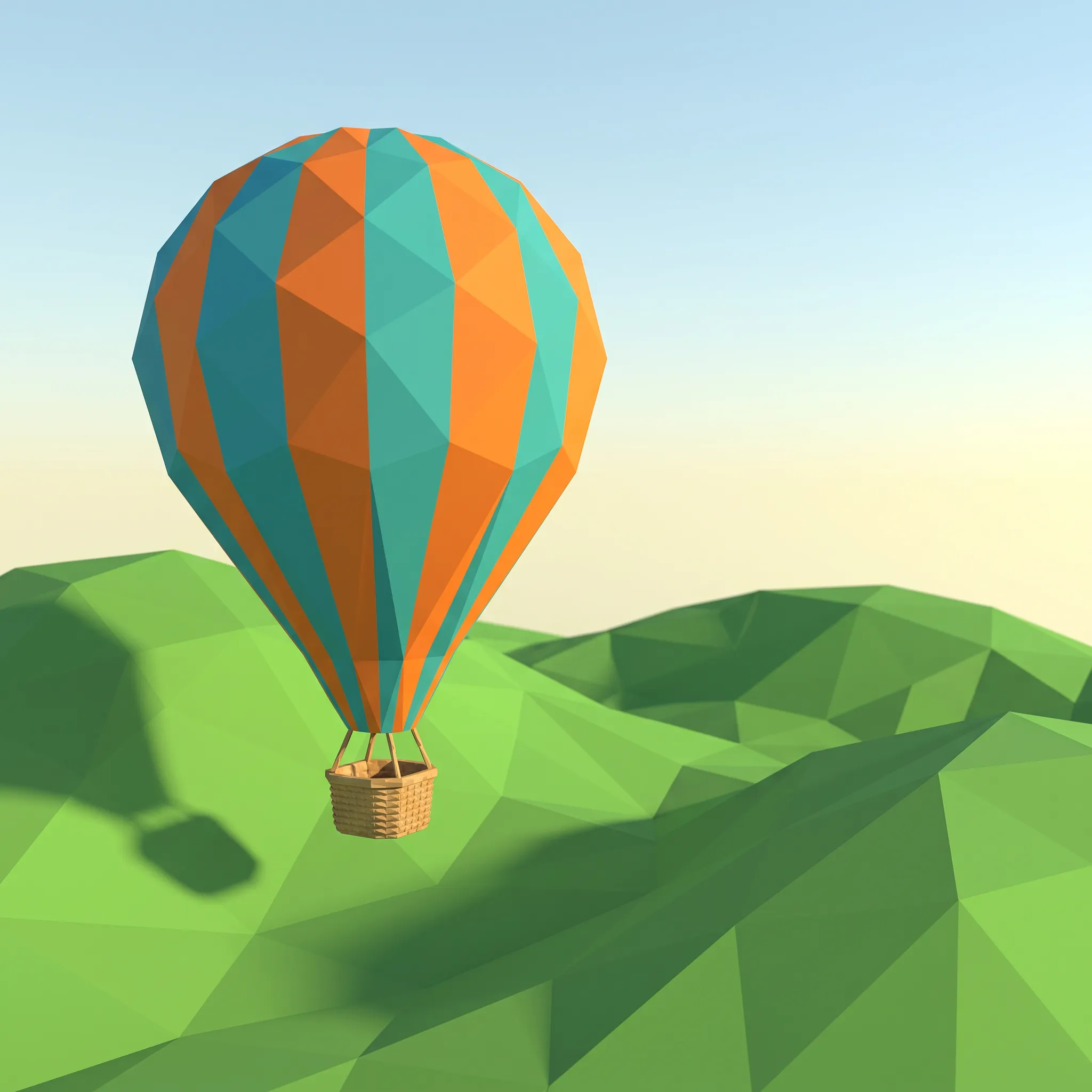
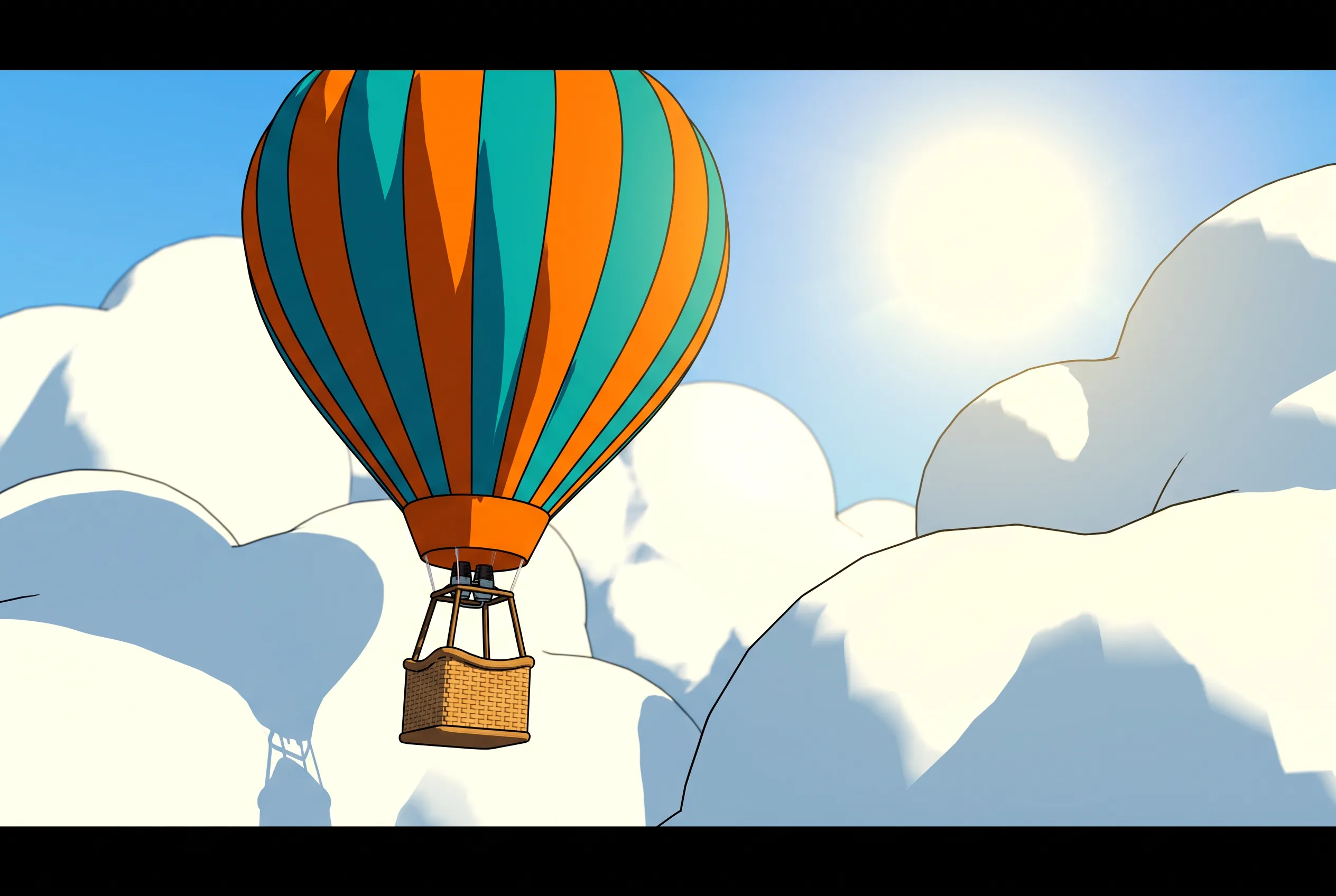
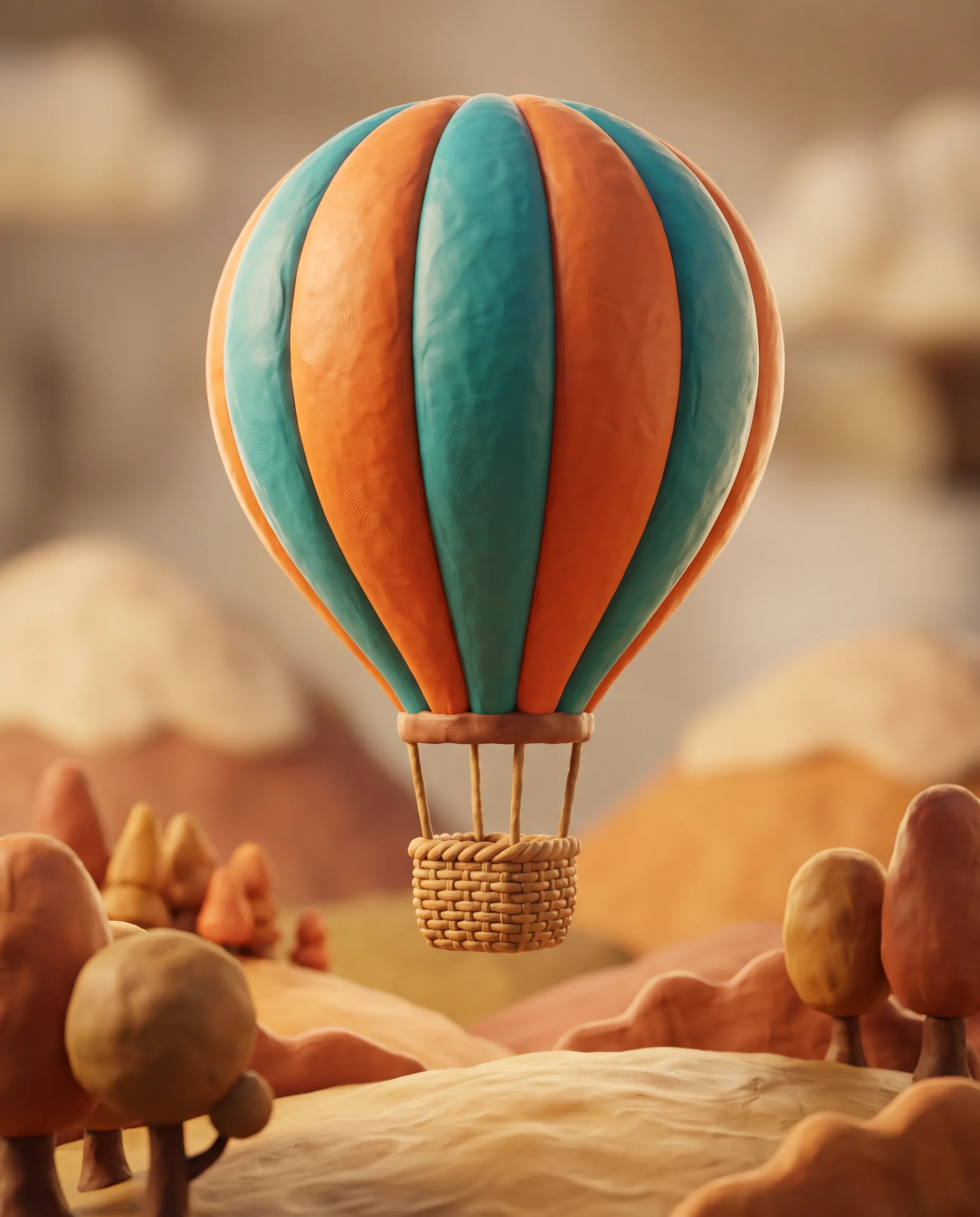
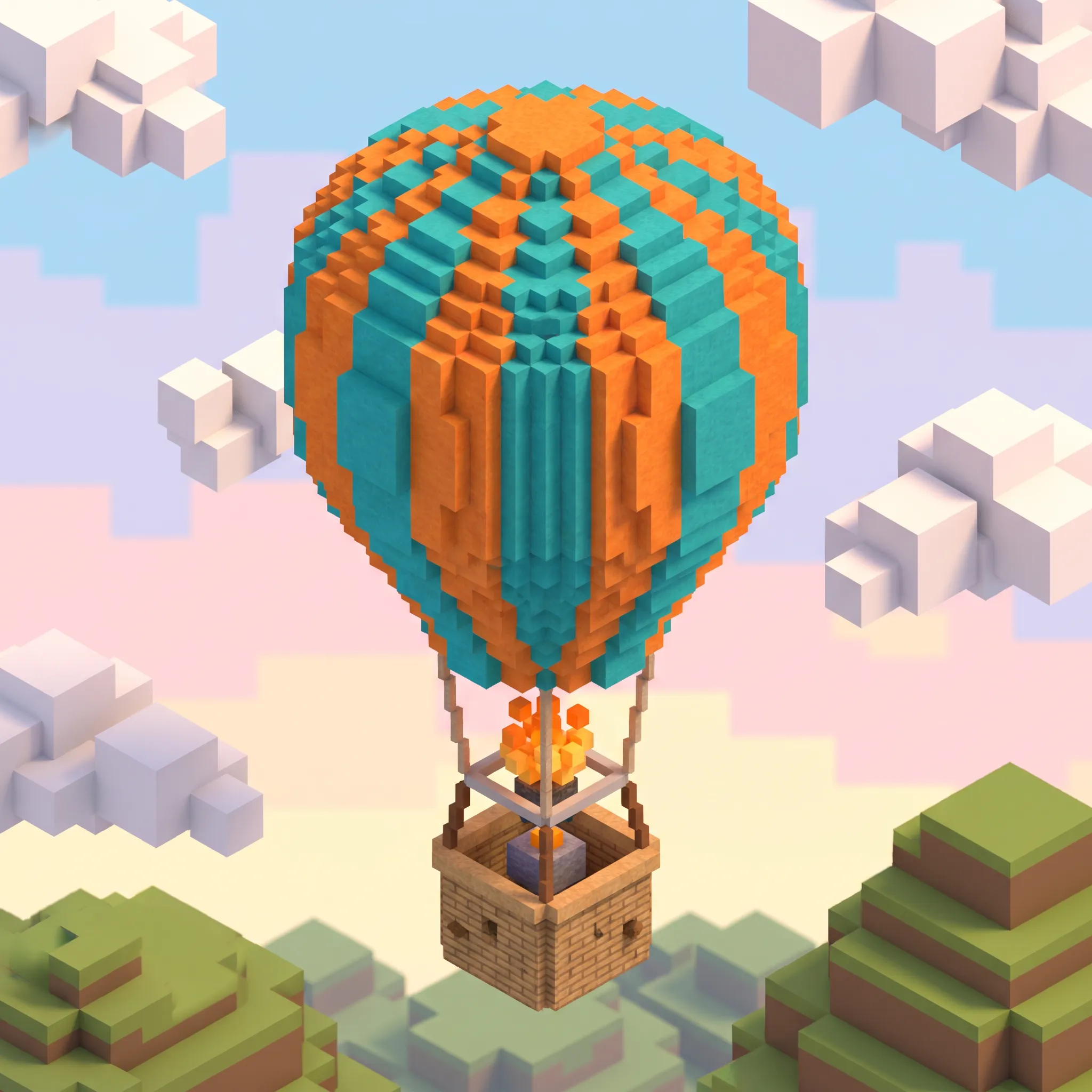
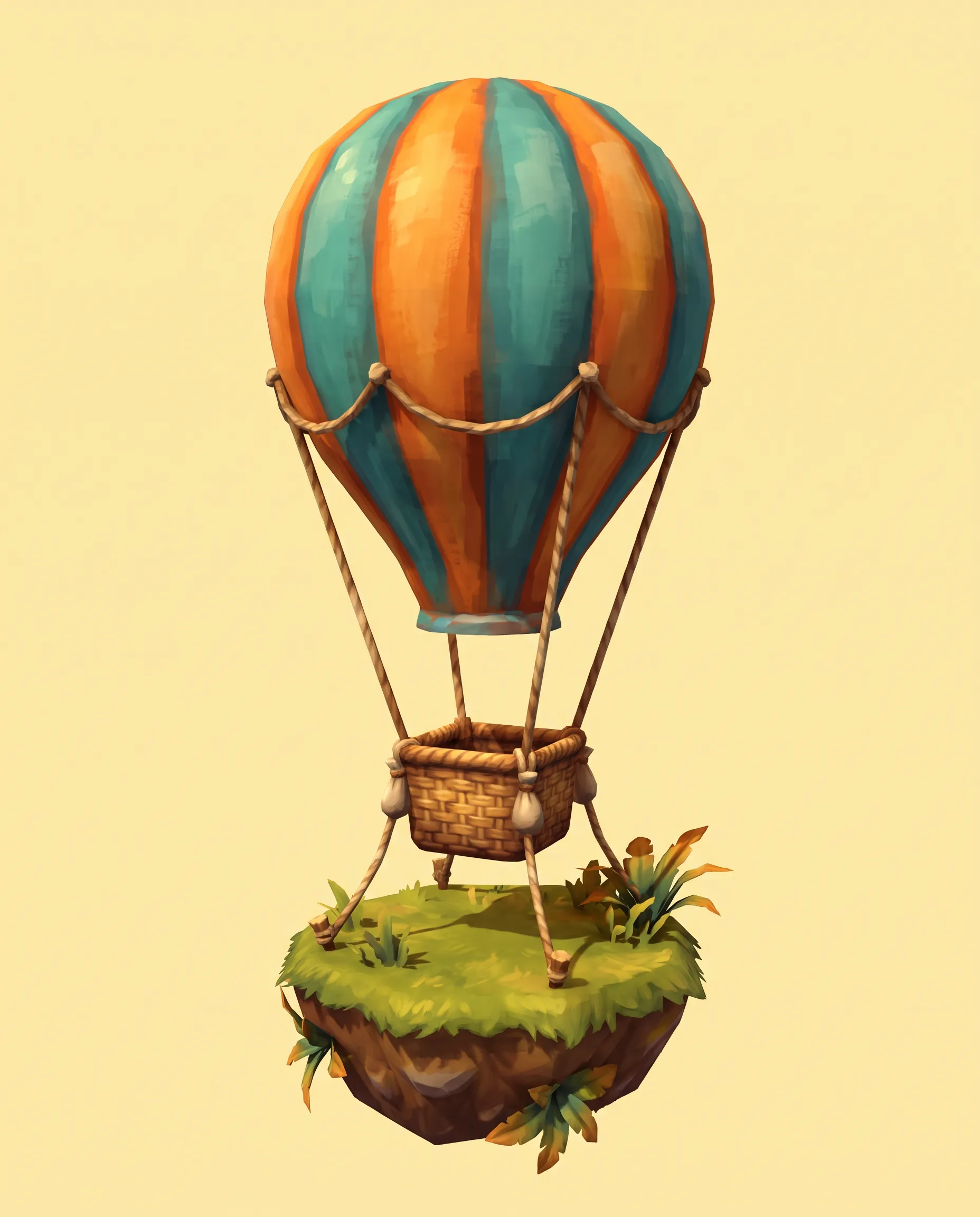
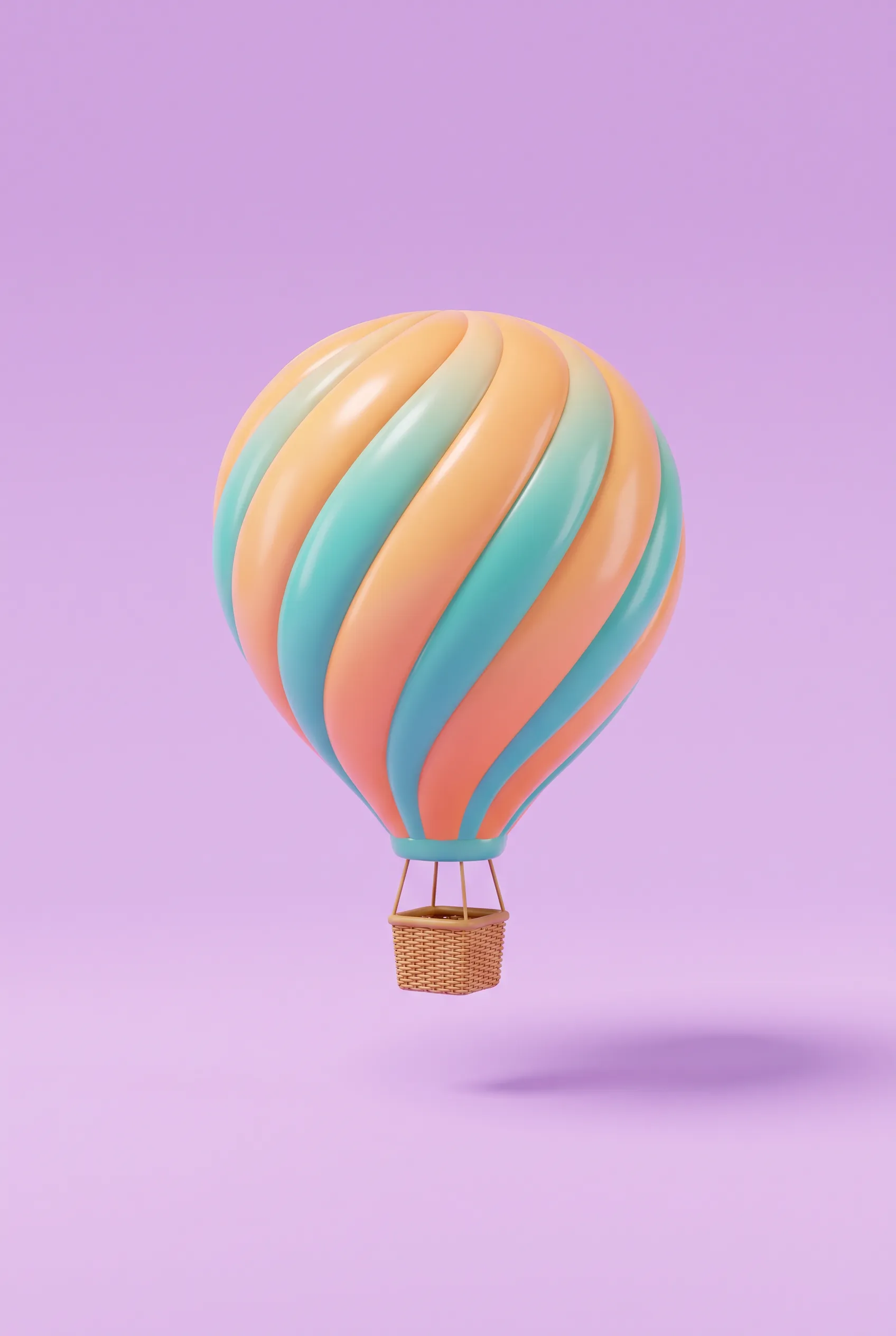
The test subject is a hot air balloon with orange and teal stripes, a wicker basket and a brass burner. FLORA's AI image generator made all eight pictures, and the prompt sits under each one.

How to prompt for 3D art styles
Name one 3D art style per prompt and put it at the front. Then describe the subject at the density that look uses, chunky facets for low poly, small cubes for voxel and smooth surfaces for toon or clay. Shading follows. Toon renders need a two-tone ramp and an outline, clay wants one matte color with soft edges, and photoreal asks for real materials with scratches and reflections. Close with light and camera, say soft studio light on a plain backdrop, or a low angle and a long lens for drama.
Two of the labels need decoding. Voxel joins volume and element the way pixel joins picture and element, and Minecraft (2011) built an entire world from them. PBR stands for physically based rendering, and its stylized form keeps those believable materials, so paint and steel catch light the way they should, while shapes and colors lean toward a cartoon.
Three looks to start from
- Toon shaded. Cel-shaded 3D render of a hot air balloon with orange and teal stripes and a wicker basket rising past puffy clouds, two-tone toon shading with hard shadow edges, thick black outlines, saturated colors, bright afternoon sun, clean cinematic framing, no text
- Voxel. Voxel art hot air balloon built from small cubes, orange and teal striped envelope, wicker basket, a burner puffing cube-shaped flame, blocky hills and floating cube clouds, isometric camera, soft ambient occlusion, pastel sky, no text
- Stylized PBR. Stylized PBR game render of a hot air balloon with orange and teal stripes and a wicker basket drifting over green hills at golden hour, exaggerated rounded proportions, patched fabric envelope, woven wicker, brass burner, physically based materials, soft cloud shadows, cinematic wide shot, no text
Where the looks bleed together
Neighboring sub-styles drift into one another. Low poly can pick up smooth bevels until it reads as clay, and voxel cubes sometimes soften into rounded blocks, so repeat flat faces or hard cube edges near the end of the prompt. A toon render may slip soft gradients under its bands, which a two-tone ramp corrects. Photoreal fails the other way, with a plastic sheen that worn materials and a named lens usually cut.
Where 3D art styles work
Game pitches benefit from testing several 3D game art styles on one hero prop before anything gets modeled. Satoru Takizawa, a developer on The Legend of Zelda: The Wind Waker (2002), said its toon look made puzzle objects easier to understand than realism would have, a tradeoff that side-by-side tests surface early. Once a physical maquette exists, photograph it and run Image to 3D Model to get a studio plate, orthographic elevations, a turntable clip and an untextured clay preview for judging form with color stripped away.
Product and campaign visuals can borrow the clay and glossy pastel looks to make hardware feel friendly. When the finish has to match a real sample, such as brushed aluminum or a walnut panel, give Texture Match the product image and a photo of the material, and it transfers that material onto the product as one 16:9 render.
Related styles
- Video game art styles, the full range games ship in, 2D included
- Pixel art styles, the flat grid that voxels extend into depth
- Animated art styles, where CG sits beside hand-drawn and stop motion
- Semi realistic art style, the middle ground between toon and photoreal
FAQs
What would be considered 3D art?
Anything built in width, height and depth, so it can be seen from more than one side. Sculpture counts, and so do 3D-printed objects and digital models. On screen, the test is whether the object exists as a model a camera can circle, so a painting made to look deep is still 2D work.
What are some common 3D animation styles?
Photoreal CG, the soft rounded look of family features, toon shading and clay-like stop-motion imitations are all common. Toon shading has reached feature films as well, with Spider-Man: Into the Spider-Verse (2018) and Puss in Boots: The Last Wish (2022) among the films that use it. Paperman, a 2012 short, paired computer animation with a black-and-white cel look.
What is the 3D animation style called?
Usually CGI or computer animation, and when the 3D is shaded to look hand-drawn the term is cel shading or toon shading, after the transparent cels that animators once painted characters onto. A popular way to get its outline renders the model's back faces in black, slightly larger than the object, so a dark rim shows at the edges.