
Aztec Art Style in Stone, Paint and Gold
 FLORA
FLORA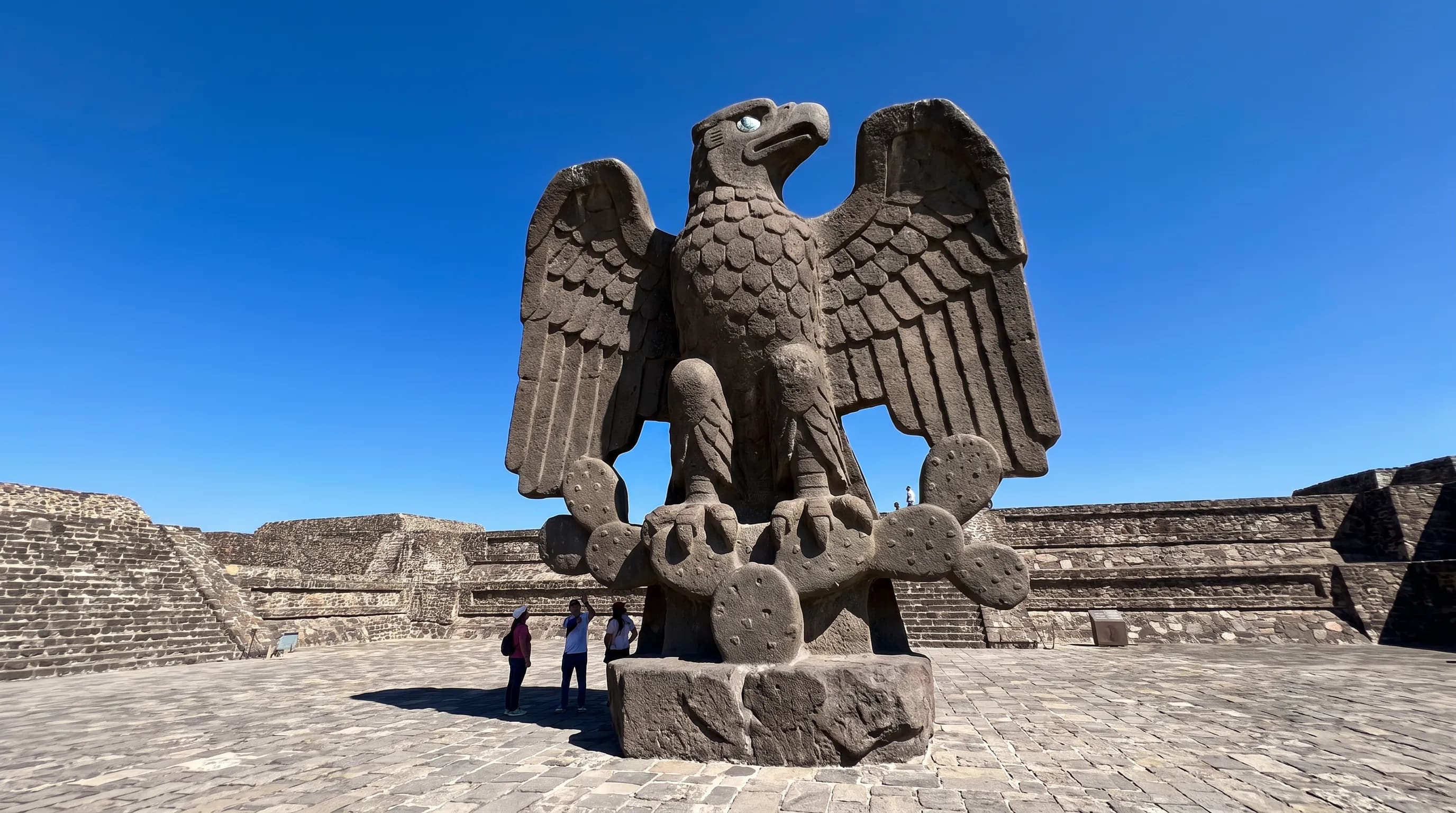
Aztec art style is the visual language of the Mexica, the Nahuatl-speaking people who ruled an empire in what is now central and southern Mexico from their island capital, Tenochtitlan, until Spanish forces took the city in 1521. Their carvers inherited a stone-shaping habit that goes back to the Olmec of the Gulf Coast in the second millennium B.C. Gods and goddesses, the subjects sculptors carved most, usually face the viewer in strict symmetry. Faces stay serious and ageless, often with inlaid eyes, and carefully cut attributes such as a headdress or claws tell one deity from another. In painted books such as the Codex Mendoza, colorful scenes can run in horizontal bands across the page.
Aztec art style examples made in FLORA
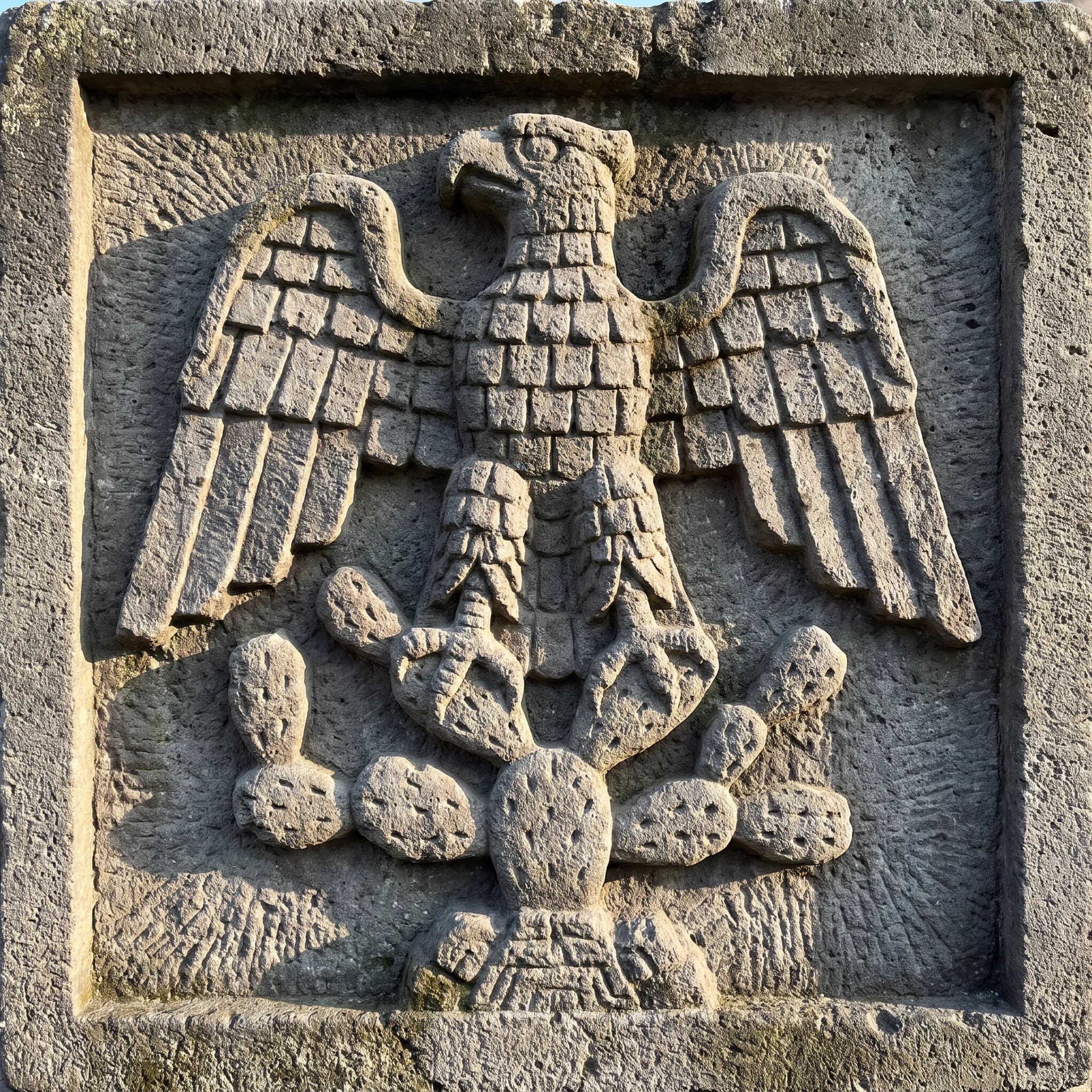
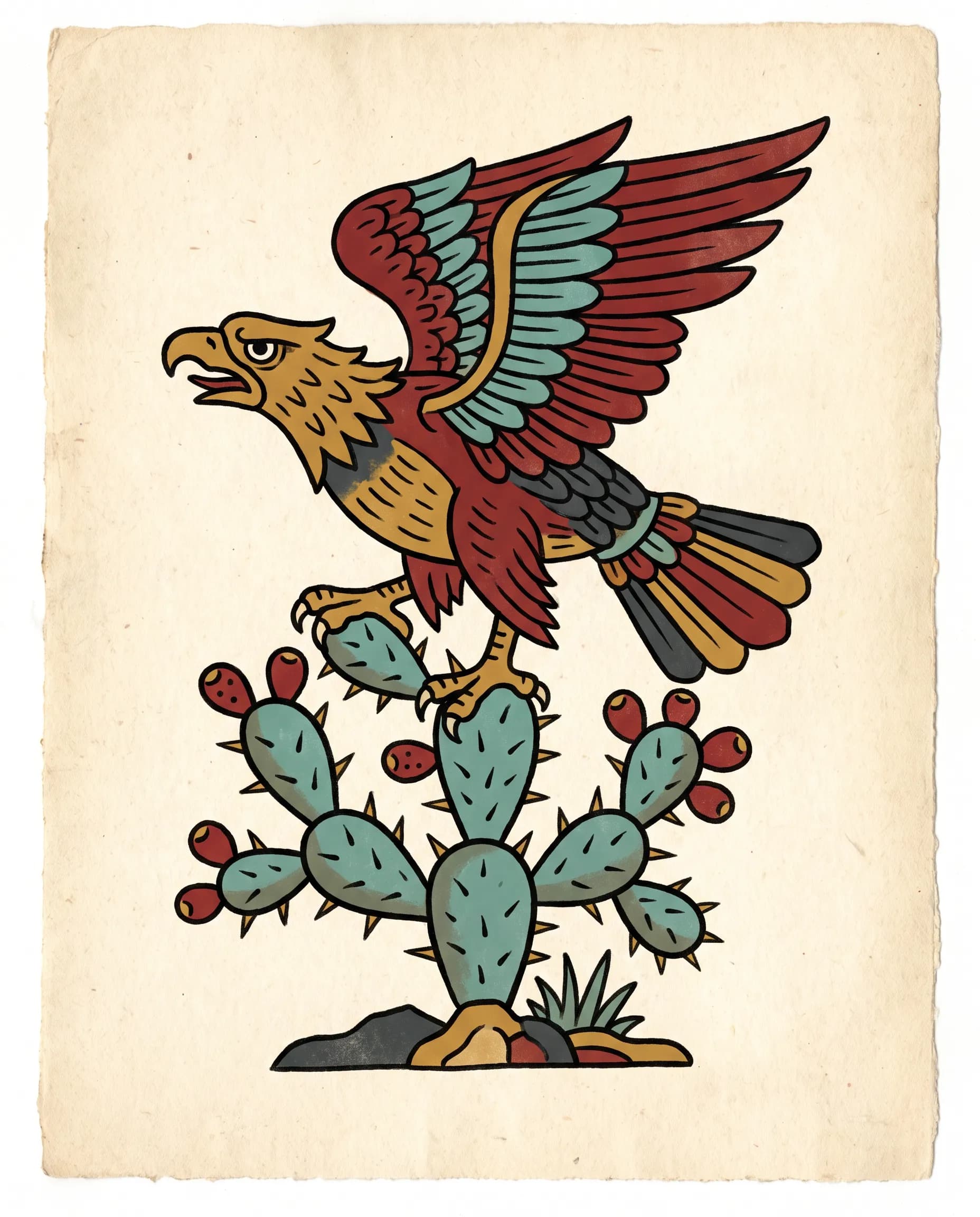
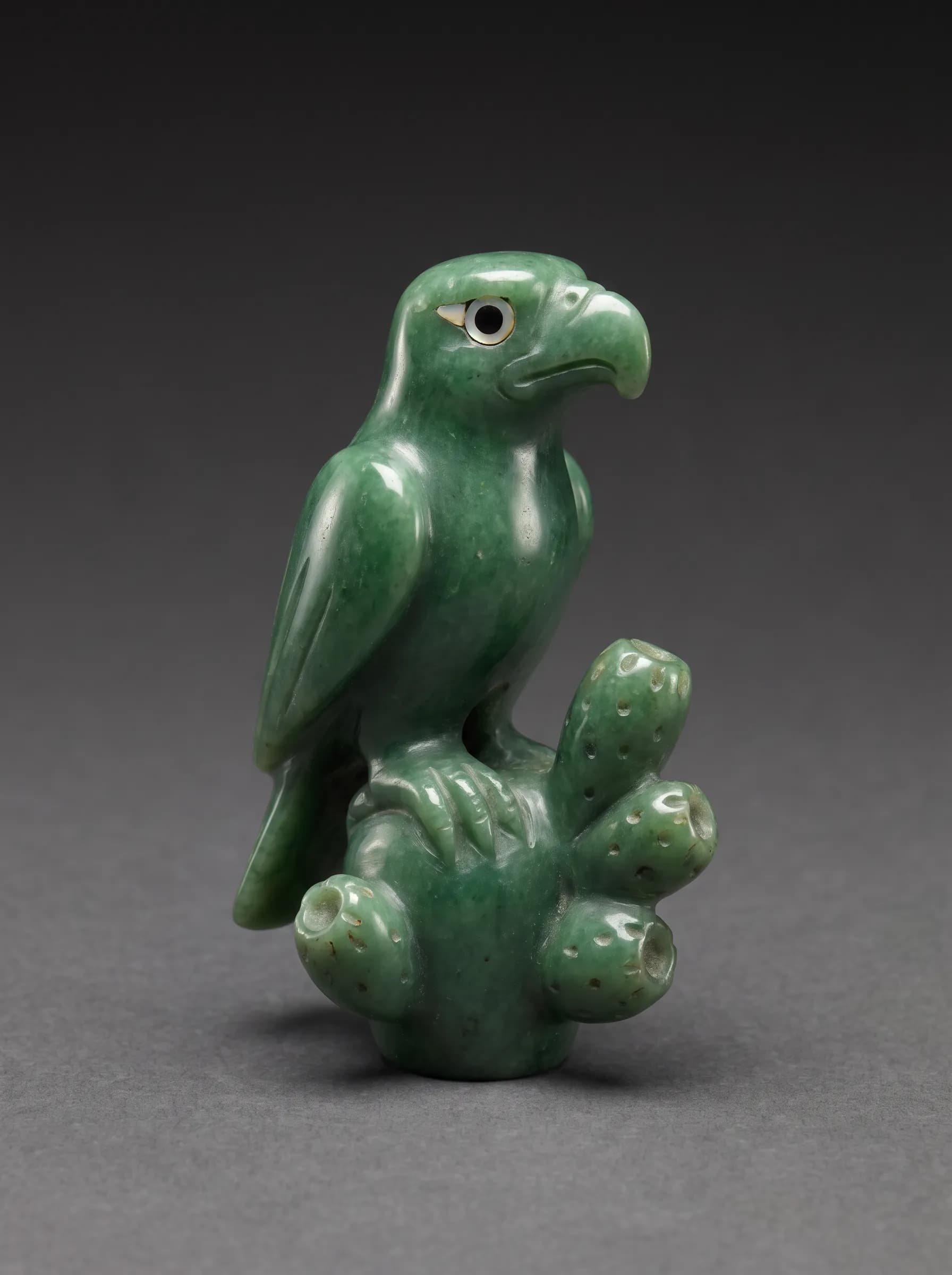
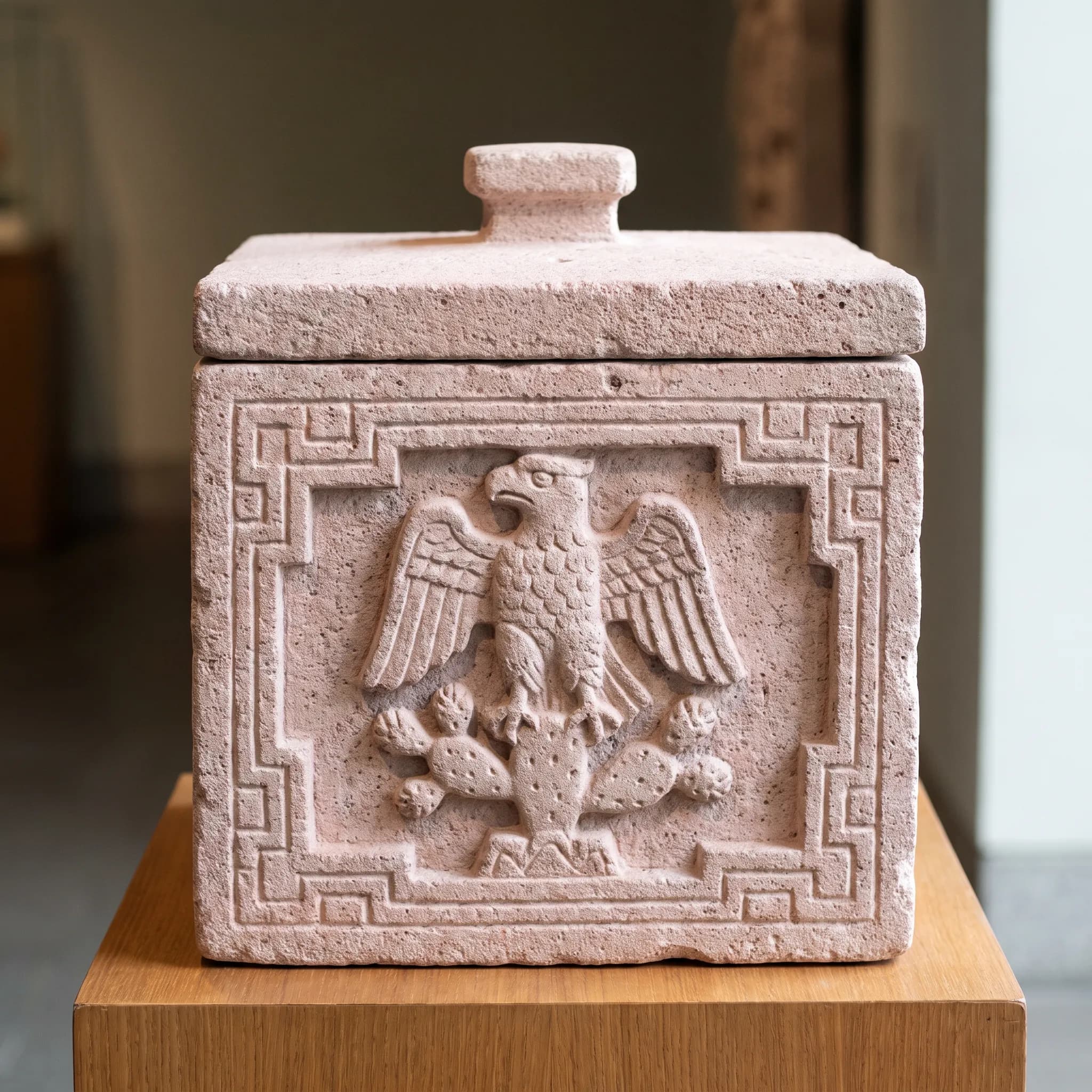
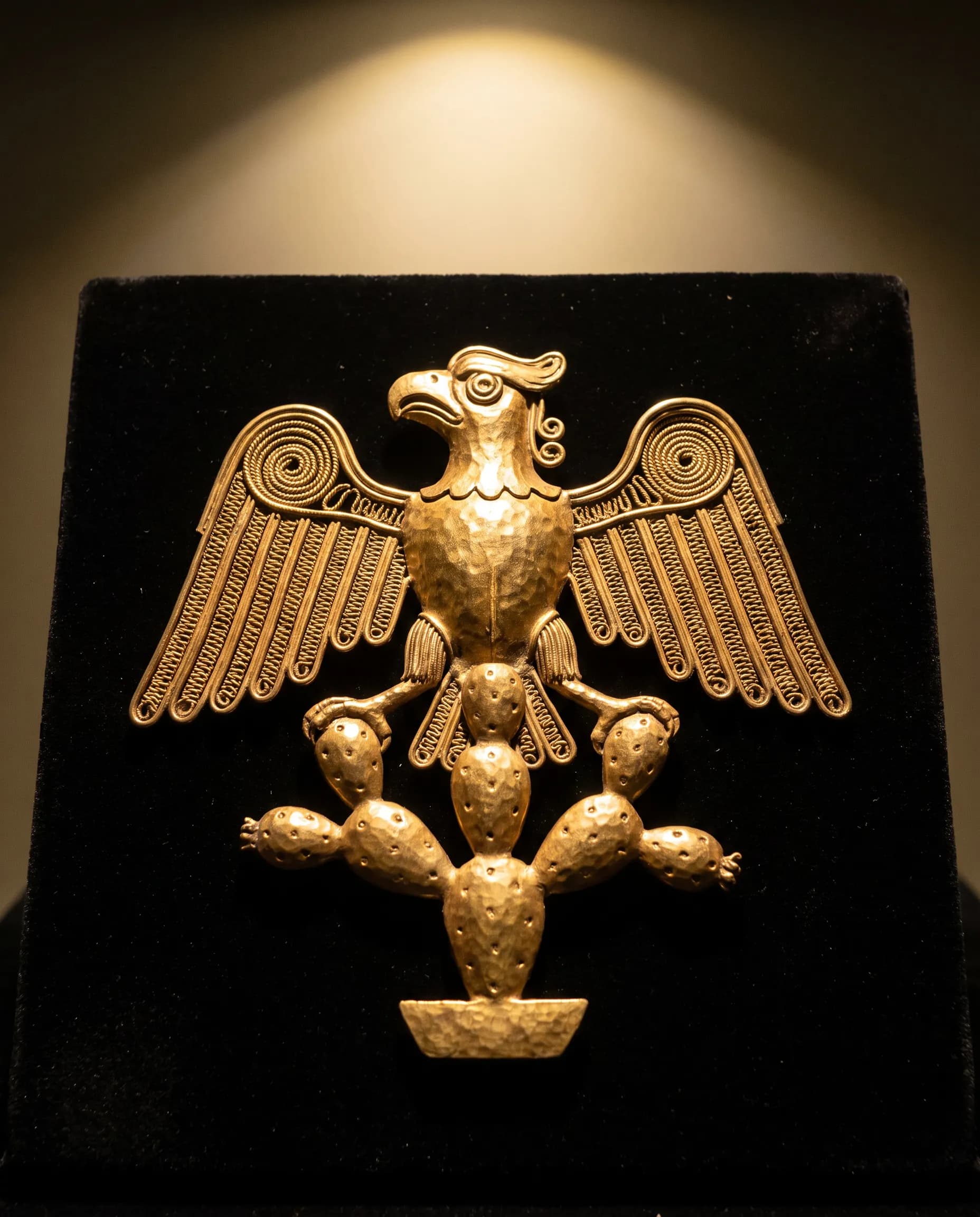
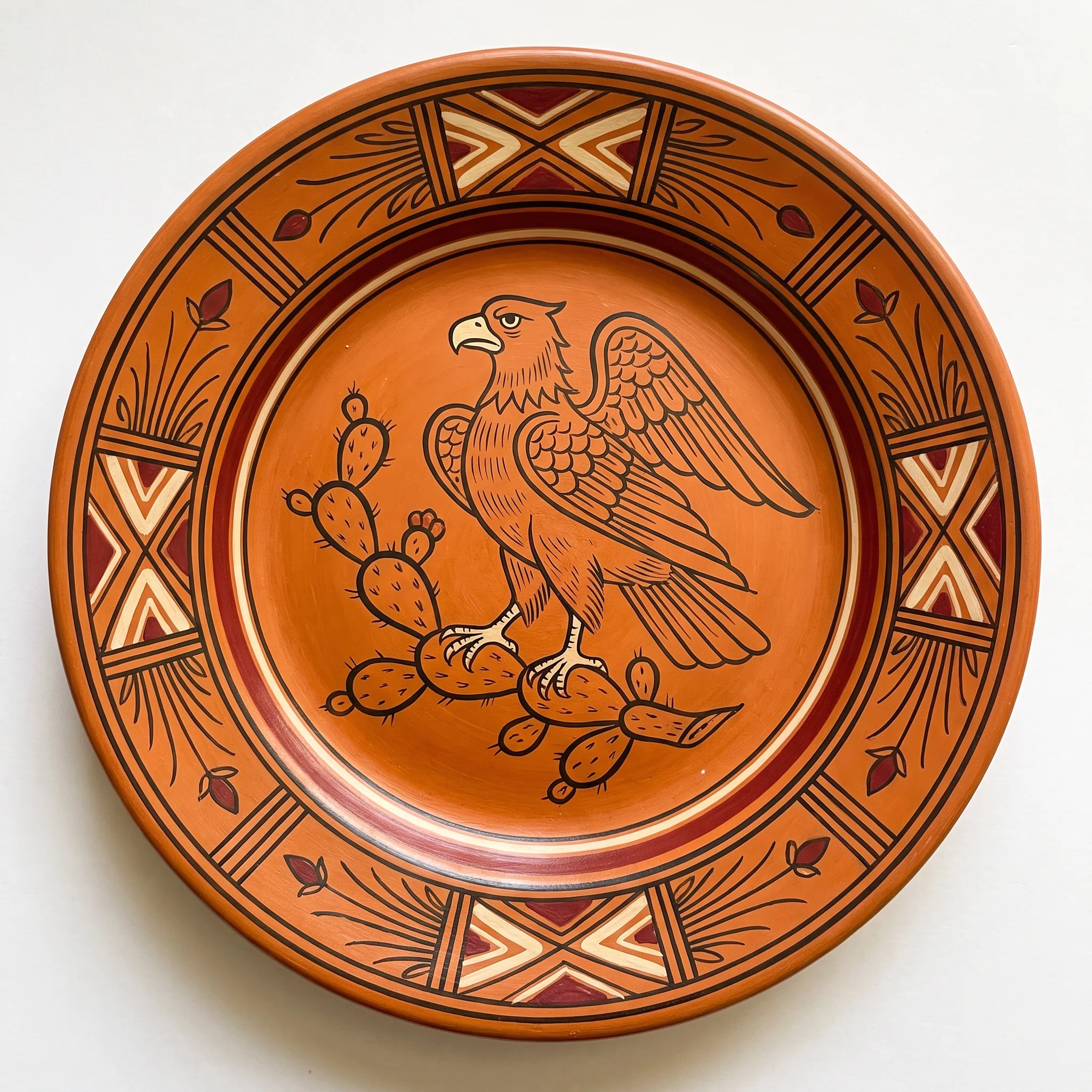
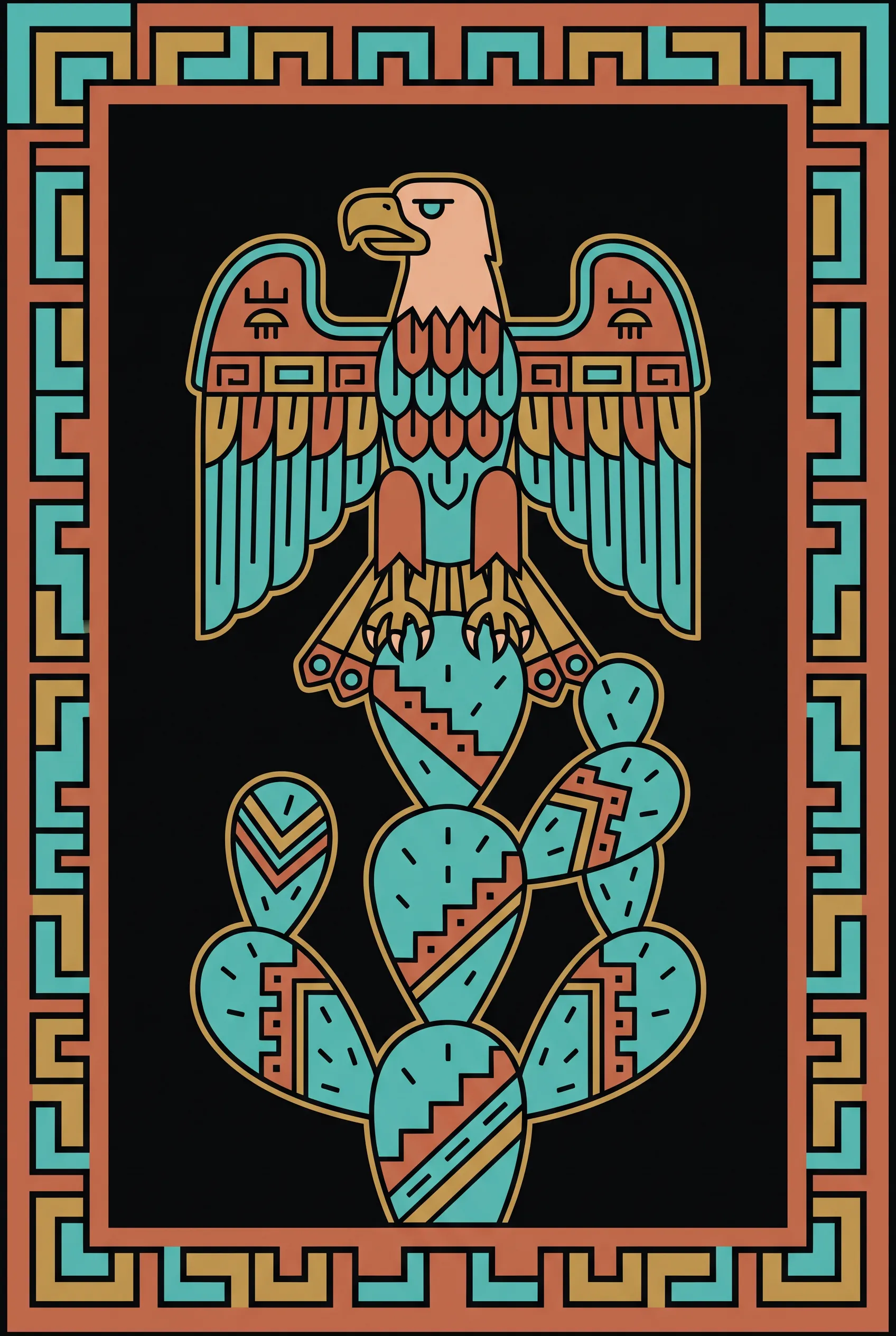
Each image shows an eagle on a nopal. In Aztec tradition the same bird, holding a serpent, showed the migrating Mexica where to found Tenochtitlan in 1325, and Mexico's flag still carries the scene. All eight came from FLORA's AI image generator, captioned with their prompts.
How to prompt for Aztec art style
Mexica artists carved plain volcanic rock and costly stones such as jade, worked clay and gold, and painted books, so the material word in a prompt does most of the work. Naming basalt can be enough to bring in weight and grain. Stone reads best frontal and mirrored left to right, while a painted page can turn the bird side-on and keep it in profile. Spell out feathers and talons, since attributes carry the meaning here. For relief, use low raking light.
A bare request for Aztec style art can return generic zigzag patterns or a blend of Maya and Aztec motifs. Naming the Mexica or one object type, such as a lidded box, tends to pull it back.
Prompts for relief, codex and monument
- Relief. Carved basalt relief panel of an eagle perched on a nopal cactus, Aztec art style, frontal symmetrical composition, feathers cut as stacked geometric blocks, weathered gray volcanic stone with tool marks, low raking side light, plain uncarved border, no text
- Codex. Codex-style painting of an eagle standing on a prickly pear cactus in the Aztec manner, bird in strict side profile, flat red, ochre, turquoise and black inside heavy black outlines, cream paper ground free of glyphs or writing, no text
- Monument. Monumental basalt sculpture of a wide-winged eagle atop a nopal, Aztec art style, carved fully in the round and taller than a person, set in a sunlit stone plaza, inlaid shell eyes, clear blue sky, wide view, no text
Common misfires
Stone often comes back too clean, more resin souvenir than temple piece, so ask for weathering and tool marks; the originals were shaped with stone and hardwood tools, fiber cord, water and sand. Painted pages tend to sprout invented glyphs, so ban them by name. Deity names can drag violent imagery into commercial work. Mexica carvers also made animals and plants, and either is a calmer place to begin.
Where Aztec art style works
Restaurant menus, museum wayfinding and festival programs can all use small pictograms in this manner. Give Icon Maker one generated eagle as the style reference and a short description of the set, and it returns one image of a cohesive icon set, with plants and animals the safest subjects.
Product teams can borrow the carved surface instead, uploading a product photo and a crop of the basalt relief to the AI texture generator, which transfers that stone onto the product as one 16:9 render for candle holders, planters or speaker grilles.
Exhibition posters suit the wide monument frame. Its open sky leaves room for a title added later. If the client is a Mexican brand or museum, have someone who knows the collections review the art before it ships.
Related styles
- Mexican art styles, the wider family from ancient carving to folk art and murals
- Chicano art style, Mexican American posters and murals from the 1960s on
- Chinese art styles, another classical tradition, built on brush and ink
- Art deco style, a much later look that also stacks stepped, symmetrical shapes
FAQs
What was the Aztec art and architecture?
The two came together in Tenochtitlan's Sacred Precinct, where the empire's best sculptors made large carved gods for the temples and open public spaces, and some public monuments stood ten feet tall. Britannica puts the city at more than five square miles and upward of 140,000 people at its height, the most crowded settlement of any Mesoamerican civilization.
What is Aztec writing?
Aztec writing used glyphs. The Coronation Stone of Moctezuma Xocoyotzin, from about 1503 and now in Chicago, uses them to record the history of the Mexica universe, and two signs, 1 Crocodile and 11 Reed, date his coronation to July 15, 1503. After the conquest, Spanish priests introduced a Spanish-based spelling, and a large body of 16th-century Nahuatl literature survives in it.
What is Aztec culture like?
Mexica society was hierarchical. A hereditary nobility sat above the commoners, and the calendar set the pace of daily life and ceremony, with a 365-day solar year and a 260-day sacred year meeting again every 52 years. Raised fields called chinampas grew corn, beans and squash. Nahuatl, their language, became a common tongue across an area almost the size of modern Mexico.



