
Art Deco Style, Explained with Prompts and Examples
 FLORA
FLORA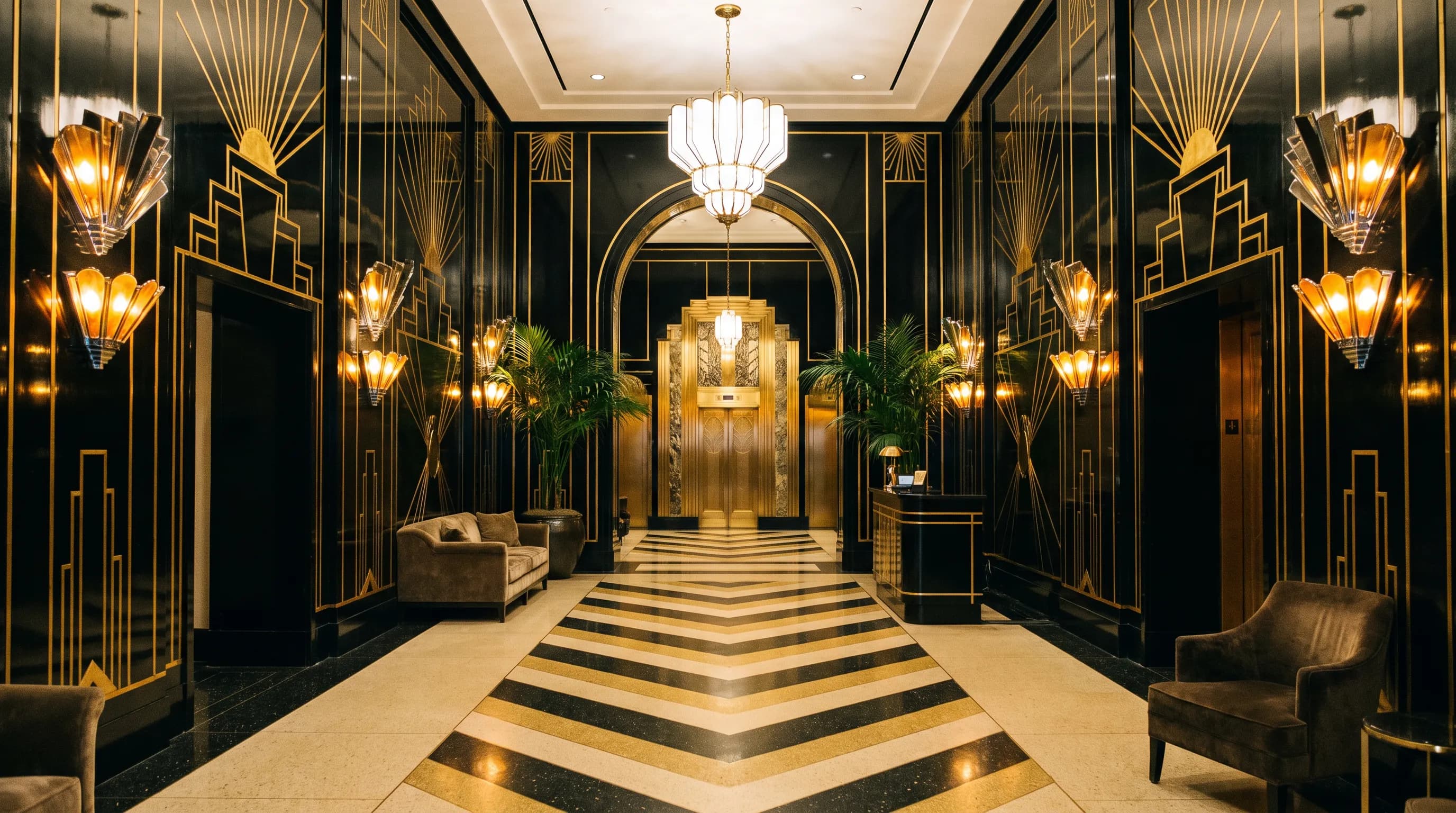
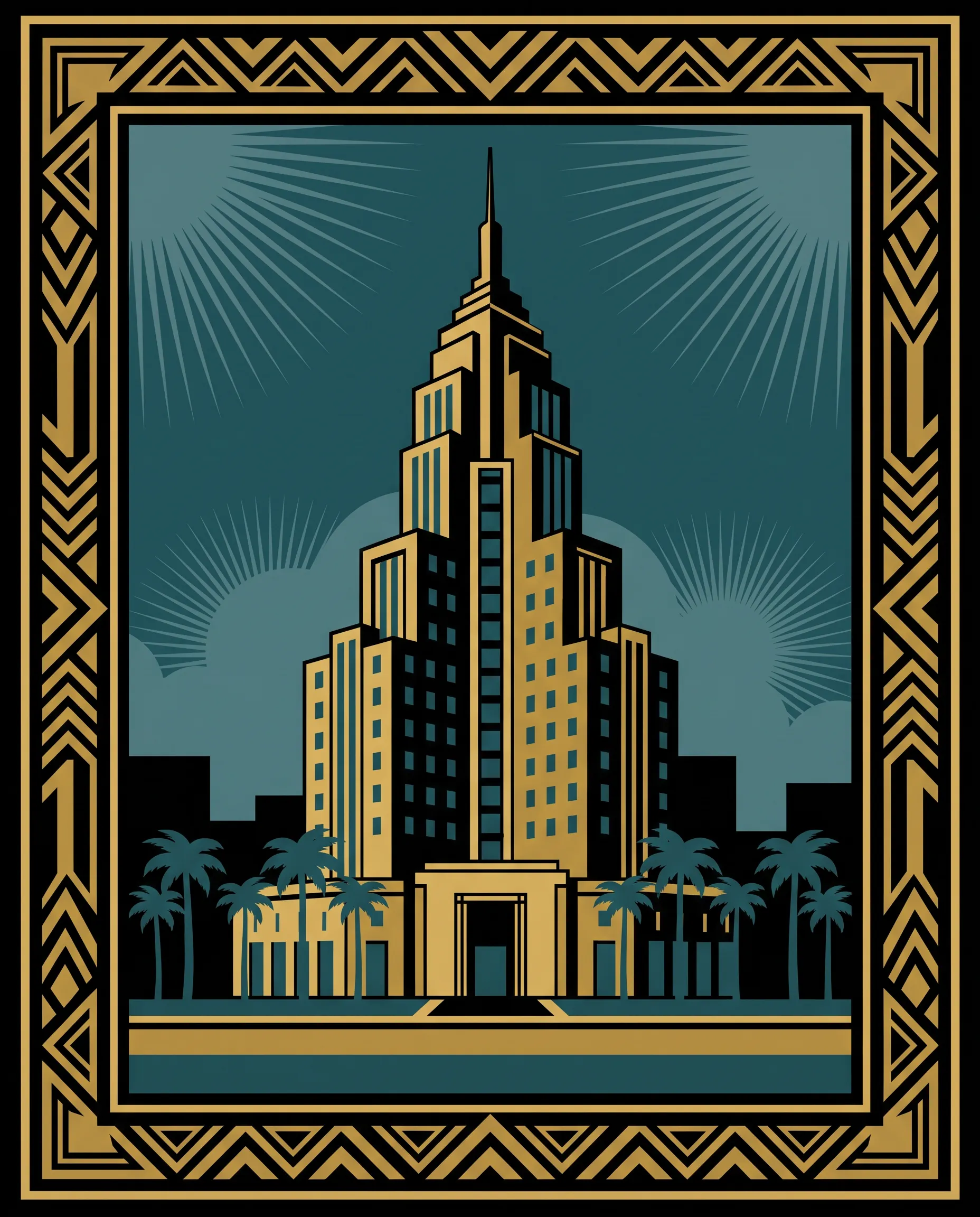
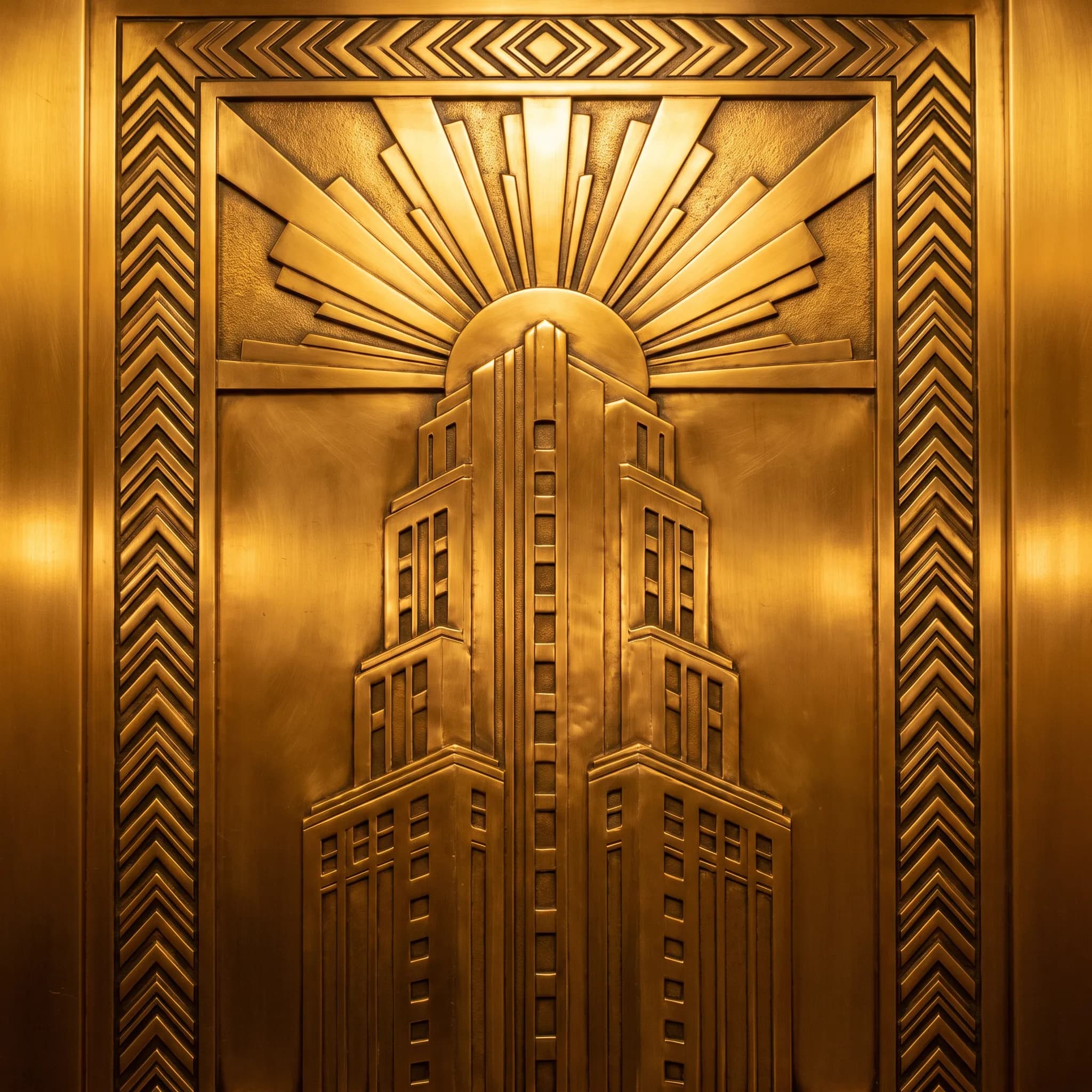
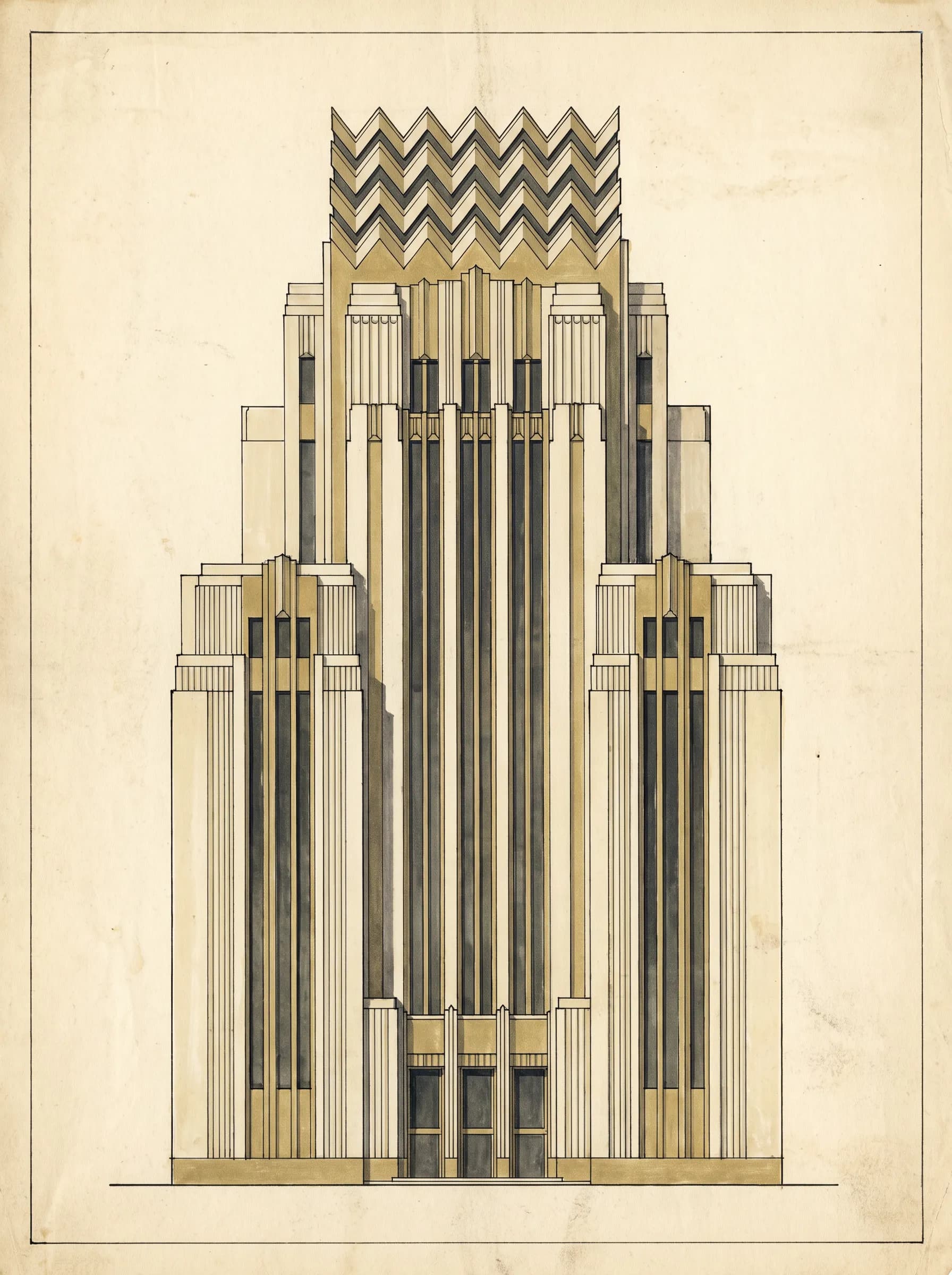
Art deco style is the look of the 1920s and 1930s at full confidence. It takes its name from the 1925 Paris exhibition of decorative and industrial arts, though its geometry owes a debt to Cubism and the Vienna Secession. Stepped, symmetrical shapes climb toward a point while sunbursts and chevrons repeat underneath them. Surfaces read as expensive, with lacquer and inlaid wood in 1925 and chrome by the 1930s, and the palette is usually black and gold with one accent such as jade. The eight images below were generated in FLORA's AI image generator from a single subject, a fictional 1930s hotel tower, so you can see how the style behaves in eight different media.
Art deco style examples made in FLORA
One subject, an imagined 1930s hotel tower, rendered eight ways. Every caption is the exact prompt that produced the image.
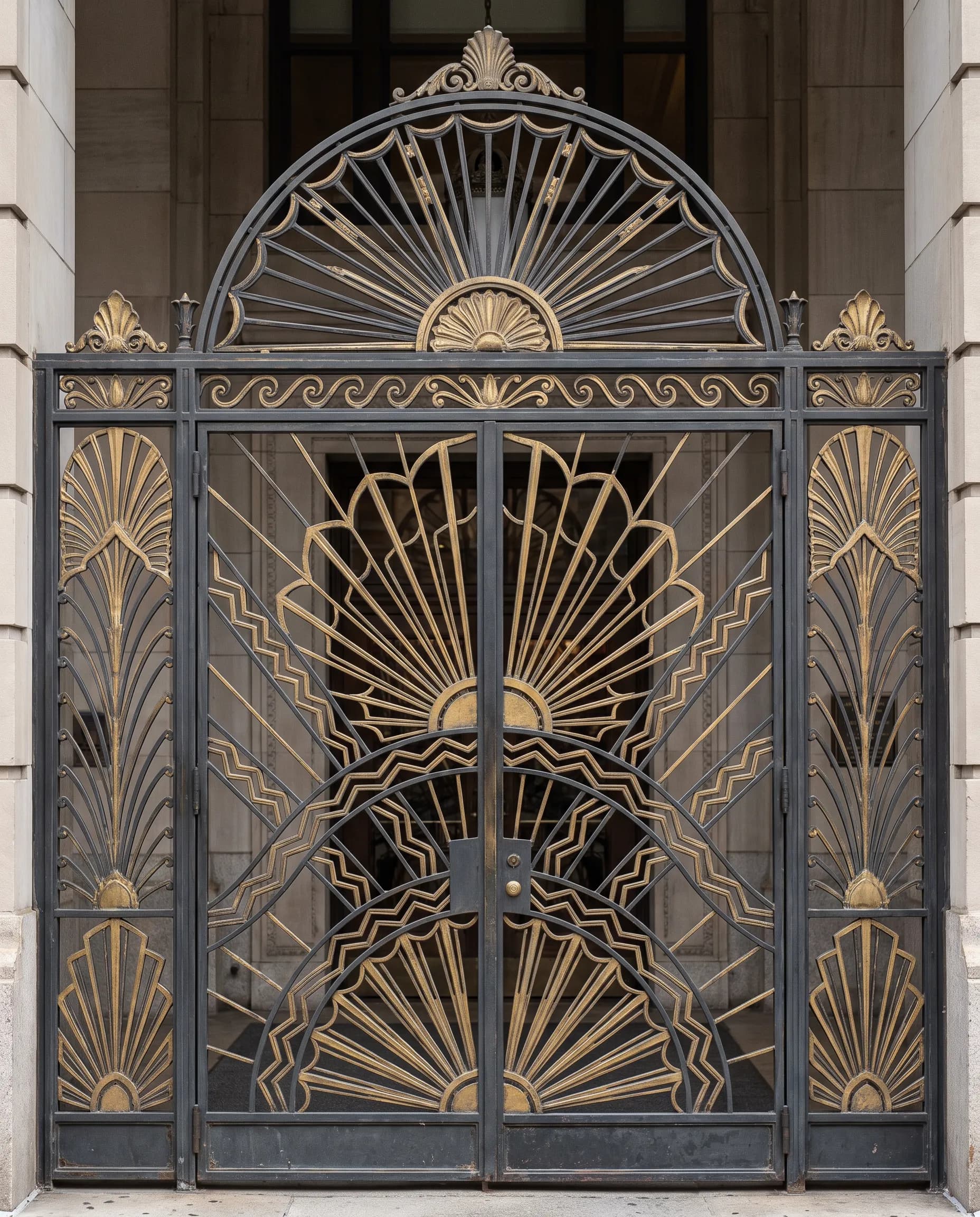
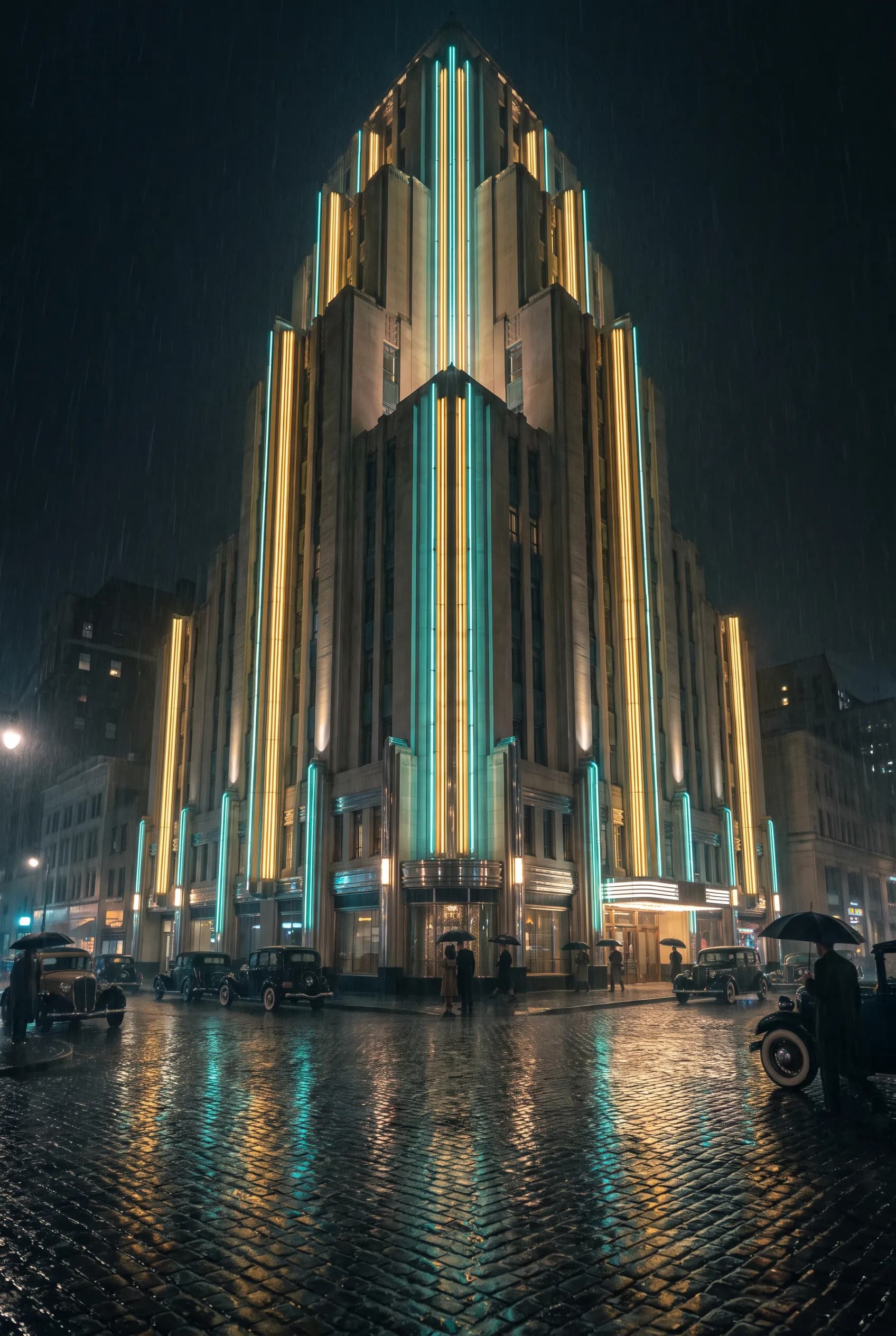
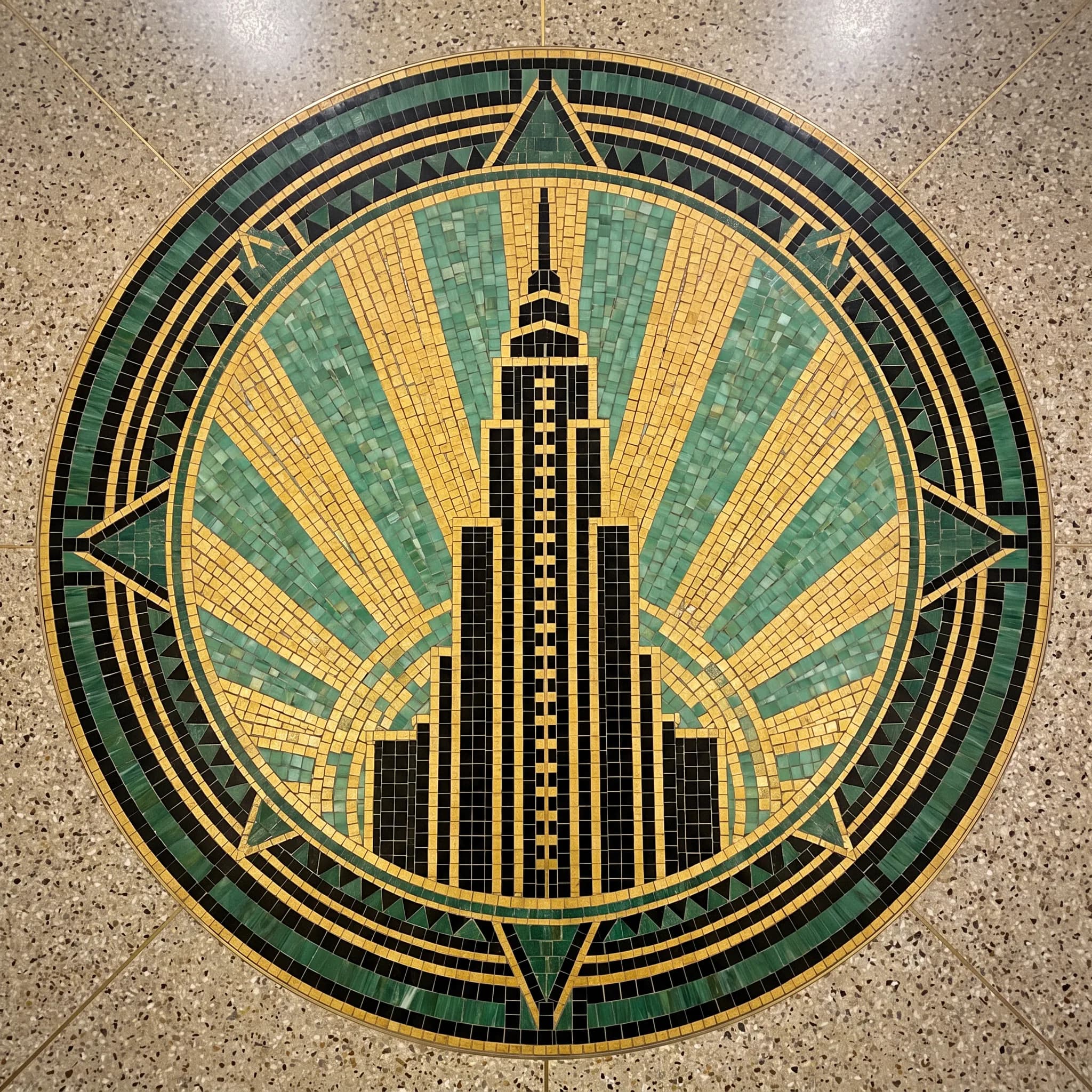
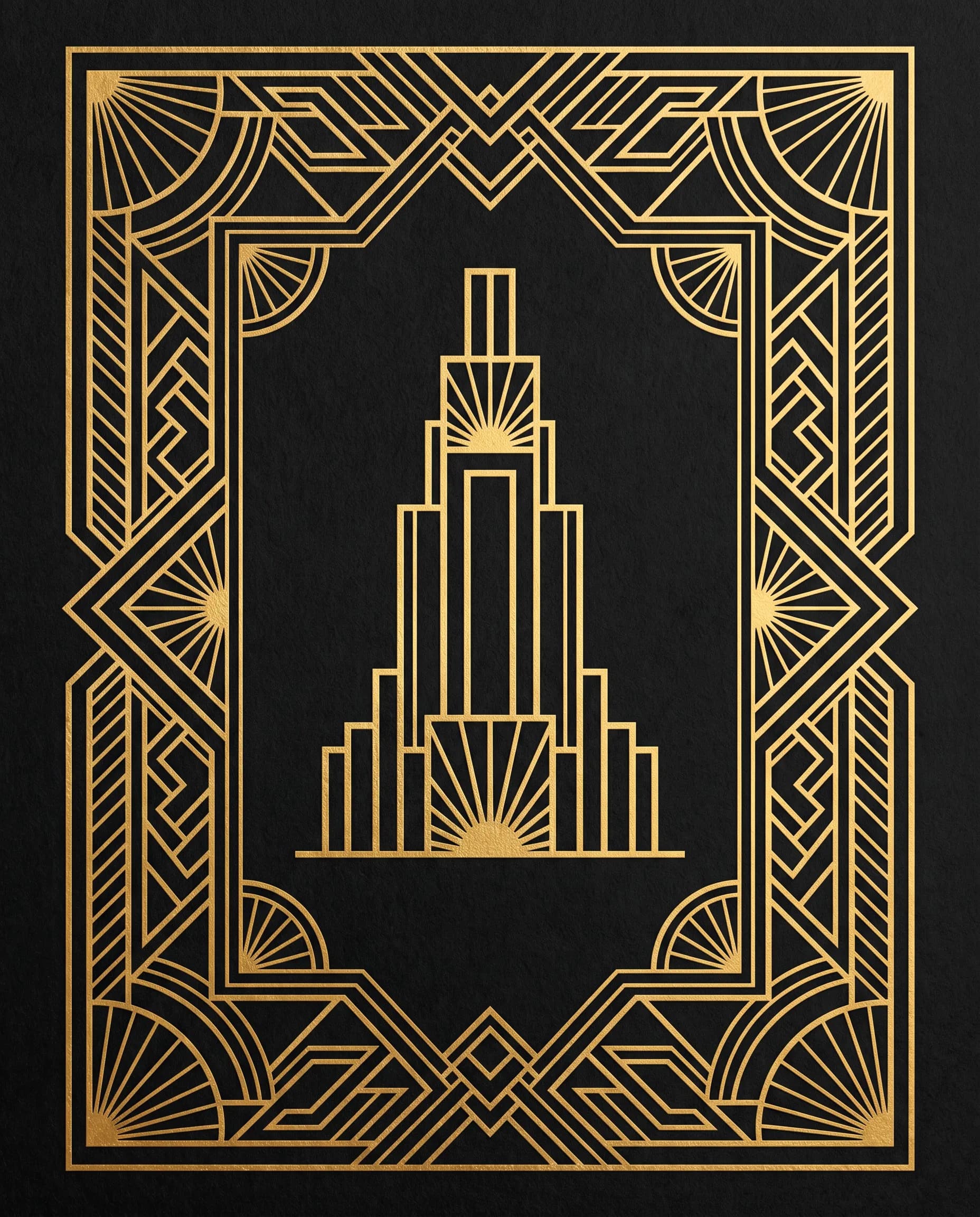
How to prompt for art deco style
Image models know the phrase art deco art style, but on its own it tends to give you a vague gold-and-black poster. The detail comes from naming the motifs, so build the prompt in five parts. Start with one subject. Add the style cues that do the work, which for this style means stepped setbacks, sunburst and chevron, plus the word symmetrical. Give it a palette, usually black and gold plus one accent. Name the medium, because a gilded relief and a gouache poster are both period-correct and look nothing alike. Lighting goes last, warm for interiors and flat for print. Some prompt libraries shorten the whole thing to deco art style, and models read that too.
There are several art deco styles under the one name. The 1925 Paris version is ornate, with carved flowers and expensive inlay, the American skyscraper version is taller and more geometric, and Streamline Moderne, from the 1930s, drops most of the ornament for curves and polished surfaces. Say which one you want or the model will blend them.
Three prompts to copy
- Poster. Art deco travel poster of a stepped 1930s hotel tower at dusk, symmetrical setbacks rising to a spire, sunburst rays behind it, flat shading, black and gold palette with a teal sky, bold geometric border, no text
- Interior. Art deco hotel lobby inside a 1930s tower, black lacquer walls with gold inlay, chrome fan-shaped sconces, terrazzo floor with chevron pattern, warm amber light, wide symmetrical view
- Object. Gilded bronze relief panel of a stepped 1930s hotel tower, stylized sunburst and chevron border, polished metal catching warm light, art deco style, close-up, no text
What tends to go wrong
The usual drift is toward art nouveau. Curling vines mean the model slipped back twenty years, and the fix is the word geometric plus a named motif like chevron. If gold takes over, ask for black as the dominant color. Models also love to add signage, and the lettering comes out as gibberish, so end every prompt with no text. Tacking the words style art deco onto a prompt is a weak substitute for all of the above.
Where art deco style works
Posters and event visuals. The style was built for print. A stepped composition and a two-color palette read from across a room, which is why it still shows up on festival and theater posters. Generate the artwork in FLORA, then set the headline in a real typeface.
Packaging and brand identity. The art deco design style suits anything that wants to feel premium and a little theatrical, such as spirits, fragrance and hotels. Generate the emblem and pattern separately, pull the exact palette with Palette Pull, and assemble the kit with the AI design generator.
Architecture and interiors. Art deco style architecture is the use most people picture, and the most forgiving to generate, because the vocabulary is so specific. Name the setbacks and the materials and the facade comes out convincing. For a client-facing render, start from your own massing model with AI architectural rendering, or collect references in the Moodboard Maker.
Related styles
- Art nouveau style, the curving movement that came right before it
- Retro art style, mid-century work with the same flat shading
- Rococo art style, ornament taken the opposite way
- Y2K art style, another look defined by its surfaces
- Graphic art styles, the wider family of print-first looks
FAQs
What defines art deco style?
Geometry and luxury, held in symmetry. The shapes are stepped, zigzagged or fanned, the motifs repeat in strict rhythm, and the materials are chosen to look costly, whether lacquer and gilt in 1925 Paris or chrome and Bakelite a decade later.
What are the four key features of art deco?
Most references settle on the same four. Bold geometric shapes, especially stepped forms and chevrons. Symmetry in layout and ornament. Rich materials such as inlaid wood, lacquer and polished metal. And stylized motifs borrowed from nature and machines, which is where the sunbursts and speed lines come from.
Is 1930s art deco or art nouveau?
Deco. Art nouveau peaked between roughly 1890 and 1910 and is all curves and whiplash lines. Art deco followed in the 1920s and ran through the 1930s, hardening into the skyscraper look before it softened into Streamline Moderne. The line work tells them apart in a second.
What is the most famous art deco piece?
The Chrysler Building in New York, finished in 1930, with its stainless steel sunburst crown and steel eagles. In the decorative arts, most people picture Tamara de Lempicka's portraits or Cassandre's ocean liner posters.



