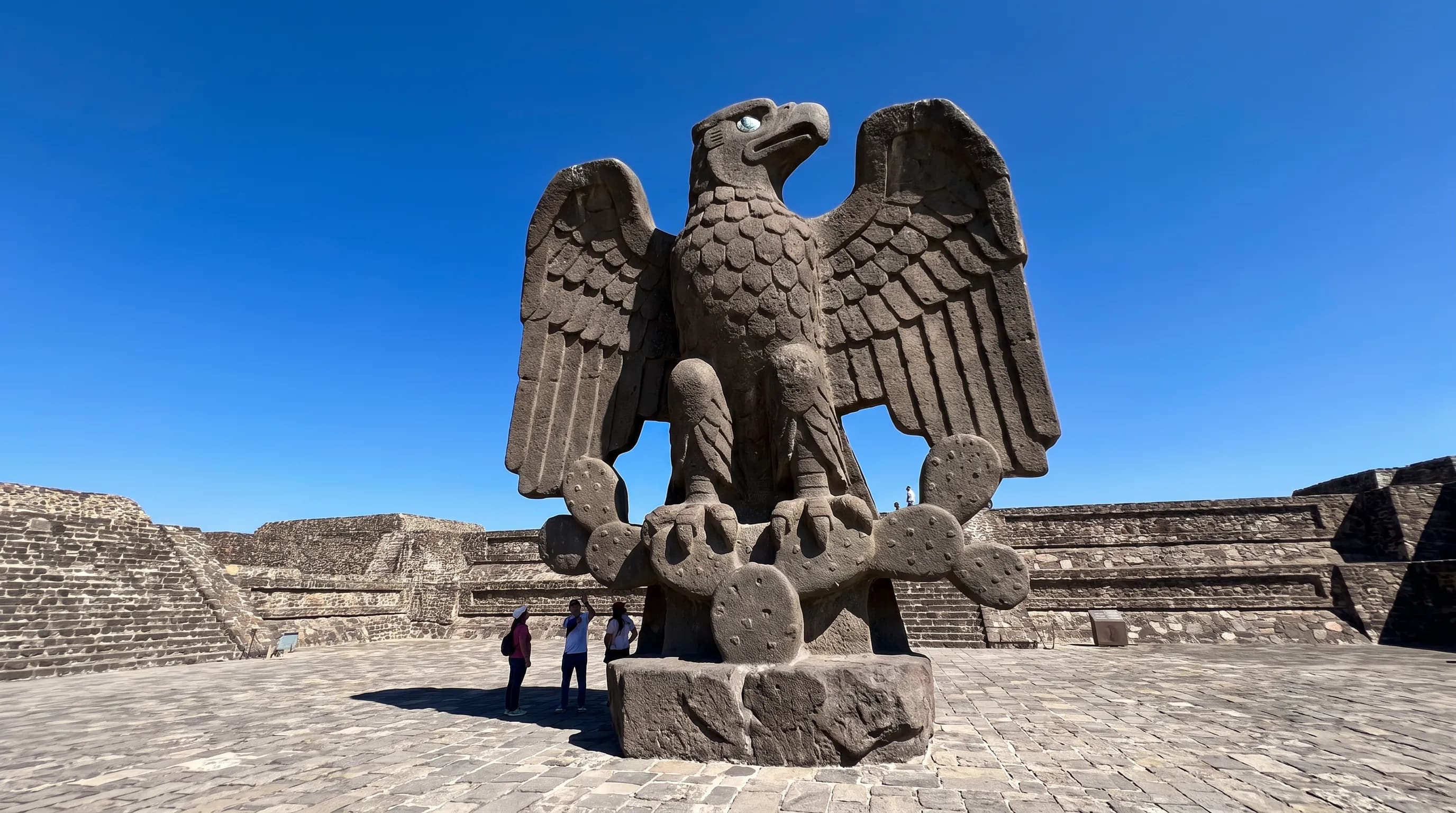
Animated Art Styles and the Techniques Behind Them
 FLORA
FLORA
Animated art styles are sorted by technique, and each technique leaves its own evidence in the frame. Every one of them rests on an idea about fifty years older than cinema, that drawings of an action shown in quick succession read to the eye as continuous movement. Hand-drawn work shows ink outlines over painted backgrounds. Stop motion photographs real objects, so felt, clay and wire end up on screen under real light. Cutout figures pivot on visible joints, and computer-generated (CG) animation brings modeled volume and simulated light.
Animated art styles examples made in FLORA
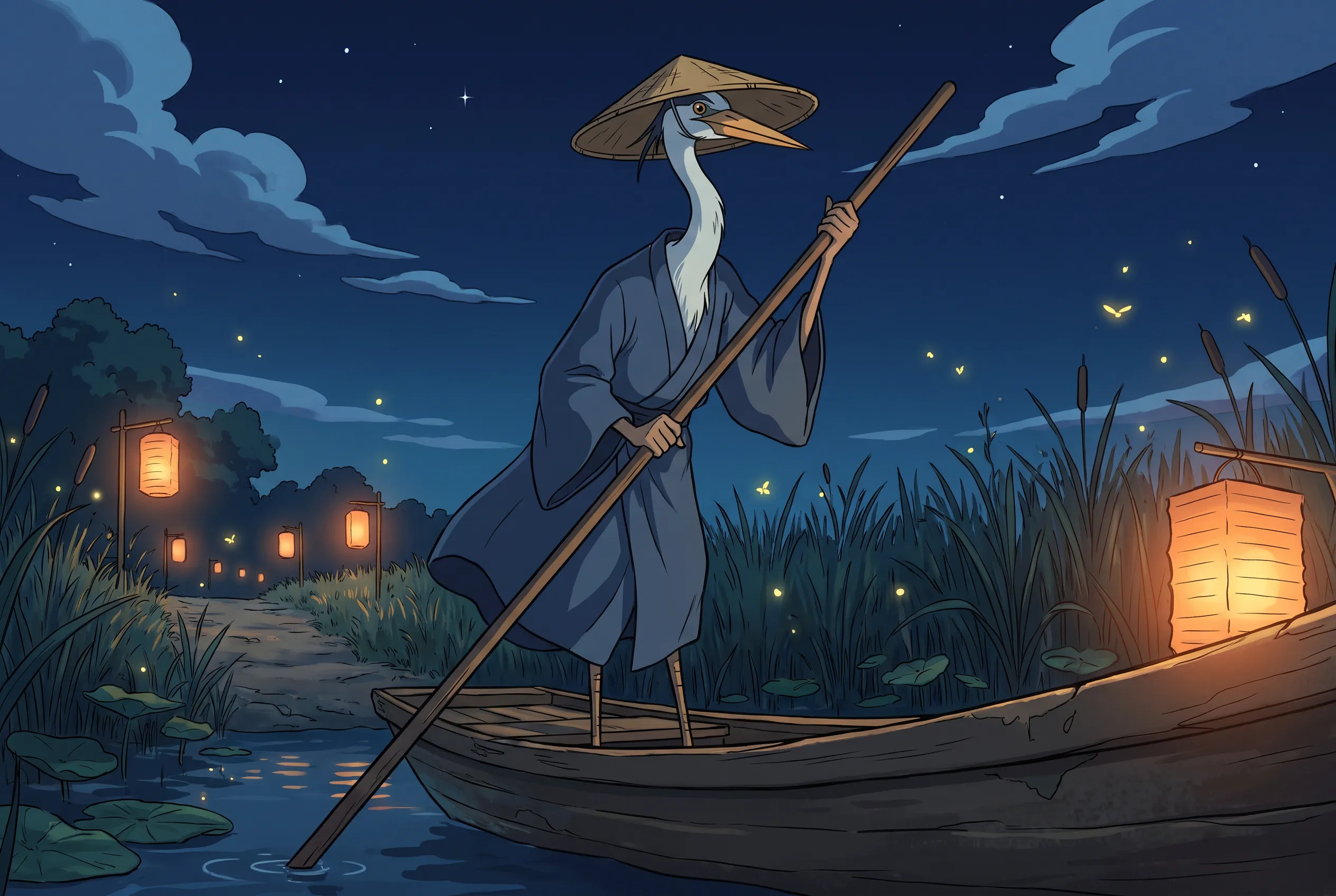
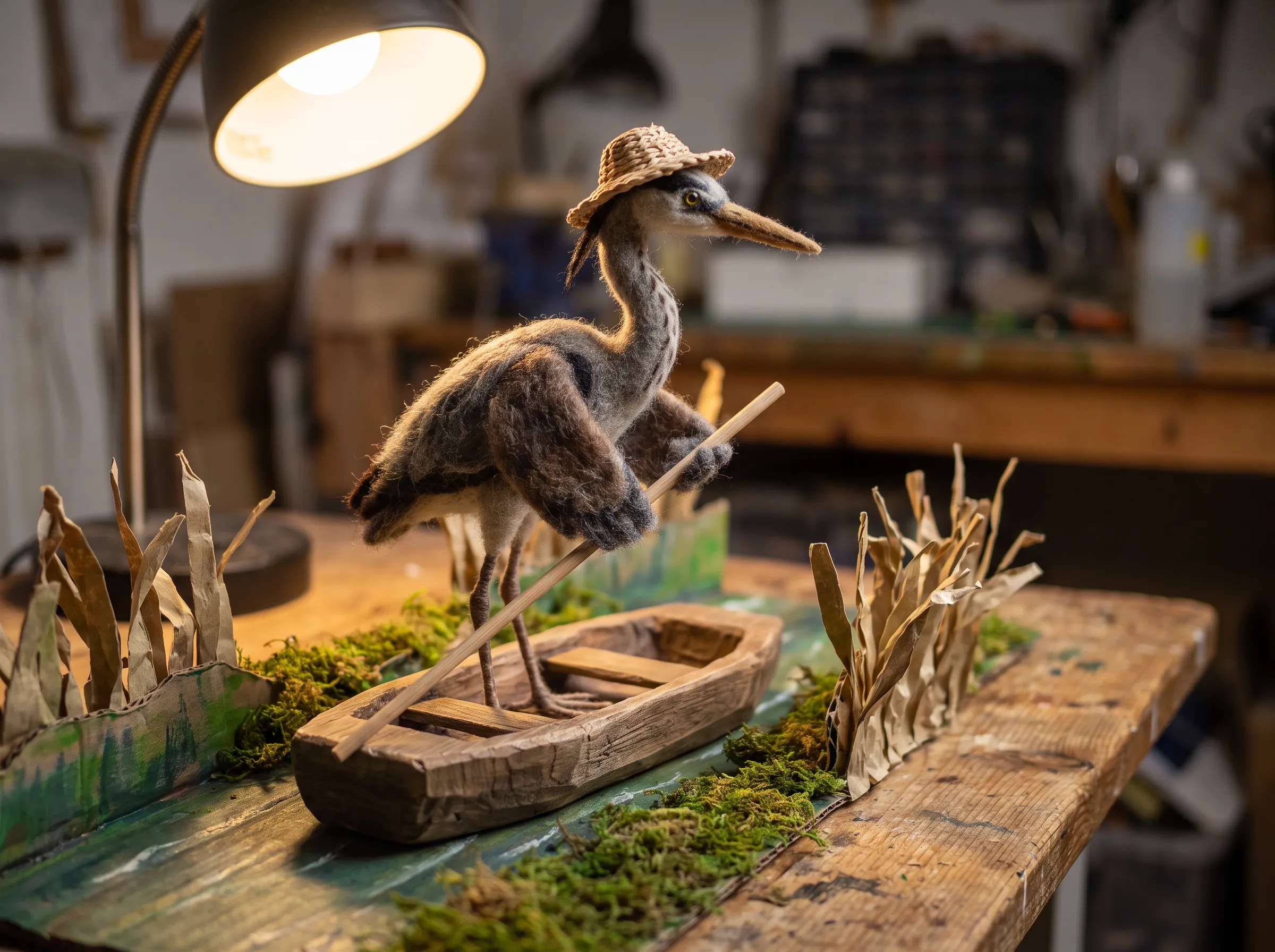
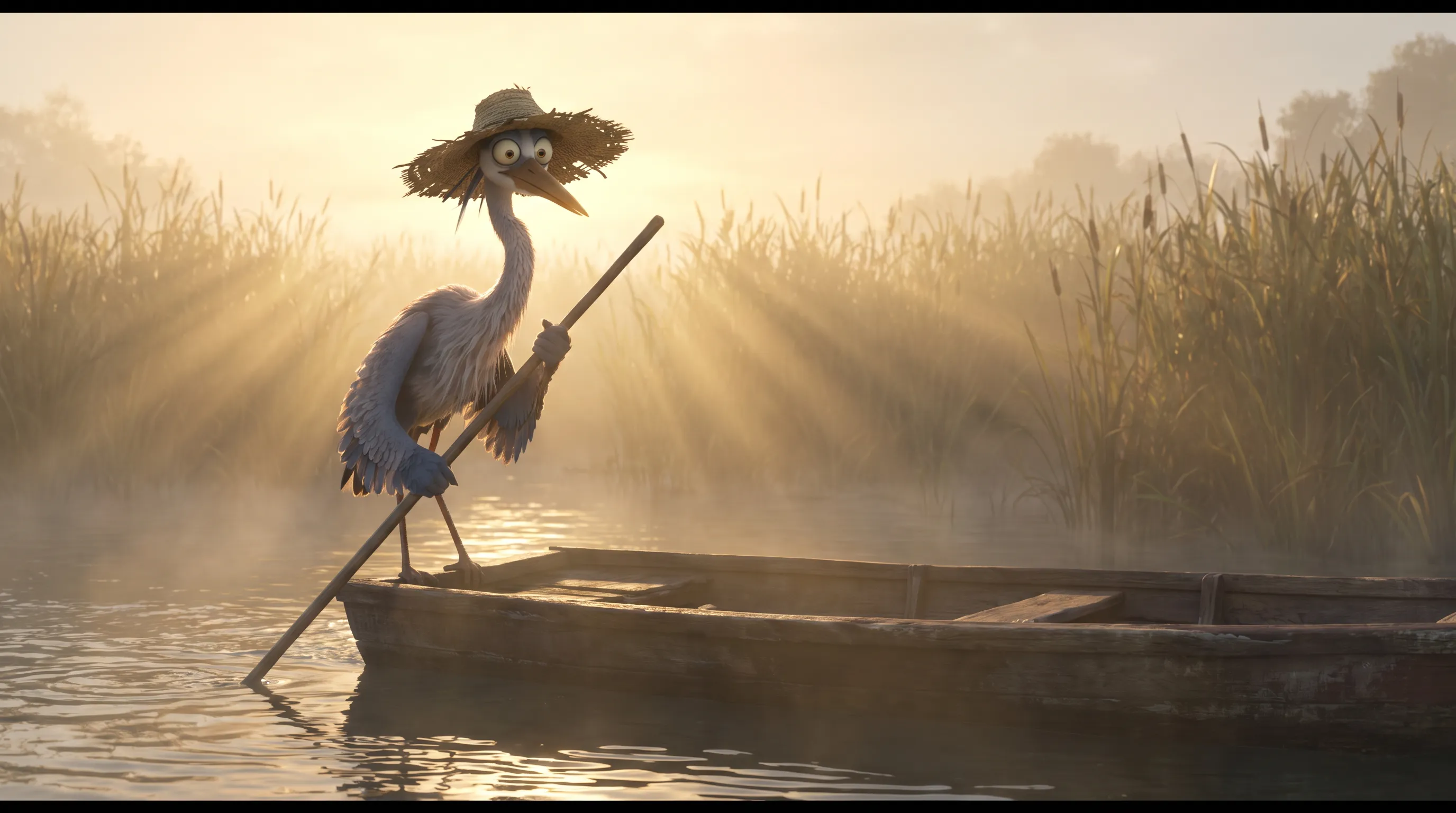
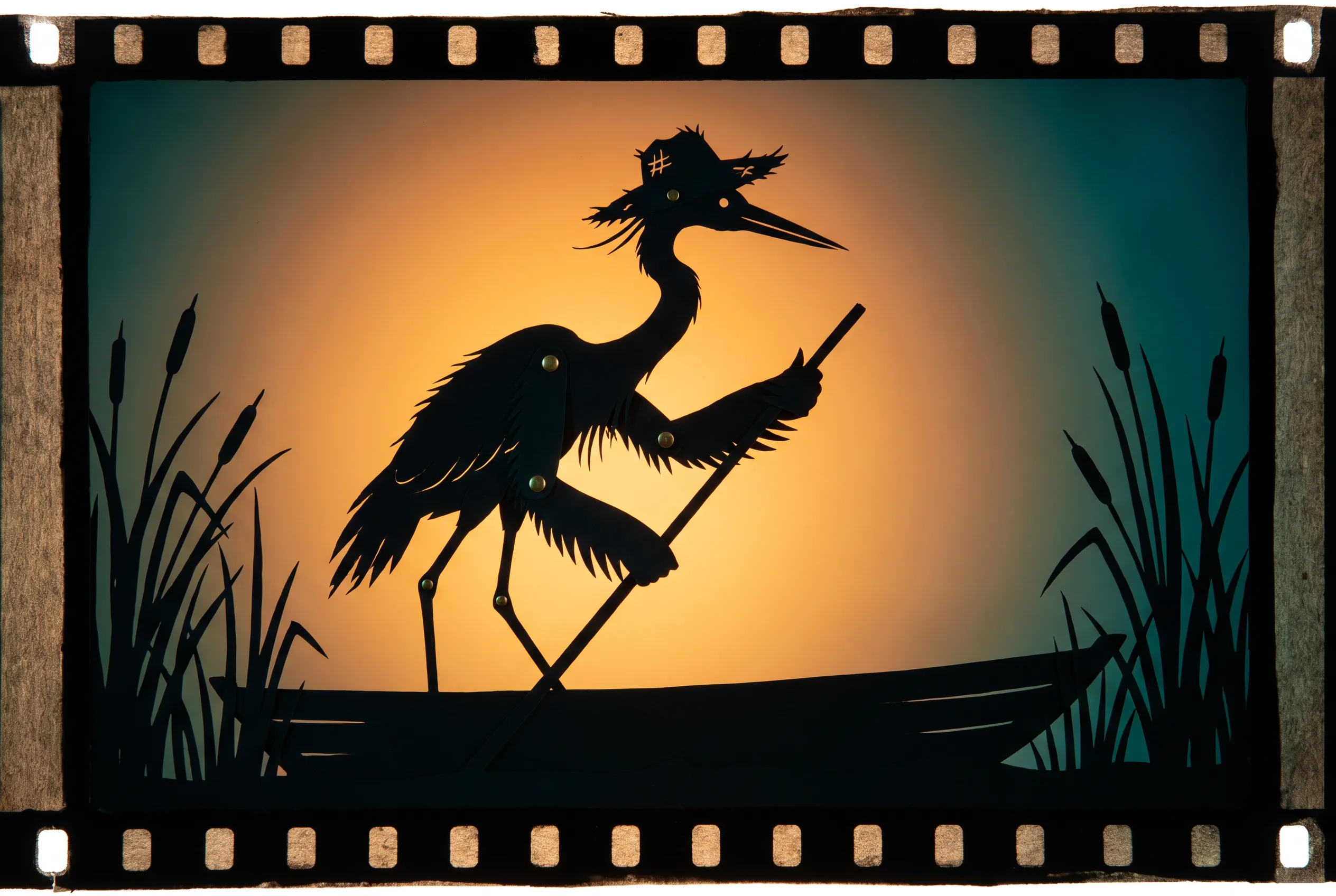
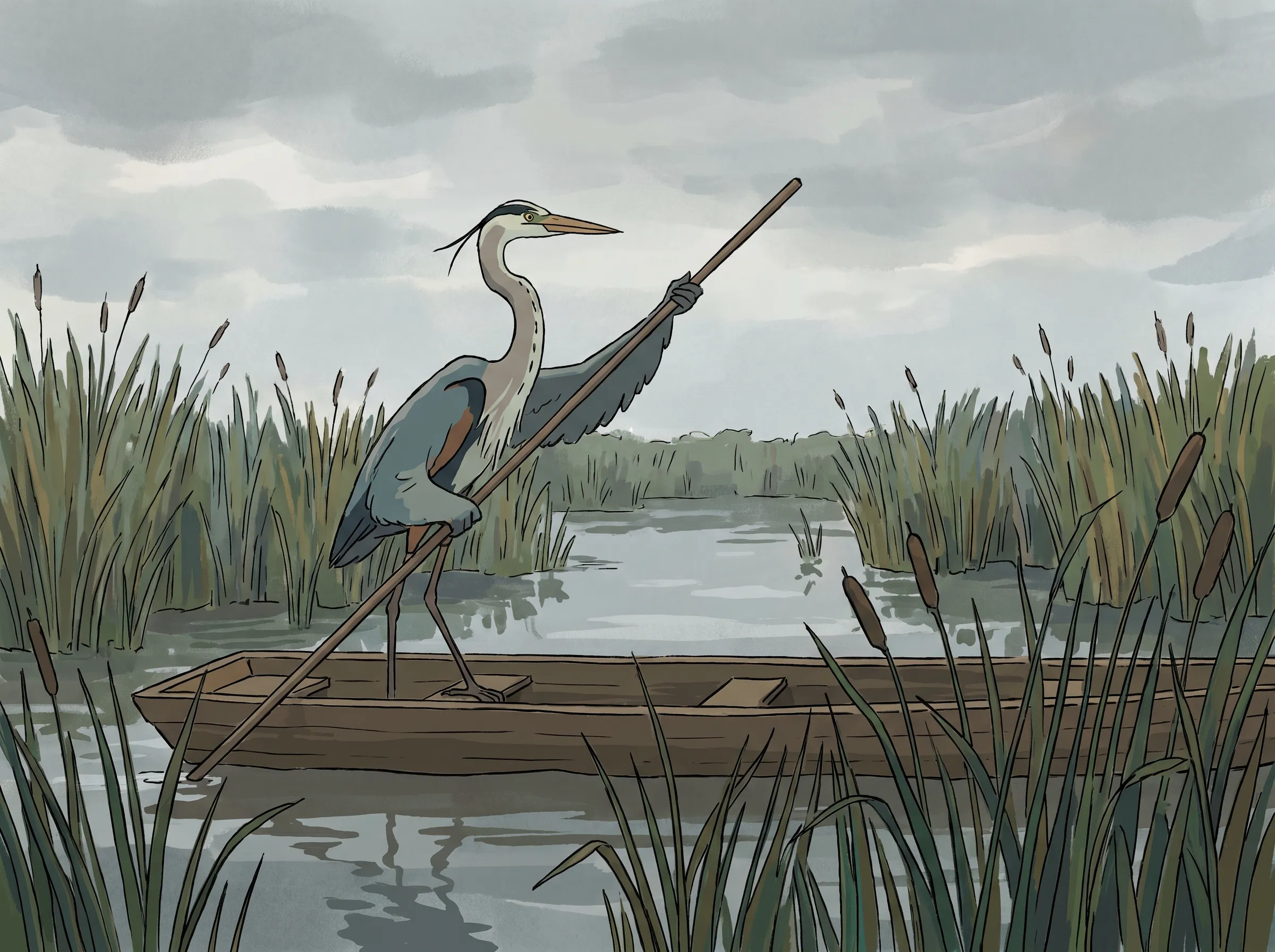
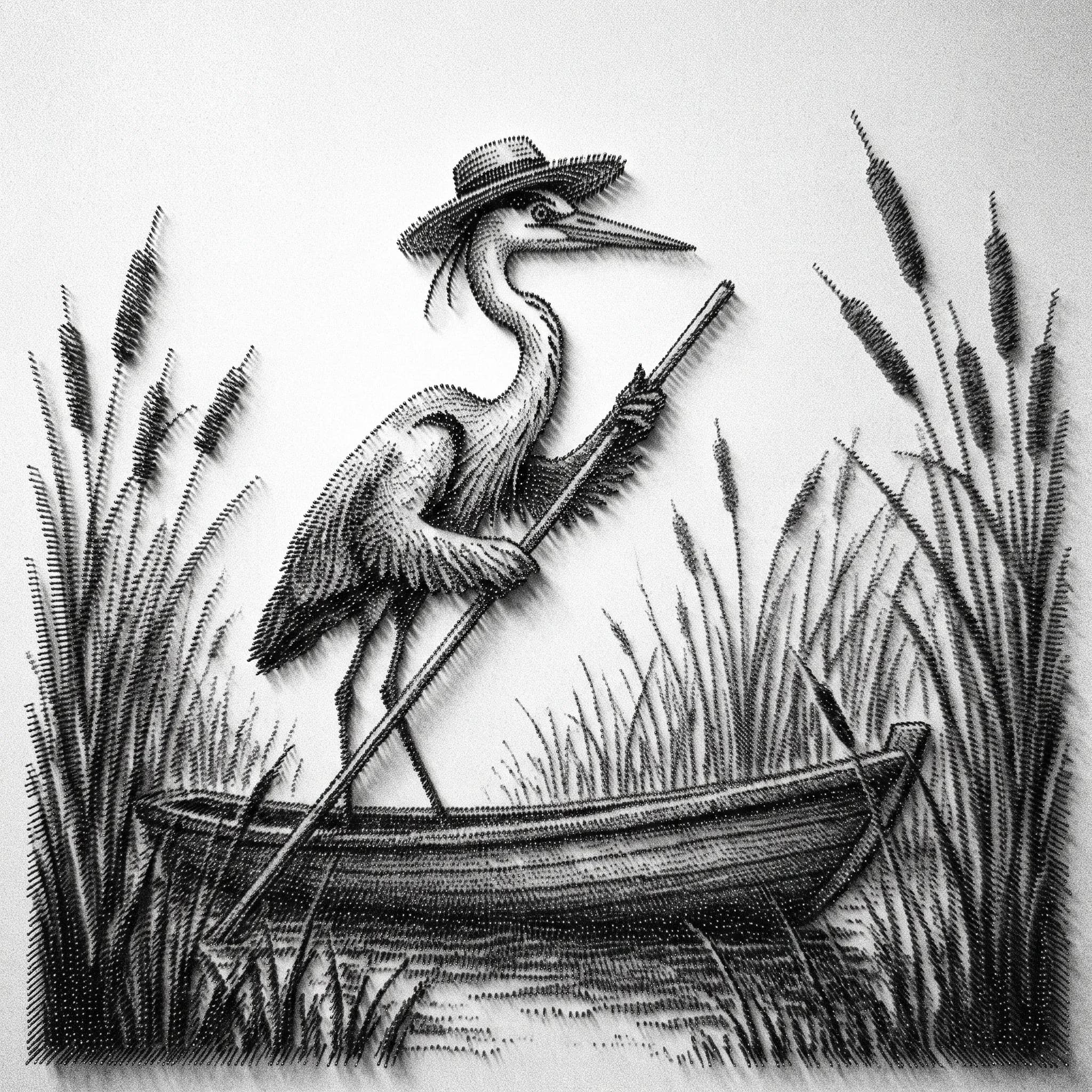
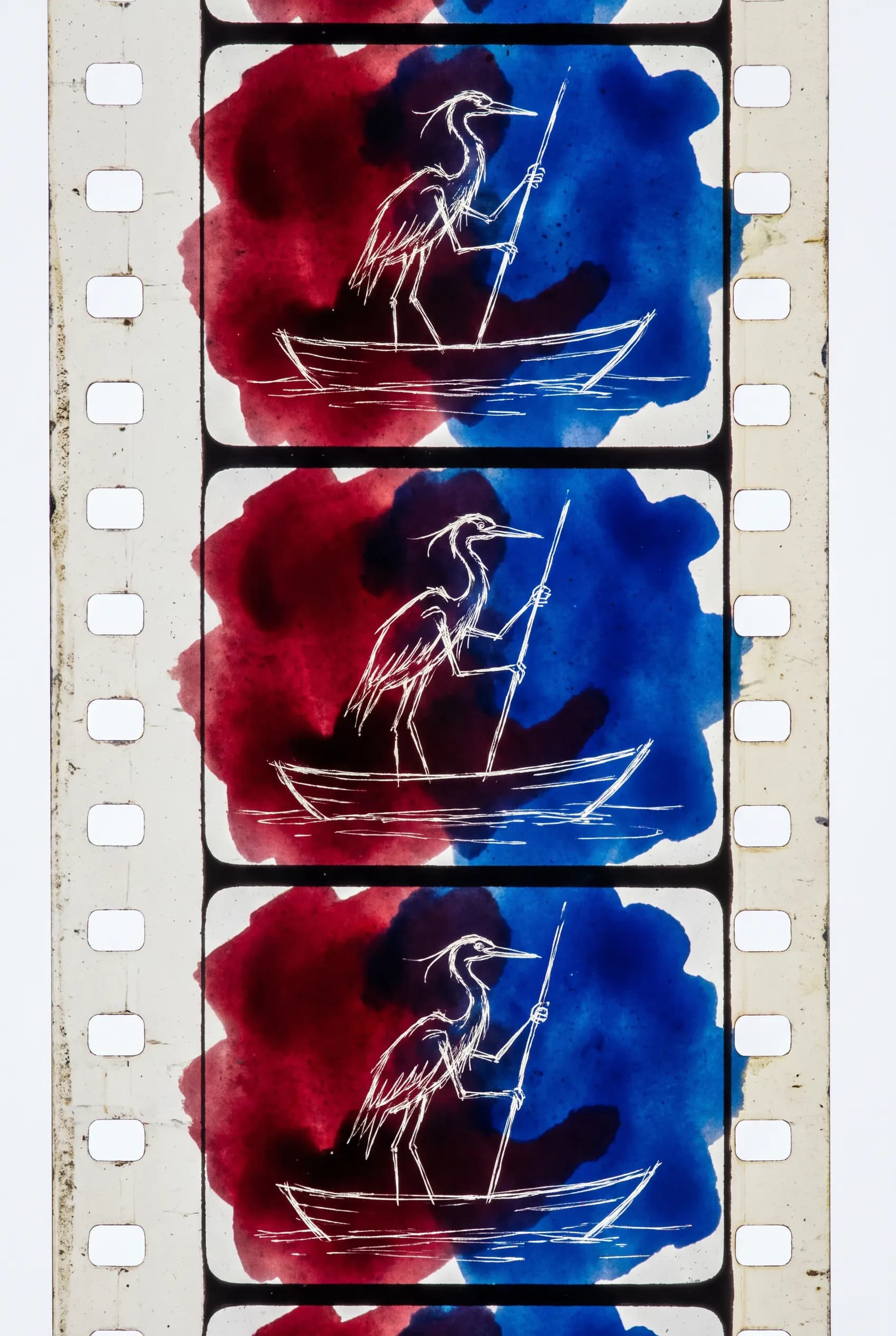
A lanky heron ferryman in a straw hat, poling a flat boat through river reeds, appears below in eight techniques made with FLORA's AI image generator. Since a still can't move, each prompt asks for the marks a method leaves on one frame, which keeps different animation art styles readable. Prompts run as captions.
How to prompt for animated art styles
Describe the process before the look. A stop-motion prompt should name the puppet's materials and the set, such as needle-felted feathers over a wire armature, a miniature river and a macro lens with shallow focus, while a silhouette cutout needs black paper with finely cut edges against a glowing backdrop. Rotoscoping traces live-action footage, so pair lifelike motion with flat color and slightly uneven outlines. Hand-drawn frames want ink line and cel color over a painted background, and CG wants its surface and light spelled out, like soft feathers in volumetric morning haze.
The rarer techniques reward a little history. Lotte Reiniger spent more than two years on her silhouette feature The Adventures of Prince Achmed (1926), the oldest animated feature that survives. On Alexandre Alexeïeff's pinscreen, about 500,000 pins were pushed in or out to cast shadows, which gives each frame the grain of an old steel engraving. Norman McLaren went cameraless as early as 1933 by drawing straight onto celluloid. Each of those descriptions doubles as prompt vocabulary.
Three prompts to copy
- Silhouette cutout. Silhouette cutout animation frame of a lanky heron ferryman in a straw hat poling a flat boat through reeds, black paper figures with finely cut feather edges and hinged joints, backlit against a glowing amber and teal gradient, no text
- Stop motion. Stop-motion puppet of a lanky heron ferryman in a straw hat, needle-felted feathers over a wire armature, poling a tiny carved boat across a miniature river set with paper reeds, practical lamp light, macro lens, shallow depth of field, no text
- Rotoscope. Rotoscoped animation frame of a lanky heron ferryman poling a flat boat through reeds, lifelike traced motion, flat posterized color shapes, slightly wobbly hand-traced outlines, overcast river light, no text
What tends to go wrong
Stop-motion requests tend to come back as a glossy computer render dressed up as a puppet. Push the handmade side harder with felt fibers, a visible wire and a slight tilt to the miniature set. Cutouts can slide the opposite way, into clean vector art, and paper grain plus pins at the joints often pulls them back. Rotoscope has a trap of its own. Ask for realism and the model may return a photograph, so keep the words traced and posterized next to anything lifelike.
Where animated art styles work
Picking a technique comes early in production, and one key frame is a cheap way to test it. Generate that frame in the technique you are weighing, then run it through Storyboard Maker, which turns one image into nine cohesive frames that hold the same character, lighting and world.
A recurring character needs its own test. Describe it once in Character Creator and you get turnaround views, an alternate outfit, a name card and a short idle loop. The loop works as an early animatic check on whether the design still reads once it moves.
Related styles
- Rubber hose art style, the bendy-limbed look of early American studio shorts
- Cartoon art styles, eight cartoon traditions tried on one fox
- 3D art styles, CG looks in more depth
- Character art styles, how a design is built before anyone animates it
FAQs
What other animation styles are there?
Puppet animation and pixilation are two more. Jiří Trnka's folk-tale films made Eastern Europe a center of puppet animation, and his The Emperor's Nightingale later reached American audiences with Boris Karloff narrating. Pixilation applies stop motion to live actors, and Norman McLaren won an Oscar with it for Neighbours (1952).
What are the 12 basics of animation?
They are the twelve principles Disney animators Frank Thomas and Ollie Johnston set out in a 1981 book, based on how the studio's artists worked in the 1930s. The list runs squash and stretch, anticipation, staging, straight ahead and pose to pose, follow-through and overlapping action, slow in and slow out, arcs, secondary action, timing and spacing, exaggeration, solid drawing and appeal. Squash and stretch is often called the most important, because it gives a figure weight and flexibility.
How is anime different from animation?
Anime is the Japanese word for animation, and in English it refers to the animation of Japan. Britannica likens anime epics to the folk adventures that Mizoguchi Kenji (The 47 Ronin, 1941) and Kurosawa Akira (Yojimbo, 1961) once filmed.