
Character Art Styles and What Sets Them Apart
 FLORA
FLORA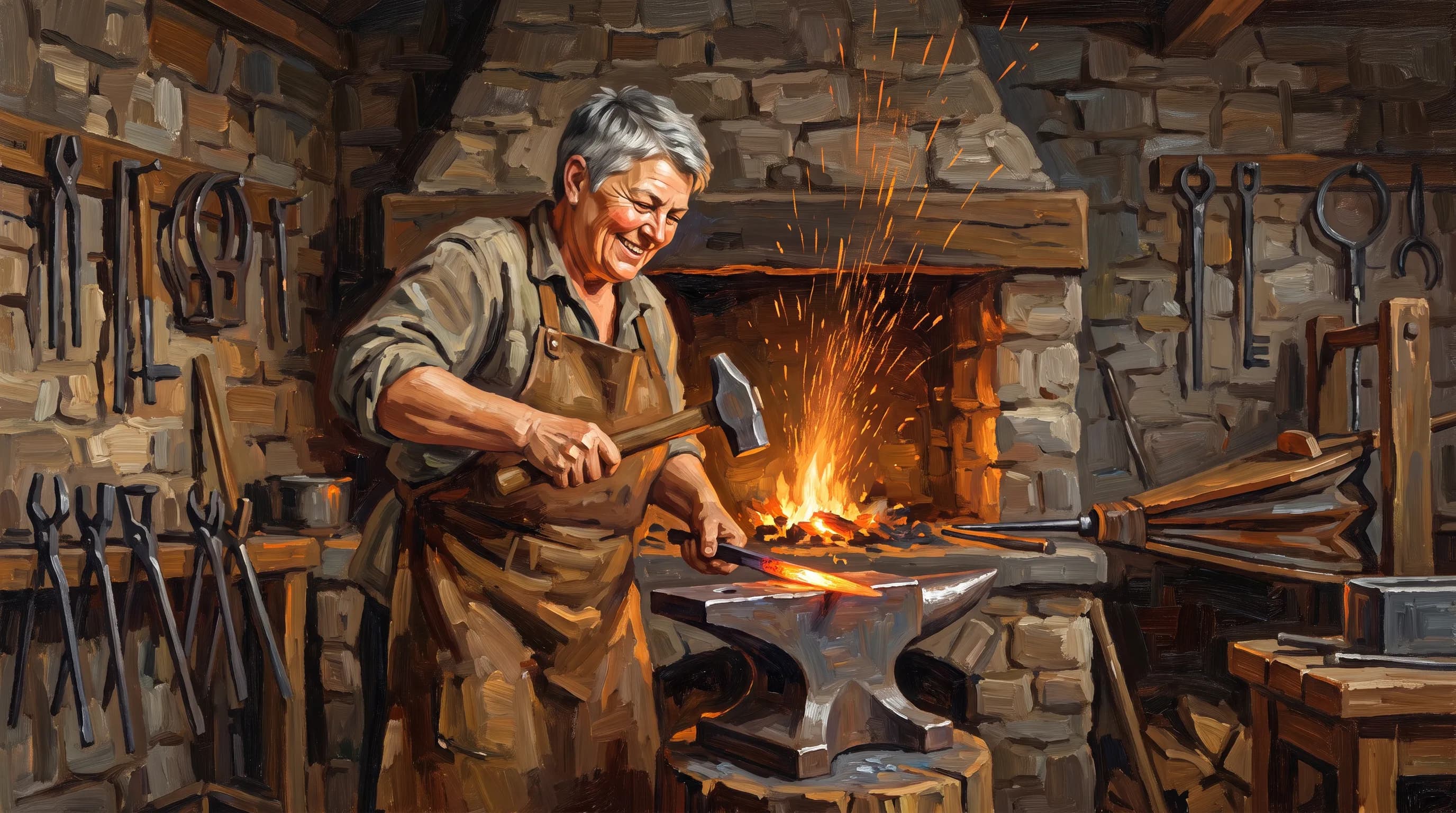
Character art styles are the drawing conventions that govern how a figure is built, and picking one settles dozens of decisions before the first sketch. They sort onto a scale running between cartoonish and realistic. Anime borrows from Japanese animation and manga, while pixel sprites date to the digital art of the 1970s, a workaround for the technical limits of early games. Four traits move a design along that scale, namely proportion counted in head lengths, shape language, eye size and rendering, which covers line weight and whether shadows land as hard cel blocks or soft paint.
Character art styles examples made in FLORA
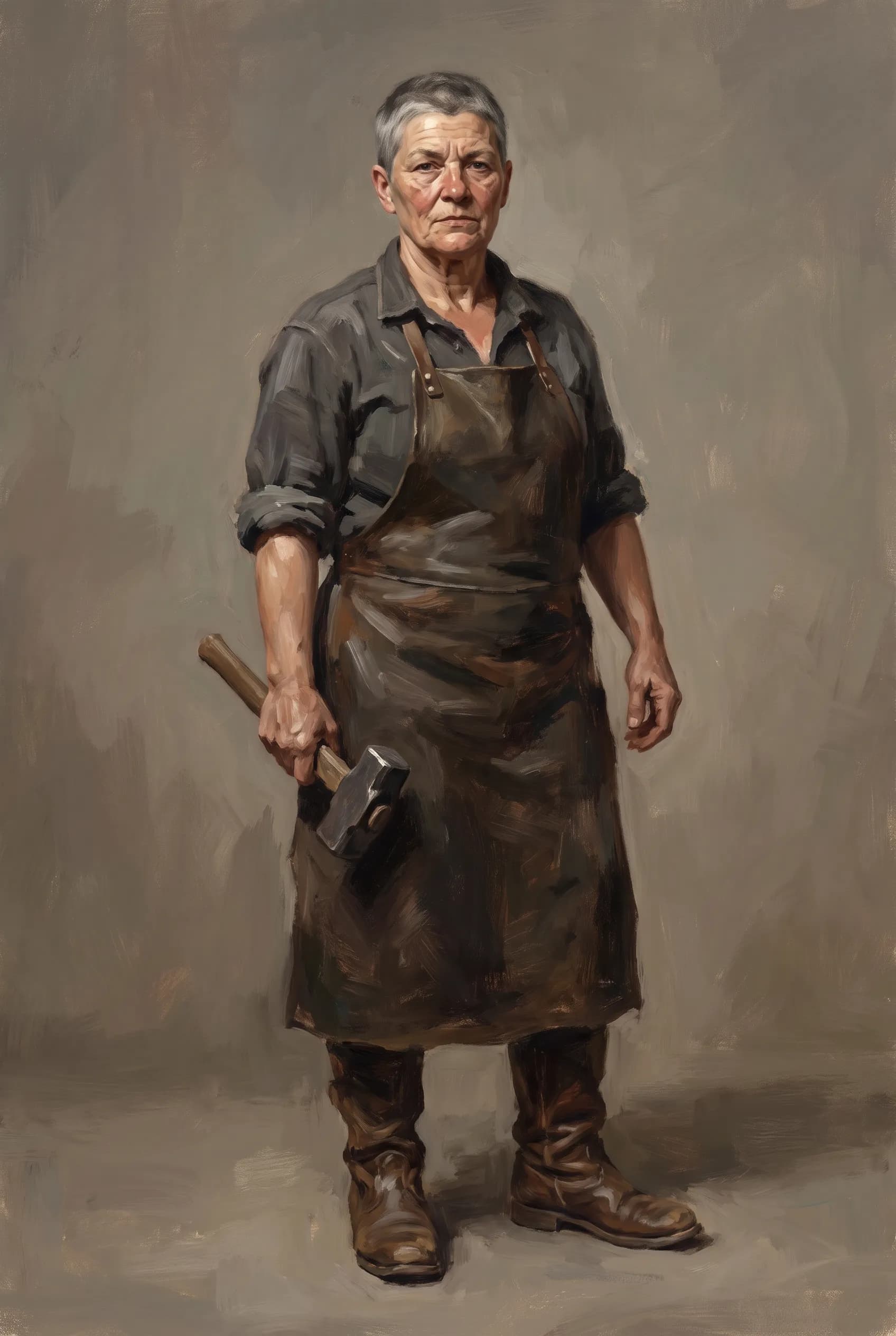
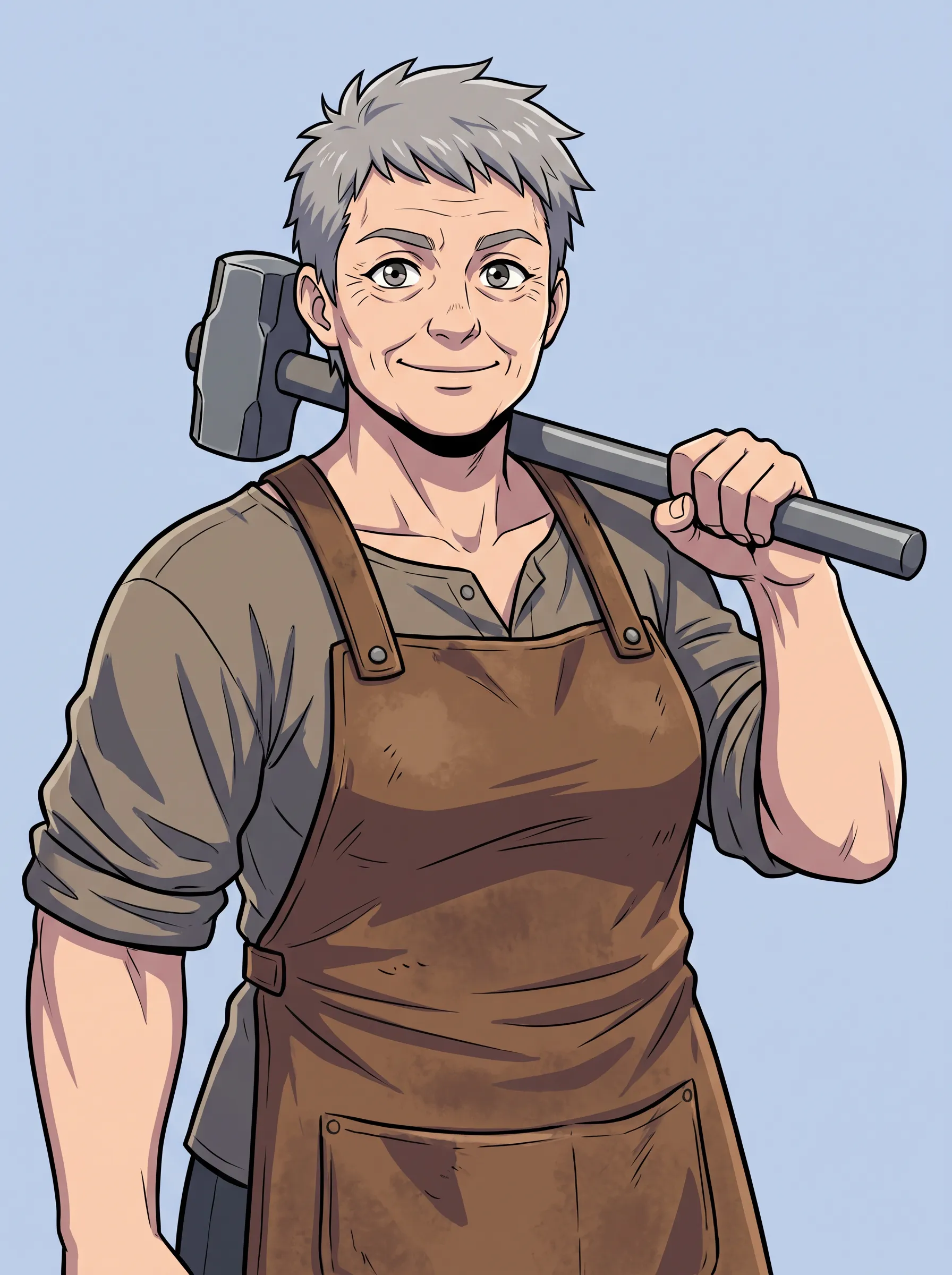
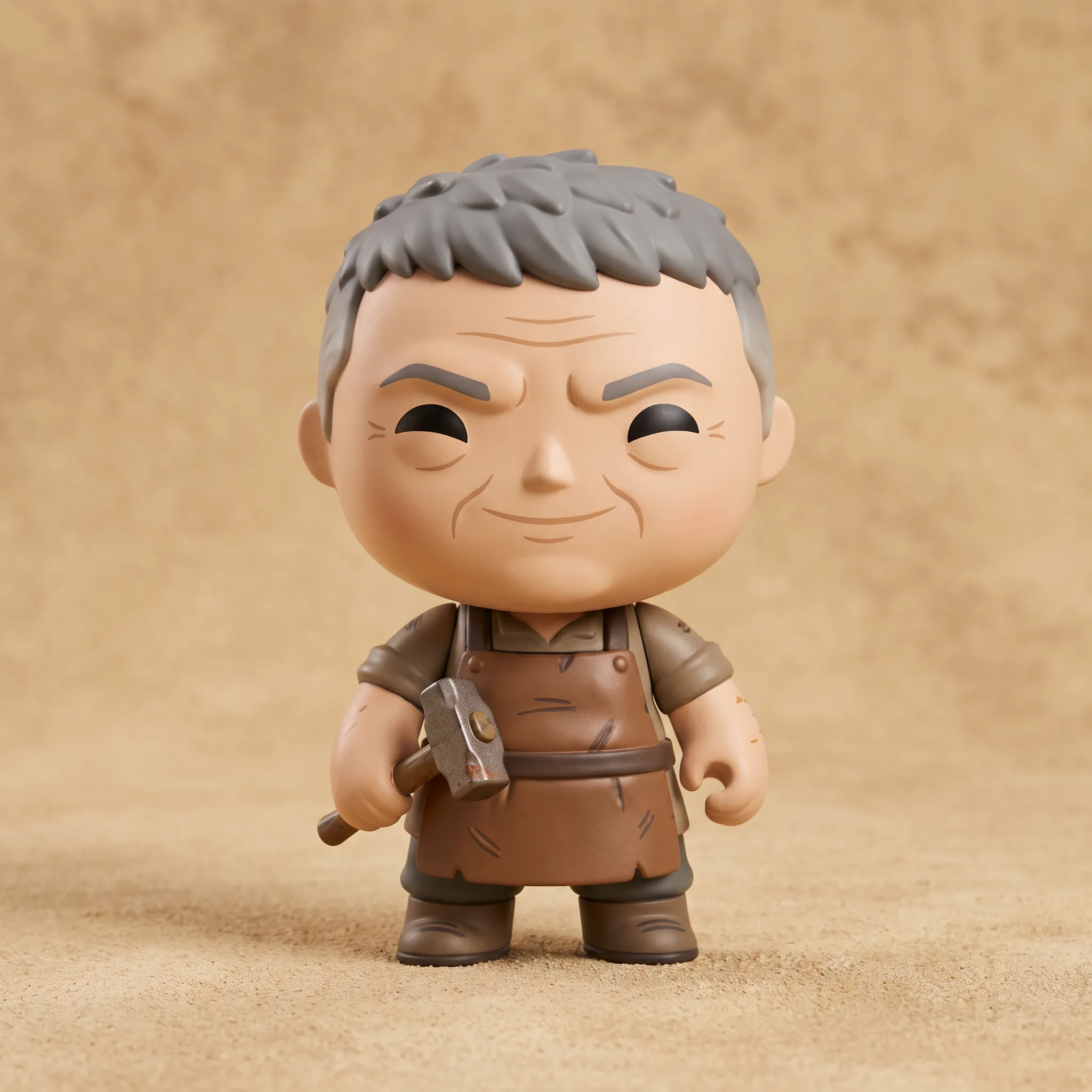
Our test character is a broad-shouldered blacksmith in her fifties, made in FLORA's AI image generator. Her hammer, apron and age are written into every prompt, which leaves the drawing rules as the only variable across eight different character art styles. Each prompt runs beneath its image.
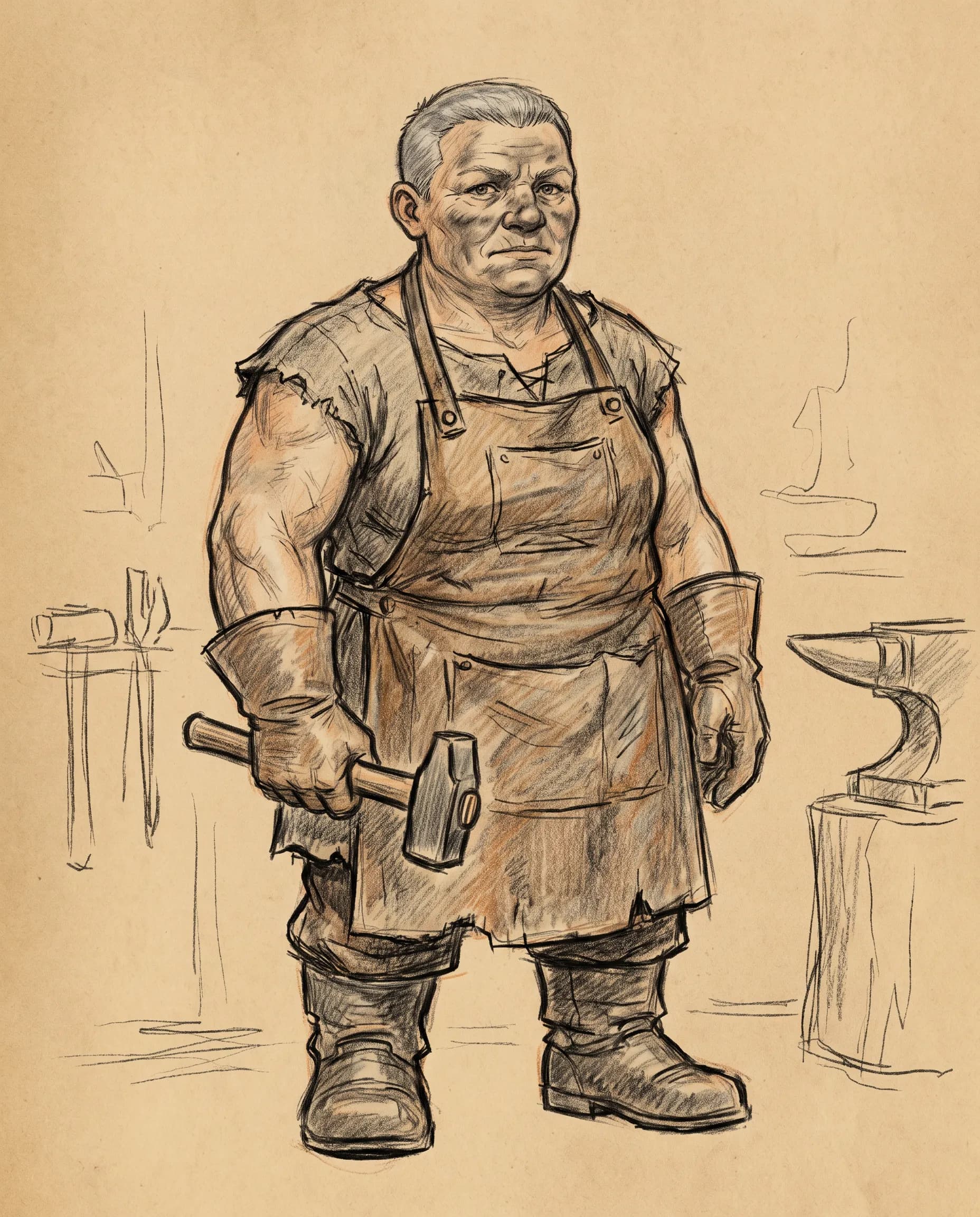
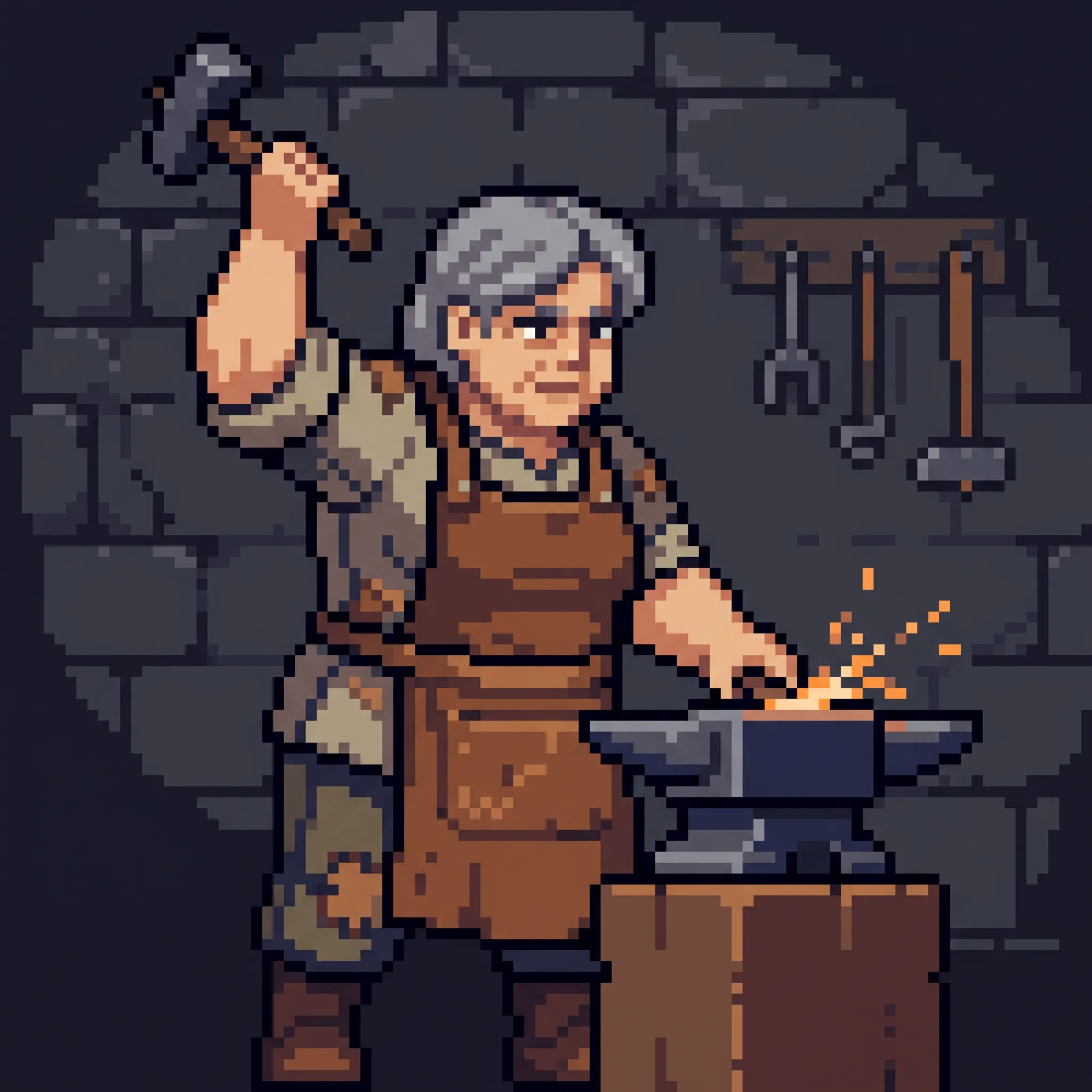
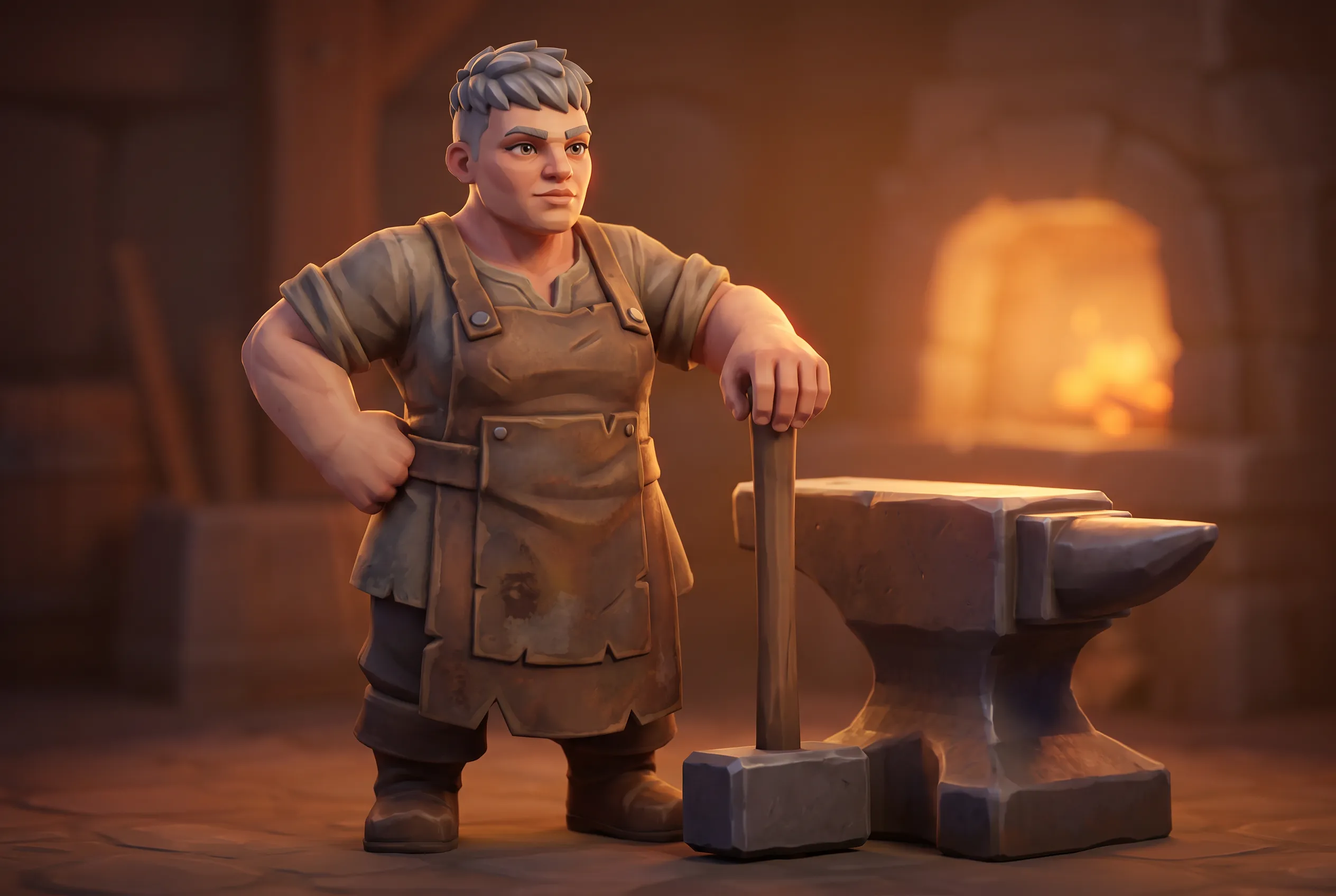
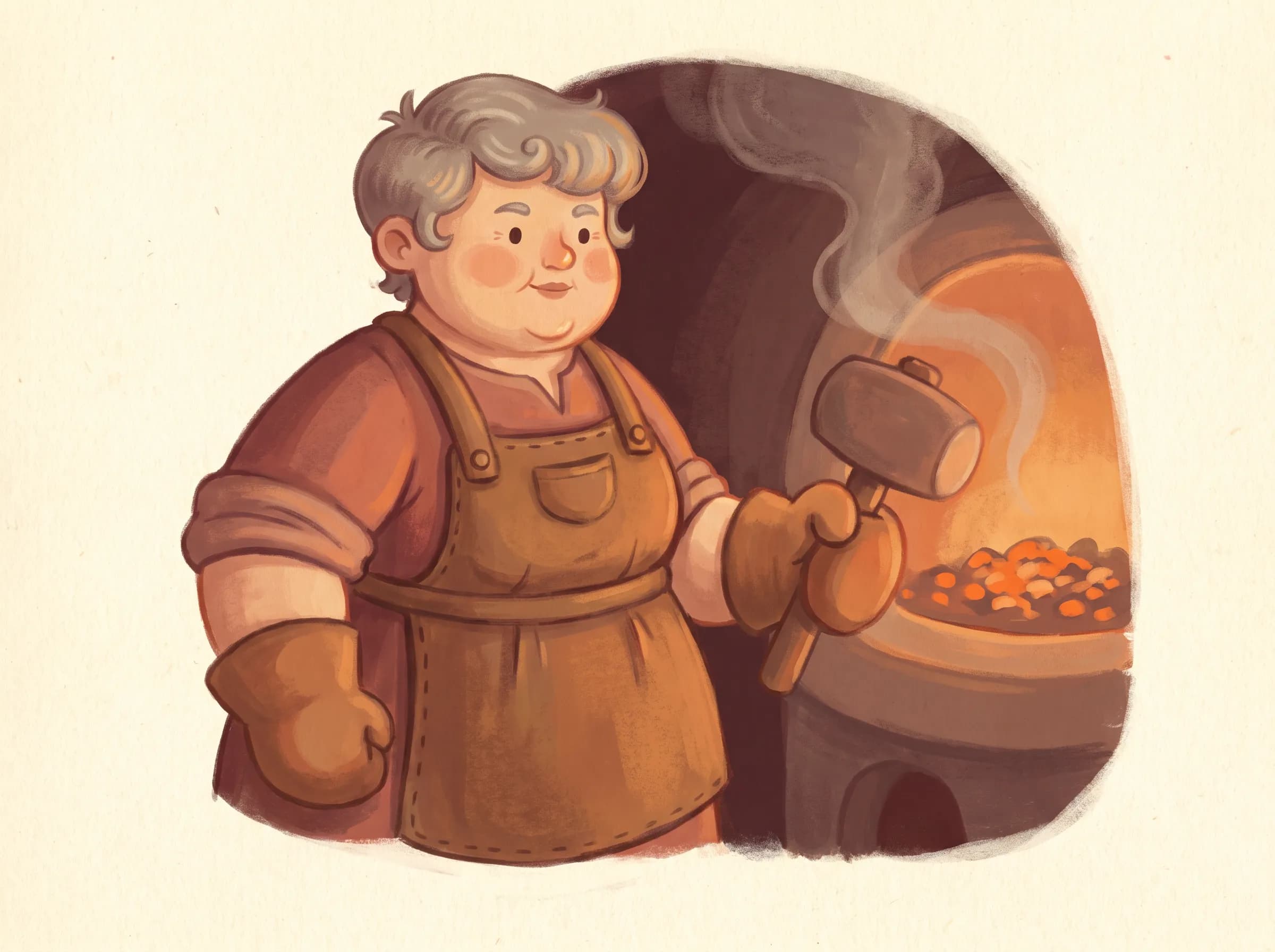
How to prompt for character art styles
Lead with proportion, since a number tends to steer a model better than an adjective. Realistic figures stand seven to eight heads tall and anime figures around five or six, while chibi shrinks the body to two to four heads, so write the head count into the prompt. Shape language comes next. A square torso on short legs reads sturdy, and a pear shape with round hands reads gentle. Rendering goes last, in plain craft terms like two-tone cel shading or loose gouache, then the medium and the light.
Between the poles sits exaggerated style, which keeps real human proportions but pushes them, with eyes a little larger than life or a limb stretched for emphasis. Reach for it when a client wants appeal and an unmistakably adult face together.
Three prompts to copy
- Chibi. Chibi vinyl figure of a broad-shouldered woman blacksmith in her fifties, two heads tall, oversized head with laugh lines and a short gray crop, stubby arms gripping a tiny hammer, leather apron, matte vinyl, studio photo on a sand-colored backdrop, no text
- Shape-driven. Character design sketch of a broad-shouldered blacksmith in her fifties built from a huge square torso on short tapered legs, small head, oversized forearms, short gray crop, leather apron, marker and colored pencil on toned paper, no text
- Realistic. Realistic character concept painting of a broad-shouldered blacksmith in her fifties, seven and a half heads tall, short gray crop, leather apron over rolled sleeves, hammer in hand, weathered skin, painterly brushwork, plain warm gray backdrop, full body, no text
What tends to go wrong
Age is the first casualty. Big-eyed styles tend to pull faces younger, so a woman in her fifties can come back looking twenty in the anime and chibi versions unless the prompt states her age plus a marker like laugh lines. Lighting causes the other mismatch, because soft photographic rim light can muddy a flat cel figure. Keep light flat and even for cel work and directional for paint.
Where character art styles work
Game teams lock the style early, since every sprite, portrait and store image has to match it. When the answer is pixel, one hero sprite is enough to start. The AI pixel art generator turns it into walk cycle frames and matching props held to the same palette and resolution.
Some characters start as a real person, such as a costumed performer or a founder who agreed to become the brand mascot. Turn Photo Into Cartoon takes that portrait and returns four versions, a 3D animated-feature render, a comic panel, a cel-shaded anime frame and a flat sticker, each still recognizable as the person. Four options side by side settle a style debate.
Choosing art styles for characters in an ensemble is partly a silhouette exercise. Fill each figure in solid black. If the cast still separates at a glance while sharing one proportion system, the style is doing its job.
Related styles
- Cartoon art styles, the cartoonish end, one tradition at a time
- Semi-realistic art style, close to the realistic pole
- Eye art styles, how each family draws the eyes
- Video game art styles, where a character sheet becomes sprites and models
- Animated art styles, the techniques that make a finished design move
FAQs
What are the character styles?
A character style is the consistent set of drawing decisions shared by a whole cast, so the leads and the supporting players look as if they live in one world. Repeated motifs help hold it together. A cast of animal characters, for instance, feels unified when each one's animal features carry into the body in the same way.
What are the different types of character art?
Clip Studio Paint's character art guide sorts them into seven types, namely cartoon, realistic, exaggerated, flat, anime, chibi and pixel. Flat is the one the gallery above leaves out, built from simple geometric shapes with block shading and bold color, and children's and editorial illustrators often pick it for that approachable look.
What are some popular styles of character art?
Cartoon, realistic, anime and chibi are four from that same list, which the guide files under popular styles. Cartoon can turn an inanimate object into a relatable character, a natural fit for comedy. Realistic designs belong in grounded or historical settings and nonfiction books. Chibi puts the eyes across most of the face and is made for humorous comics.



