
Eye Art Styles Compared on One Pair of Eyes
 FLORA
FLORA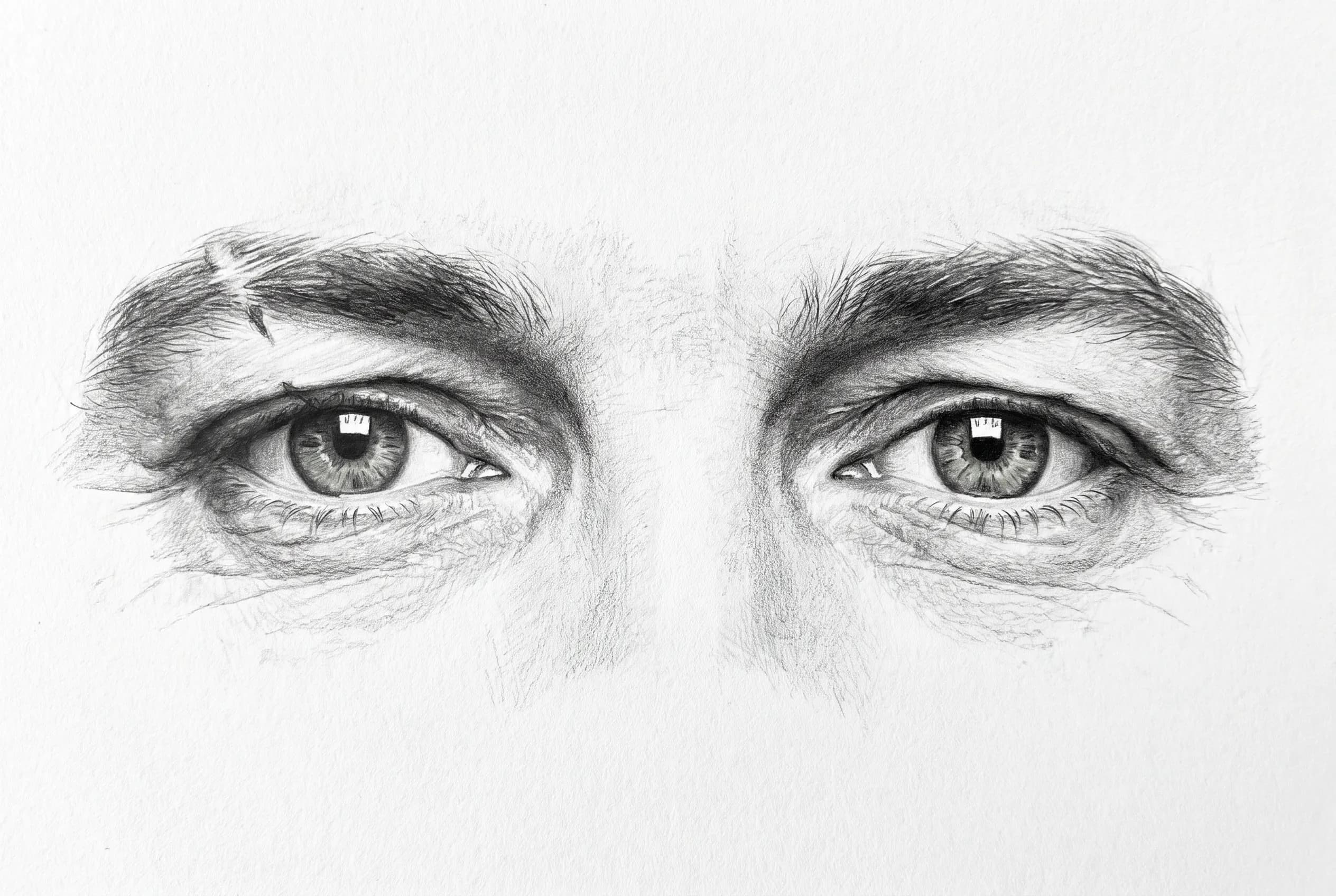
Eye art styles are the rules an artist follows when drawing eyes. A pencil study can record every crease and wet reflection, while a cartoon may shrink the whole eye to a dot. Many named formulas come from animation studios and manga artists, and the phrase itself mostly lives on Pinterest reference boards and in drawing tutorials. Compare any two and four traits change. Iris size sets the mood, and highlights can be a single window-shaped glint or a cluster of white shapes. Lids keep their thickness or collapse into one line, while lashes show up as separate hairs or a solid black band. Every image here came from FLORA's AI image generator.
Eye art styles examples made in FLORA
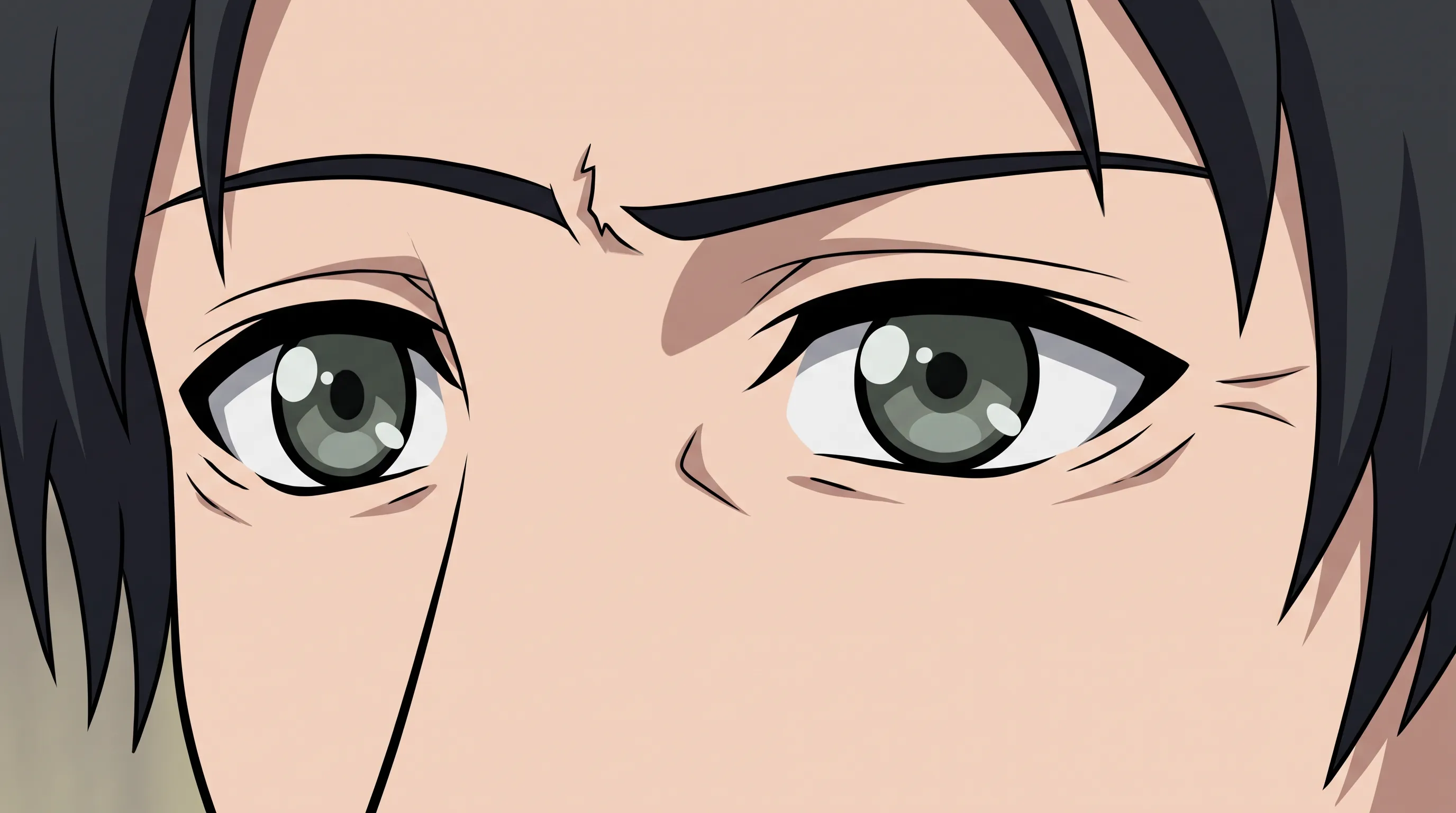
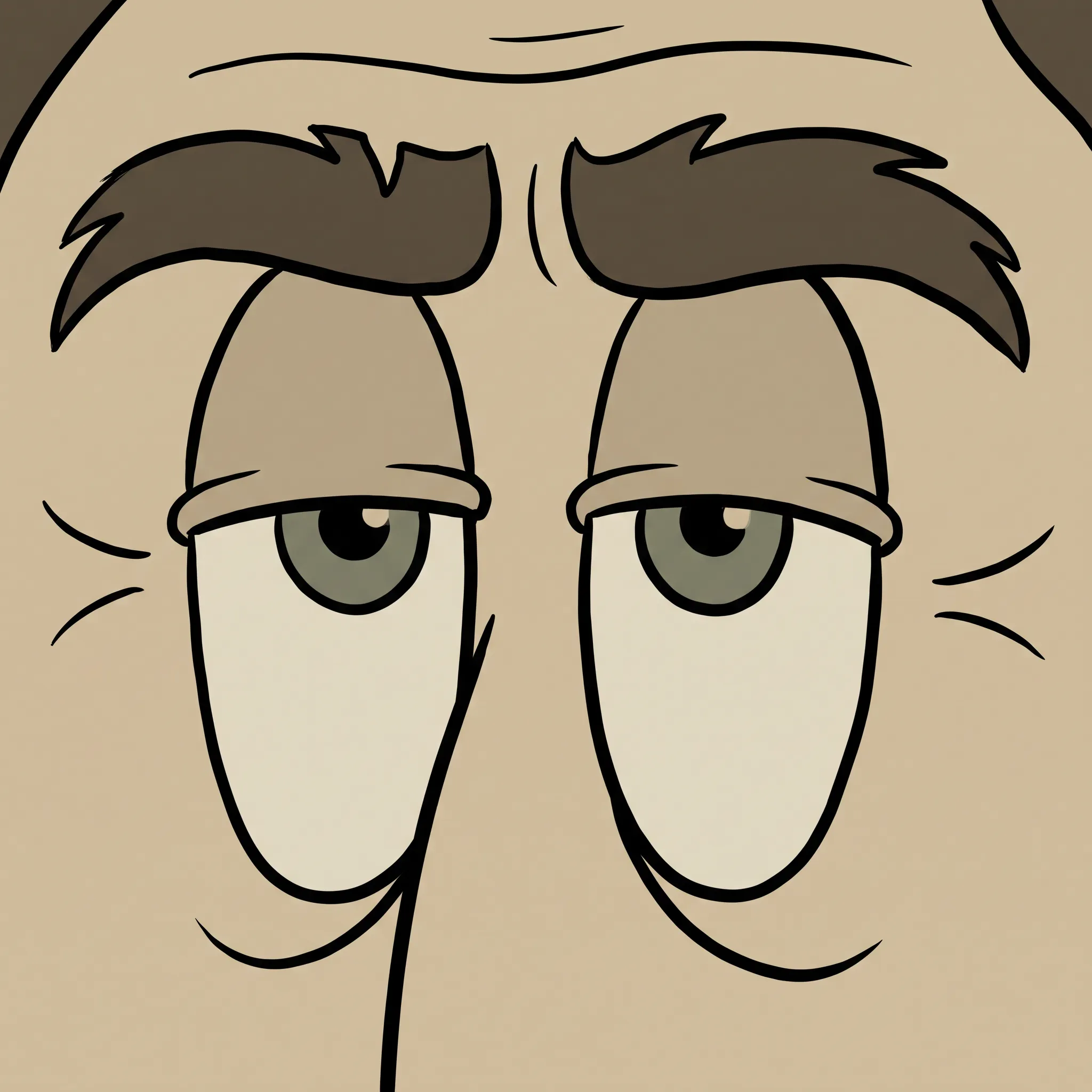
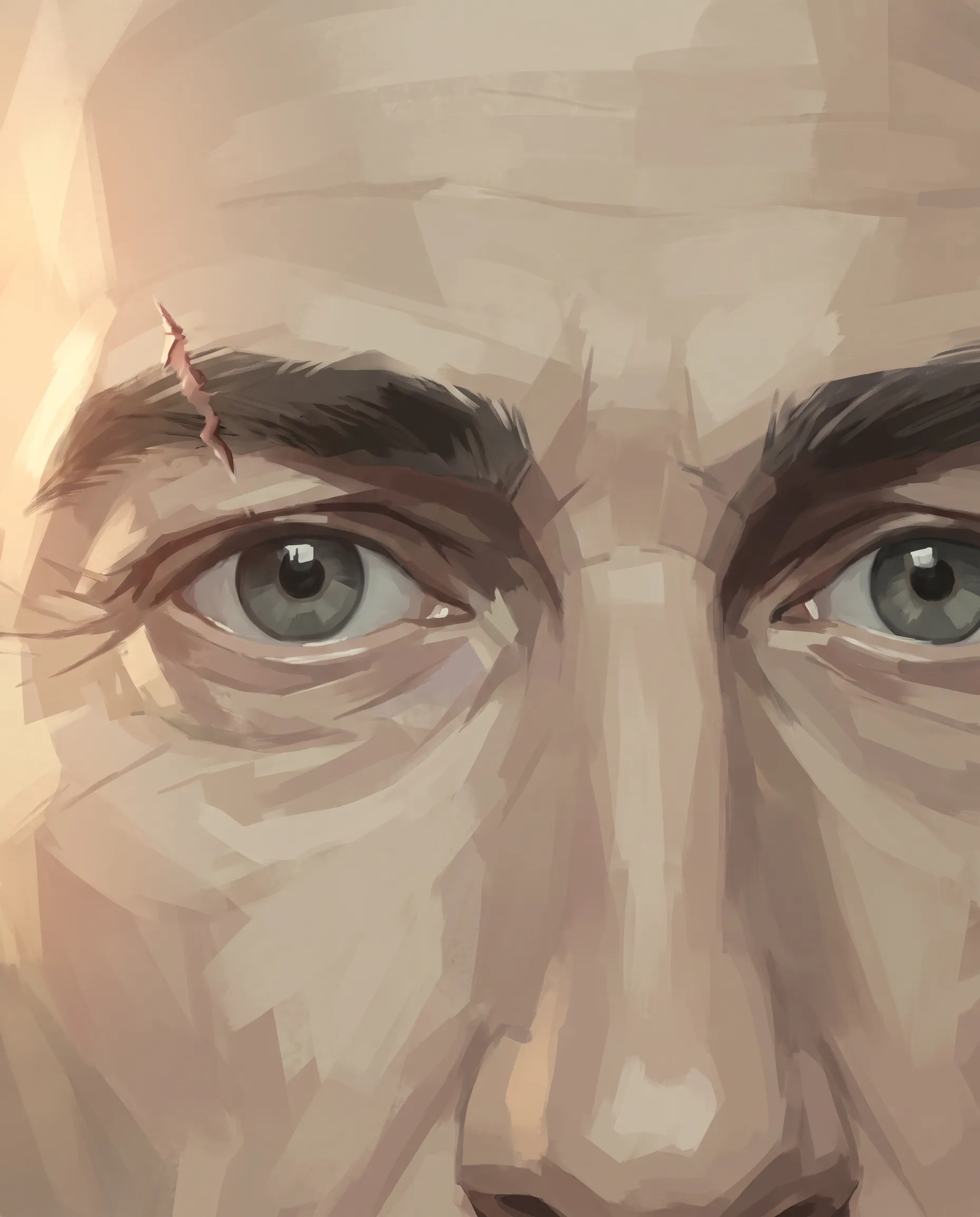
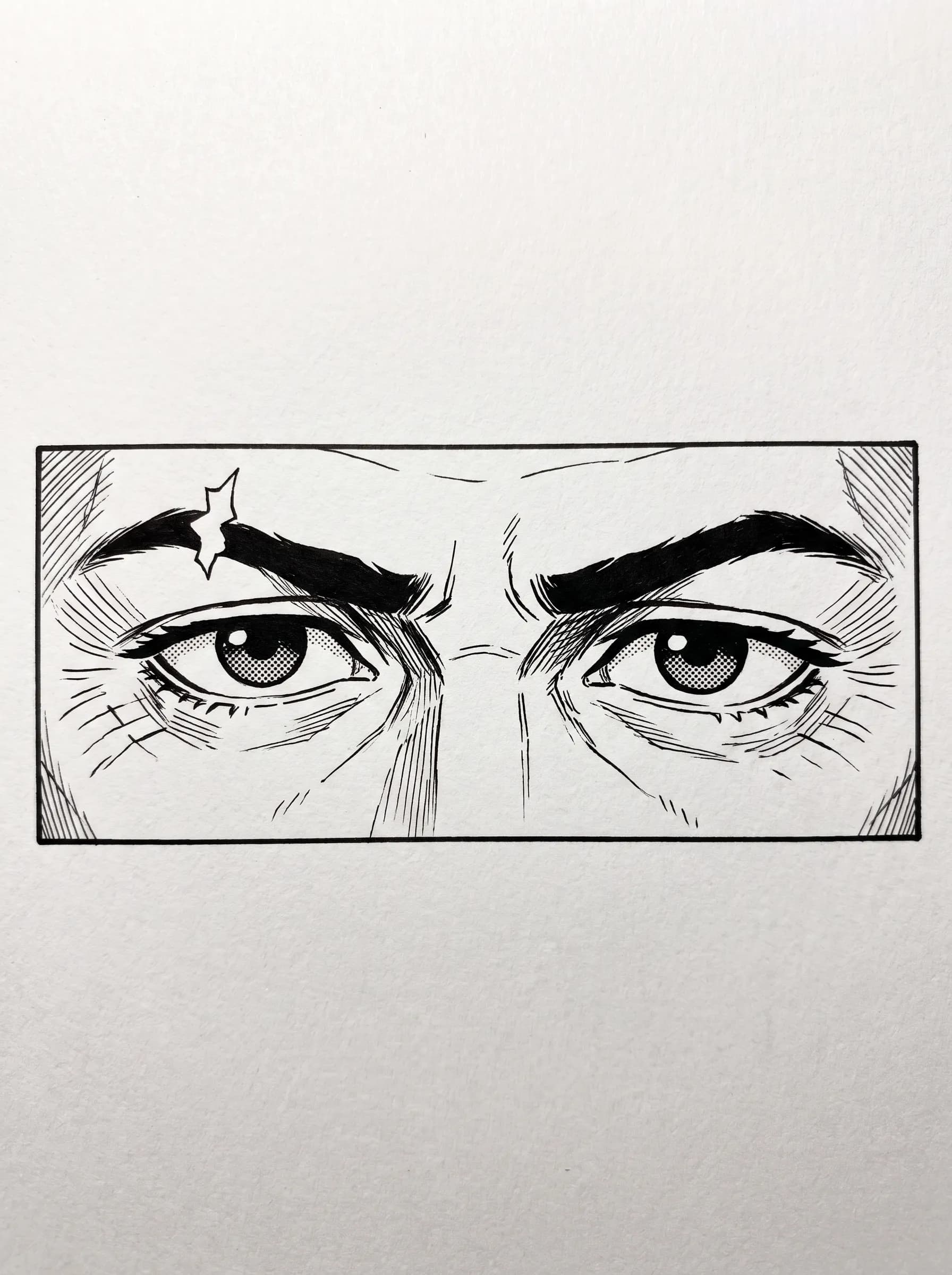
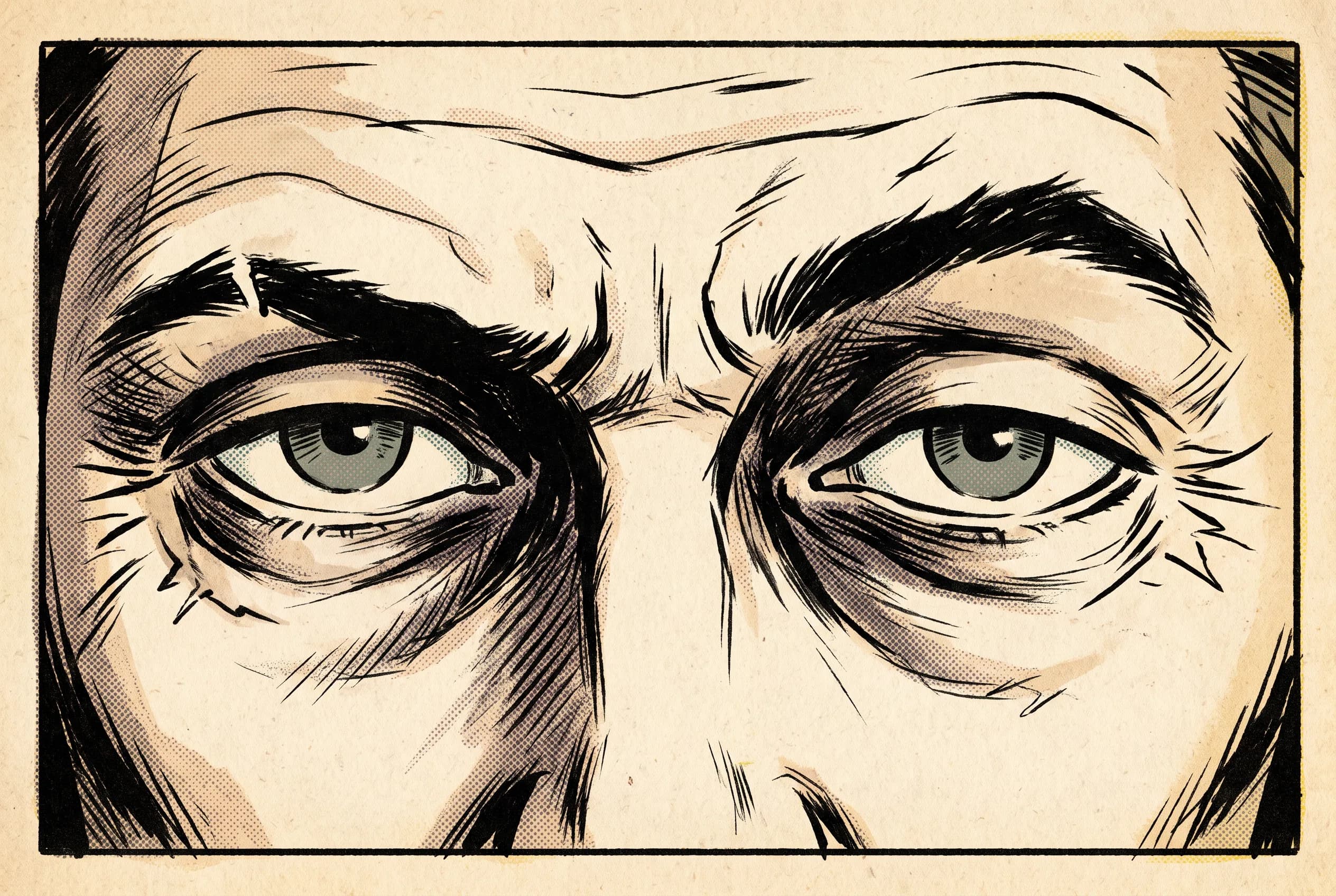
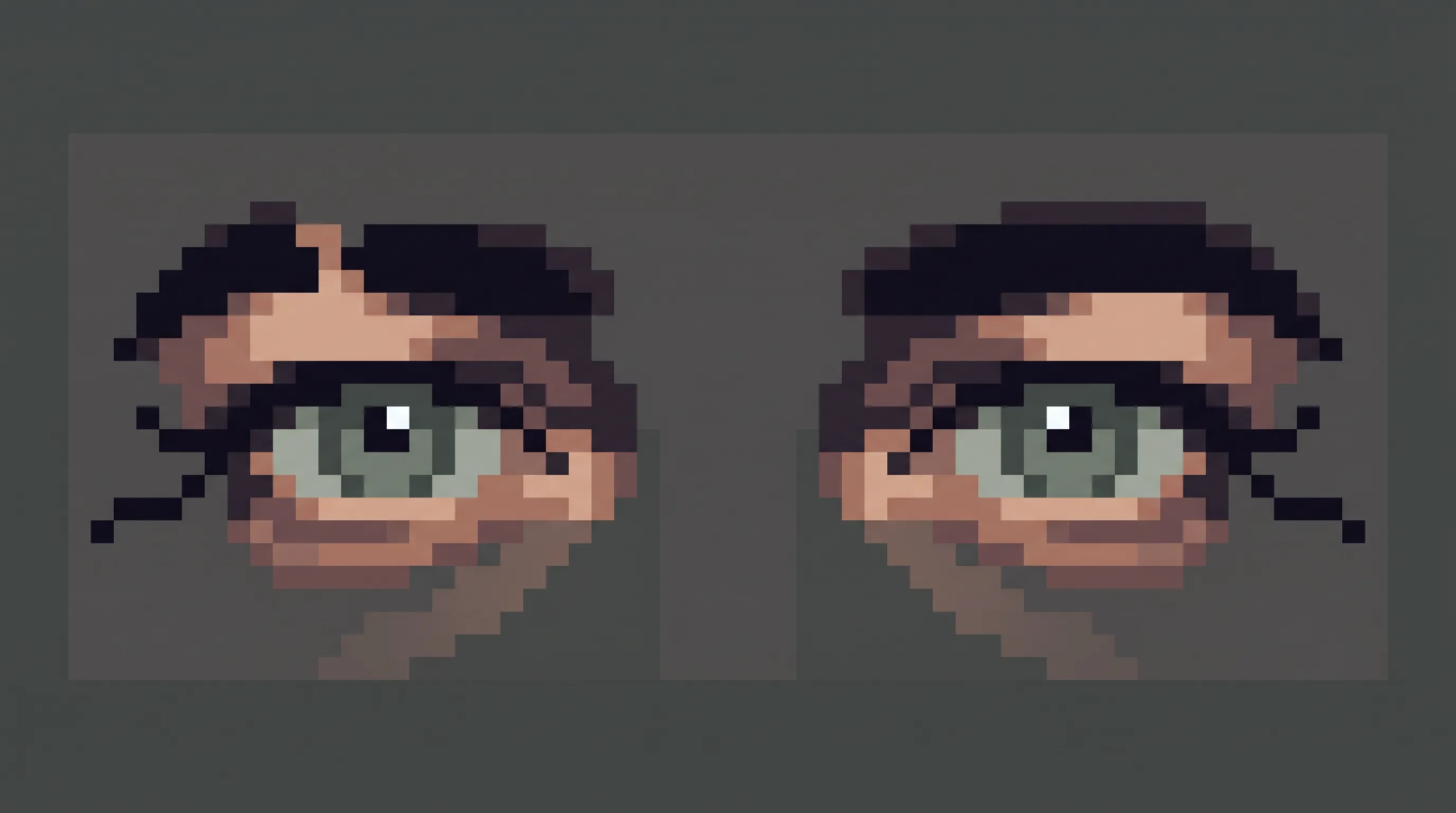
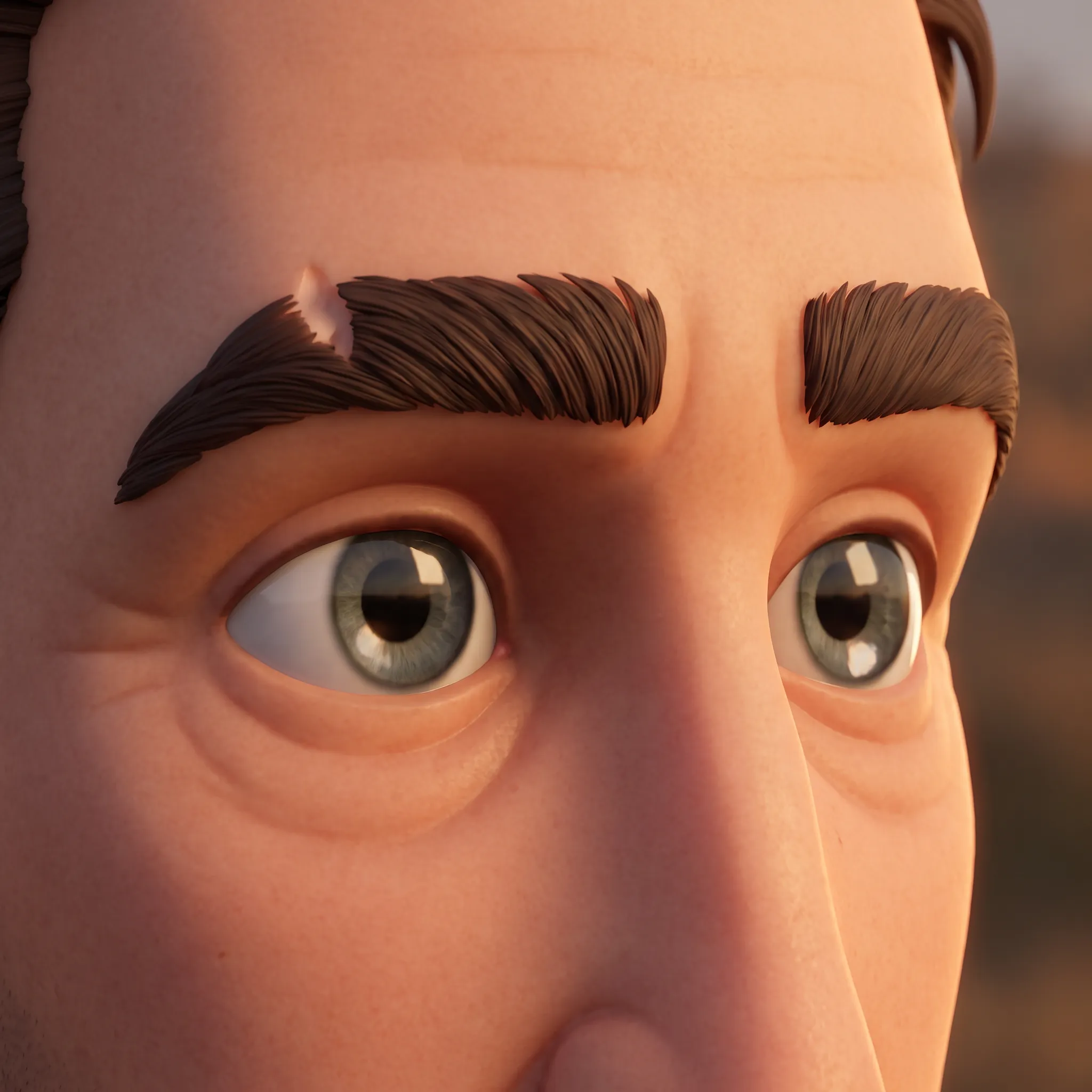
Age tends to vanish when an eye gets stylized, so all eight pictures keep the same invented man in his forties, with gray-green irises, crow's feet and a small nick through his left eyebrow. The prompt that made each picture is printed under it.
How to prompt for eye art styles
Frame the crop first. Say whether you want one eye or the pair and how much brow to include, since a tight crop leaves the model fewer places to fudge the style. Name the sub-style, then describe the iris by color and by how much of the opening it fills. Highlights deserve a clause of their own with a count and a shape. Lids and lashes follow, with medium and light last. Age cues such as crow's feet or a heavy upper lid belong in every version, because stylized eyes often drift younger.
In cartoon formulas a dot eye can stand for the whole eye, the iris or only the pupil, and overlapping bubble eyes suggest volume, sometimes to the point of looking like they bulge out of the head.
Three styles to start with
- Realistic study. Realistic graphite pencil study of the eyes of a man in his forties, gray-green irises with a dark limbal ring, crow's feet, a small nick through the left eyebrow, thick upper lids casting a soft shadow, one window-shaped catchlight per eye, white paper, no text
- Anime. Anime style close-up of the eyes of a man in his forties, enlarged gray-green irises, upper lash line as one thick black stroke, lower lid reduced to a short line, crow's feet as two fine lines, a nick in the left eyebrow, two highlights per iris, flat cel shading, no text
- Classic cartoon. Classic hand-inked cartoon eyes of a man in his forties, tall egg-shaped eyeballs set close together, gray-green irises, thick upper lids wrapping around each eyeball, bushy brows with a nick in the left one, crow's feet as single curved lines, flat colors, no text
Where the eyes go wrong
Mismatched eyes are a common failure, with one iris looking left while the other stares ahead, or a glint in a different spot on each eye. A highlight reflects the light source, round for a lamp and square for a window, so ask for one light and the same glint in both eyes. Anime and 3D prompts also often smooth away crow's feet and add long lashes until a forty-year-old reads as a teenager, and repeating the age cue near the end often helps.
Where eye art styles work
Team pages and brand avatars are a good place to compare eye styles, since seeing one face drawn several ways tells a brand which look suits it before anyone commits to a direction. Turn Photo Into Cartoon returns four cartoon versions of one uploaded portrait, each in a different art style and still recognizable as the person.
For a drawing course, the photo-to-drawing guide turns one photo, such as a close-up of a model's eye, into a step-by-step page with sketch-style lines that students can follow toward the stylized versions above.
Related styles
- Semi realistic art style, real anatomy with a simplified surface
- Cartoon art styles, whole characters built on the simpler eye formulas
- Comic art styles, eyes shaded with hatching and spotted blacks
- Drawing art styles, contour and hatching for the realistic end
- Pixel art styles, where an eye might be four squares
FAQs
What's the best way to draw eyes?
Start from a sphere. The lids hinge from pivot points on that ball, set low enough that the opening never splits it evenly in half, and they have real thickness, so the upper lid casts a thin shadow across the white. Lashes behave like one ribbon turning with the lid, and drawing them hair by hair is best avoided.
What are phoenix eyes?
The name comes from the Chinese fengyan, a word for a long almond-shaped eye that dips at the inner corner and rises at the outer one the way a phoenix's eye is pictured, so a drawn version needs a narrow opening with the outer corner set clearly higher than the inner.
How do I know my eye shape type?
Beauty guides usually name six shapes, monolid, round, almond, downturned, upturned and hooded, and the crease is the first check. No visible crease points to a monolid, and a crease hidden under a fold of skin means hooded. For the rest, picture a straight line through both corners, with outer corners above it reading as upturned and below it as downturned. Hooding sometimes develops with age, a detail worth keeping on older faces.



