
Comic Art Styles, Told Apart by Their Line Work
 FLORA
FLORA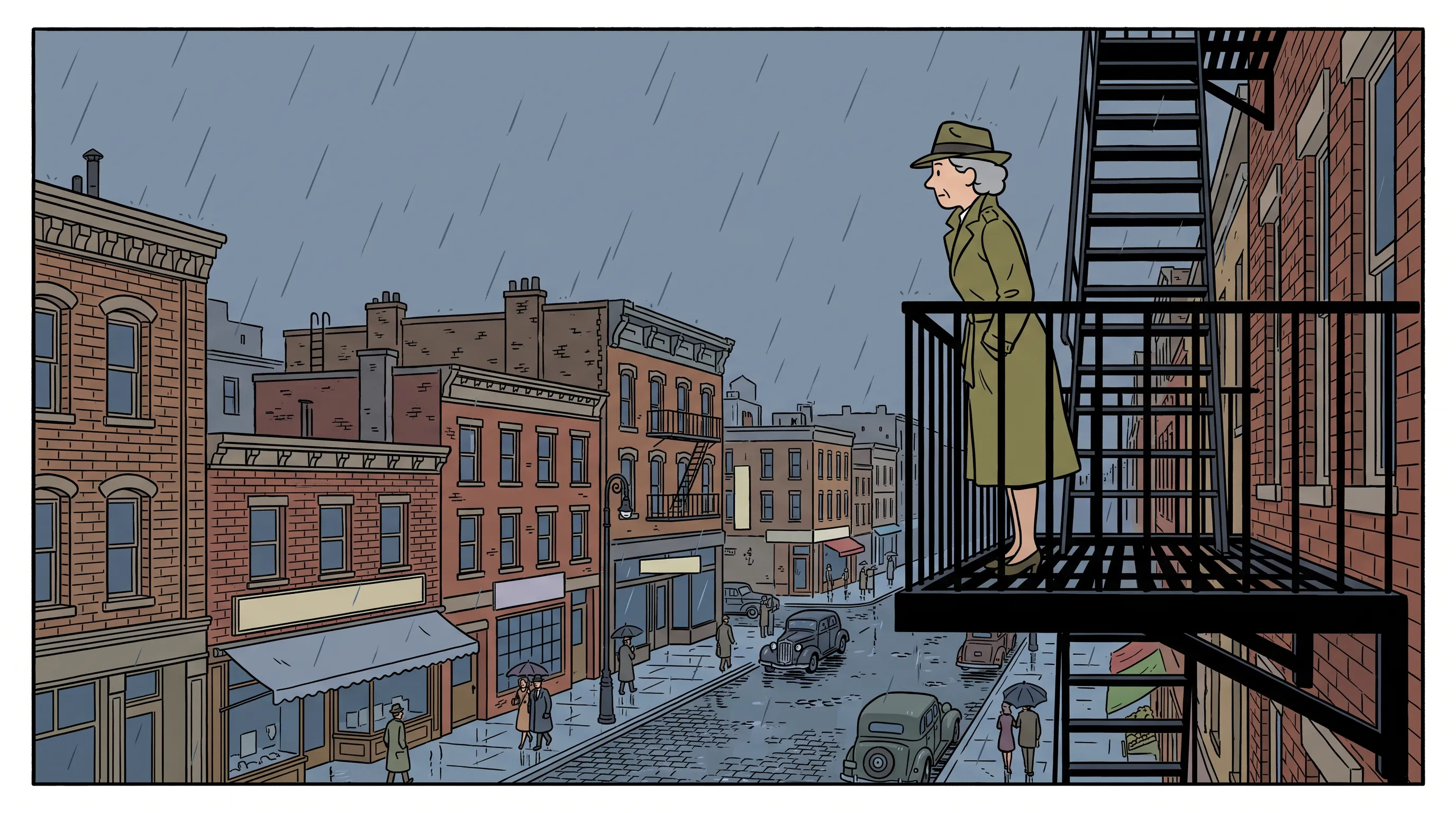
Comic art styles are the drawing traditions built around stories told in sequential panels. The word comes from the funny pages of late-19th and early-20th century newspapers, though the big styles are regional, with American comic books, French albums and Japanese manga each settling on a look of their own. On the page, the quickest way to tell them apart is the ink. Some keep a clean, steady outline around everything, some build shadow out of crosshatching or big shapes of solid black, and manga often swaps color for gray screentone.
Comic art styles examples made in FLORA
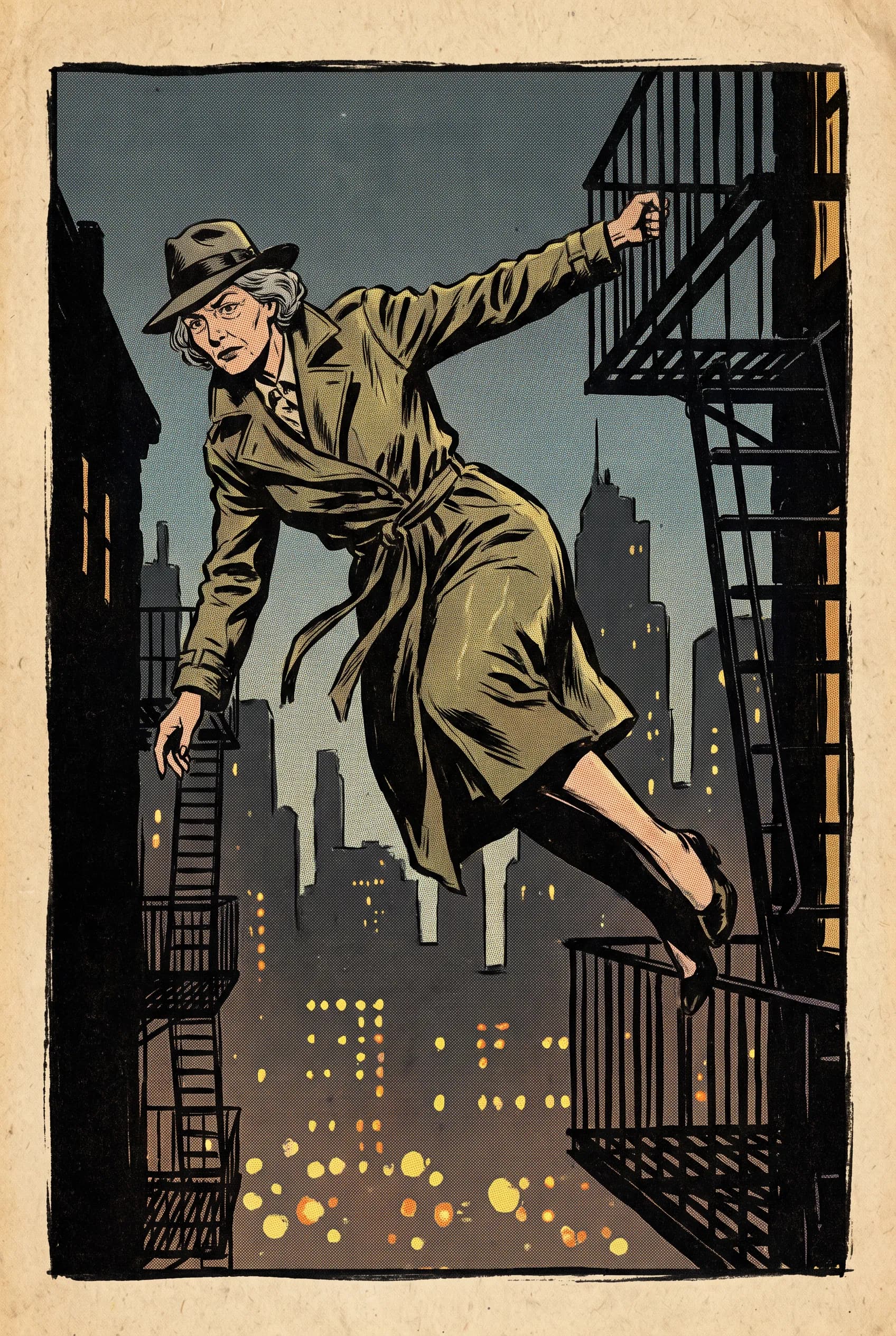
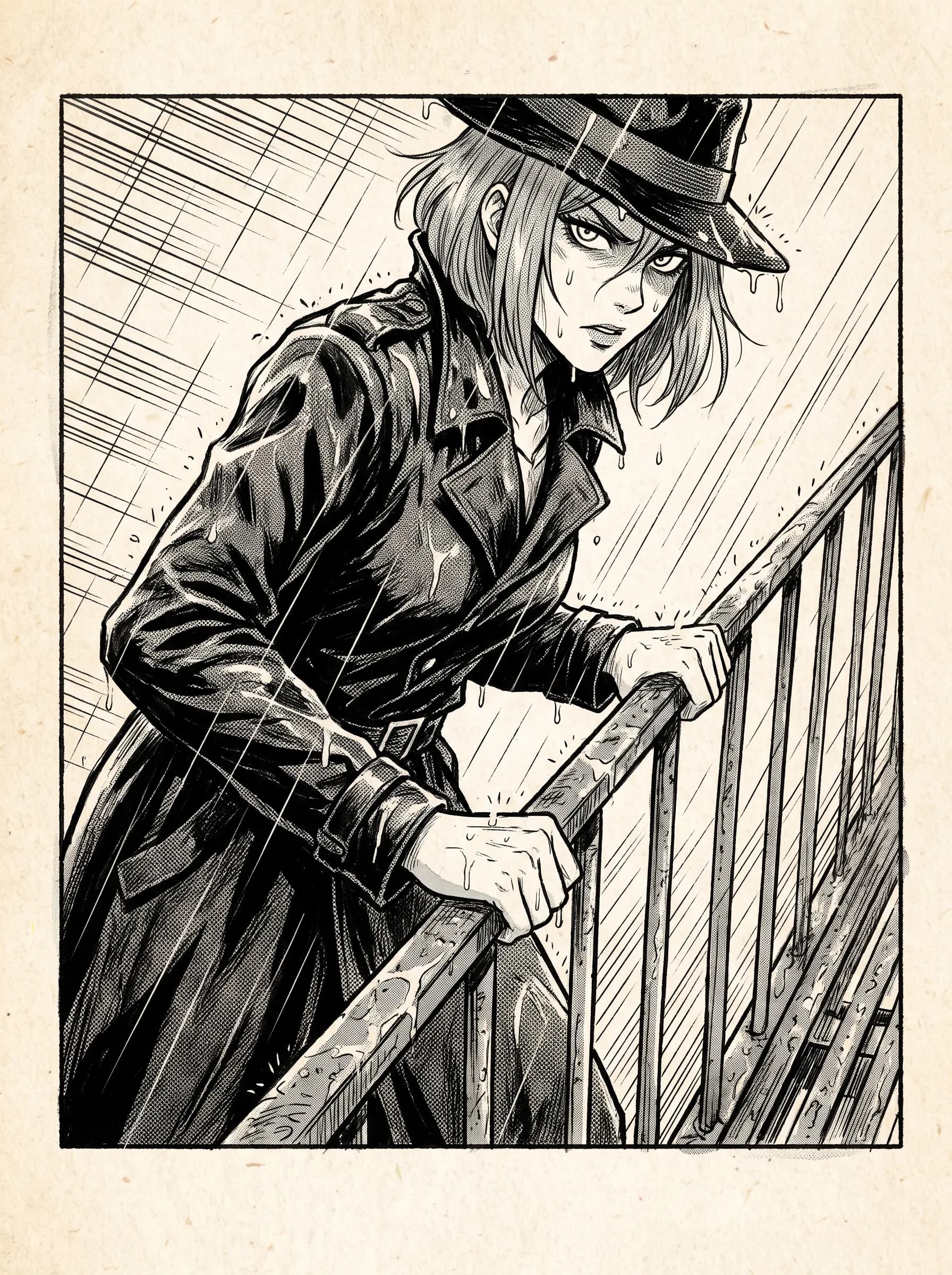
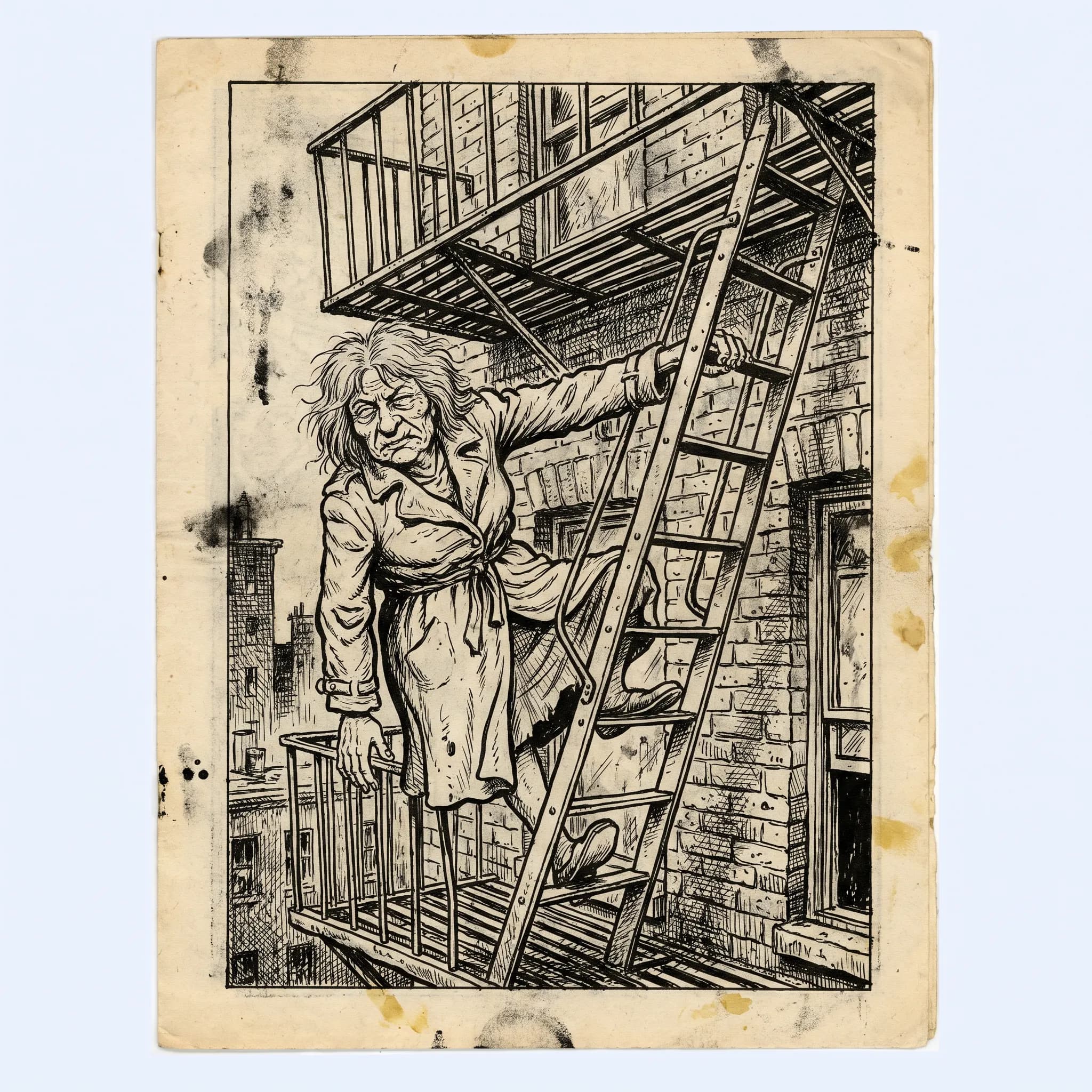
One original character, a gray-haired detective on a rain-slick fire escape, goes through eight traditions below in FLORA's AI image generator, so the ink is what changes. Read them as eight different comic book art styles, each captioned with its prompt.
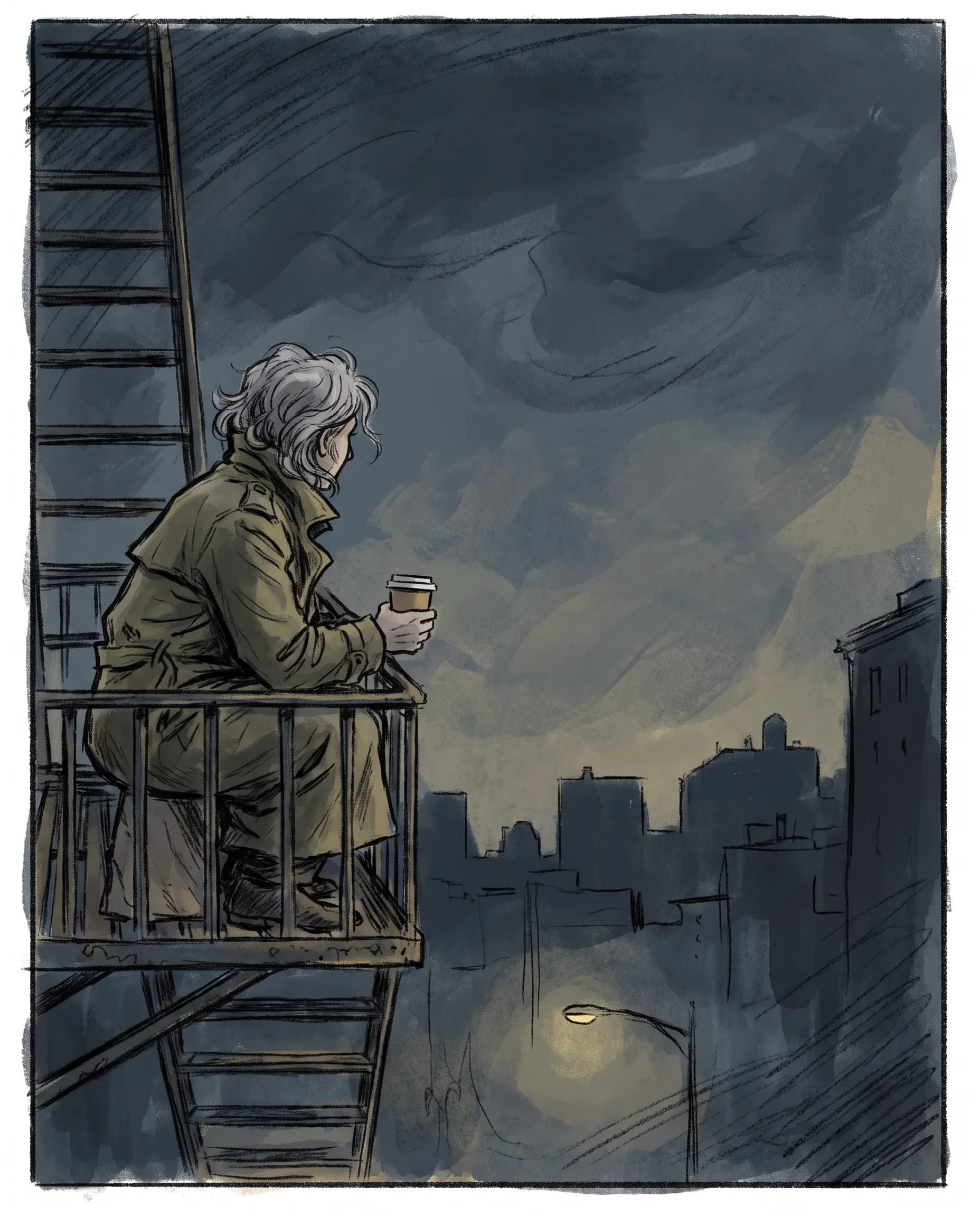
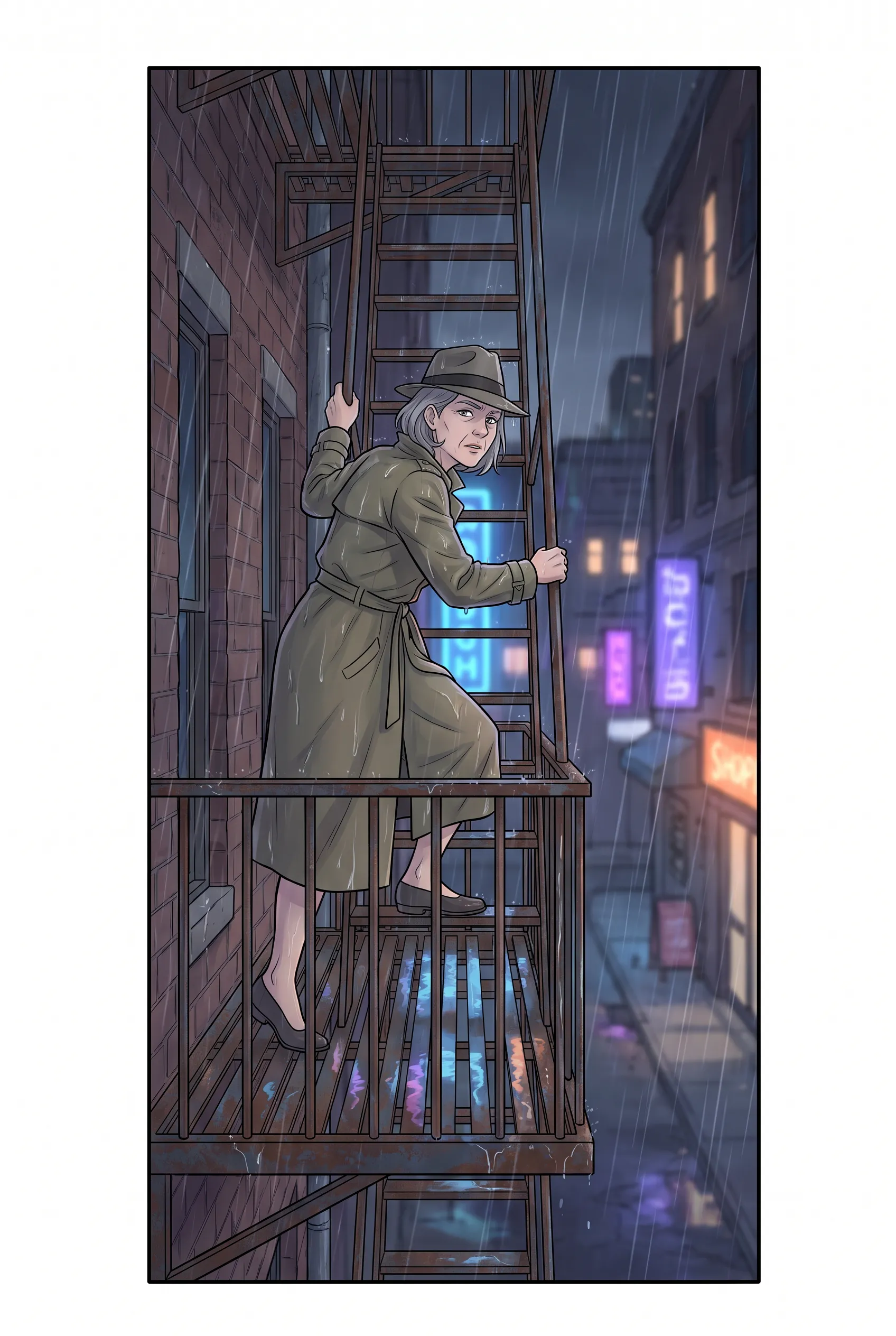
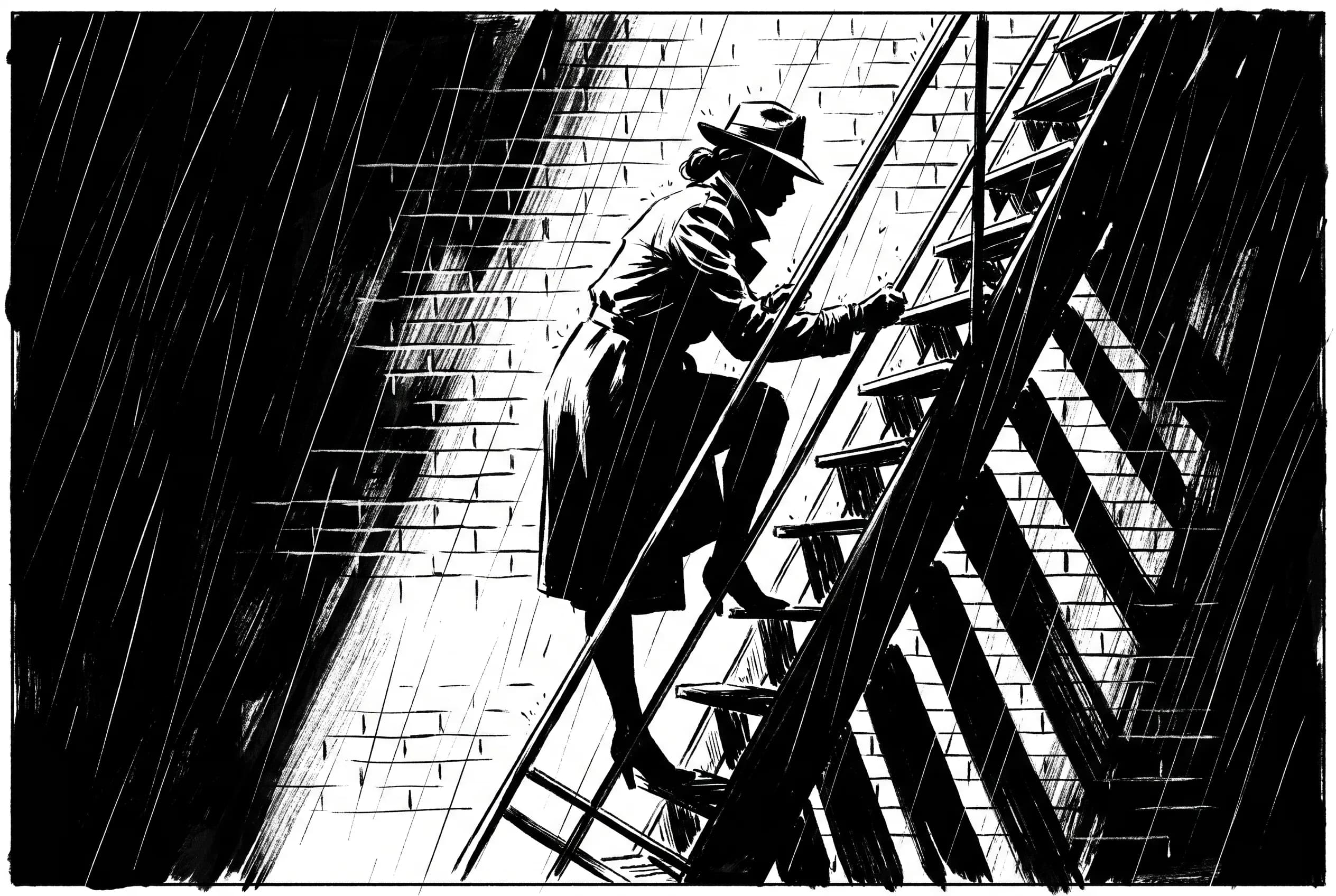
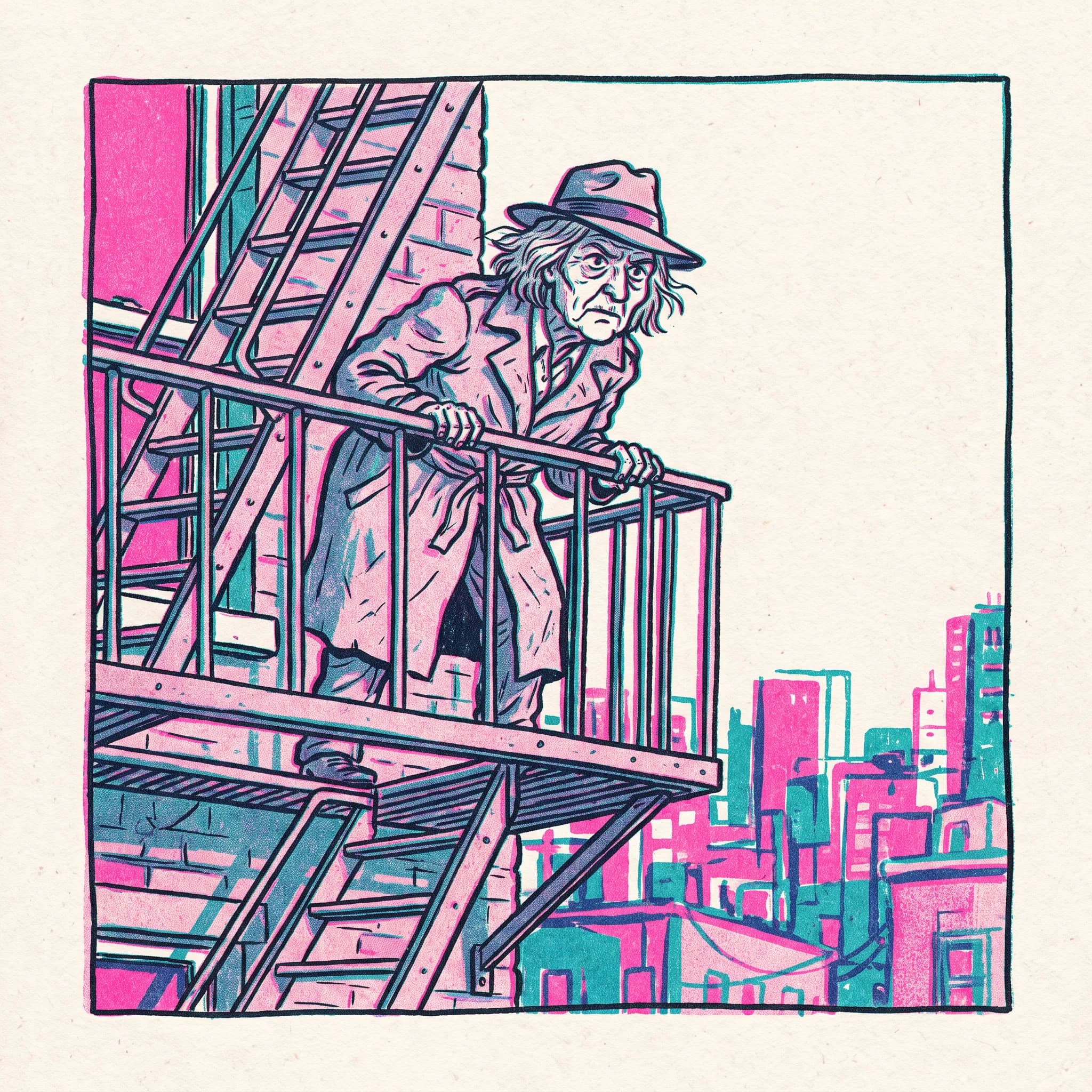
How to prompt for comic art styles
Name the tradition first and then its ink, since that is where these looks part ways. A superhero panel wants bold brush outlines with heavy spot blacks. Clear line asks for clean, steady outlines and no hatching at all, filled with flat color. Manga usually stays black and white and builds its grays from screentone. For underground comix, the 1960s scene that included R. Crumb, ask for dense crosshatching and rubbery anatomy. Then set the panel shape, because a tall webtoon frame and a wide album panel compose differently.
Graphic novel art styles are harder to pin down, since the label says little about style and is arguably a marketing term for book-length comics. Describe a mood instead, such as a muted two-tone wash and quiet panels. Ligne claire is easier. Hergé, the Belgian creator of The Adventures of Tintin, pioneered it, and the Dutch artist Joost Swarte named it in 1977. It often pairs a cartoonish figure with a realistic, detailed background, so put both halves in the prompt.
Three prompts to copy
- Superhero. Classic American superhero comic panel of a gray-haired woman detective in an olive trench coat leaping between fire escapes at night, no cape or costume, bold brush inks, heavy spot blacks, dramatic foreshortening, flat four-color printing with dot shading on newsprint, no text
- Clear line. Ligne claire comic panel of a gray-haired woman detective in an olive trench coat standing on a fire escape above a detailed rainy city street with blank unlettered shop signs, clean steady outlines, no hatching, flat bright colors, simplified figure against realistic architecture, wide album panel, no text
- Manga. Black and white manga panel of a gray-haired woman detective in an olive trench coat gripping a fire escape rail in the rain, gray screentone shading, speed lines behind her, sharp expressive eyes, fine pen linework, printed page texture, no text
What tends to go wrong
Style and genre get tangled. Ask for a superhero art style and a model may give your detective a cape, which is why the first prompt spells out no cape or costume. Manga prompts can drift into glossy full-color anime, and asking for a printed black and white page usually pulls them back. Clear line tends to lose its discipline as hatching creeps in, so repeat no hatching and keep the background detailed.
Where comic art styles work
Settle the look on one test panel, then hand that image to Storyboard Maker, which returns nine cohesive storyboard frames from it, enough to rough out a nine-panel page or the beats of a short ad.
Branded comics are nothing new. Comic books started out in 1933 as free premiums that advertisers handed out. A short comic still lets a reader take in a product story at their own pace. Clear line suits this work because it keeps product details legible.
If you shoot your own pose reference, Photo Wireframe turns each photo into a line drawing that keeps the contours and drops color and shading, which leaves a clean base to ink over.
Related styles
- Pop art style, a movement that took comic books as one of its sources
- Japanese art styles looks at manga next to Japan's older visual traditions
- Rubber hose art style, the 1920s animation look that drew in newspaper cartoonists
- Cartoon art styles, where the drawings are made to move
FAQs
What is the comic art style called?
It has no single name, though Will Eisner called the medium sequential art in his 1985 book Comics and Sequential Art. Particular looks carry their own labels, such as ligne claire or manga.
Are comics considered art?
Yes. Readers in continental Europe and Japan already treat comics as literature and as art, so the question hardly comes up there. The French term, bande dessinée, translates as drawn strips. By the 1970s scholars were writing about comics as well, and they ranked R. Crumb with the early strip artists Winsor McCay and George Herriman.
What art style is Marvel?
Usually the person asking means the mainstream American superhero look, muscular and heavily foreshortened, with deep blacks under bright flat color. In the 1930s, US comic books mixed action, crime and fantasy until the superhero came out of the blend and became the market's leading genre. Describe the traits in your prompt and leave the publisher out.



