
Pop Art Style, Broken Down for Image Prompts
 FLORA
FLORA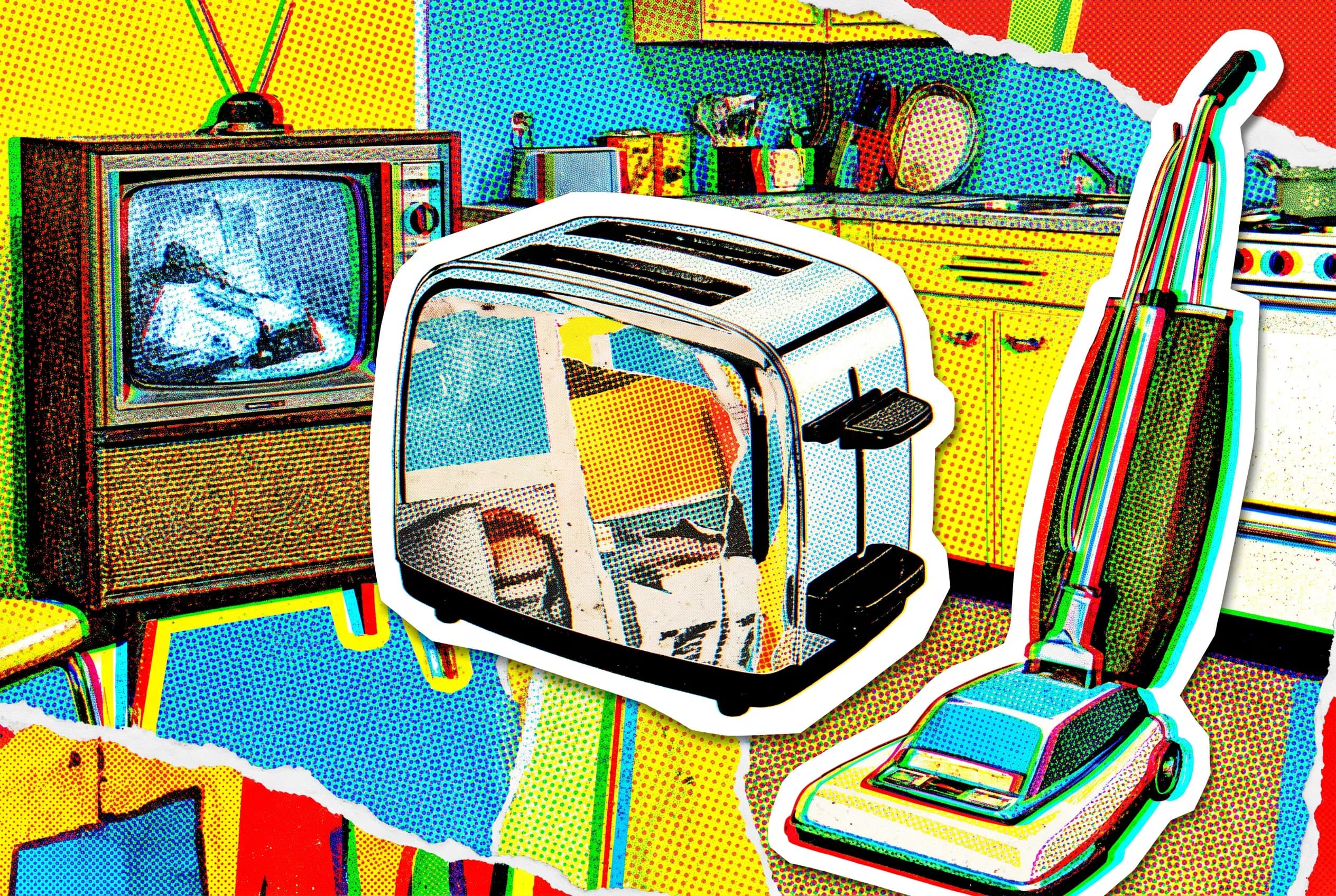
Pop art style turns the stuff of shop shelves and cinema screens into art. It surfaced in Britain in the mid 1950s and in America in the late 1950s, then peaked in the 1960s, when young artists decided that art school and museums had little to do with their lives and took their imagery from Hollywood movies, advertising, product packaging, pop music and comic books. In the American version the forms are hard-edged and distinct, the subjects are mundane on purpose, and the painter's personal touch drops out. The British version was more academic, using irony and parody to question what American popular imagery stood for. One shiny chrome toaster stars in all eight images below, each made in FLORA's AI image generator.
Pop art style examples made in FLORA
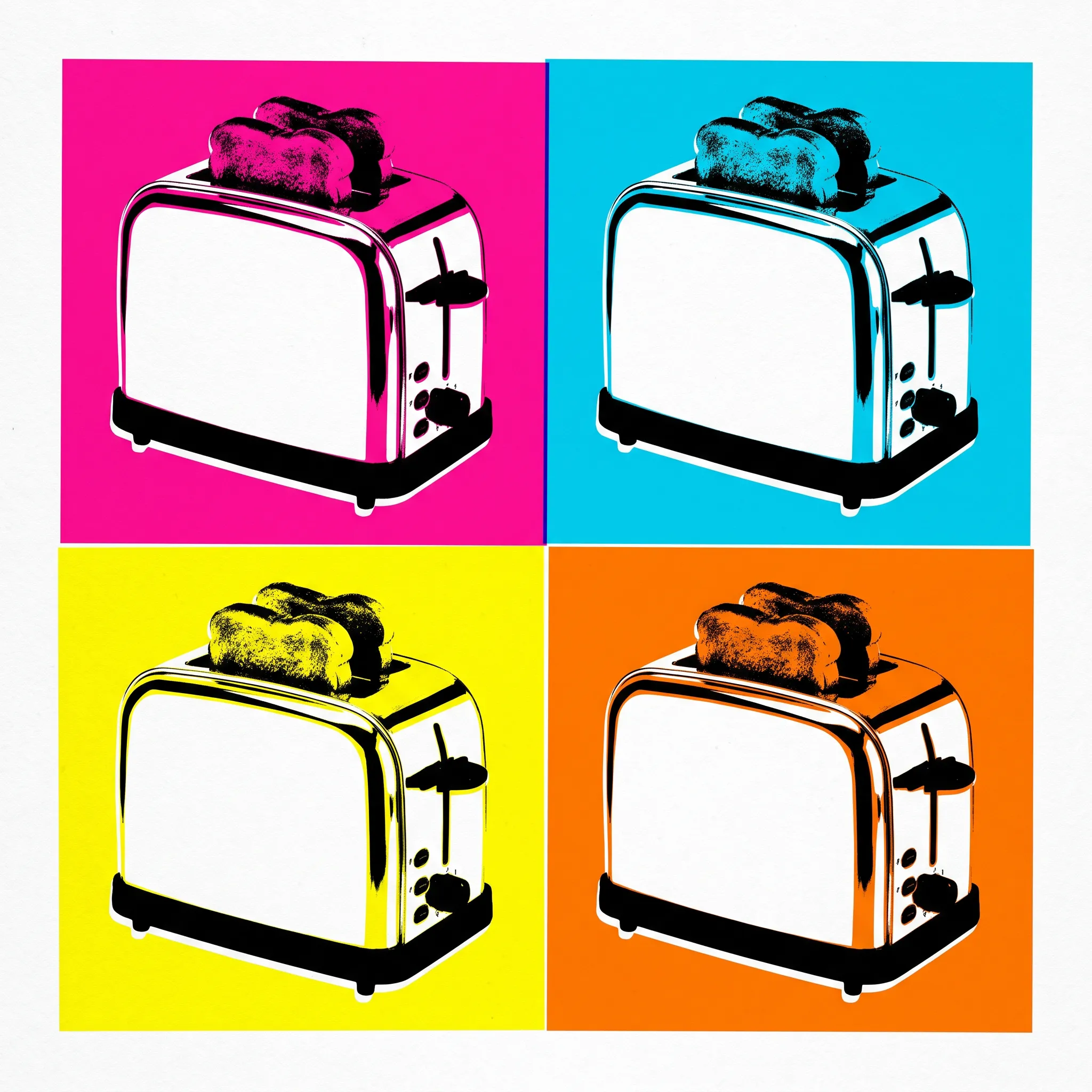
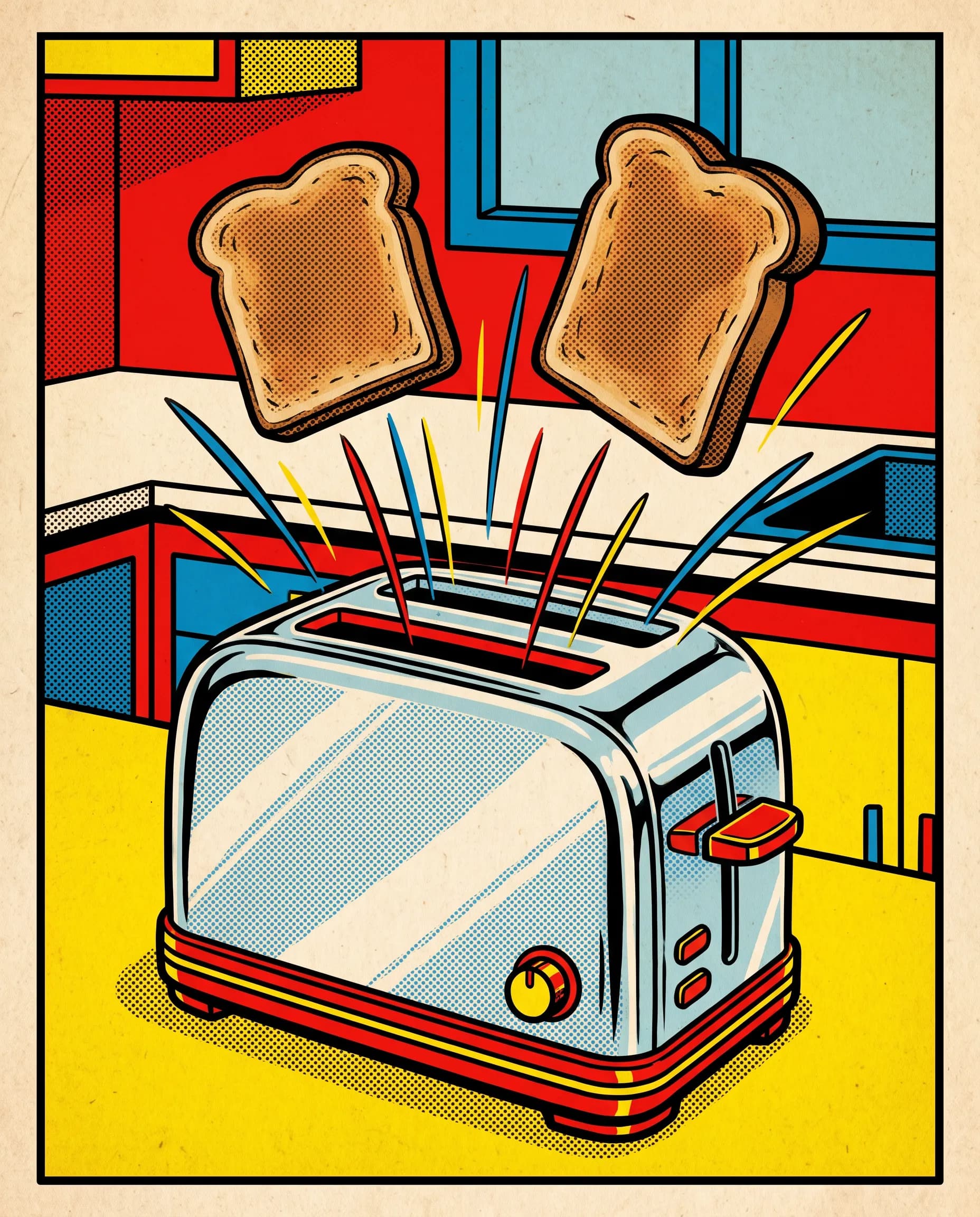
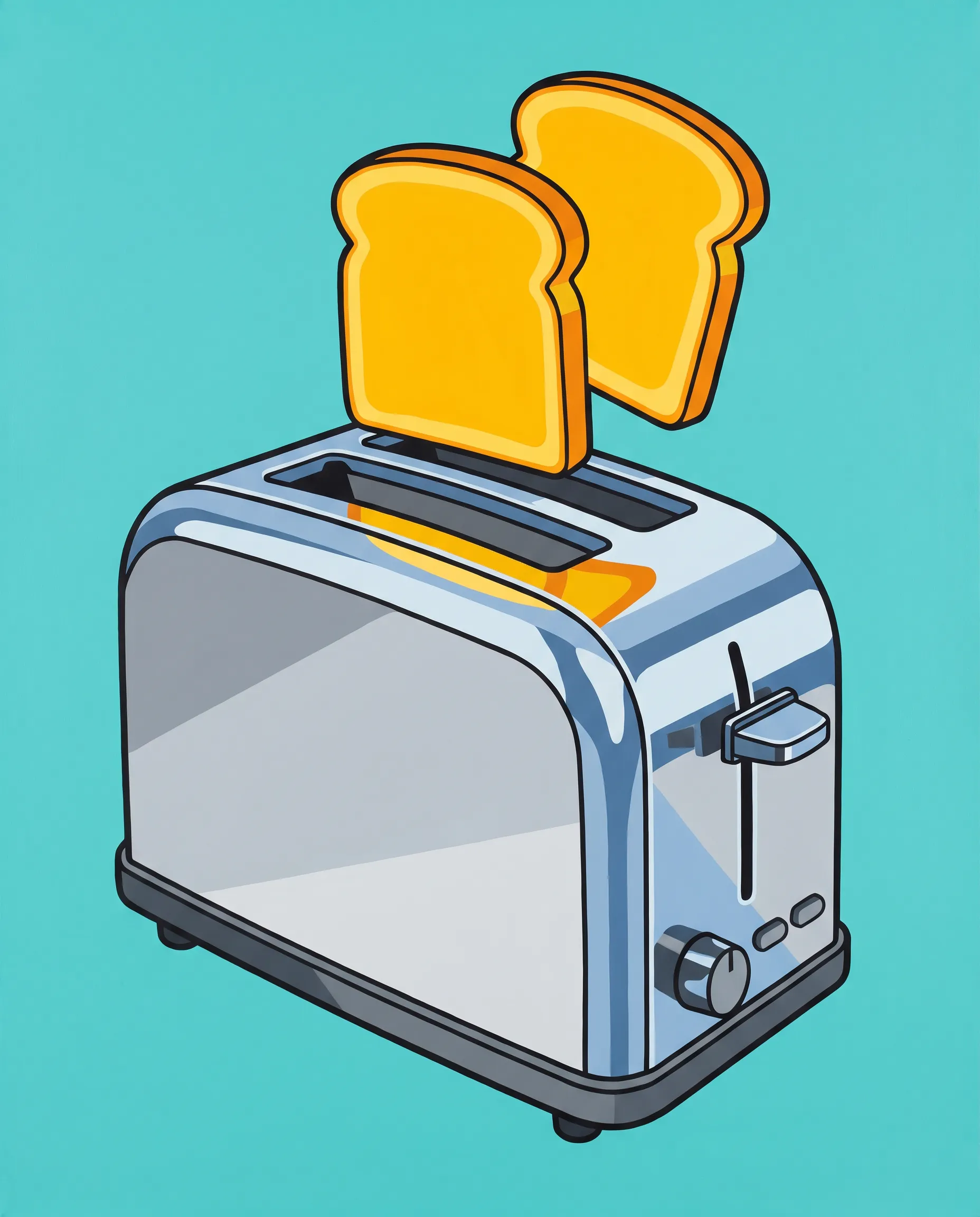
Every frame holds the same chrome toaster, and each caption is the prompt that produced it.
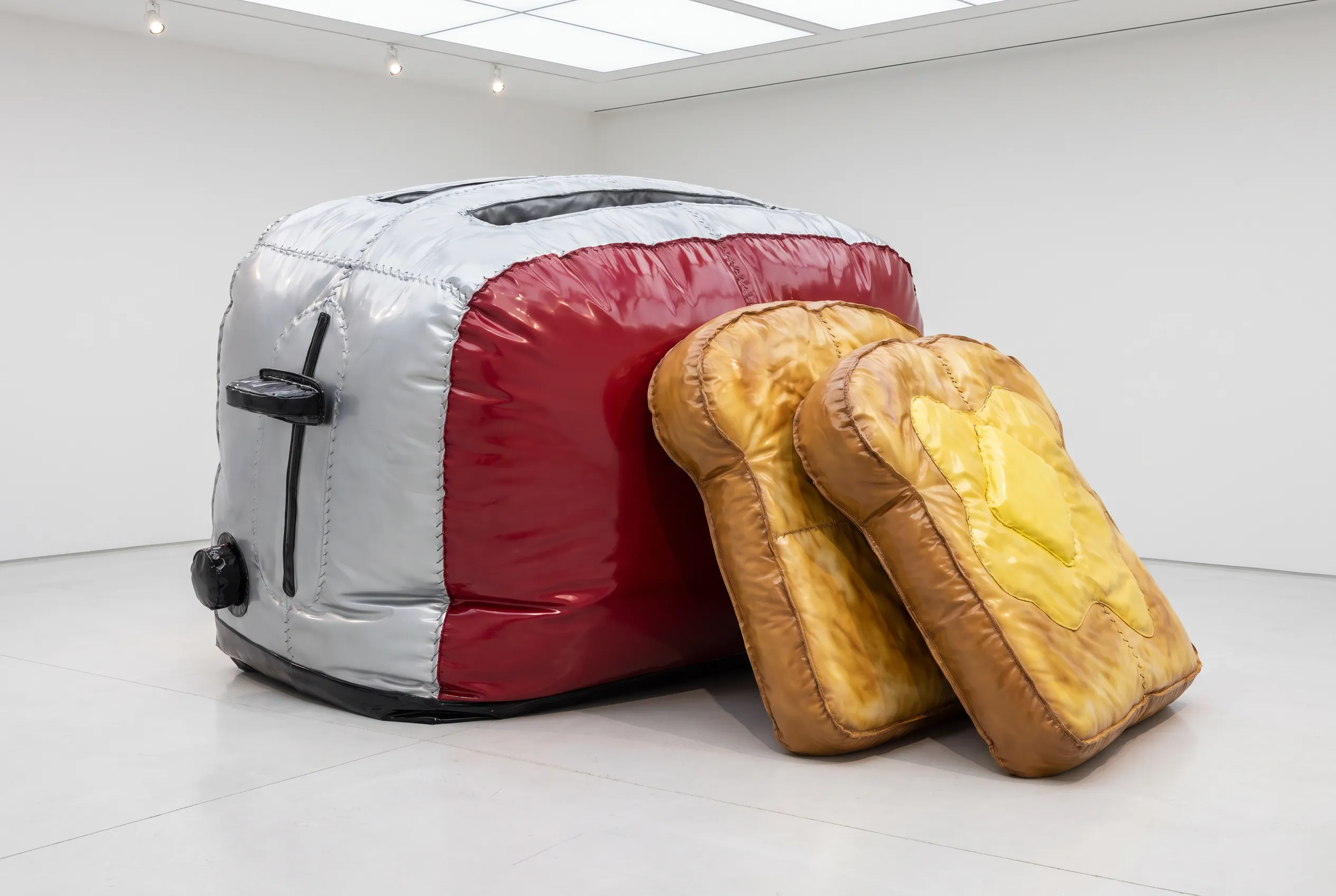
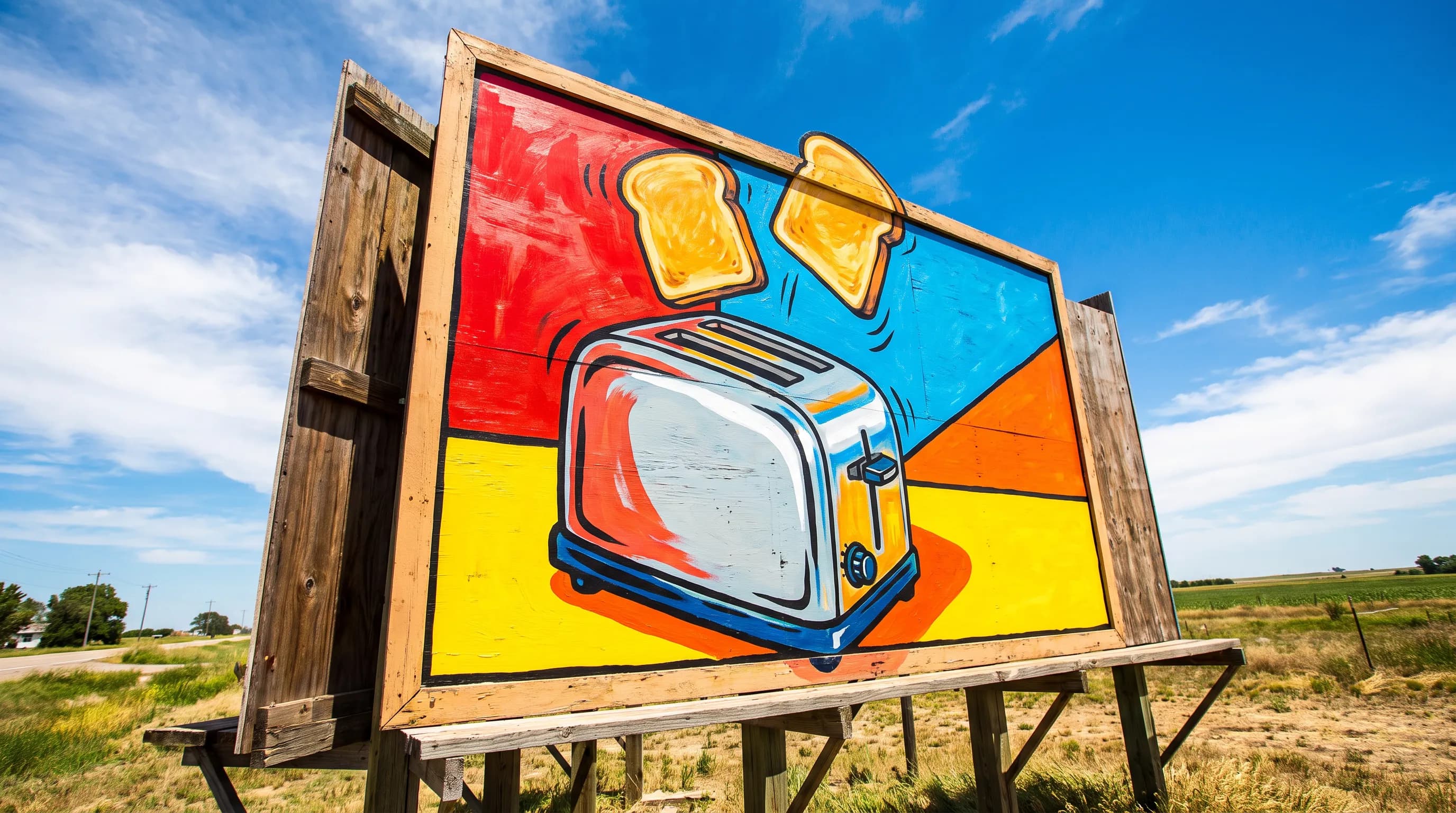
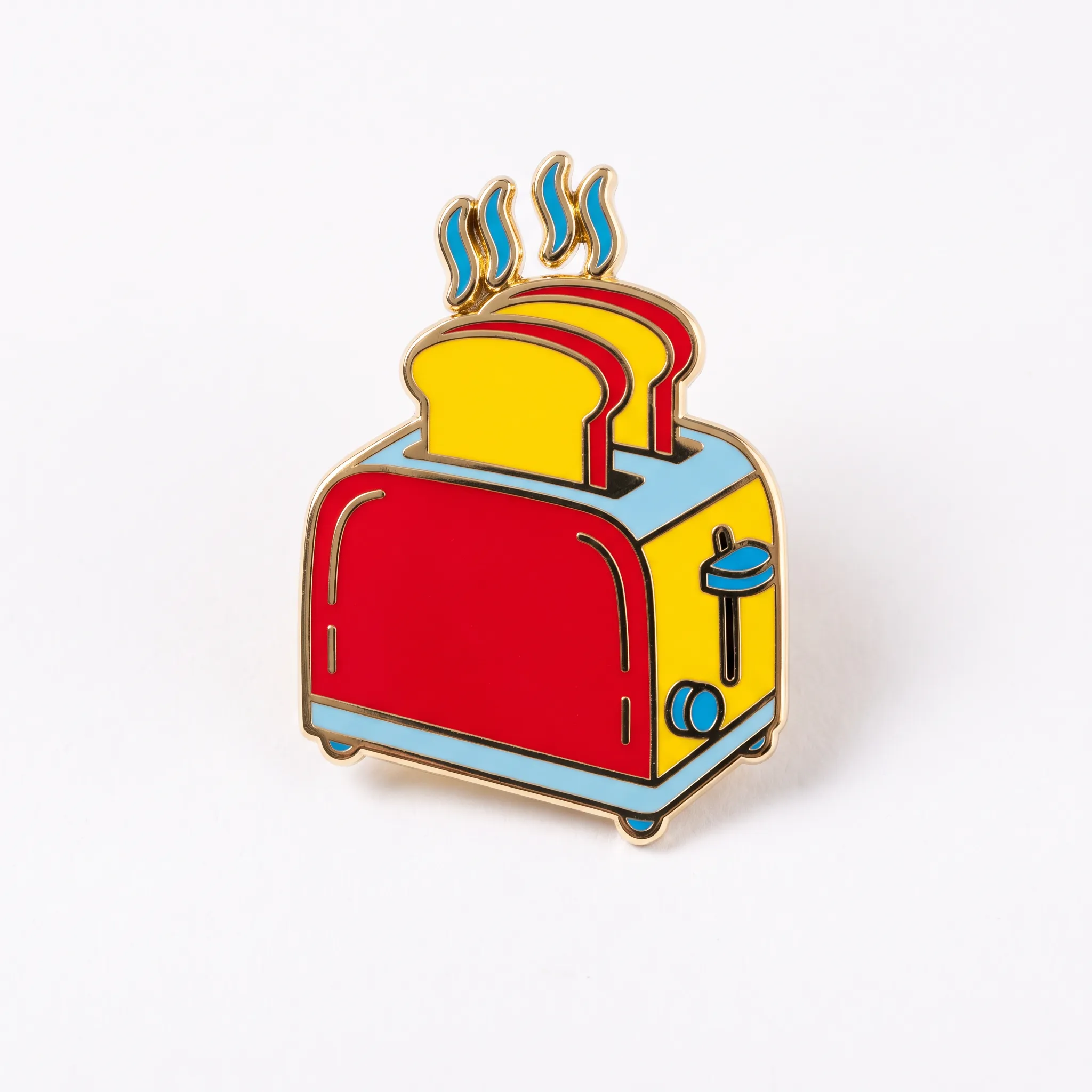
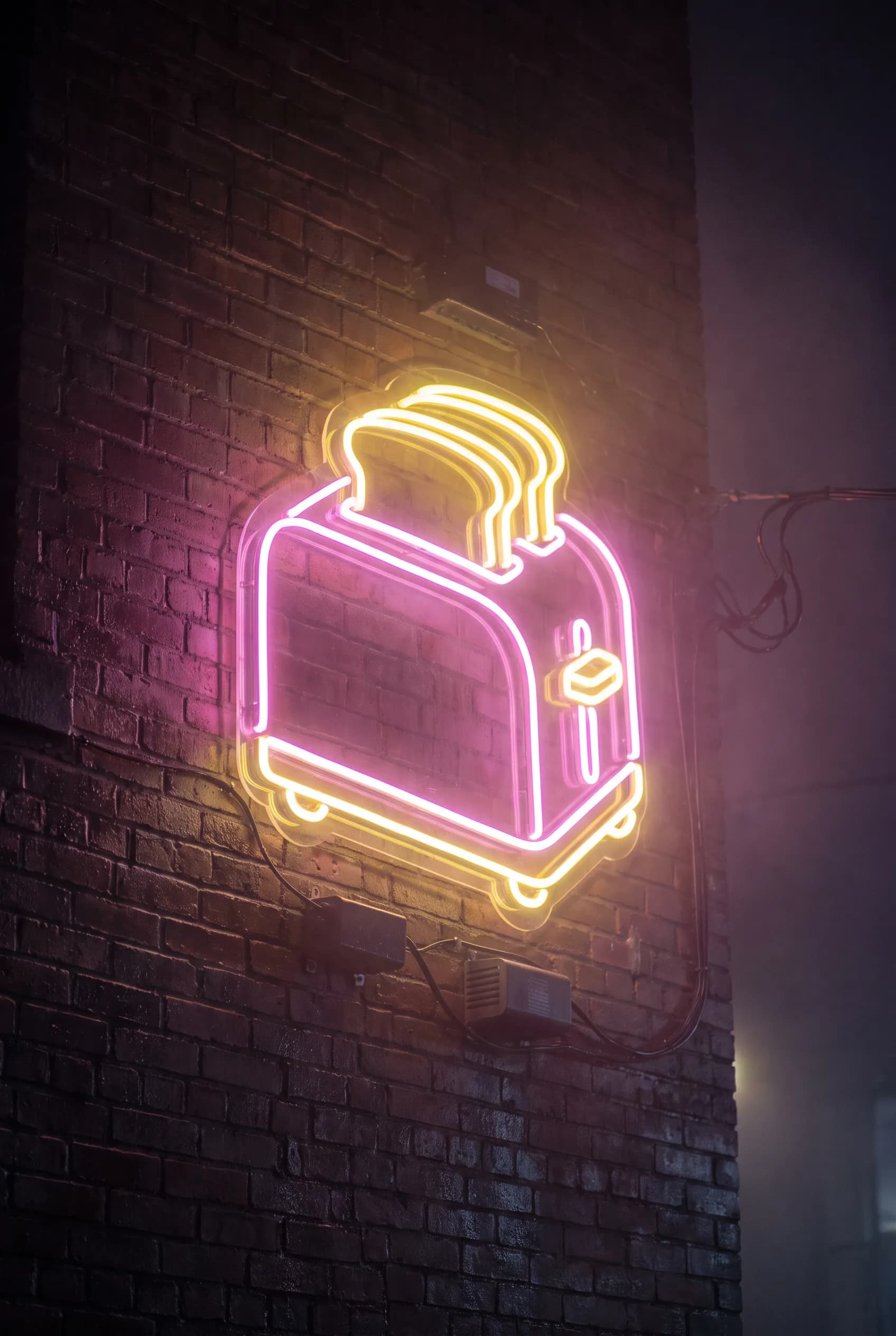
How to prompt for pop art style
Choose a subject someone could buy, or at least recognize from an ad. A soda bottle or a lipstick gives the model something it already links with pop, while a mountain landscape fights the style the whole way. Once the subject is set, the rest of the prompt is about flattening it. Ask for heavy black outlines and flat fills, add halftone dots if you want the printed comic look, and push the palette to saturated primaries with hot pink for extra punch.
The medium then decides which branch of the movement you get, and screen print or hard-edge painting will give you the cool American finish with no visible brushwork. For the British flavor, try collage and set the product somewhere it does not belong, and in both cases keep the lighting flat and even so the surfaces stay graphic.
Three prompts to copy
- Screen print grid. Pop art screen print of a chrome pop-up toaster repeated in a four-panel grid, each panel a different flat color scheme of hot pink, cyan, lemon yellow and orange, slightly misregistered ink, hard edges, no text
- Comic panel. Comic book panel of a chrome toaster launching two slices of toast into the air, pop art style, thick black outlines, halftone dots in the shading, primary red, yellow and blue, motion lines, no text
- Collage. Pop art collage of a vintage chrome toaster cut from a 1950s magazine advertisement, pasted into a kitchen scene with a television set and a vacuum cleaner, bright printed color, torn paper borders, no text
What tends to go wrong
If the toaster comes back as a glossy 3D product render, the model has skipped the flat part of the brief, and naming a print medium usually brings the outlines back. Portraits drift too. Put a face in a pop prompt and many models reach for a crying comic-book heroine or a grid of a famous actress, so describe an invented person in detail or stick with objects. Speech balloons and sound effects come out as garbled lettering, so the prompts above all finish with the words no text.
Where pop art style works
T-shirts, stickers and enamel pins are where pop style art earns its keep, since a hard outline and a few flat colors print cleanly at almost any size. Write the pop cues into a print brief and FLORA's T-shirt designer returns the graphic, colorways and an on-model shot, while the AI sticker generator turns one mascot description into an eight-piece pack.
Launching something with a loud personality, like an energy drink or a new snack flavor? Pop treatment makes the product the hero. Test a few prompt variations on the product shot and keep the strongest, then give a logo, pattern and type sample in that look to the AI brand kit generator for a seven-panel identity board.
Related styles
- Comic art styles, the printed source pop borrowed its panels from
- Flat, friendly characters live under cartoon art styles
- Corporate art style takes flat commercial color in a softer, tech-brand direction
- For curves in place of hard edges, try art nouveau style
FAQs
What are the 10 characteristics of pop art?
Richard Hamilton, one of the pop artists, set out the characteristics in 1957 in a letter to the architects Peter and Alison Smithson, and his list actually has eleven entries. Pop art, in his words, is popular, transient, expendable, low cost, mass produced, young, witty, sexy, gimmicky, glamorous and big business. Several of those words work as prompt cues on their own, glamorous and gimmicky especially.
What is a famous example of pop art?
Andy Warhol's Marilyn Diptych (1962) and Roy Lichtenstein's Whaam!, painted a year later in 1963, are probably the two best known. Both are in Tate's collection. So are Peter Blake's Tuesday (1961) and Patrick Caulfield's Sweet Bowl (1967).
Why was pop art so controversial?
Modernist critics were horrified that artists would take on low subjects like ads and comics, and more so that they seemed to treat them without any criticism. The movement began as a revolt against traditional ideas of what art should be, so some friction was the point. It is often seen today as one of the first expressions of postmodernism.
Who were three artists famous for their pop art?
Most people name Andy Warhol, Roy Lichtenstein and Richard Hamilton, though Tate's own selection of pop artists runs much wider and takes in Peter Blake, David Hockney, Allen Jones and Marta Minujín. It also points out that artists in other countries and cultures added to the movement through the 1960s and 70s.



