
The Rubber Hose Art Style of Early Cartoons
 FLORA
FLORA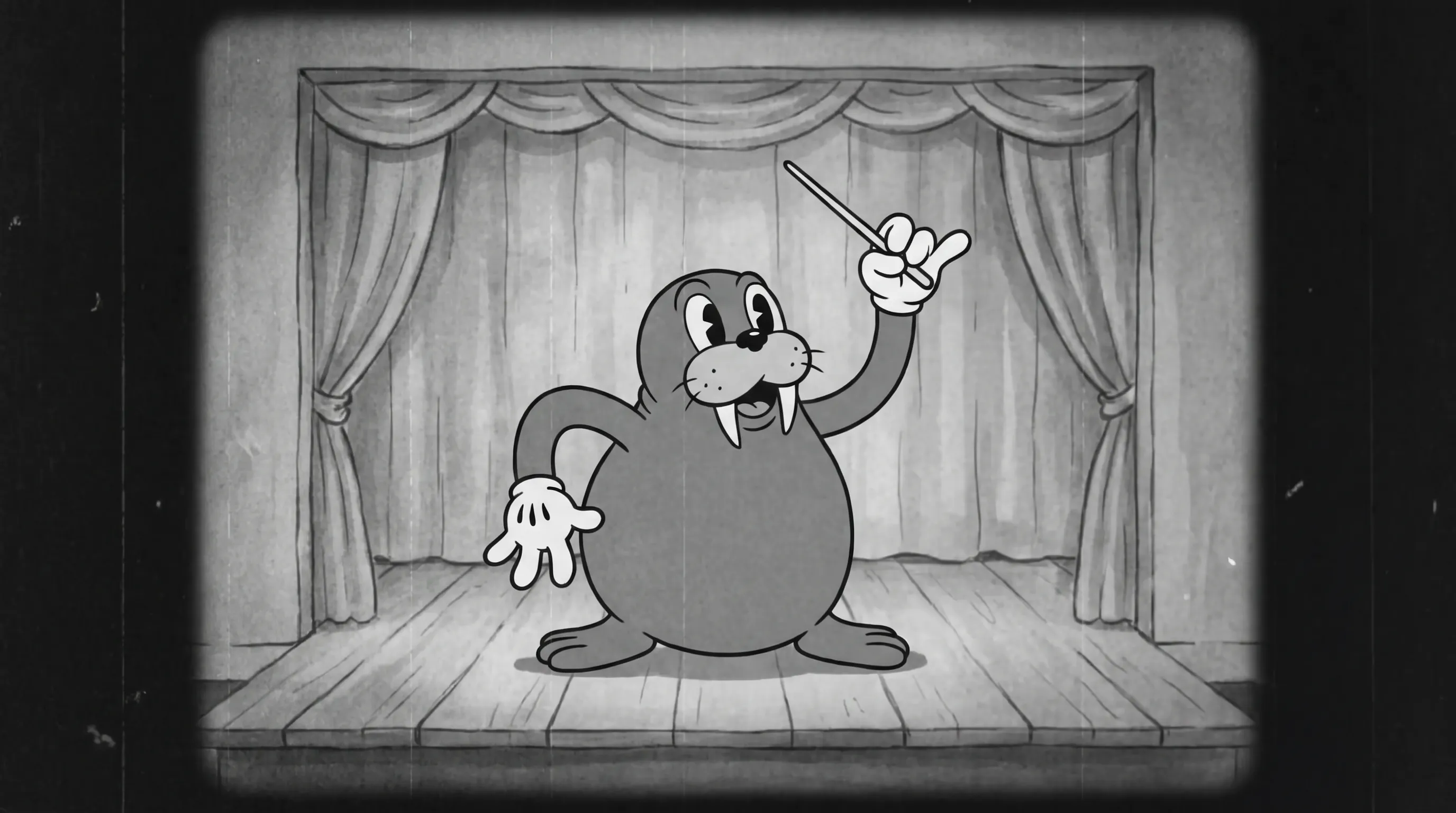
The rubber hose art style is how American cartoons looked through the 1920s and into the 1930s, named for arms and legs drawn as single bendy curves with no elbow or knee to break them. It was the first animation style the American industry standardized, back when the big studios sat in New York City. Credit usually goes to Bill Nolan, who gave Felix the Cat a rounder, smoother build while animating the series, which also made the cat faster to draw. Look for round bodies with little detail, pie-cut eyes with a wedge missing from each pupil, and white gloves that keep the hands readable against a dark body. Below, a walrus bandleader of our own runs through eight media in FLORA's AI image generator.
Rubber hose art style examples made in FLORA
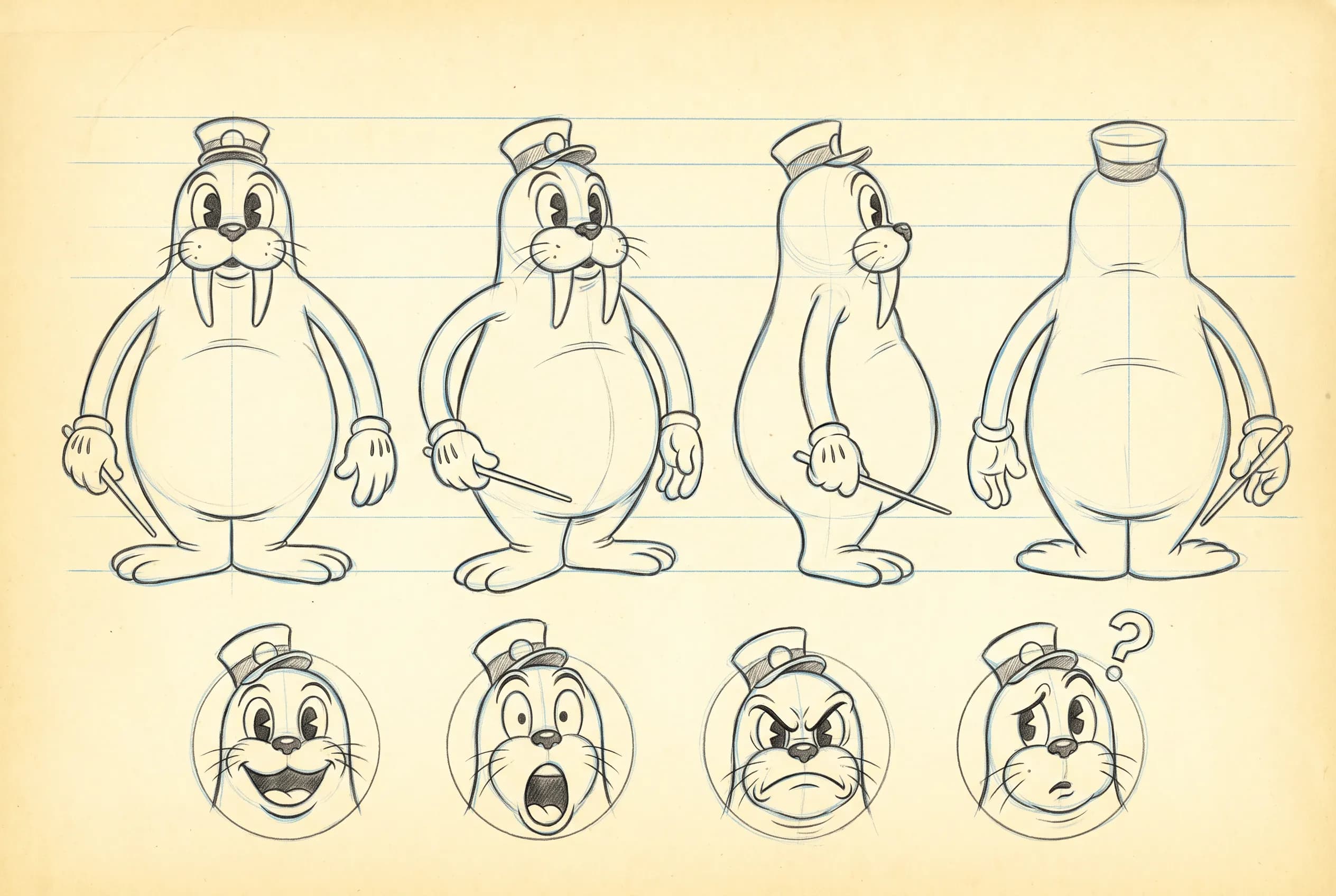
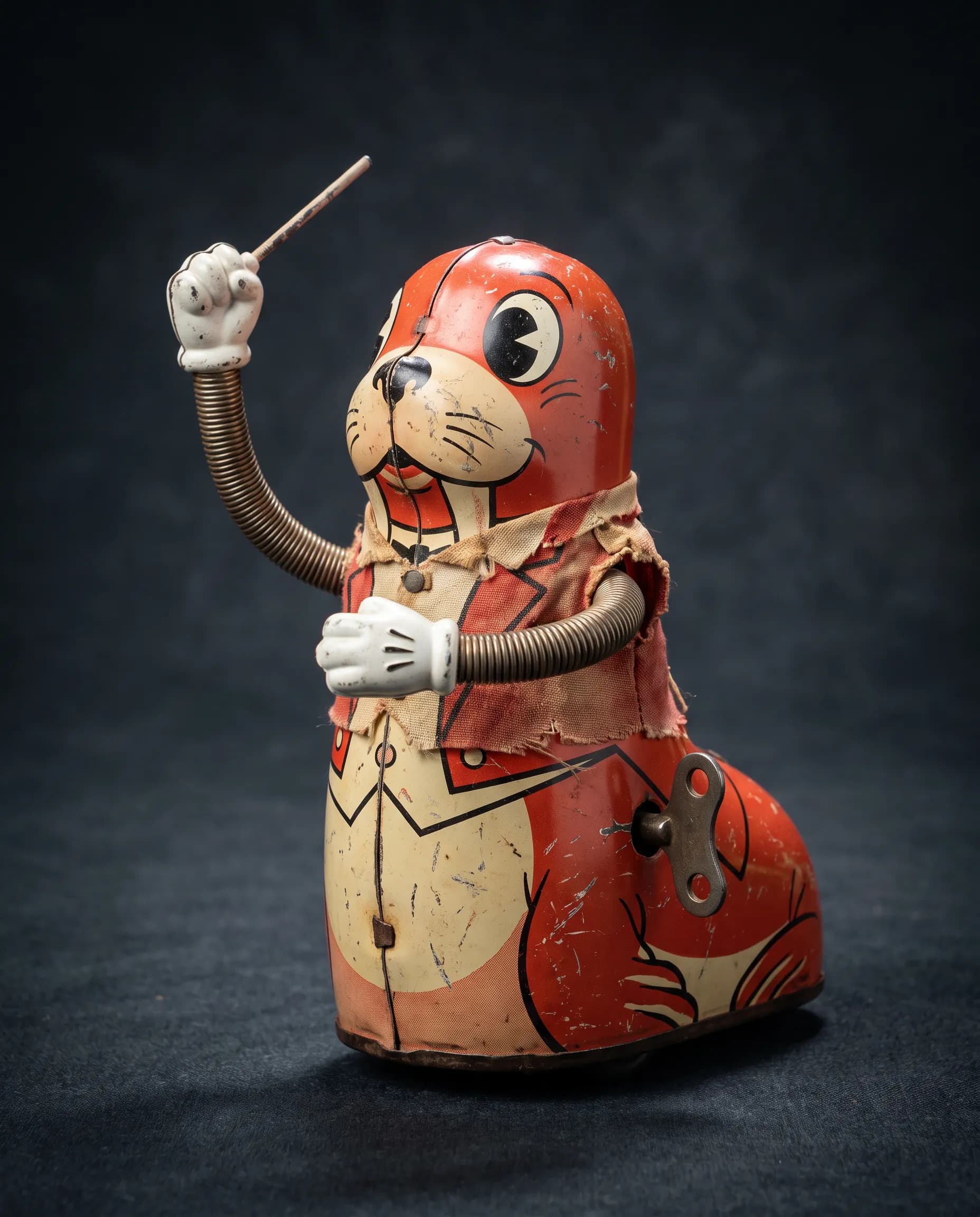
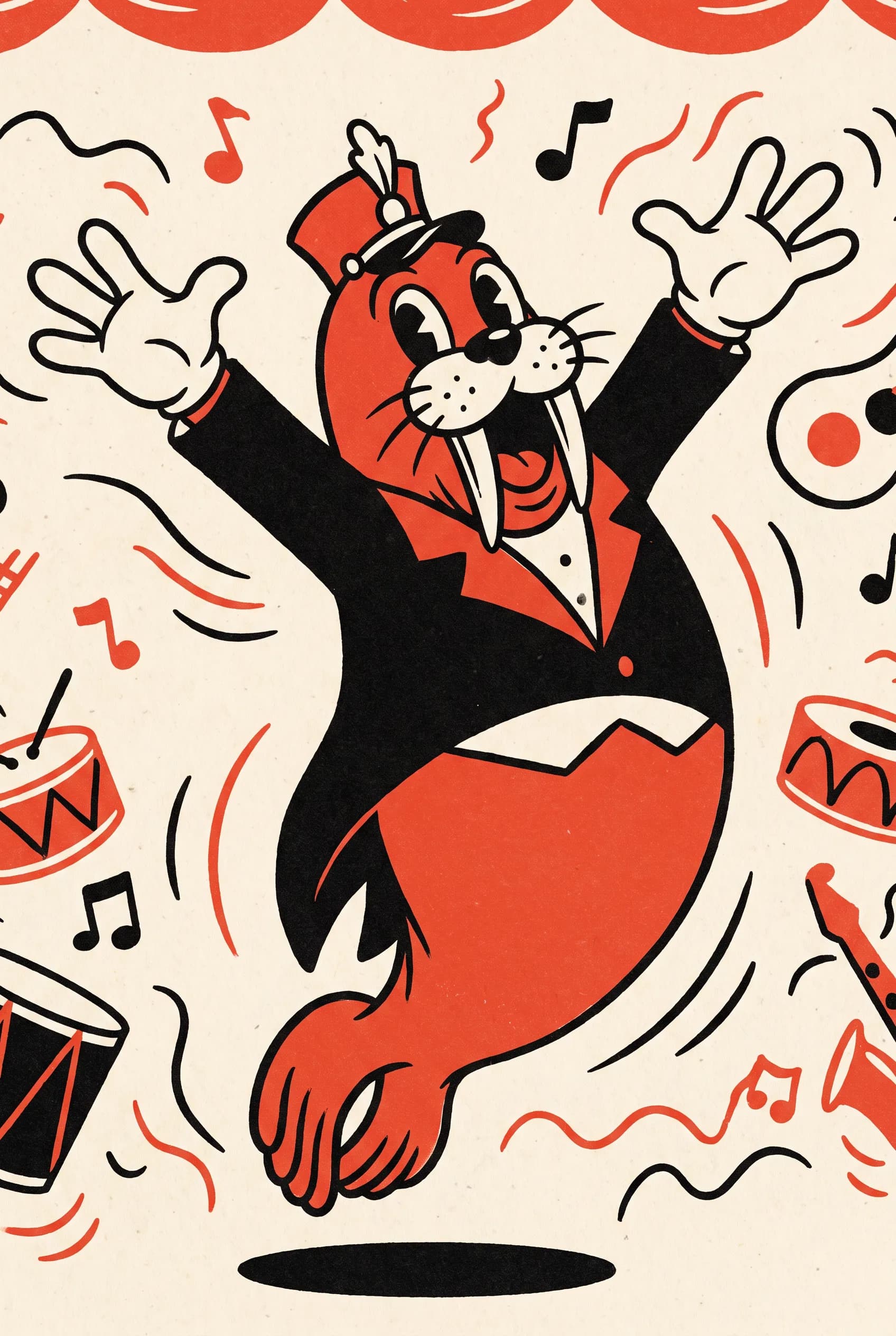
Rubber hose characters were made to move, so most of these prompts give the walrus something to do with his baton. The prompt for each image runs underneath it.
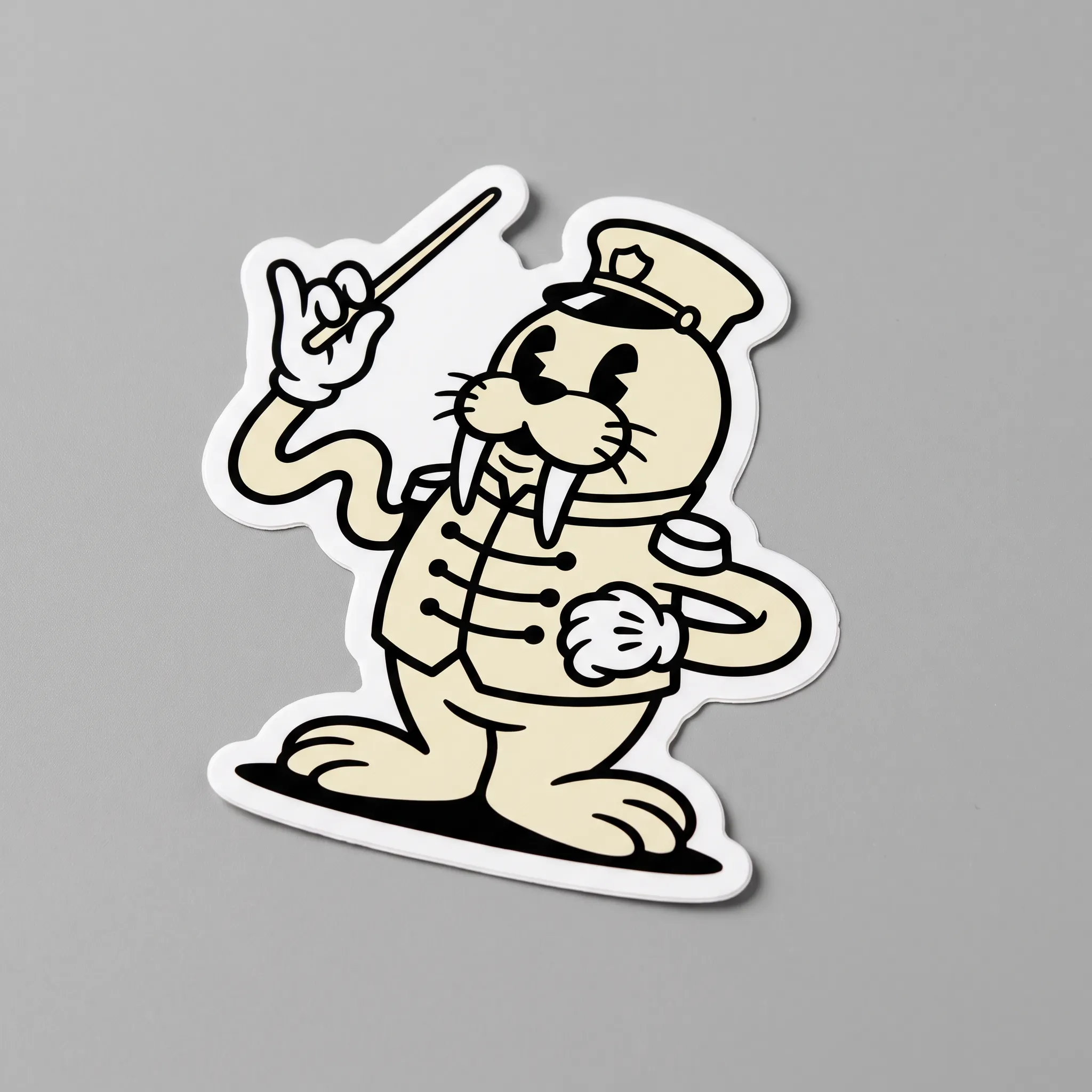
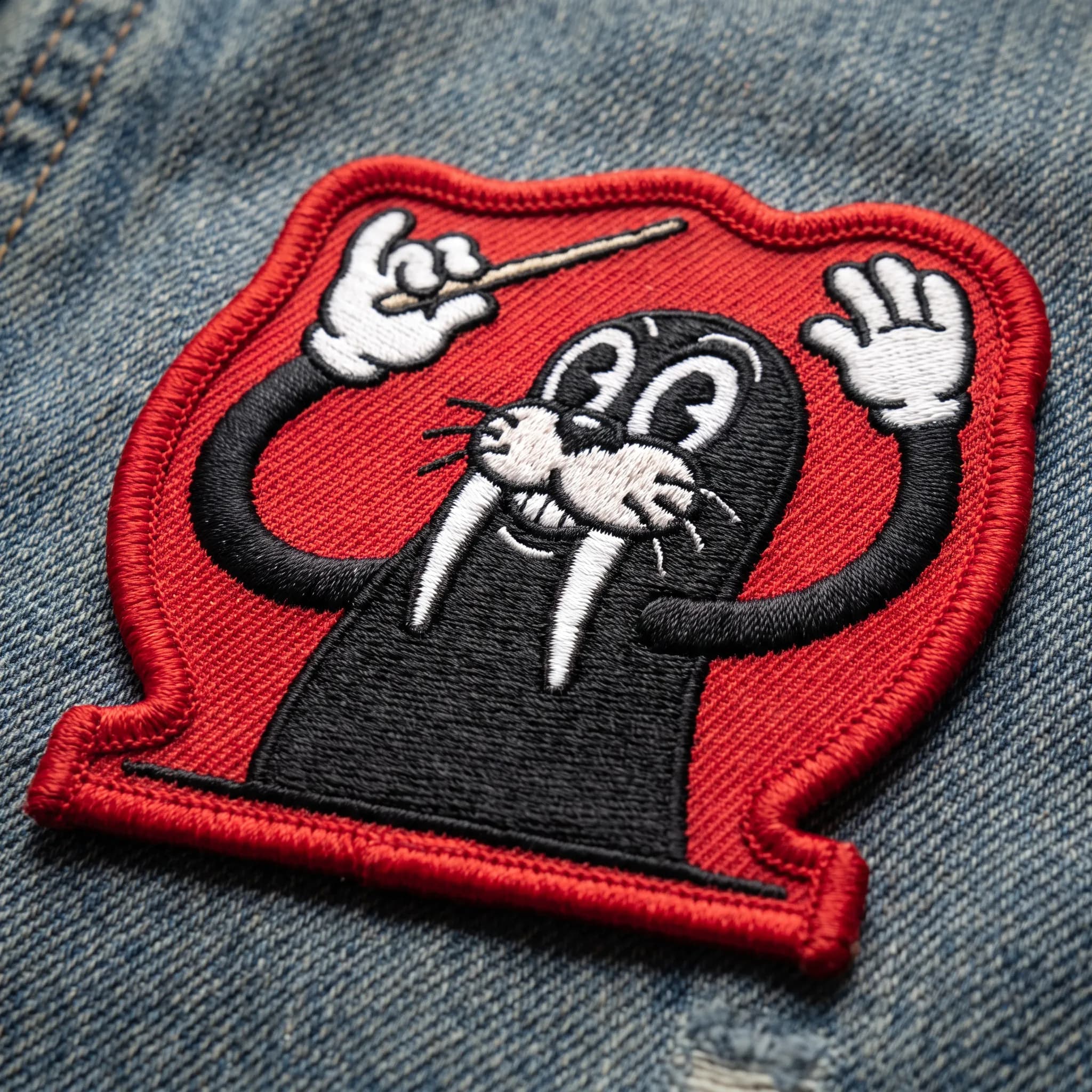
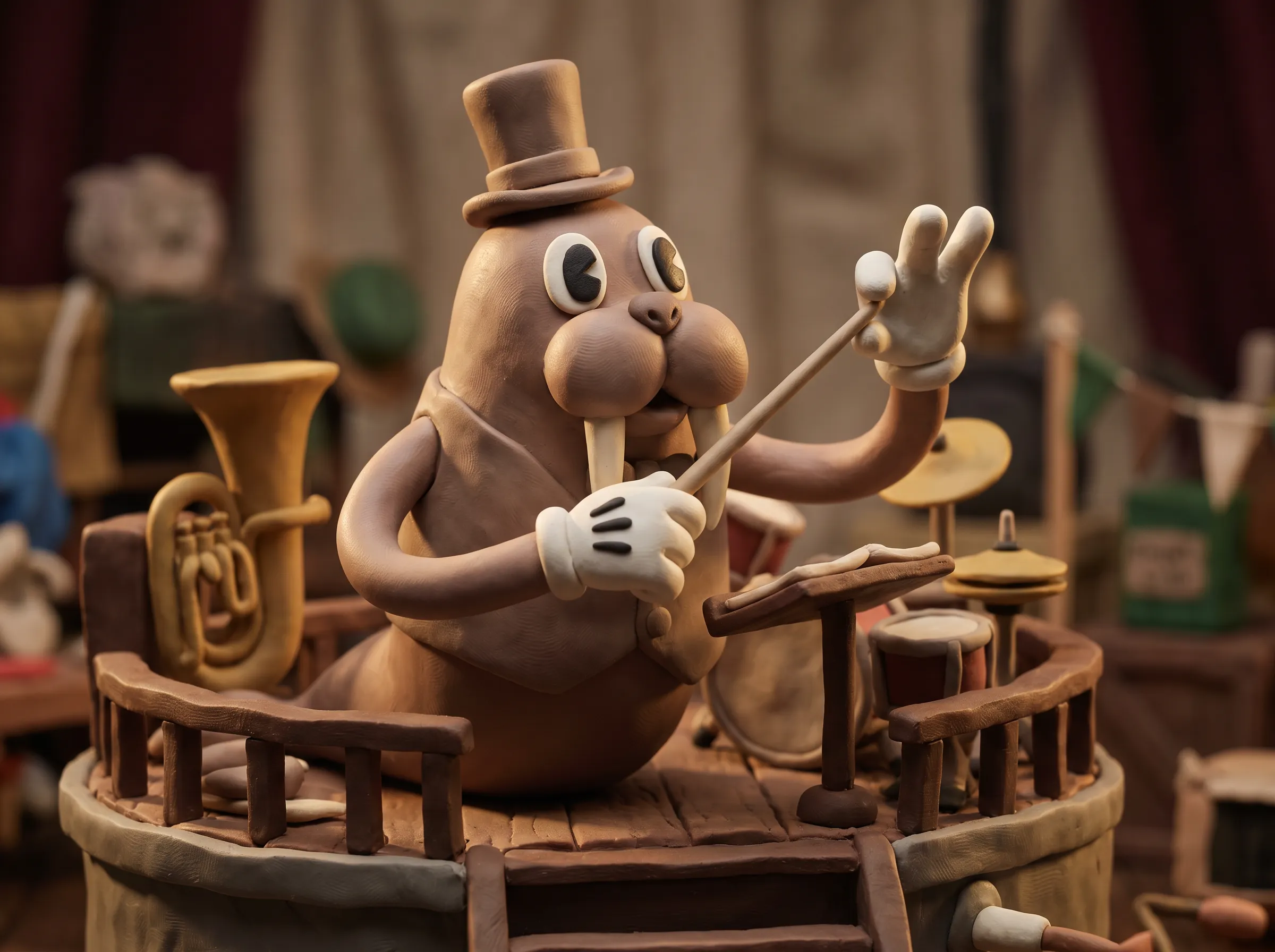
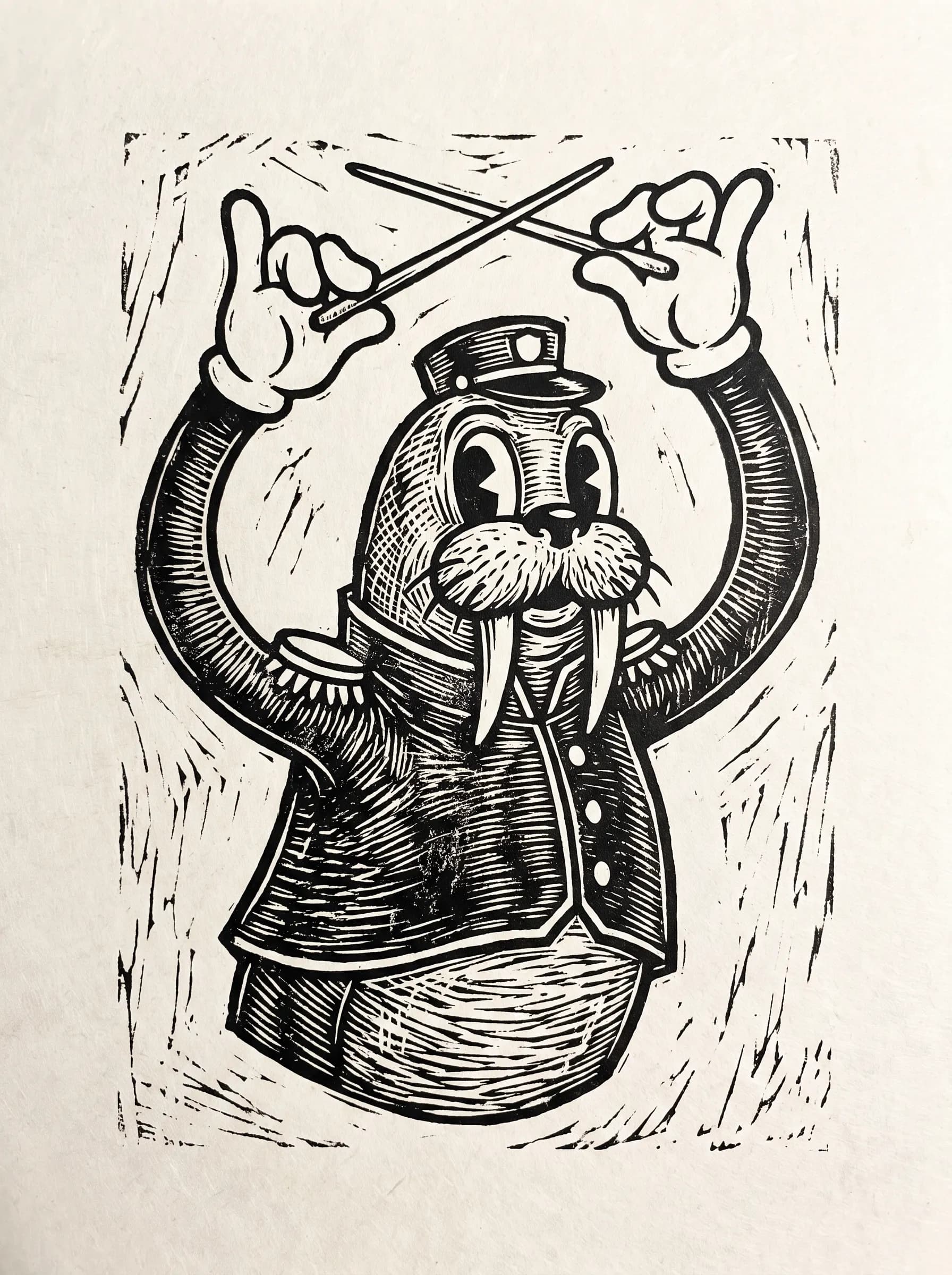
How to prompt for rubber hose art style
Lead with the arms. A phrase like noodle arms with no elbows usually does more for the image than a period label. The face comes next, with pie-cut eyes and a wide grin, then white four-fingered gloves and a body kept to one or two round masses. Black and white with soft gray tones places the picture around 1930, and a little grain sells the age of a film frame. Tag sites and tutorials often write the term as one word, rubberhose art style, so try both spellings if one stalls.
Two flavors are worth knowing. Walt Disney and Ub Iwerks gave the early Oswald the Lucky Rabbit shorts a less surreal version built on mechanical gags, which became the basis for Mickey Mouse. In New York, the Fleischer studio turned the same bendy figures loose among surreal images and dark subject matter in shorts like Swing You Sinners! (1930). For that side, let the background objects come alive. The gentler side wants a bare stage and one gag. If you plan a series, generate a model sheet first and keep it open as a reference rubber hose art style sheet.
Three prompts to copy
- Film frame. Rubber hose cartoon frame of a walrus bandleader swinging a baton alone on a small empty stage, no other characters, round body, pie-cut eyes, white four-fingered gloves, noodle arms with no elbows, black and white 1930s film still, soft grain, no text
- Model sheet. Pencil model sheet of a walrus bandleader in rubber hose art style, turnaround views plus four expressions, elbowless tube arms, pie-cut eyes, white gloves, blue construction lines on yellowed animation paper, no text
- Tin toy. Vintage wind-up tin toy of a rubber hose walrus bandleader raising a baton, lithographed red and cream paint, bendy tube arms, pie-cut eyes, white gloves, light scuffs, studio photo on a dark backdrop, no text
What tends to go wrong
Elbows are the first thing to sneak back, since many models lean toward modern anatomy, and repeating no elbows tends to fix it. Resemblance is the second risk. A mouse with big round ears and red shorts will likely land too close to a famous trademark, which is why this page uses a walrus. If fur texture or airbrushed shading creeps in, ask for flat fills and solid black shapes.
Where rubber hose art style works
Mascot work suits it. A bouncing, gloved character reads as friendly and a little old-fashioned, which fits coffee, soda or anything trading on nostalgia. Describe yours once in Character Creator and it returns turnaround views, an alternate outfit, a name card and an idle loop.
Music packaging is the other natural home, since the style found its audience once cartoons had sound. Disney built the Silly Symphonies around synchronized music, and the Fleischers introduced the bouncing ball that sing-alongs still use. For a swing or jazz release, the AI album cover generator turns one scene prompt into a titled album cover, two single covers and a looping motion cover.
Related styles
- Cartoon art styles puts rubber hose in a lineup with anime, flat vector and 3D
- Comic art styles, the print world many of the first animators came from
- Animated art styles, the wider family of looks made for motion
- Retro art style, for reviving old looks in new work
FAQs
What does the rubber hose cartoon mean?
It means a cartoon whose characters bend like a garden hose, since their limbs have no joints to hinge at. That freedom has a cost. In her 2017 book Animated Performance, Nancy Beiman notes that subtle acting is hard to pull off in this style, because its stretchy distortions keep pulling the eye toward the technique itself.
What are some games that are rubber hose style?
Cuphead and Mouse: P.I. for Hire both take heavy influence from it, and Cuphead was later adapted into The Cuphead Show! on Netflix. Bendy and the Ink Machine borrows the look for its characters and overall aesthetic.
What are old cartoon styles called?
The 1920s and early-1930s look is called rubber hose. It faded as studios chased realism and Technicolor, and Disney's Snow White and the Seven Dwarfs in 1937 helped tip the industry toward realism. Fleischer Studios held out longest before switching to the West Coast approach by 1940. Interest returned in the 2010s, and Disney's 2013 short Get a Horse! mixes black-and-white hand-drawn animation with color CGI.



