Character
'NILA the Dawnwarden': a lithe young woman in her early twenties, warm brown skin with light freckles across the nose, large amber eyes, short cropped dark curly hair with one bright copper-dyed streak at the temple. She wears a teal weatherproof explorer's coat with brass toggle buttons, a small brass compass pendant, fingerless oxblood leather gloves, canvas trousers and tall laced boots
Title
THE DAWNWARDEN
Name
NILA
Stats
CLASS: PATHFINDER · ORIGIN: THE VERGE
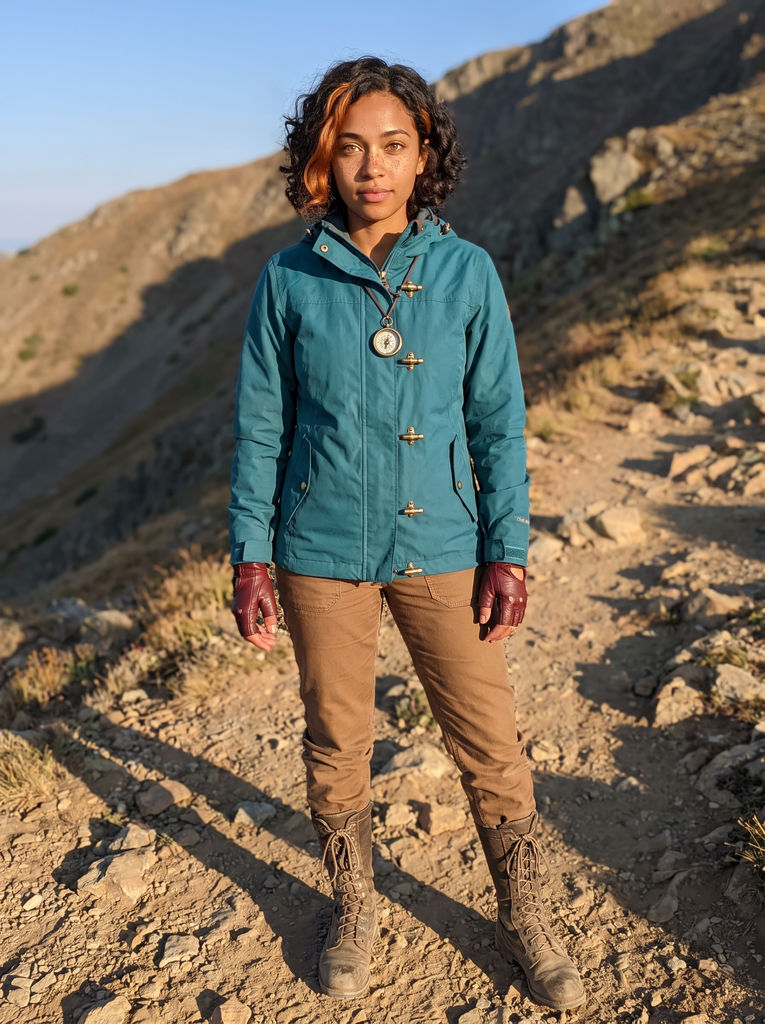
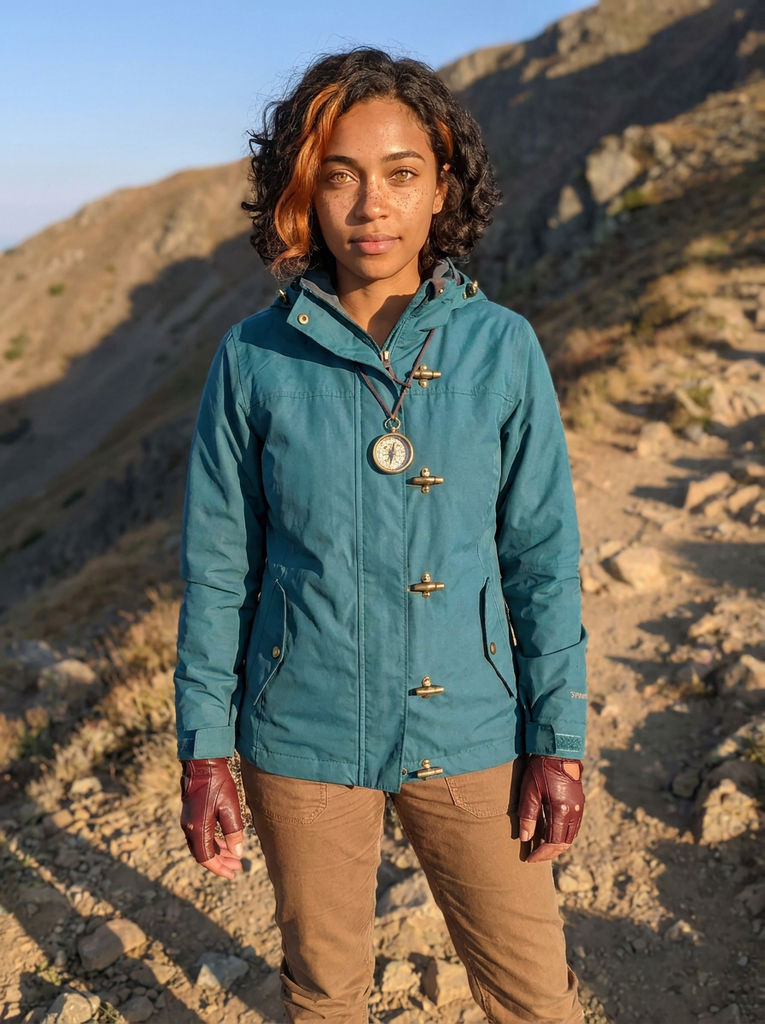
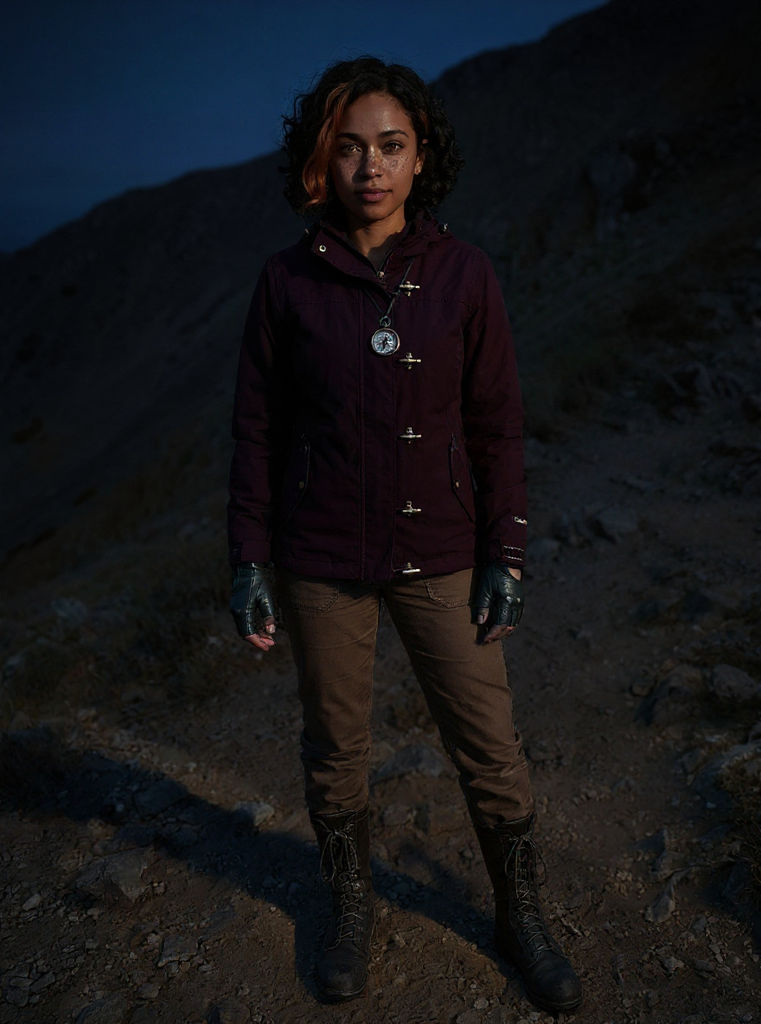
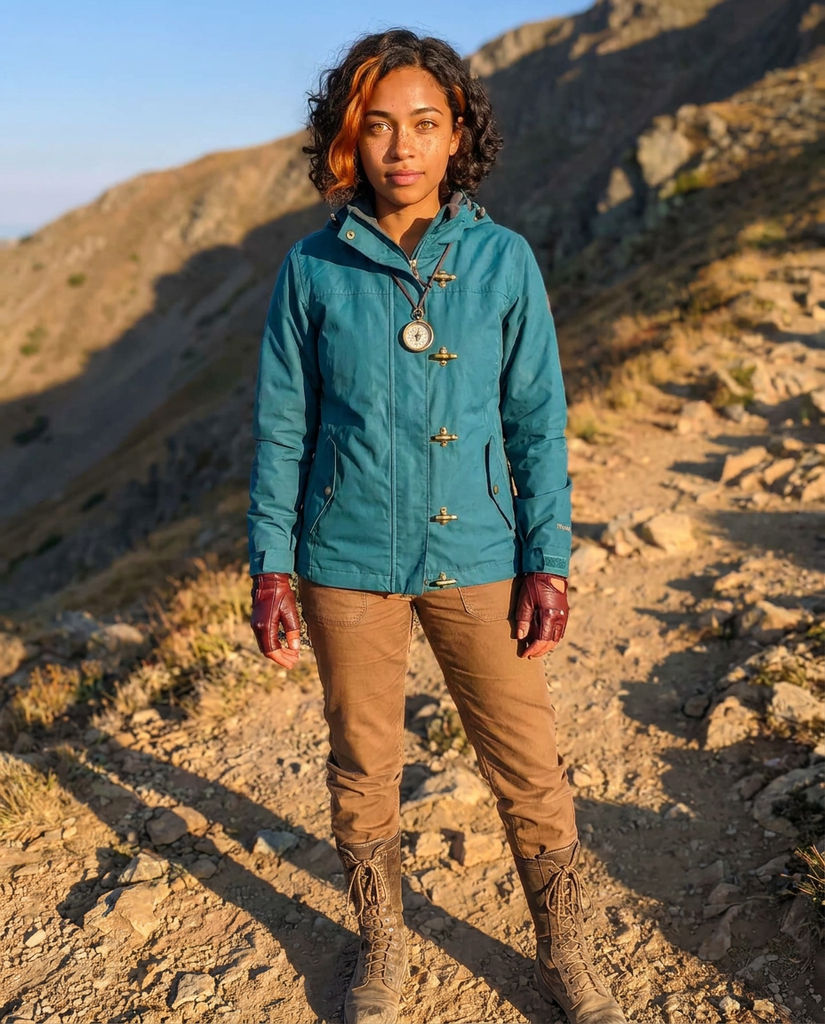
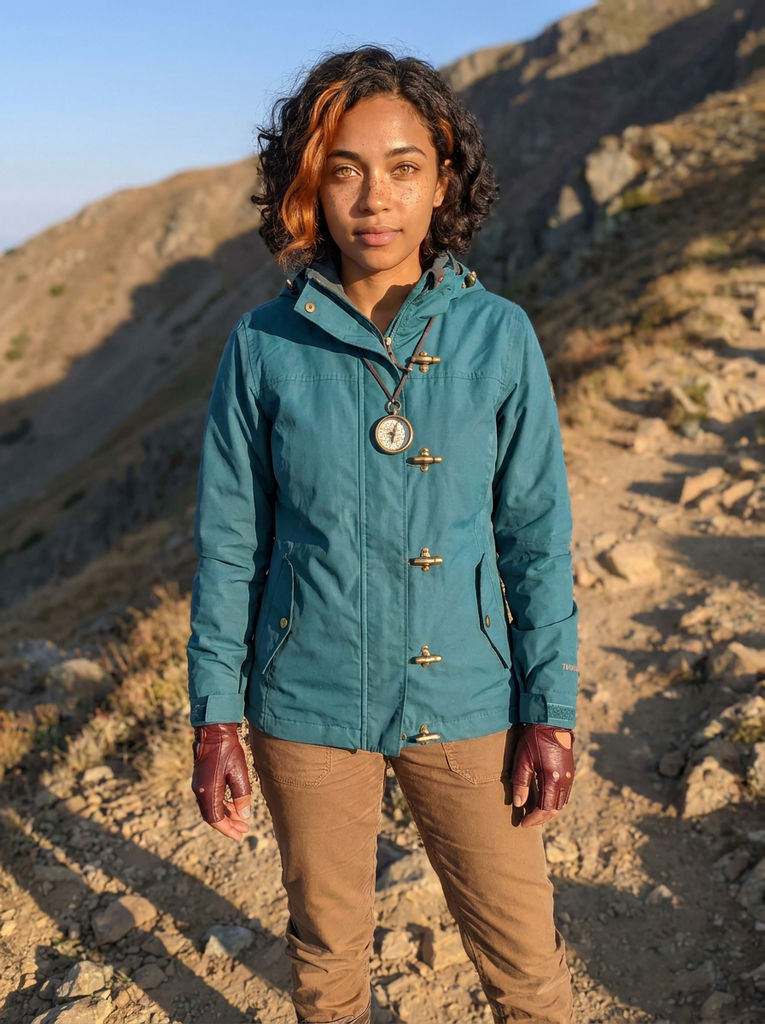
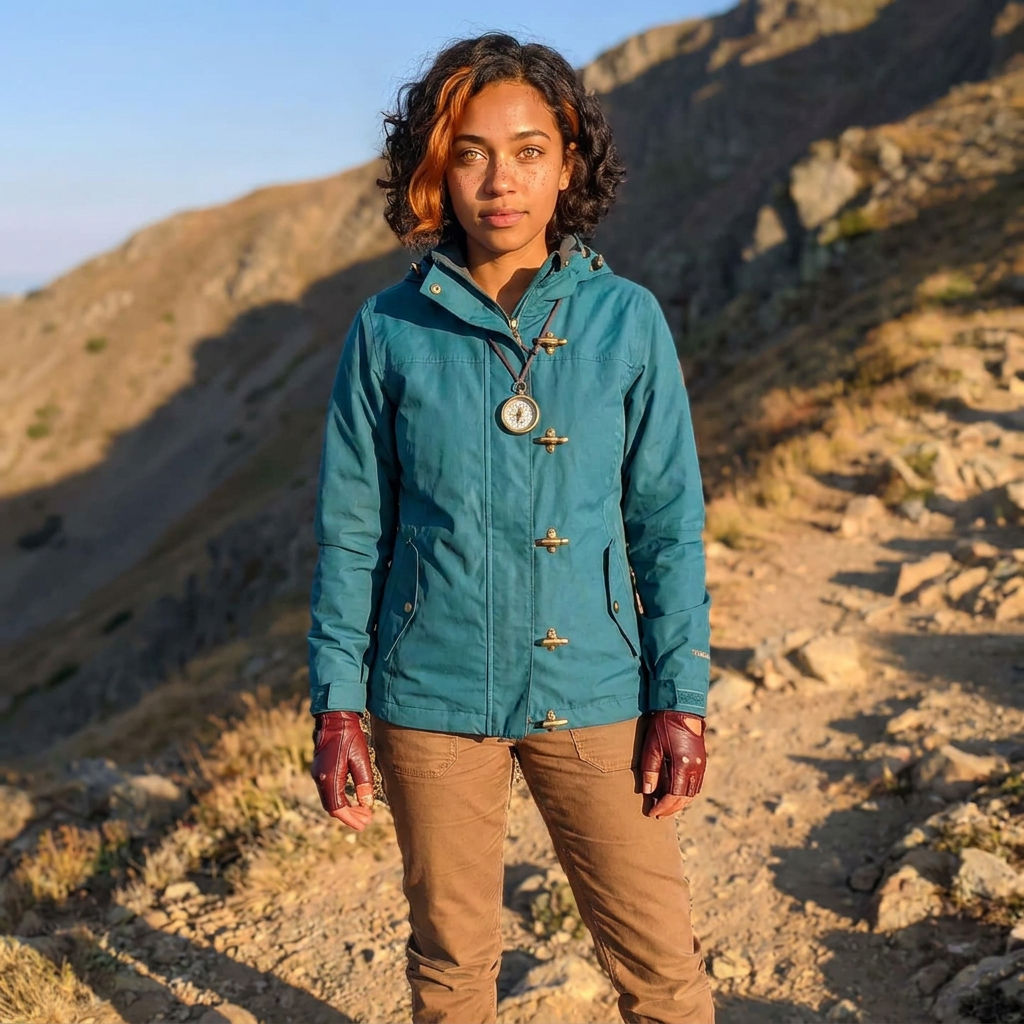
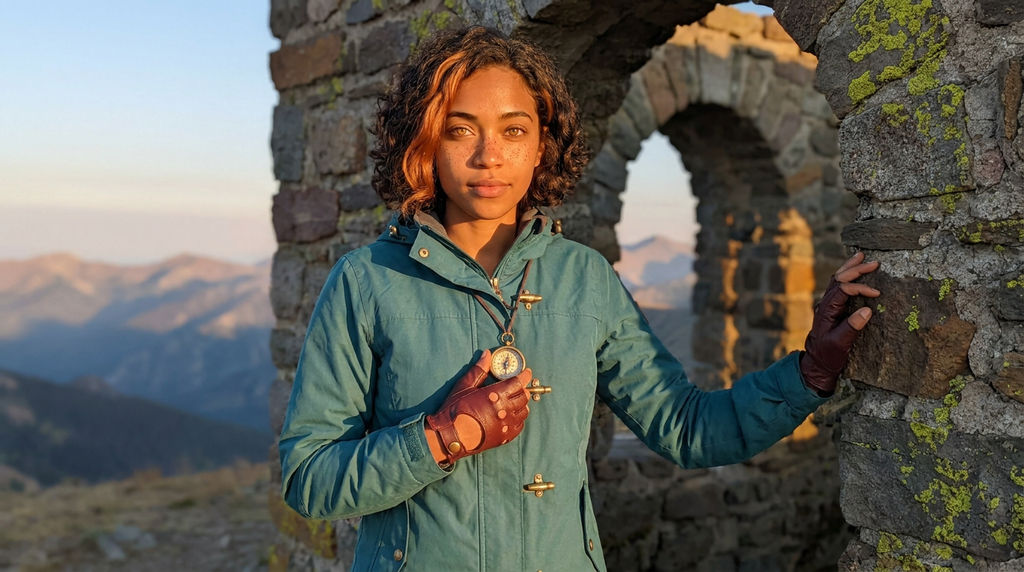

Describe a character once and the Technique returns turnaround views, an alternate outfit colorway, a name card, and a short idle loop.

Game and Indie Dev
Game developers create a character once and hand the turnaround set to modelers and animators, so the same face, outfit, and proportions carry through the whole build.

Animation and VTubing
Animators and VTubers use this character maker to design original personas, then pull the 5s idle loop into a stream overlay or an early animatic test.

Tabletop and Worldbuilding
D&D players and worldbuilders give every NPC a name card and stat plate alongside the reference art, so a full roster shares one visual language.
How to use Techniques?
Discover how to utilize Character Creator for different scenarios.
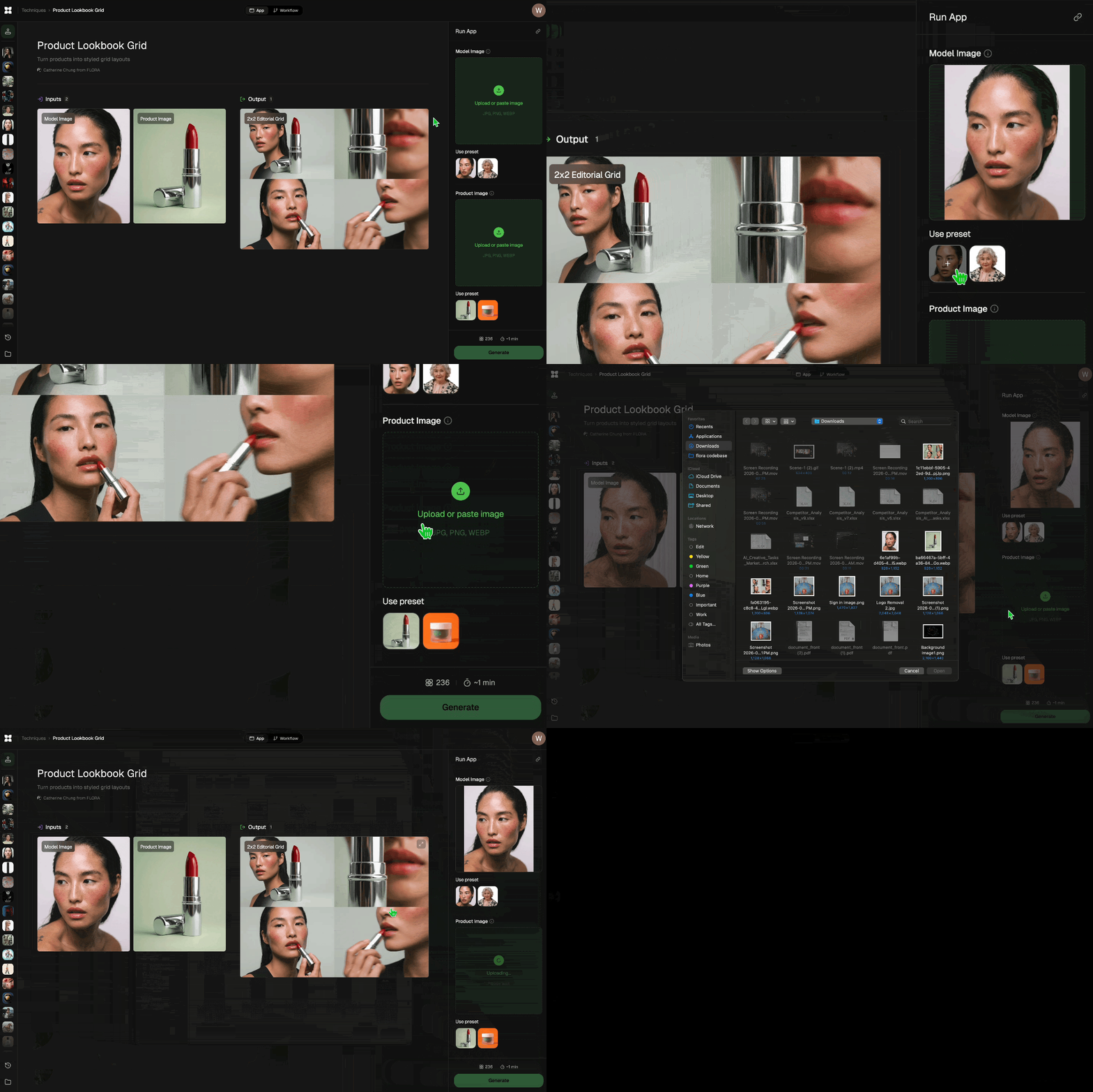
Add inputs
Upload images, videos, or type in the prompts to get started.
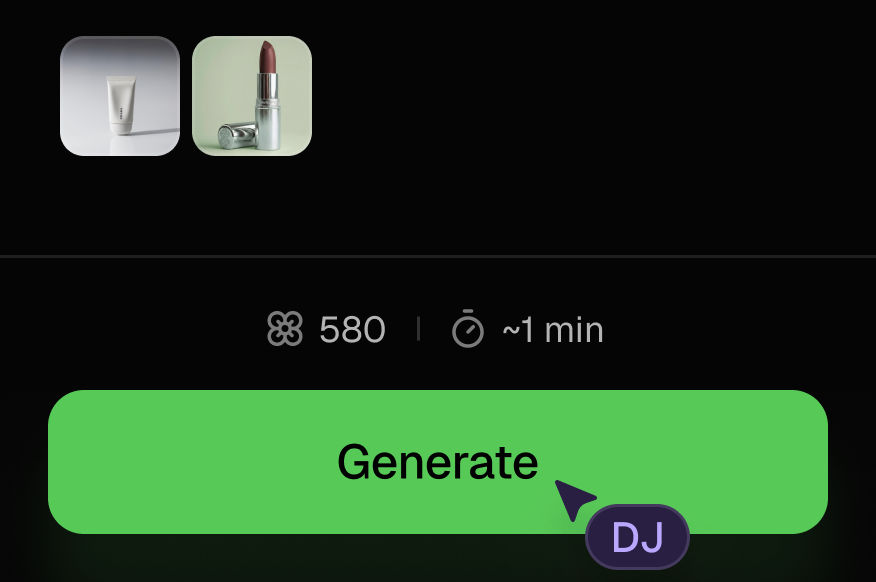
Generate outputs
Next, hit the "Generate" button to start generating your outputs.
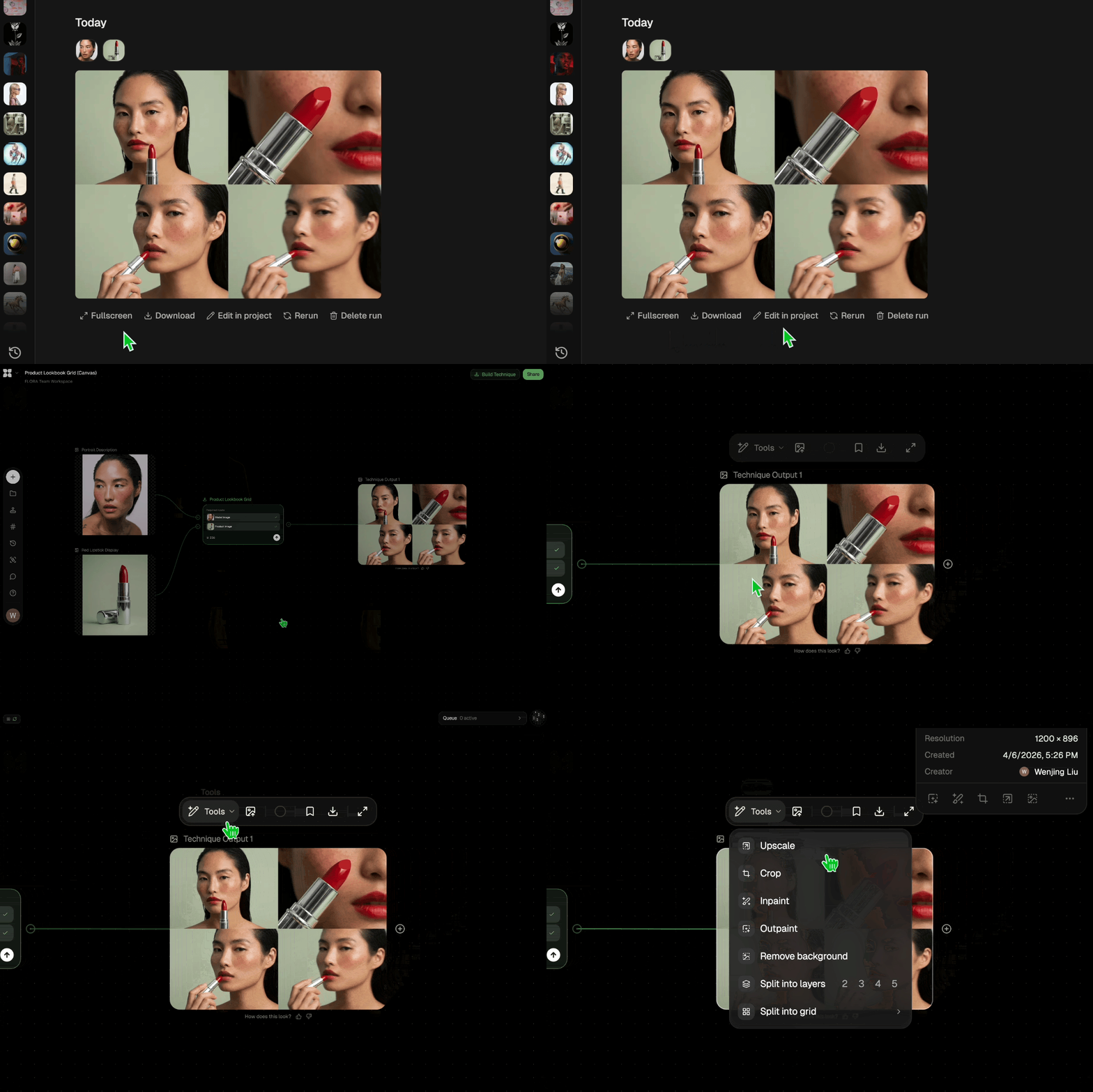
Edit and export
Refine your outputs on canvas, or download them directly.
Frequently asked questions
All you need to know about Character Creator
What a character creator actually does
A character creator turns a written description into a full set of matching images: one face, one wardrobe, rendered from new angles and in new moods. The output that matters isn't a single portrait. It's a reference kit, the thing you hand to an animator or feed back into your next prompt so the design comes back unchanged.
Identity is the hard part. Most image models treat every prompt as a fresh roll, so asking twice for the same person gives you two people who look vaguely related. A character creator earns the name only if it can hold one design steady across dozens of renders. Start on FLORA and see how far one description gets you.
Why AI characters drift, and what holds them steady
Text alone underdetermines a face. "Young woman with dark curly hair" describes millions of people, so the model fills the gaps differently every time. The fix is to stop asking the text to do the remembering and give the model something to look at instead.
- Your description gets rendered once into a canonical reference image, which becomes the source of truth for the design.
- Every later generation is conditioned on that reference rather than on the words, so the face and wardrobe carry forward intact.
- New angles, expressions, and alternate outfits are generated as edits to that anchor, so each one starts from the design instead of guessing at it.
- Motion inherits the same identity, which is why an idle loop still reads as the same person as the portrait.
Specificity at the start pays off here. A copper streak at one temple, or brass toggle buttons on a coat, gives the anchor image something unmistakable to hold onto. Small distinguishing marks survive an angle change better than a general description does.
What a turnaround sheet is for
Turnarounds come out of animation and game art, where a character has to be drawn or modeled by people who were not in the room when it was designed. Front, three-quarter, profile, and back views answer what a single portrait leaves open: how the silhouette reads from behind, where the seams fall, what the hair does on the other side.
The expression sheet does the same job for performance. An alternate colorway tests whether the design survives a palette swap, which matters if the character will appear across seasons, factions, or campaign variants. Together they make up the package a studio would otherwise assemble by hand before production could start.
The same job goes by a lot of names
People come at this from different directions and reach for whatever phrasing fits the work in front of them. Someone building for a game jam wants a character maker that outputs sprites and poses. A novelist just wants to create a character they can picture properly before writing another chapter. A studio lead searching character creator free is usually stress-testing output quality before committing a pipeline to it. Tabletop players, VTubers, and brand teams each phrase it their own way again. The wording shifts with the job. The request underneath doesn't.
Where the character goes next
Once the identity holds, the design becomes an input for everything else in the production:
- Set the visual direction first with the moodboard maker, so the design has a tone to hit before you start generating.
- Put the character into sequenced shots with the storyboard maker.
- Build full scenes around them using the video scene builder.
- Work the design into illustration with the photo to drawing guide.
- See the wider model lineup on the AI image generator page.
On FLORA's canvas all of this sits side by side. The reference image, the turnarounds, the expression set, and the clips live as connected nodes rather than scattered exports, so a change to the design updates everything built from it.
Related techniques
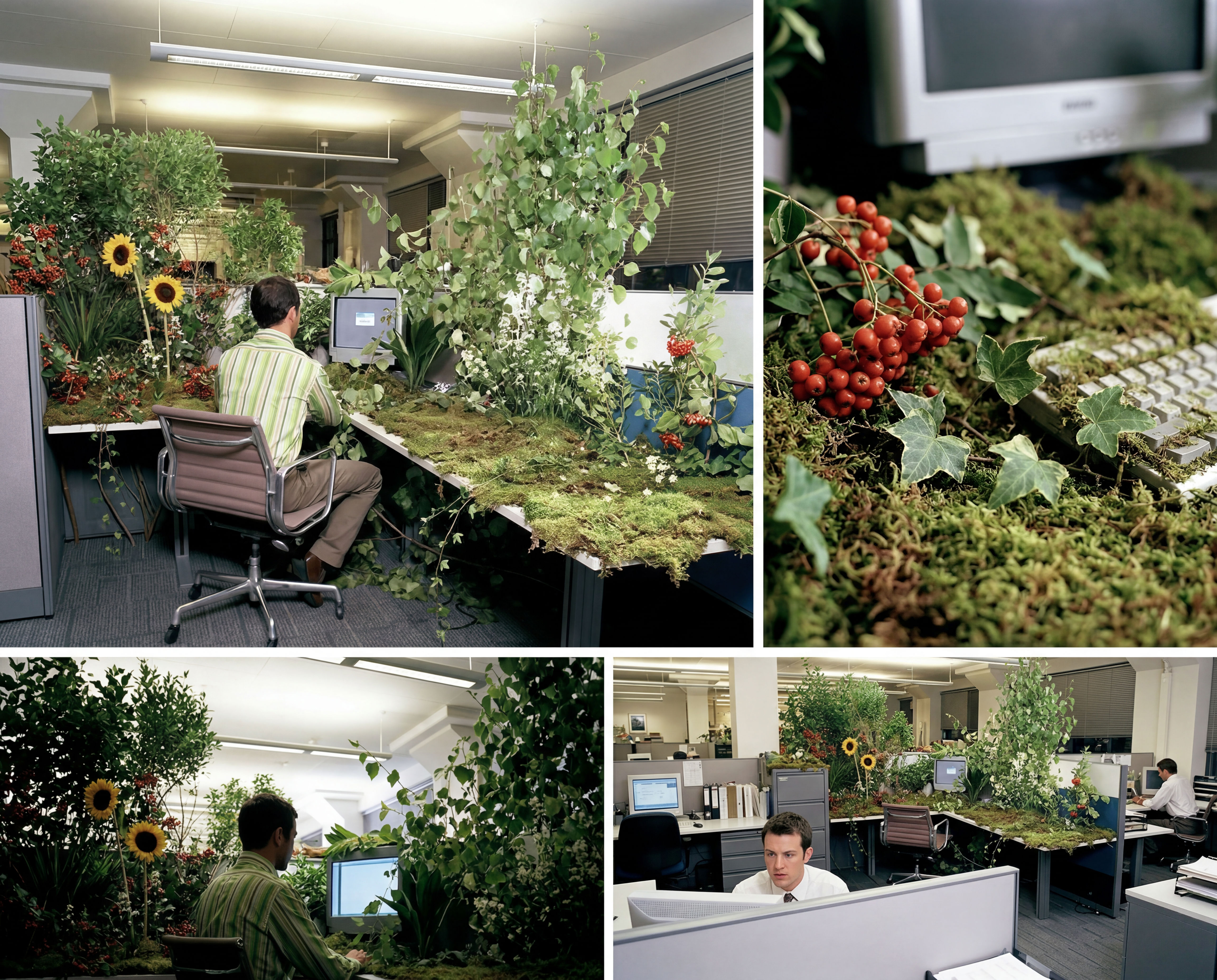 Storyboard MakerInput one image and creates cohesive 9 storyboard shots
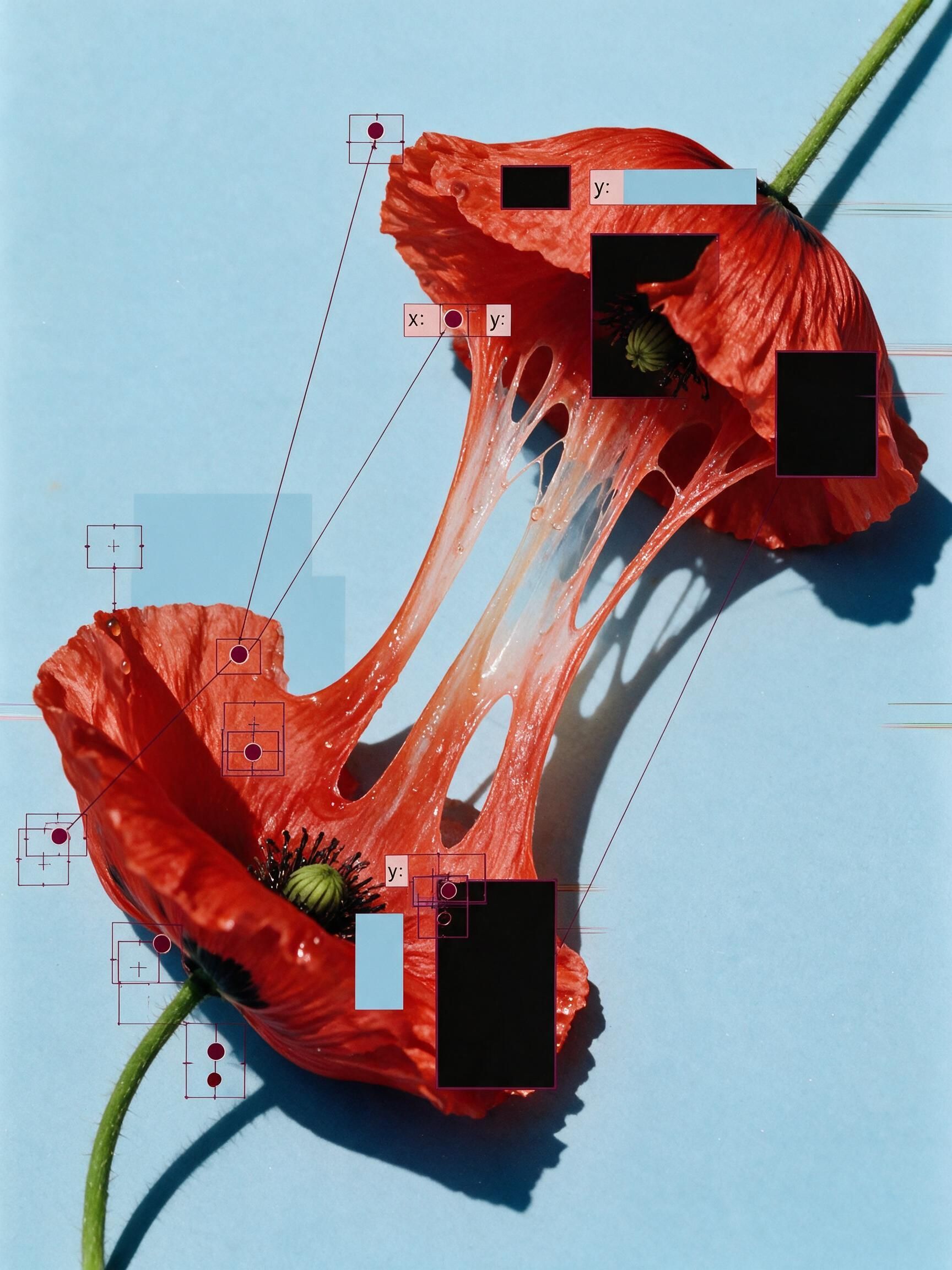 'Pollen CheeseAn editorial still-life of your flower pulled apart, like cheese.
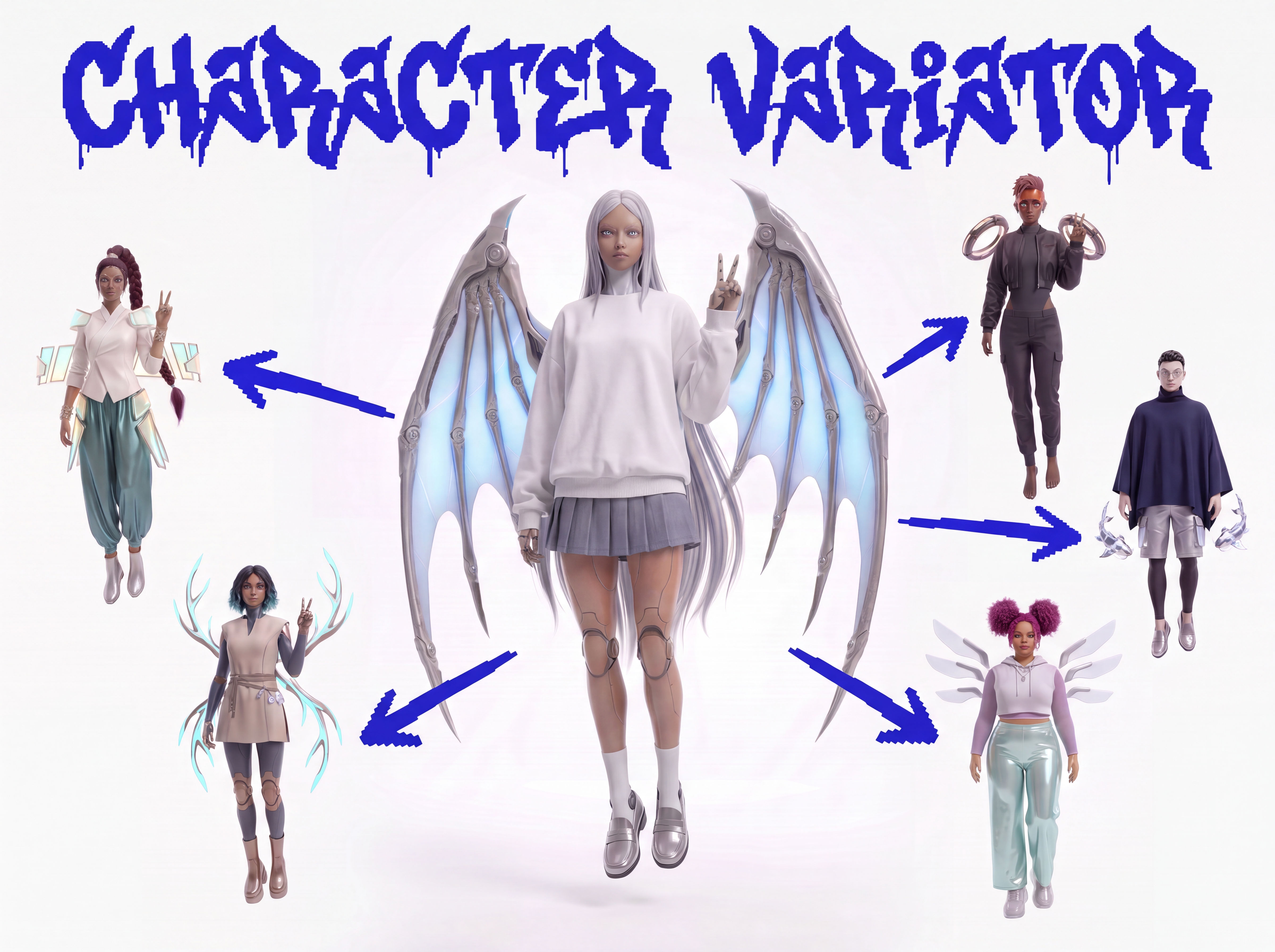 Character VariatorTurn one character into a roster of five.
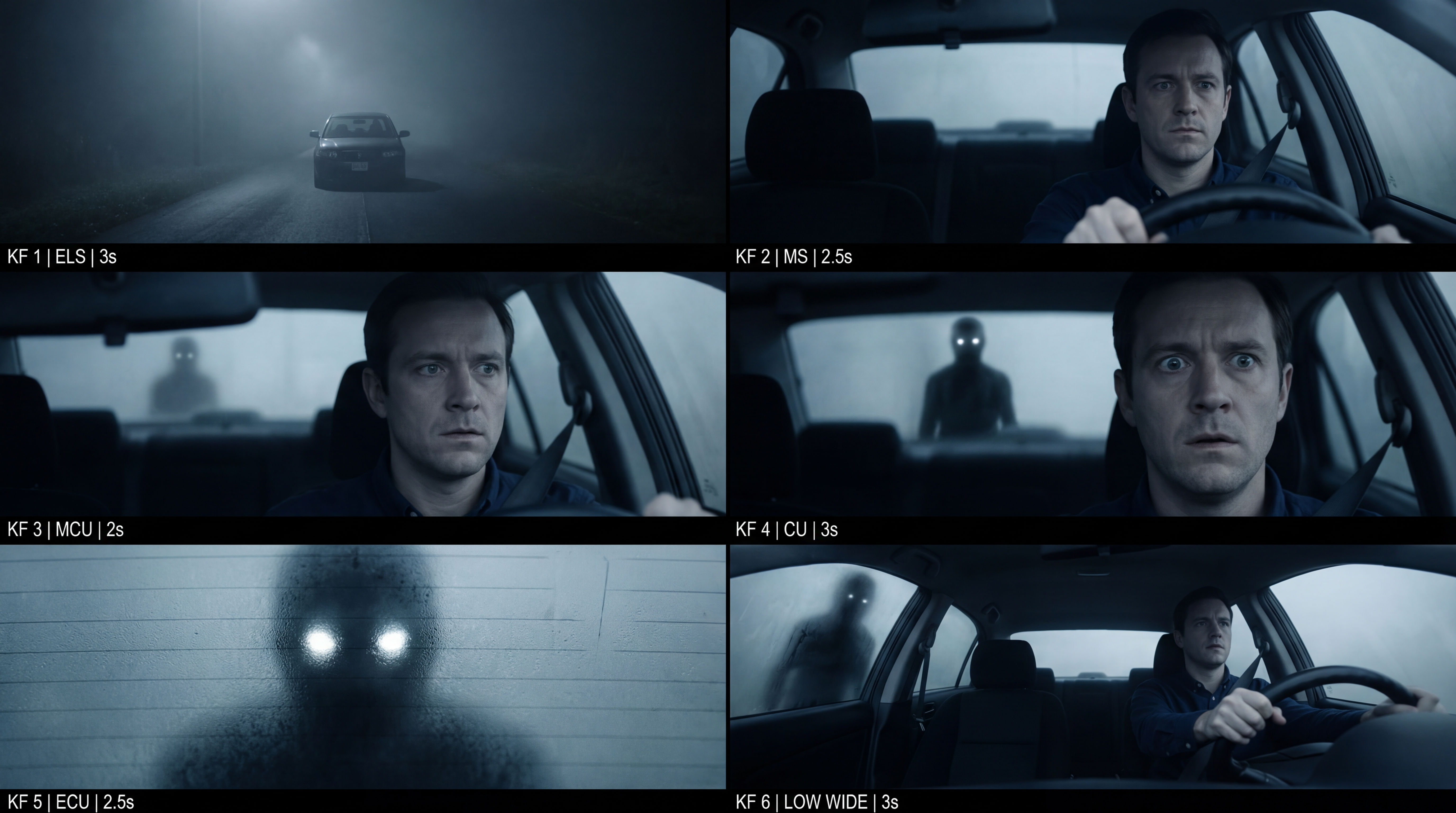 Frame the Mood for CreativesTurn a single reference image and a mood description into a complete set of production-ready visual assets, in one run. You get 7 assets total: 1 full storyboard + 6 individually exported keyframes.
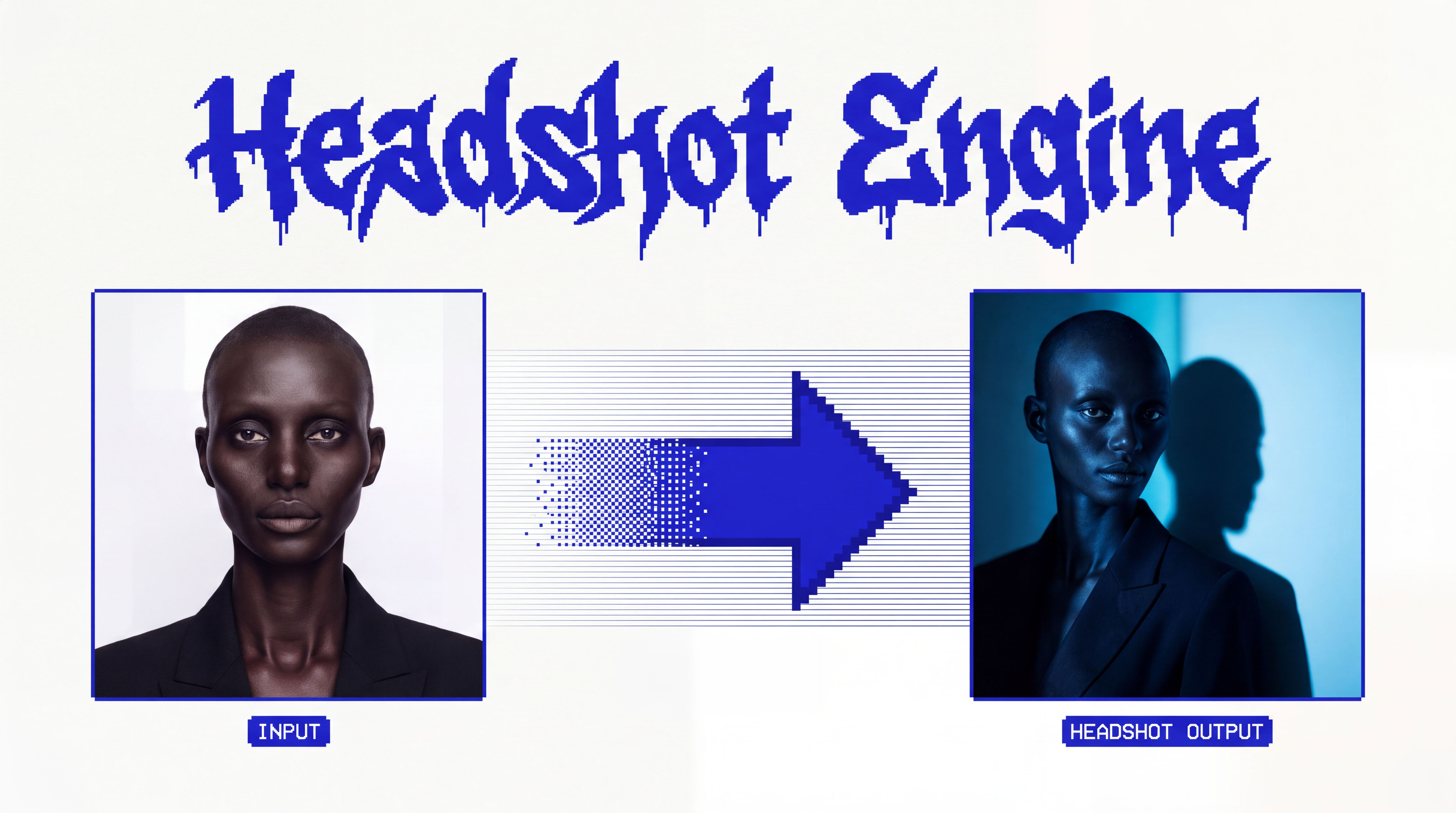 Headshot EngineAny photo of a person, reshot in the style of any headshot you feed it.
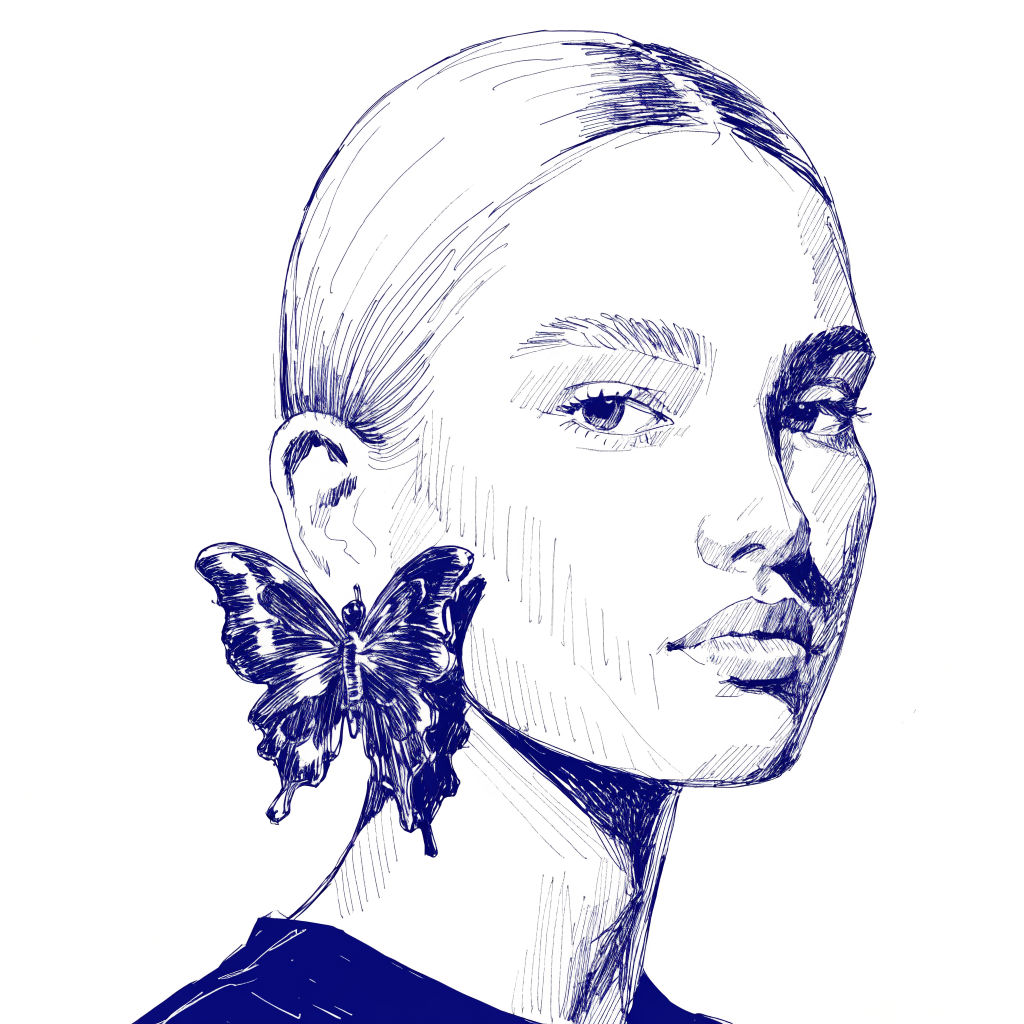 InkCreate ink sketches for storytelling and animation.
Use the Character Creator to Turn One Description into a Full Character Bible
design one original character once, then generate a full production-ready character bible: turnaround views, an expression sheet, an alternate outfit, an in-scene action pose, a portrait, a name card, and a 5s idle loop. Useful for: game devs, indie animators, VTubers, D&D players, and brand teams who need ONE character rendered consistently across dozens of poses, angles and moods — the exact thing a real "character creator" tool promises but rarely delivers on identity.

Louis Anderson