
Japanese Art Styles Seen Through a Single Koi
 FLORA
FLORA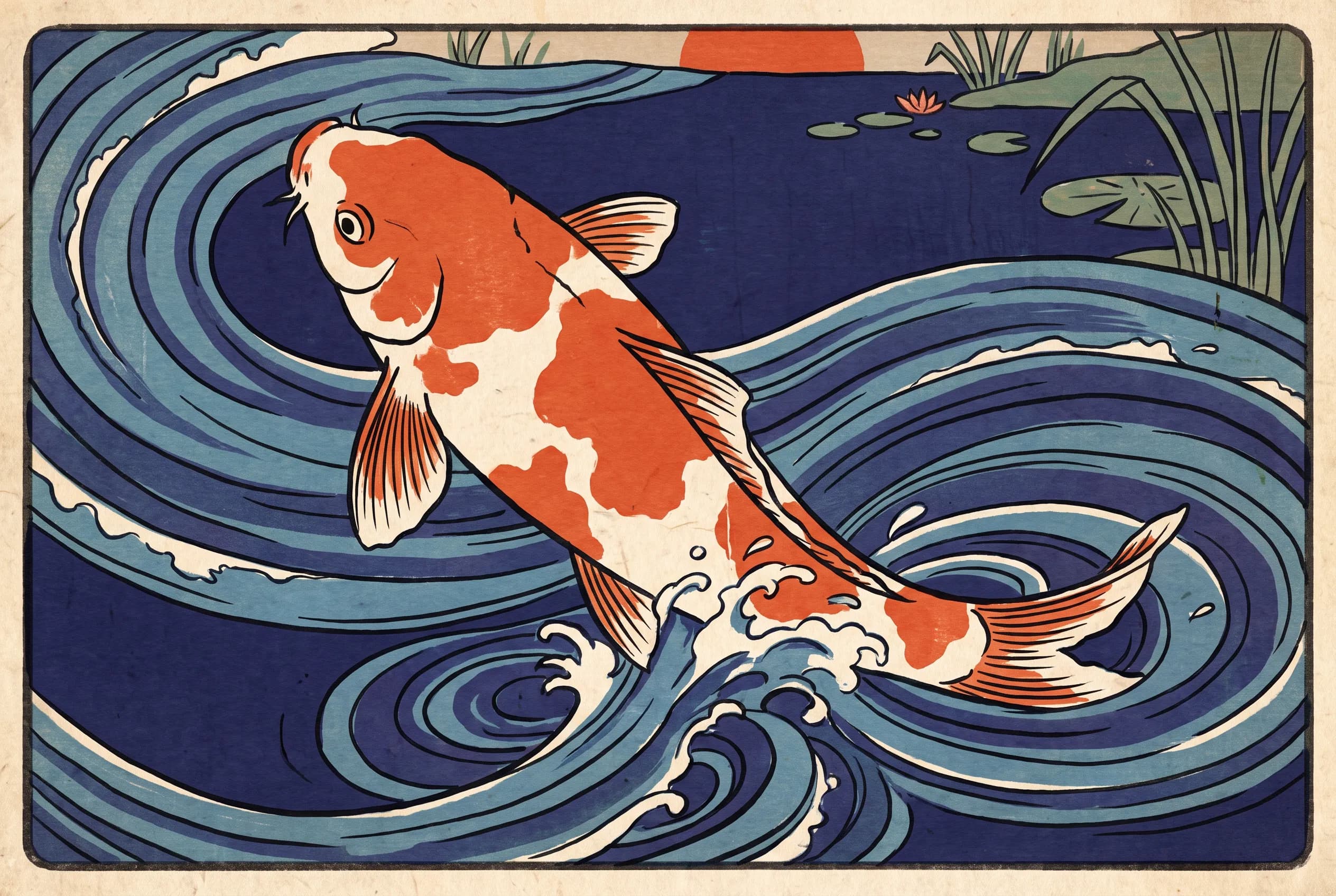
Japanese art styles are the painting, printmaking and drawing traditions of Japan, from Heian-era picture scrolls and Zen ink painting to Edo woodblock prints, manga and anime. Many started from Chinese models that Japanese artists reworked into something more irregular and suggestive. The traits that recur are a composition that runs on the diagonal or pulls to one side, flat planes of color held by strong outlines, and empty paper treated as part of the picture. The gallery below was made in FLORA's AI image generator.
Japanese art styles examples made in FLORA
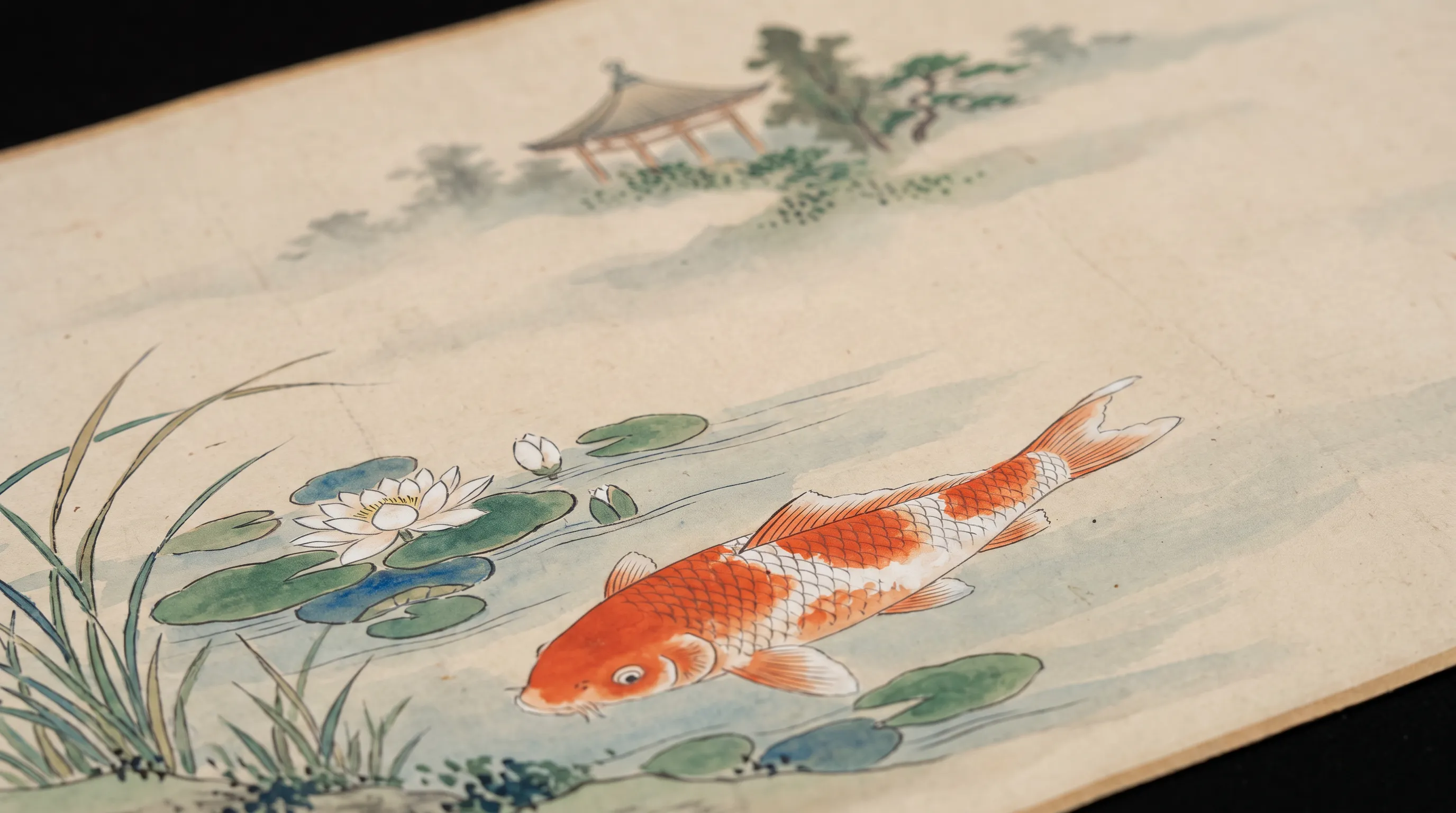
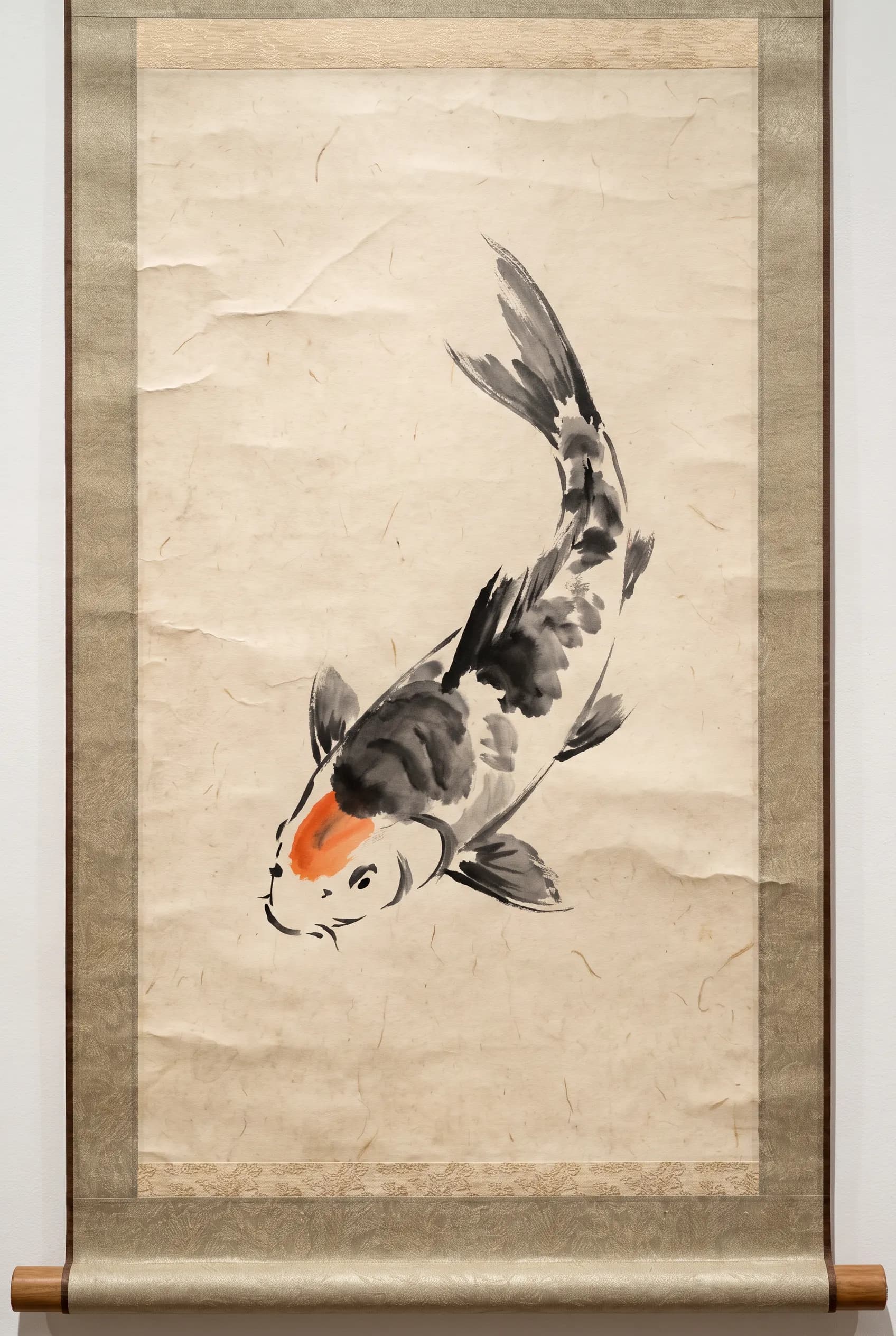
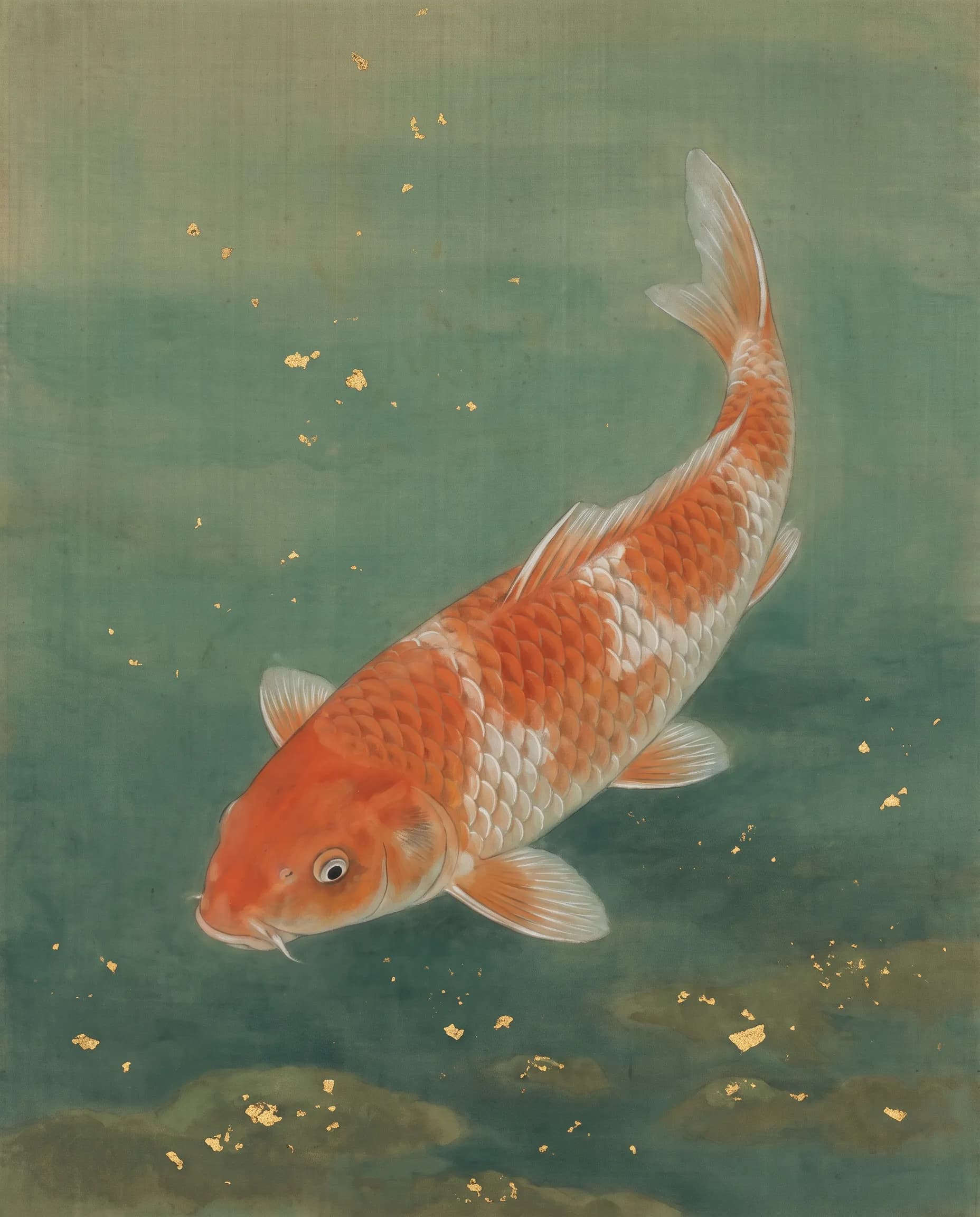
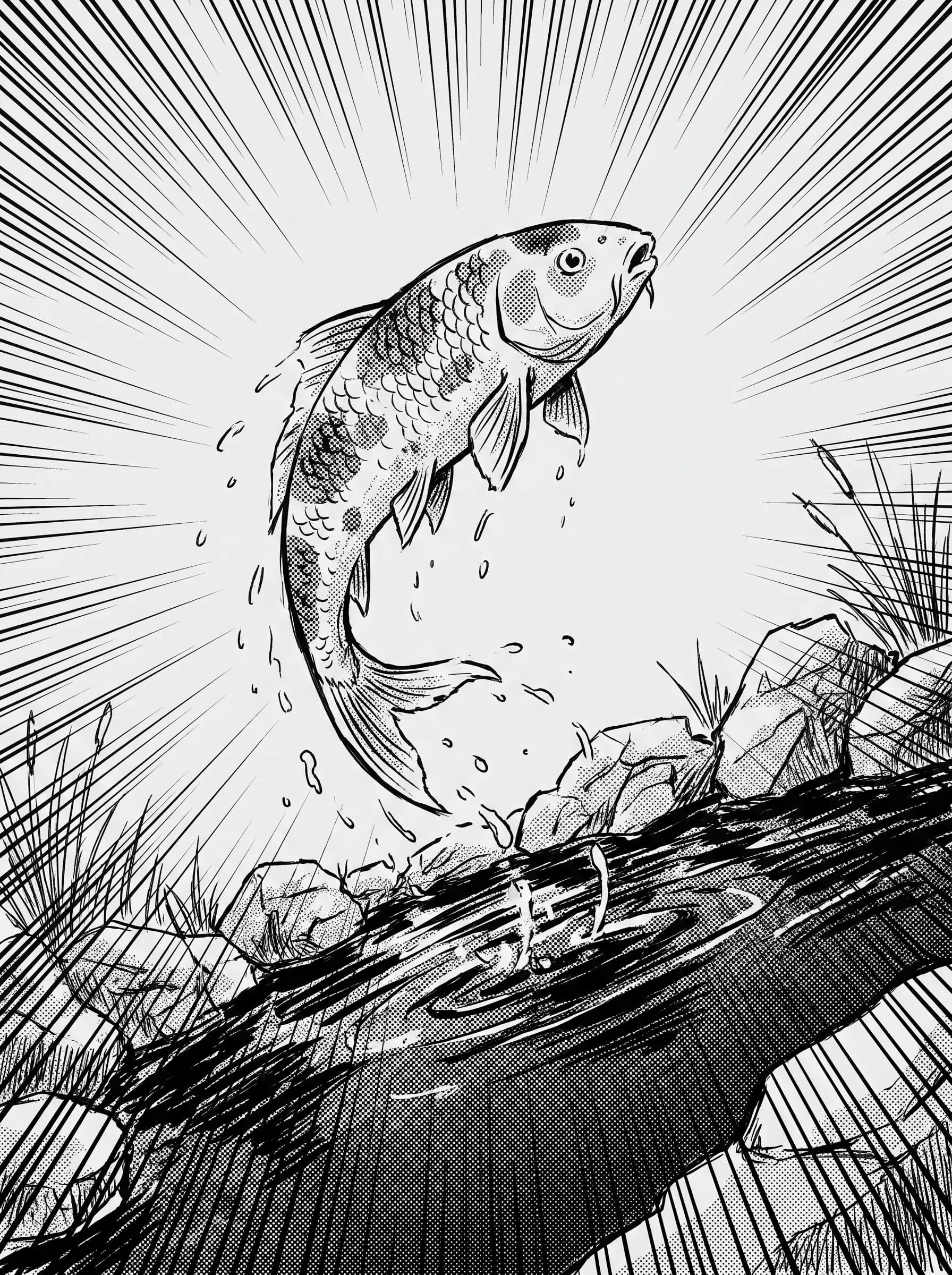
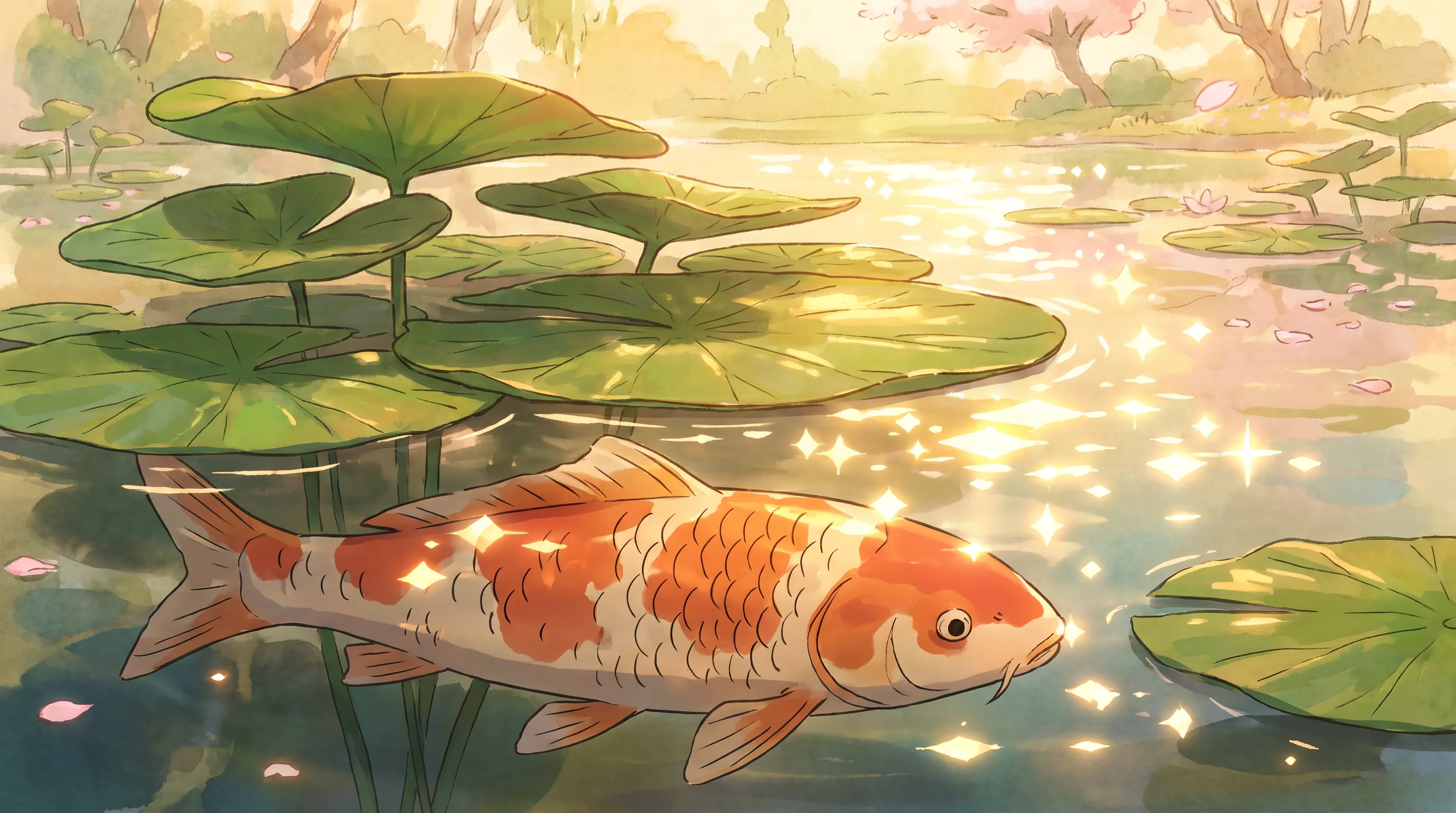
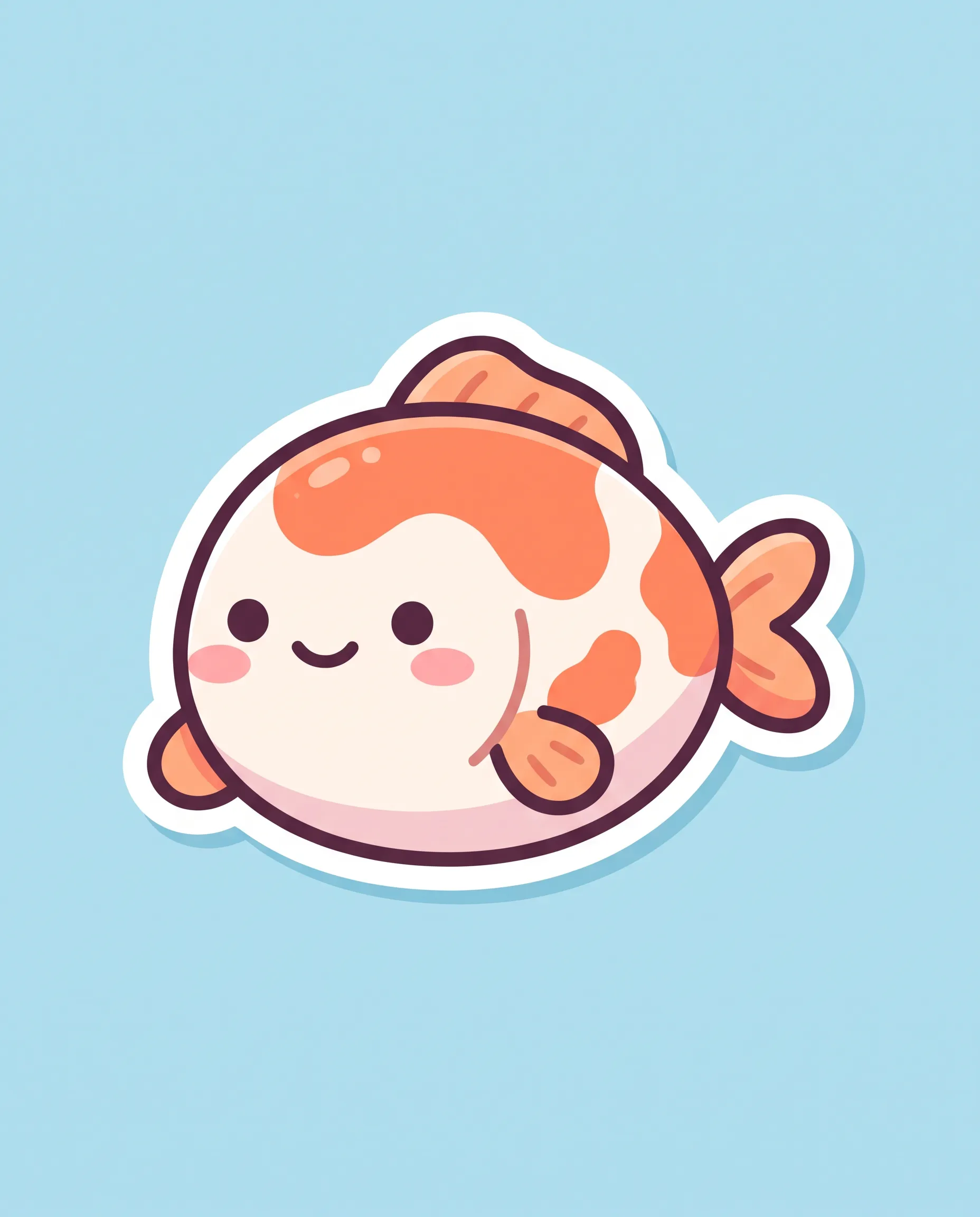
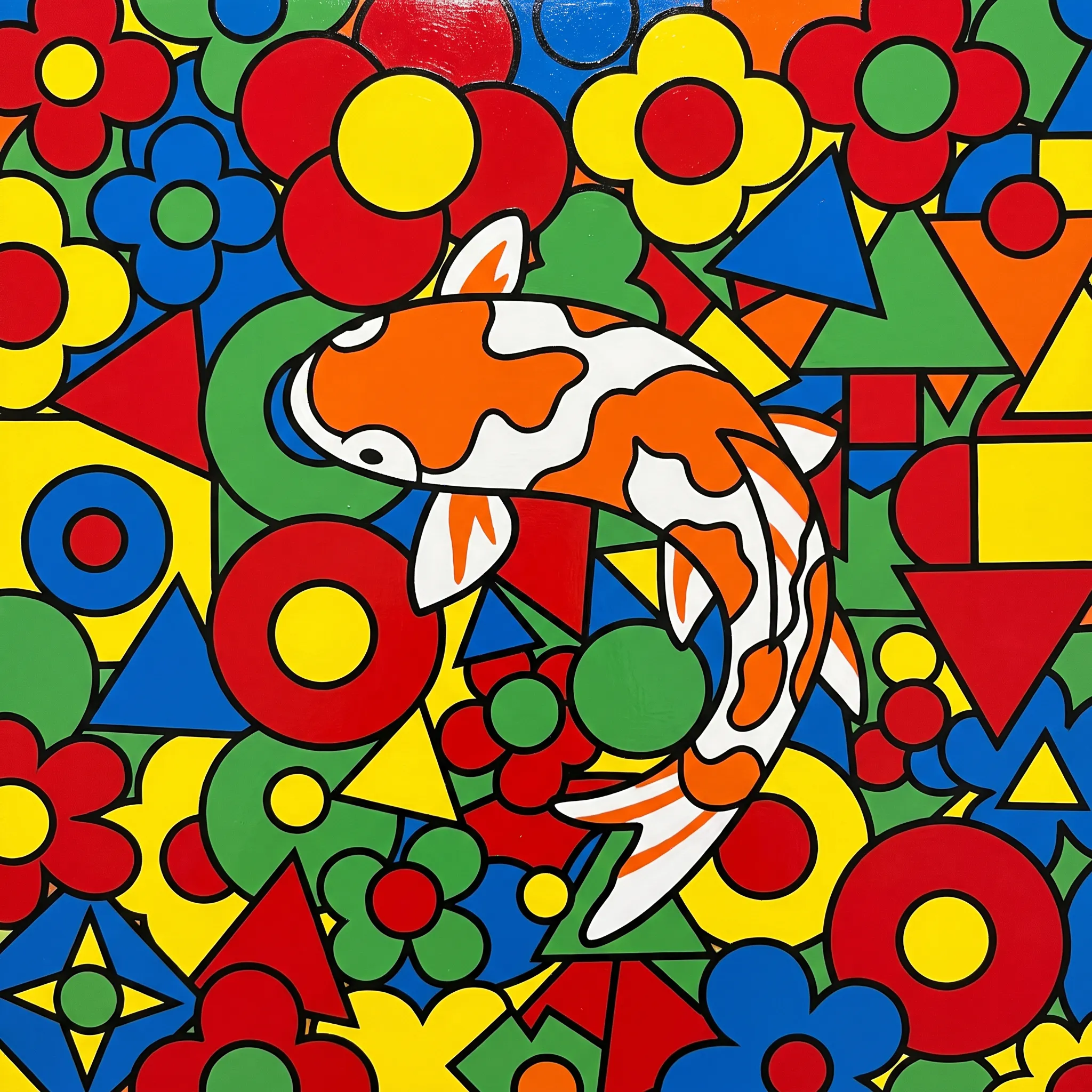
The subject stays fixed as one orange-and-white koi while the tradition changes with every image, so the set isolates what each style adds. Under each picture is the full prompt that made it.
How to prompt for Japanese art styles
Lead with the sub-style's name. The word Japanese by itself tends to return a souvenir collage of cherry blossoms and a red sun, while ukiyo-e or sumi-e points the model at one tradition and its tools. Put the subject second and the material third, because material is what separates these looks. Ukiyo-e means carved wood and paper, sumi-e means black ink on washi, and nihonga means powdered mineral pigment on silk or paper with a white made from shells. Superflat wants bright flat color and simplified, anime-inspired shapes. After that, set the composition, and an off-center or diagonal layout usually reads truer than a centered one. Keep the palette short and the light flat, so prints and paintings do not turn into photographs.
Prompts for three sub-styles
- Ukiyo-e. Ukiyo-e woodblock print of an orange-and-white koi rising through a pond, bold black outlines, flat areas of indigo and vermilion, stylized curling ripples, visible wood grain and soft paper texture, diagonal composition, no text
- Sumi-e. Sumi-e ink painting of a koi on washi paper, black ink in gray washes of varying strength, a single touch of orange on the head, quick confident brushstrokes, most of the paper left empty, hanging scroll format, no text
- Superflat. Superflat painting of an orange-and-white koi surrounded by a dense pattern of simple geometric flowers without faces, anime-inspired simplified shapes, bright flat colors with no shading, crisp hard edges, glossy acrylic finish, no text
Where prompts drift
Ink paintings tend to come back crowded. Tell the model to leave most of the paper empty; on Hasegawa Tōhaku's pine tree screen from about 1595, only some 15 percent of the paper carries paint. Ukiyo-e picks up modern gradients and lens blur unless you ask for flat color and the grain of the woodblock, and superflat slides toward ordinary anime when the prompt forgets to say no shading. Invented kanji and seals are the last trap, which ending every prompt with no text helps prevent.
Where Japanese art styles work
Tea and sake packaging can borrow these looks directly, whether that means a nihonga koi across a gift box or one sumi-e stroke on a label. Generate the art, run it through AI mockups for photoreal product shots, and lift exact swatches from the result with Palette Pull.
Restaurant and hotel interiors with a Japanese brief usually need a mood board before any final art. Drop one generated panel into the Moodboard Maker and it builds the board around that image.
To start from your own photograph, run it through Photo to Drawing, which returns a step-by-step drawing page with sketch-style lines, then ask for the ukiyo-e or manga treatment on top.
Related styles
- Cute art styles, where kawaii sits next to chibi and sticker looks
- Pop art style, bright flat color with a Western accent
- Cartoon art styles, character drawing beyond the manga tradition
- Art nouveau style, curving natural forms in European decorative art
- Art deco style, geometric ornament from the interwar years
FAQs
What are Japanese art styles called?
Many of the names describe the picture itself. Ukiyo-e translates as pictures of the floating world, emaki as picture scroll and nihonga as pictures in a Japanese style, while yōga became the label for Western-style painting. Before nihonga and yōga were coined in the Meiji era, paintings were sorted by school instead, such as the Kanō, Maruyama-Shijō and Tosa schools.
Which Japanese art styles are the most iconic?
Ukiyo-e, and above all Hokusai's Under the Wave off Kanagawa, better known as The Great Wave, from the series Thirty-six Views of Mount Fuji (about 1830 to 1832). It is the school best known in the West. Printmakers such as Kiyonaga, Utamaro and Hiroshige also had a profound impact on Edgar Degas and Vincent van Gogh.
What is Yamato style?
Yamato-e means Japanese-style painting, the vivid narrative scroll work that came to the fore late in the Heian era. By the 12th century its painters were already using the cutoff, the close-up and the fade-out, which some writers see as one reason filmmaking took hold so naturally in Japan.
What is vintage Japanese art called?
There is no single term. The popular prints of the Edo period are ukiyo-e, the literati painting that ran alongside them is nanga, also called bunjinga, and monochrome ink work is suibokuga or sumi-e. Nanga painters modeled themselves on Chinese scholar-painters, with Ike no Taiga and Yosa Buson among its leading names.



