
Chinese Art Styles on Silk, Paper and Porcelain
 FLORA
FLORA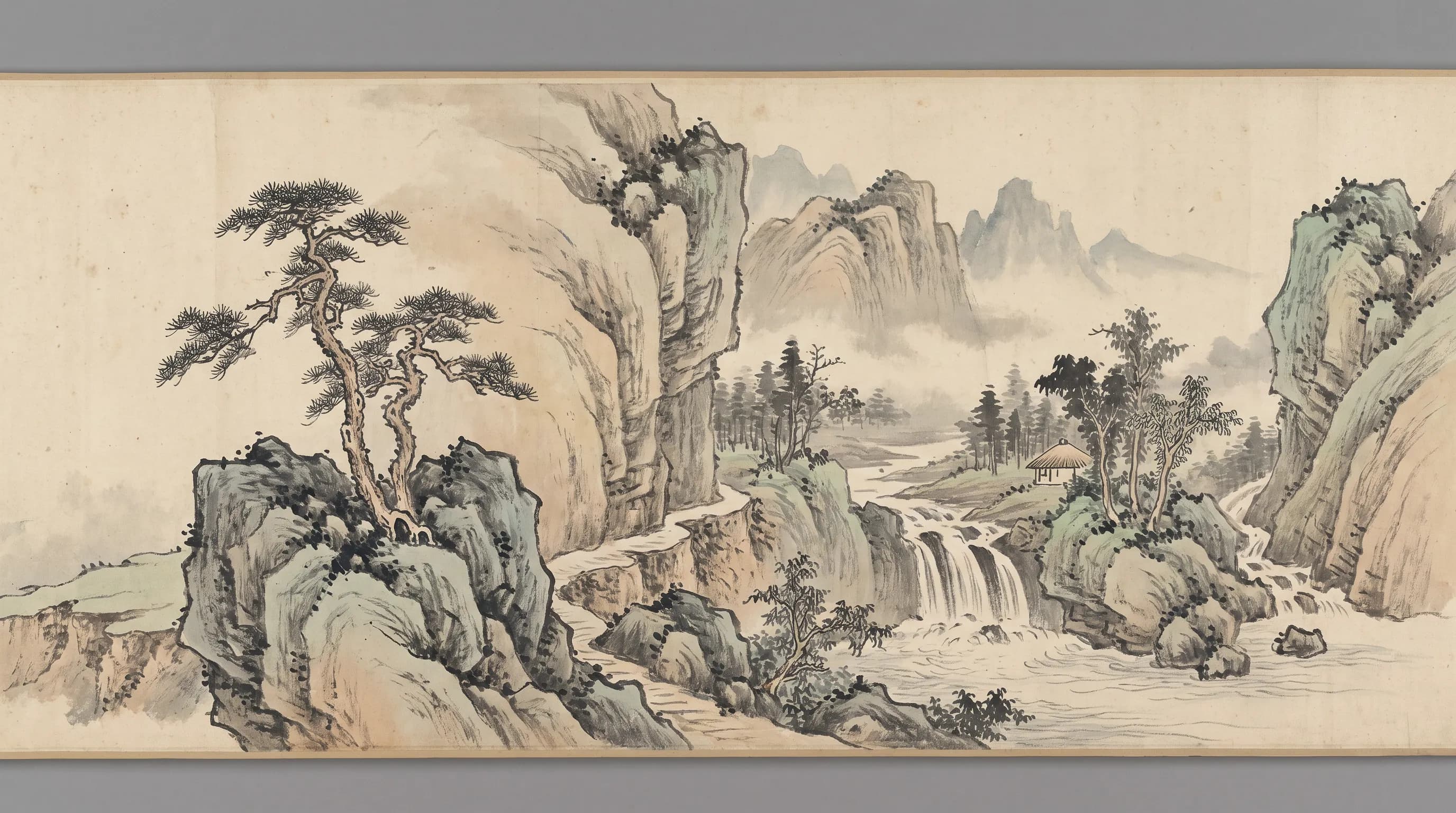
Chinese art styles are the painting and decorative traditions of China, and the painted ones grew from brush and ink, sharing their discipline with calligraphy, which literate children learned by copying standard character forms. Court artists and professionals painted on silk in mineral pigments, aiming for a colorful, lifelike finish held by precise outlines. Scholar-officials preferred monochrome ink on paper, letting expressive, calligraphic strokes carry the picture. Either way, line defines the shapes, since traditional painters turned away from modeling with light and shadow. Subjects carry meaning too, and the old trees, bamboo and rocks of scholar painting came to stand for the painter's own character.
Chinese art styles examples made in FLORA
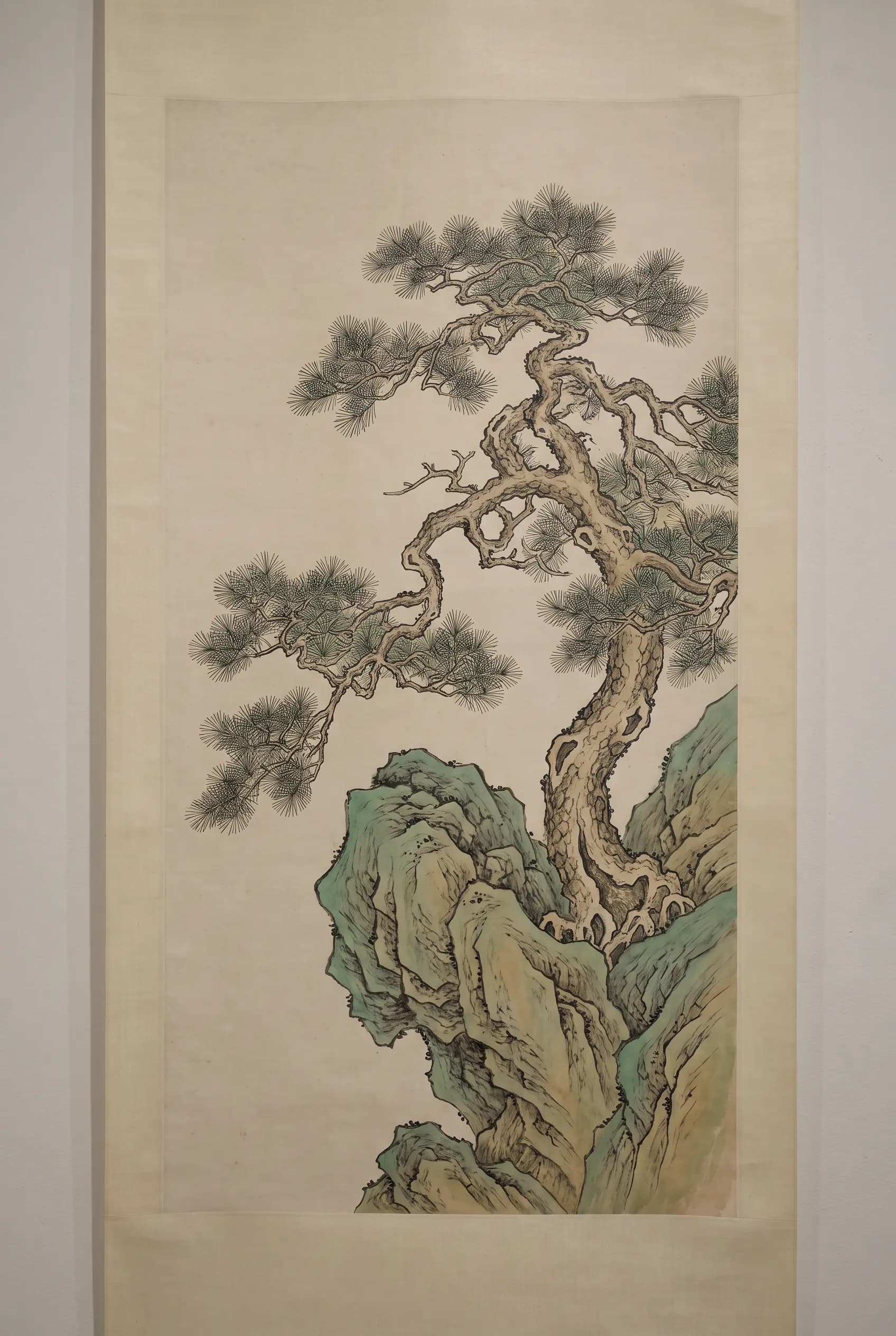
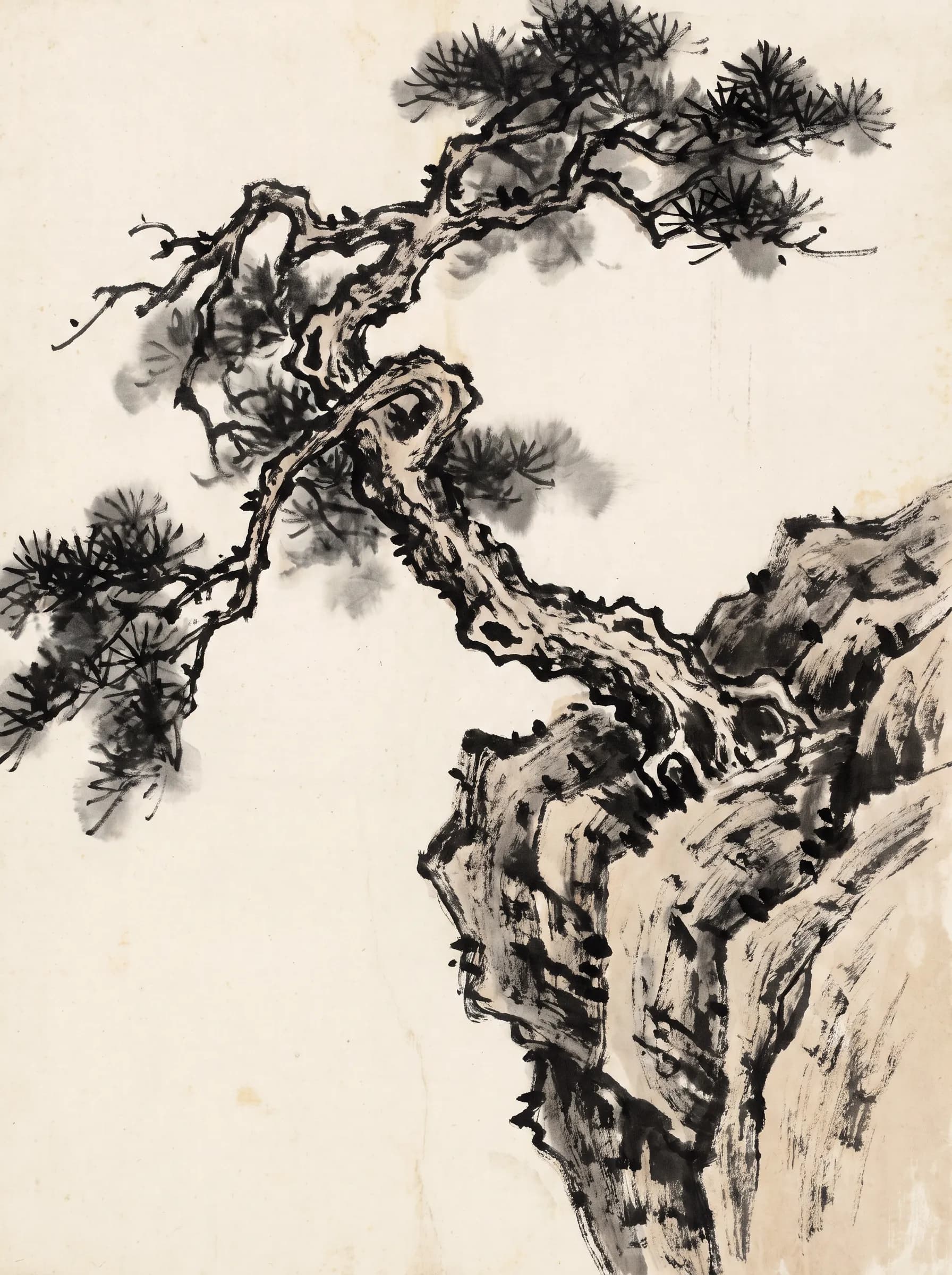
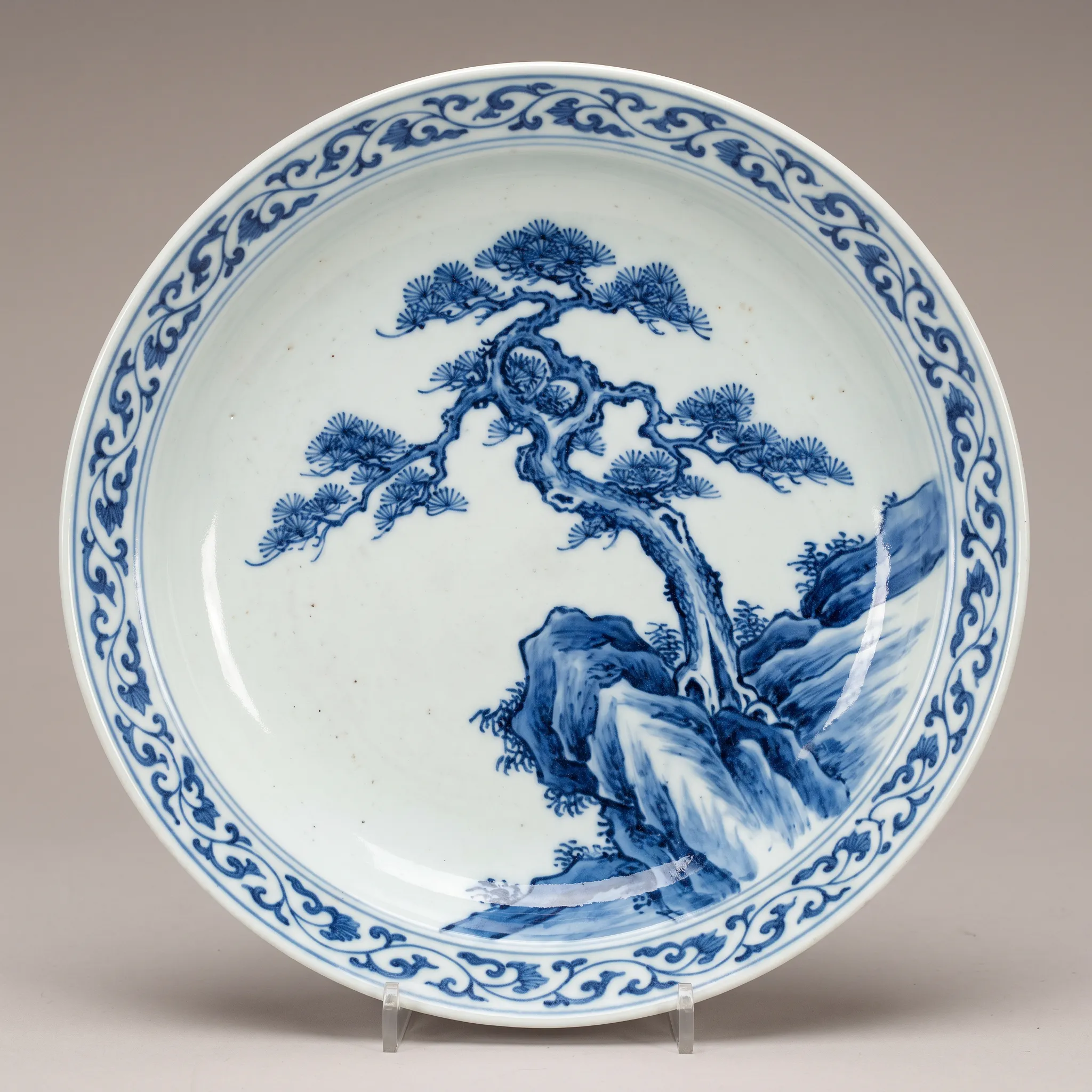
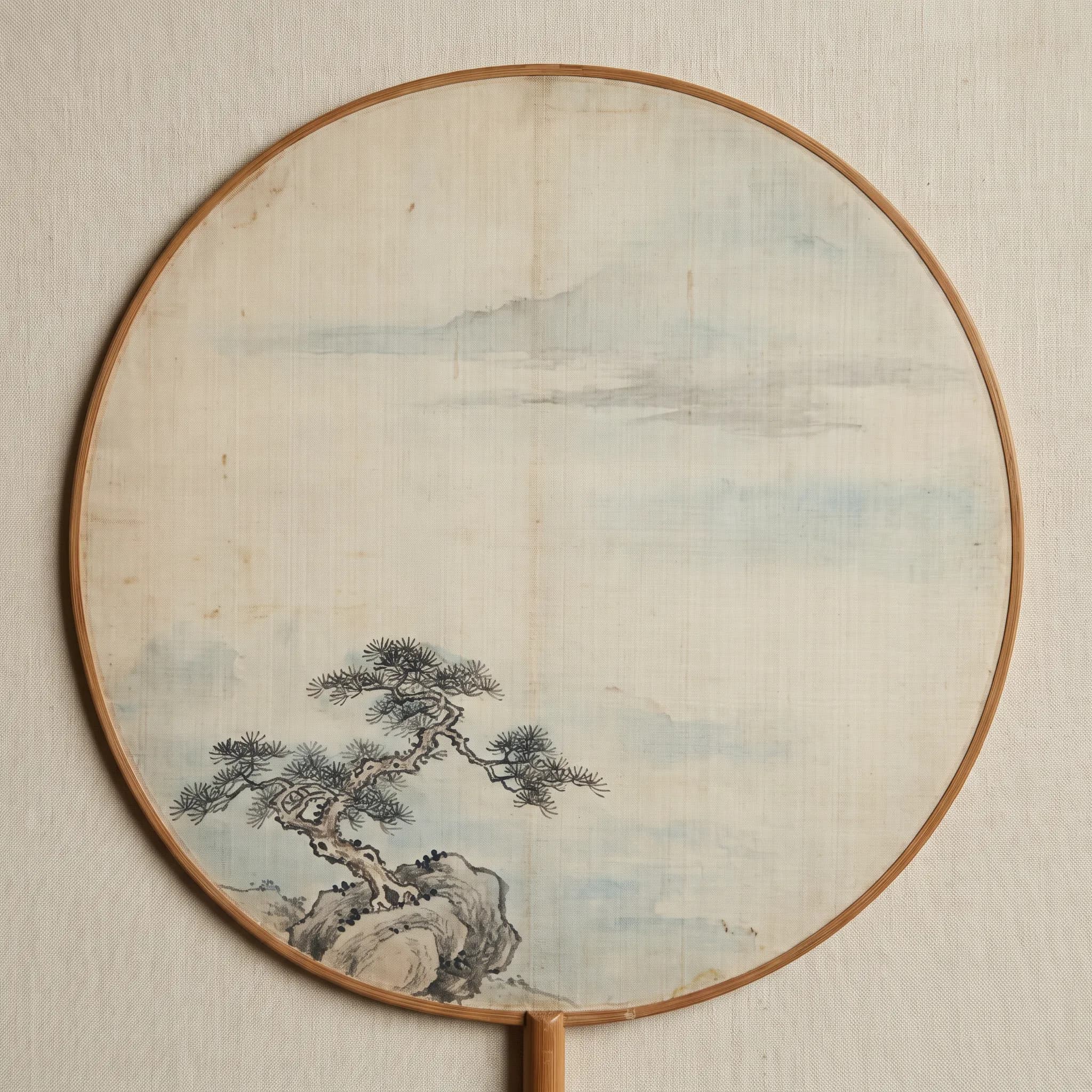
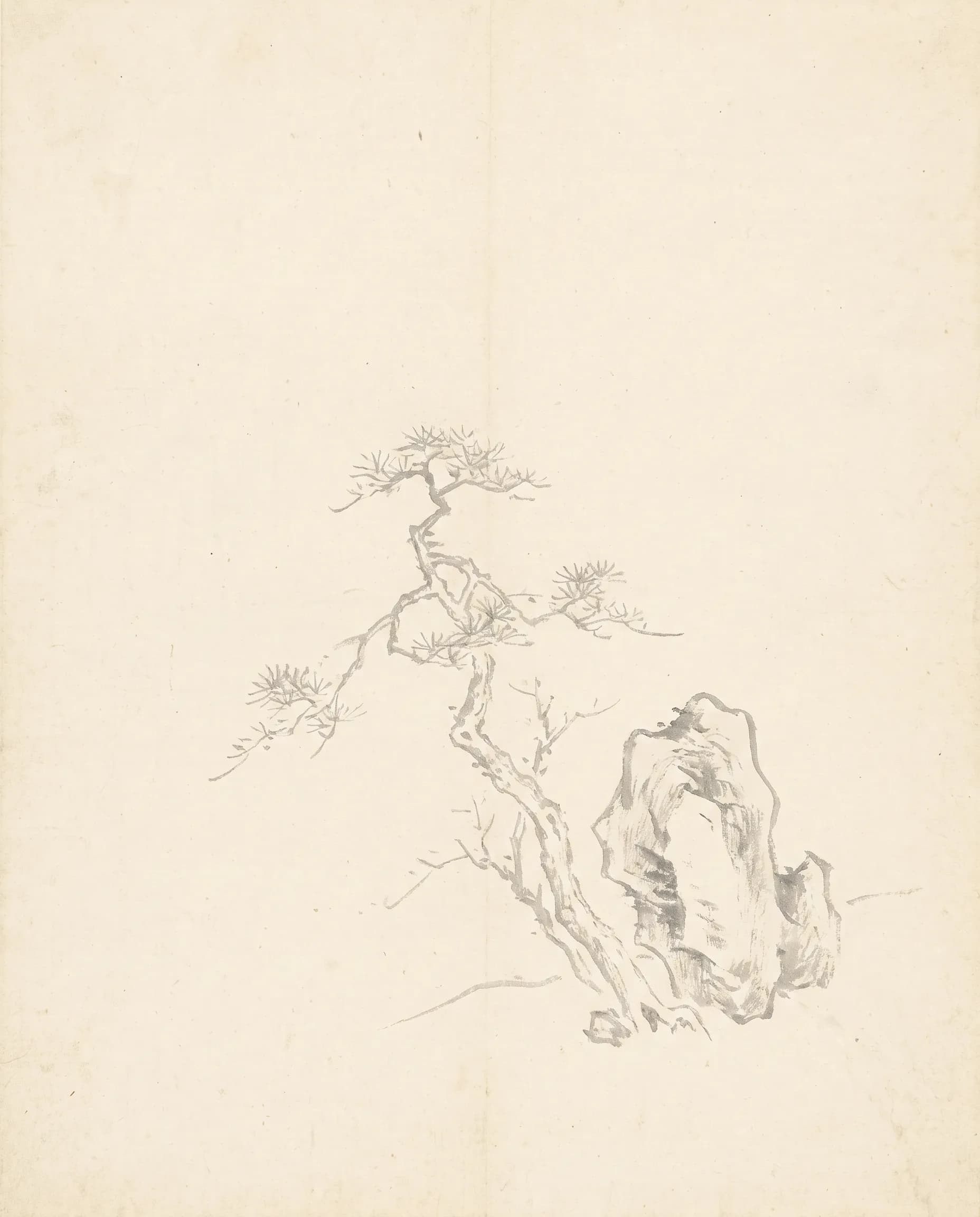
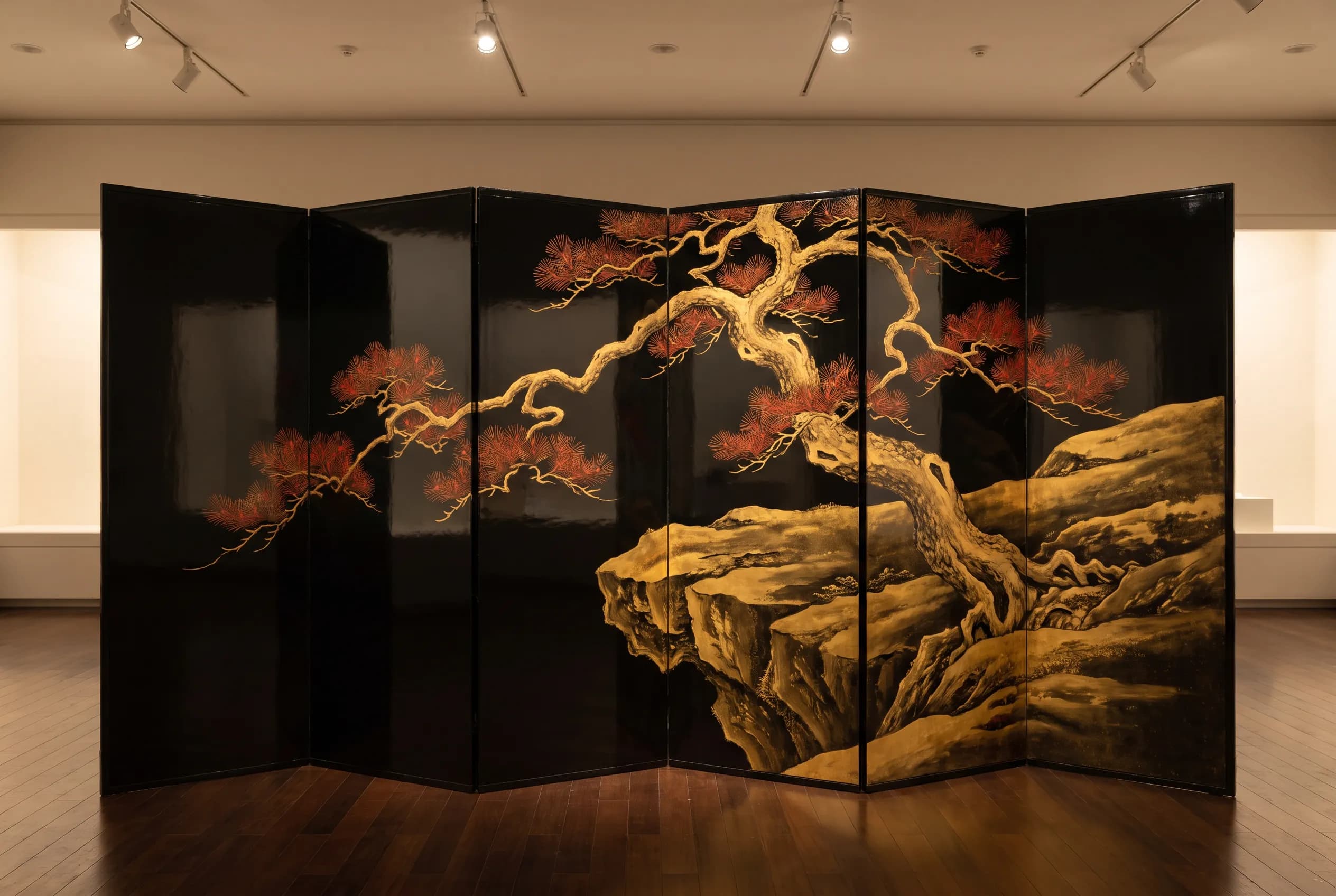
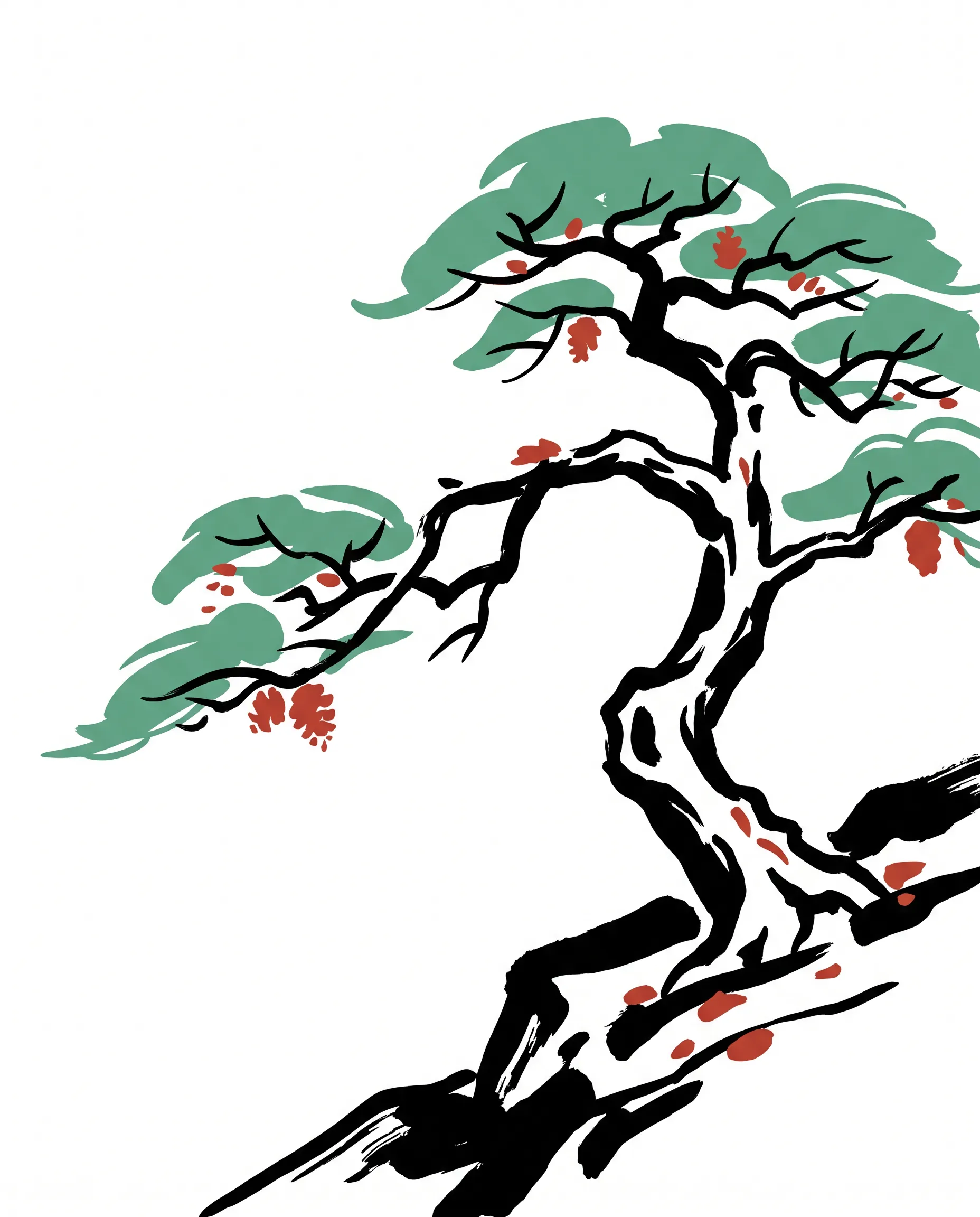
A gnarled pine clinging to rock is the subject of every picture below. In Chinese painting the tree is a sign of survival, because it stays green through winter, and of the princely gentleman, because its boughs shelter smaller trees; Zhao Mengfu painted two of them around 1310 in Twin Pines, Level Distance. Captions give the prompts used in FLORA's AI image generator.
How to prompt for Chinese art styles
Each sub-style comes with its own surface, and a good prompt carries both. Gongbi lays down fine, even outlines first and builds color in thin layers, usually on silk or on shu xuan, a treated paper. Xieyi, the freehand mode, goes on raw sheng xuan, which soaks up water, so wet strokes can spread. Shan shui, literally mountain-water, calls for mountains, water and a path that never runs straight. Blue-and-white painting is its own craft, with cobalt brushed onto the dried body and sealed under clear glaze in one firing.
Asking for an ancient Chinese art style leaves the model guessing across many centuries, and it can land on a generic mix of mist and pagodas stamped with red seals. Pin it to one technique or a dynasty such as the Song. A brand brief that just asks for a Chinese art style should spell out which one.
Gongbi, xieyi and porcelain prompts
- Gongbi. Gongbi painting of an old pine rooted in a rocky ledge, fine even ink outlines around every needle cluster and plate of bark, layered washes of malachite green and soft ochre, sized silk ground, hanging scroll format, flat even light, no seal stamps or calligraphy, no text
- Xieyi. Xieyi ink painting of a twisted pine leaning from a cliff, fast freehand brushwork in black ink on absorbent raw xuan paper, wet strokes spreading at their edges, dry-brush bark texture, large areas of blank paper, without red seals or written characters, no text
- Porcelain. Blue-and-white porcelain plate painted with a windswept pine growing from rocks, cobalt blue brushwork under a clear glossy glaze, graded blue washes, scrolling plant border around the rim, white porcelain body, studio product photo, no reign marks or inscriptions, no text
Fixes for common slips
Red seals and columns of invented characters often appear unasked. Rule them out by name. Models also tend to add sunlight and cast shadows, which clashes with a tradition that drew form with line, so ask for soft, shadowless light. Porcelain prompts can drift toward Dutch Delftware. Naming cobalt and an open white ground tends to pull them back toward Jingdezhen porcelain.
Where Chinese art styles work
Tea and mooncake brands can put a gongbi pine or a cobalt border on their boxes. Start AI packaging design with the product and it returns a hero carton, a photoreal retail shelf render and matching variants for the range.
A cobalt plant scroll from the porcelain prompt also makes a repeat for scarves and cushions. Generate that pattern first. Print/Pattern Replacement only applies a print you already have; upload it with a product image and it returns one product shot with the pattern in place.
Long shan shui frames suit website headers, where the eye moves across the scene the way it would along an unrolled handscroll.
Related styles
- Japanese art styles, a neighbor whose 8th-century art centered on the Chinese Tang style
- Painting art styles, the broader set of painting traditions and movements
- Drawing art styles, line-first methods close to the outline work of gongbi
- Aztec art style, a classical tradition from across the Pacific, built in stone
FAQs
What is the Chinese art style called?
In Chinese, the traditional Chinese art style of brush painting goes by guohua, national or native painting, which distinguishes it from the Western styles that became popular in China during the 20th century. Another name is danqing, and the ink-and-wash branch is shuimo, water and ink.
What are the four most common types of Chinese paintings?
Sorted by format, they are the handscroll, the hanging scroll, the album leaf and the fan. Between them, those four cover every painting illustrated in the Met's two essays on Chinese painting. Formats can change, too. Han Gan's Night-Shining White, a horse painted about 750, was once roughly a foot square; the inscriptions and seals later owners kept adding have stretched its mounting into a handscroll twenty feet long.
What are three major types of Chinese art?
One traditional trio is the three perfections, calligraphy, poetry and painting, which scholar-artists eventually combined in a single work. Zhao Mengfu, a brilliant calligrapher as well as a painter, even described his paintings with the verb to write.



