
Renaissance Art Style, From Vanishing Point to Oil Glaze
 FLORA
FLORA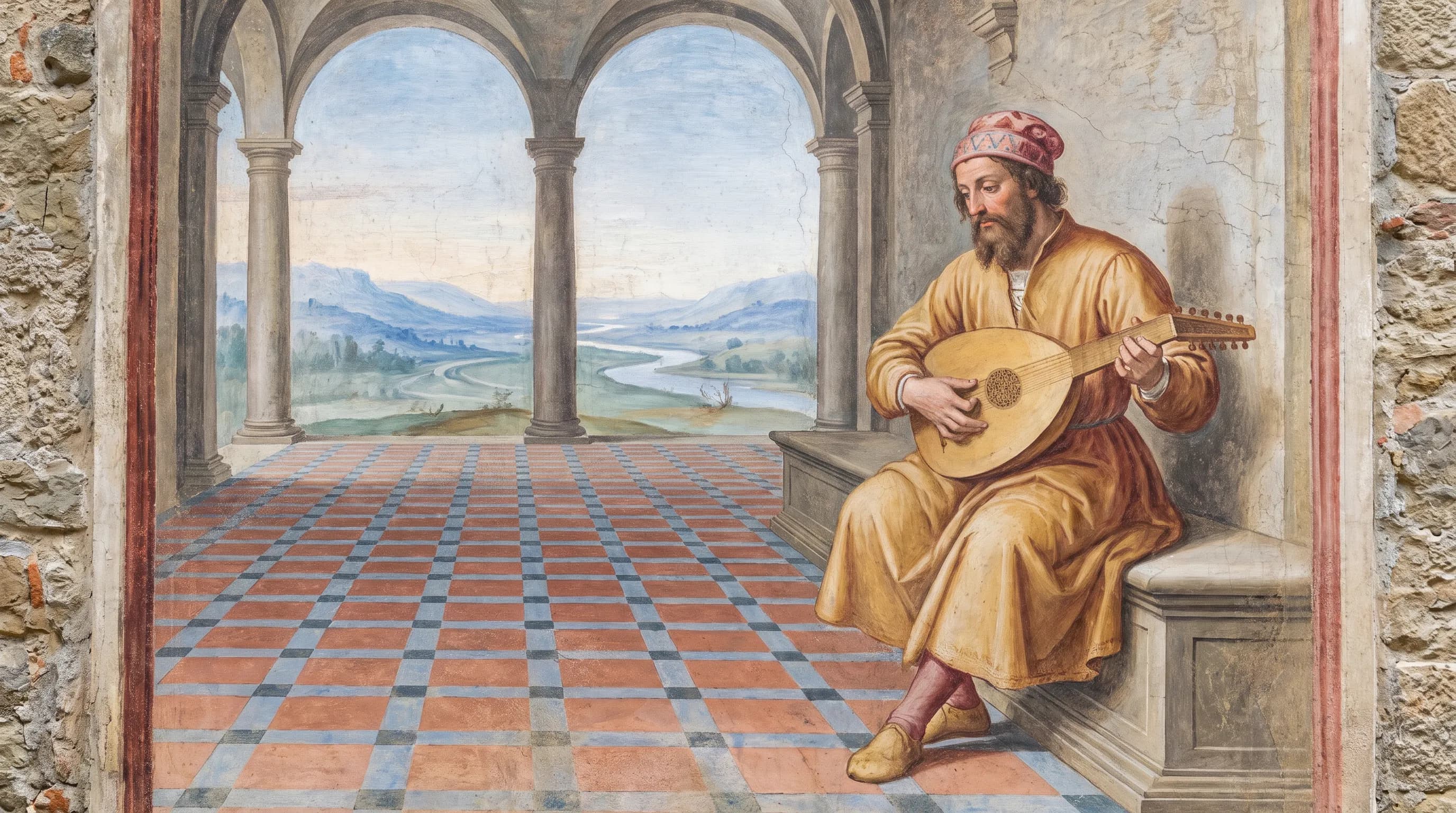
Renaissance art style is the naturalistic manner that spread through European painting, sculpture and architecture between the 14th and 16th centuries and became dominant in 15th- and 16th-century Italy. Its name is the French word for rebirth, and a revival of classical learning was one of the forces behind it. Bodies are the first clue. They have mass and correct anatomy, and a standing figure often rests its weight on one leg, the classical pose called contrapposto. Where medieval painters set holy figures against gold, these painters placed them in landscapes from the visible world, and floors recede toward a single vanishing point so the space feels deep enough to walk into.
Renaissance art style examples made in FLORA
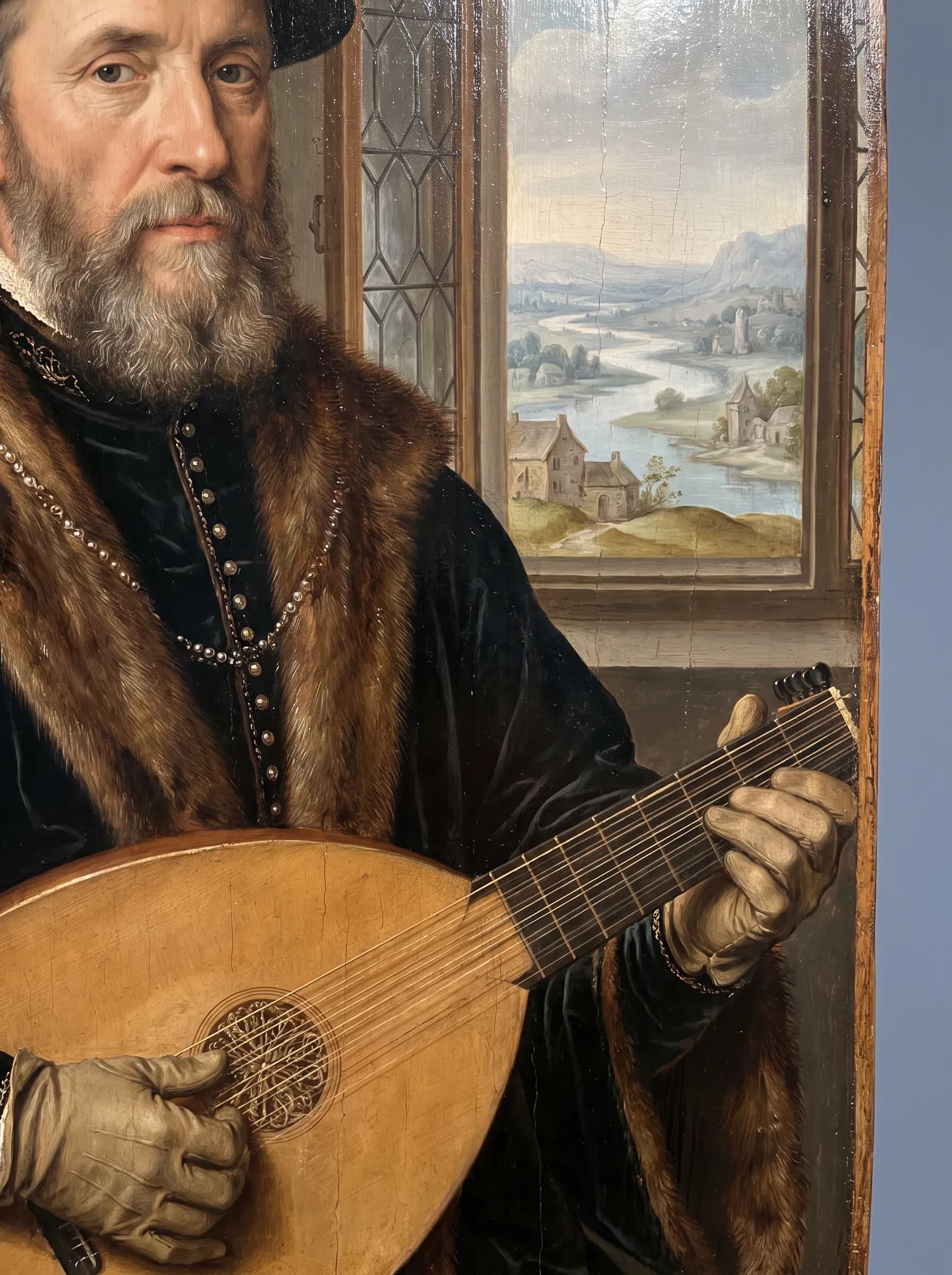
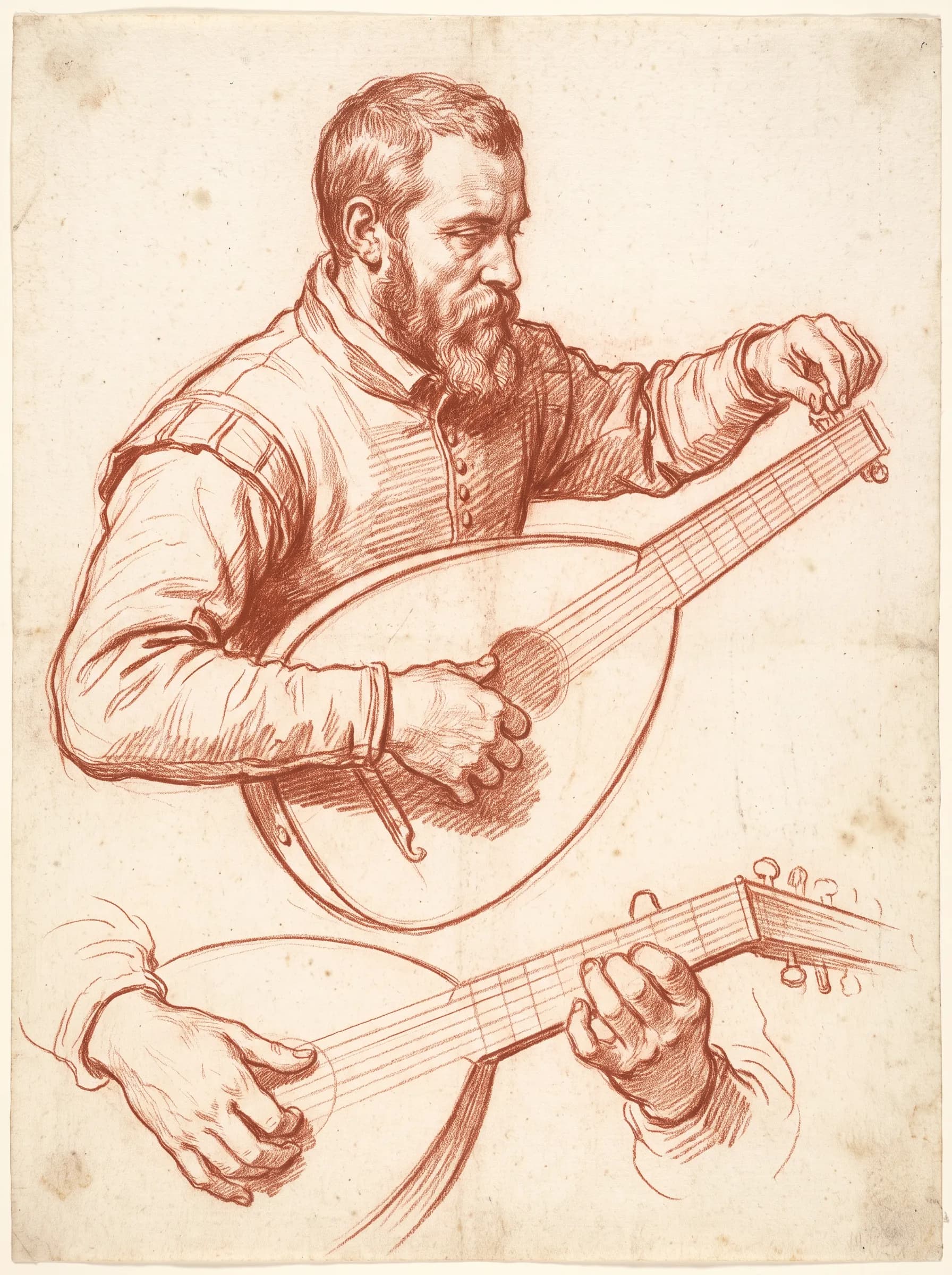
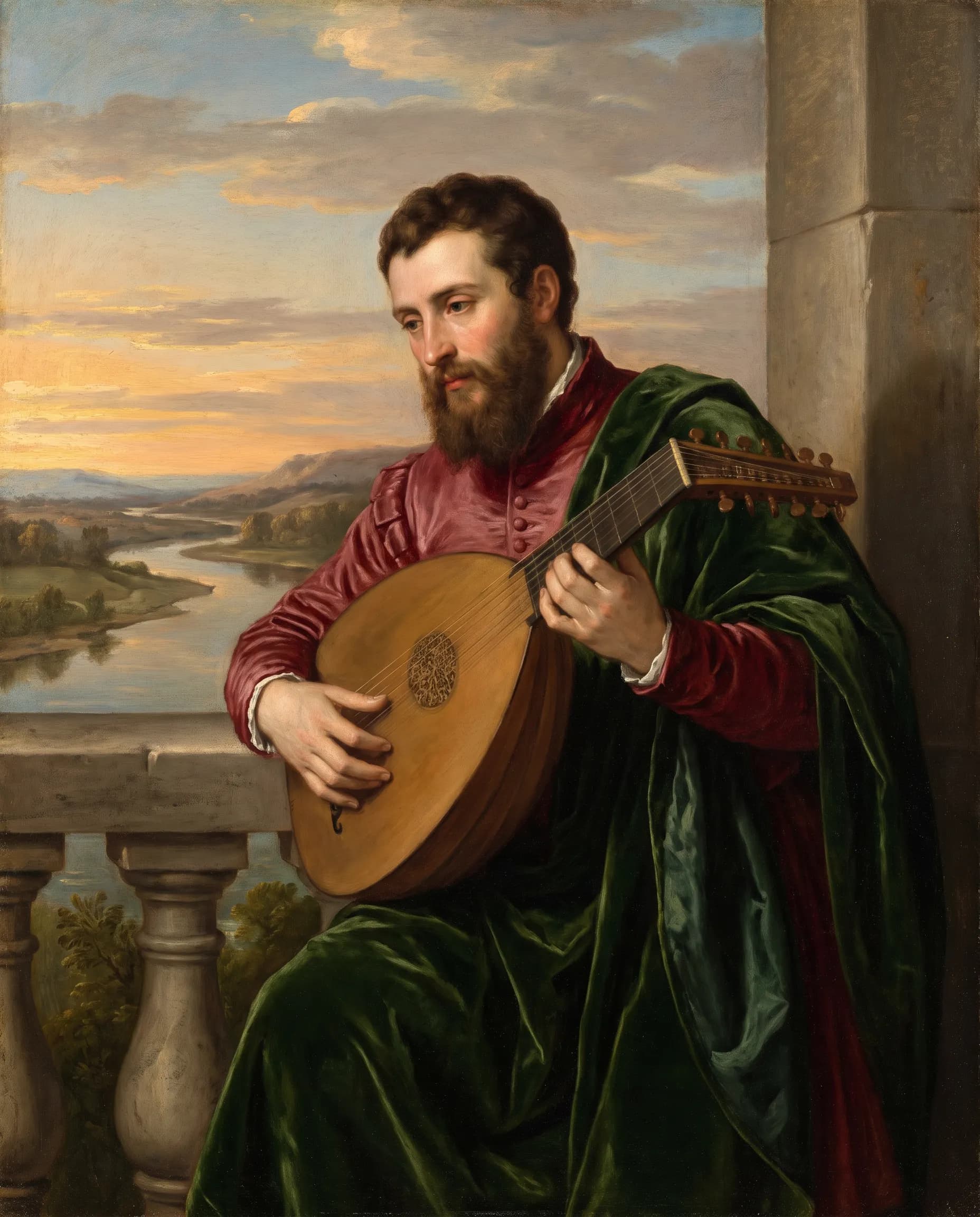
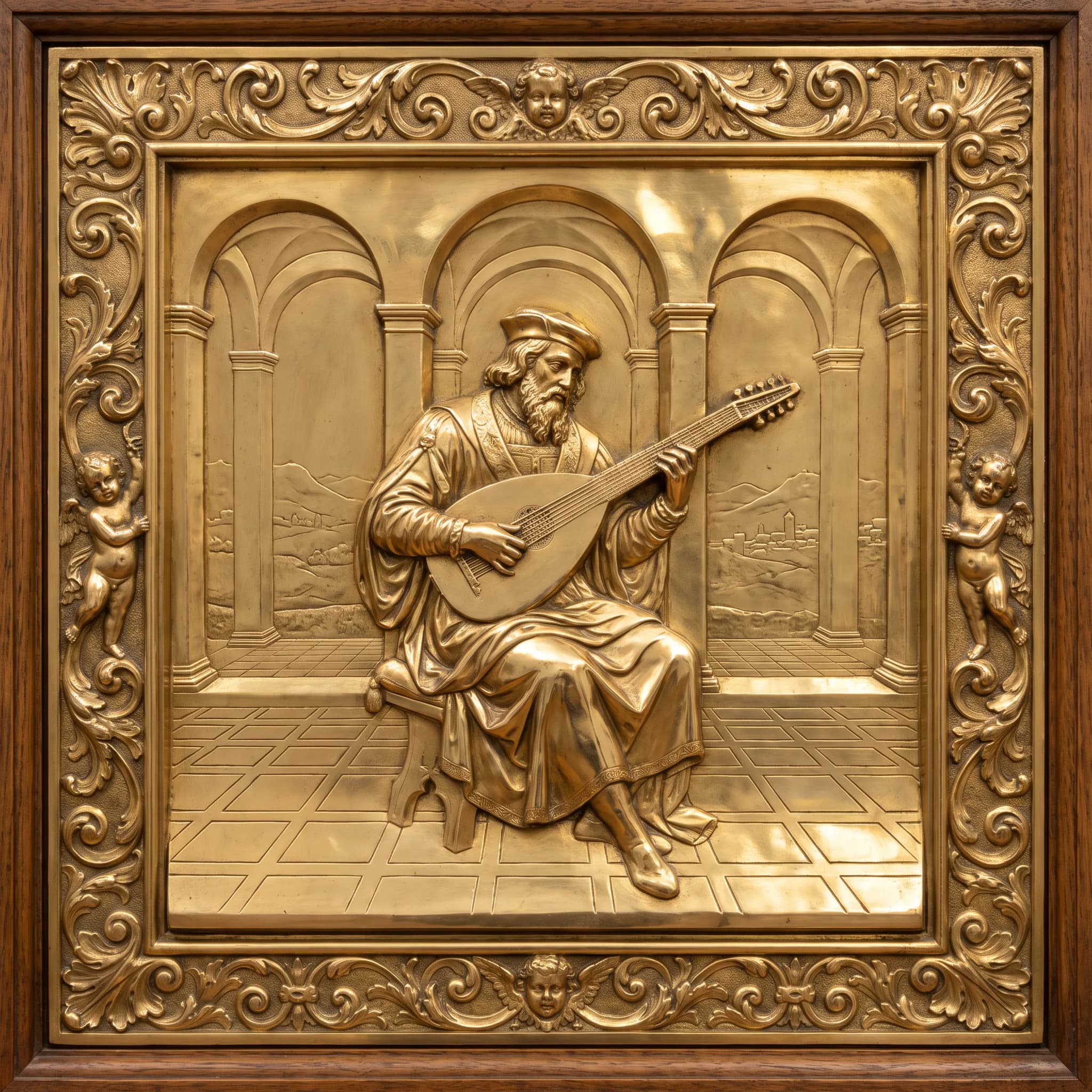
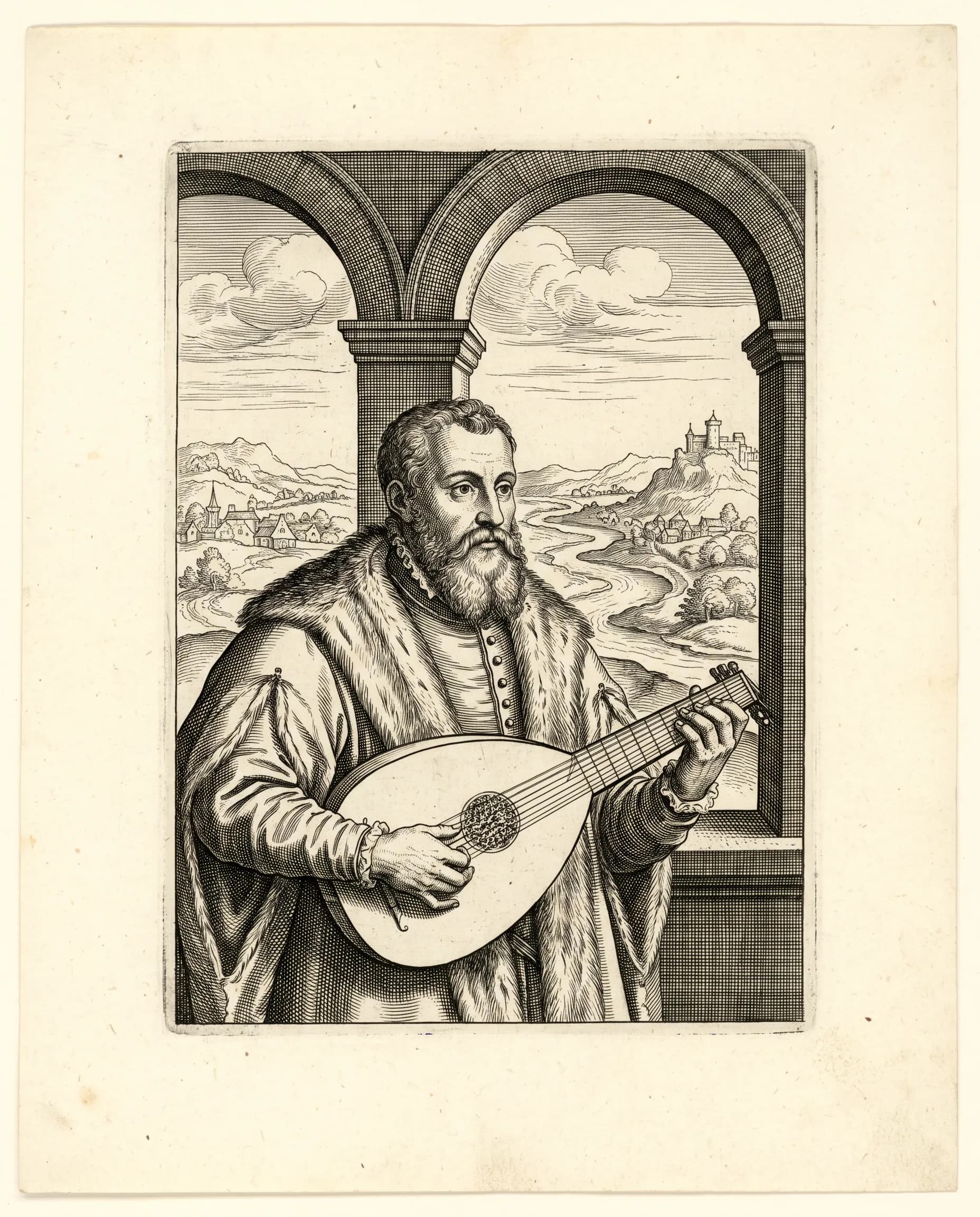
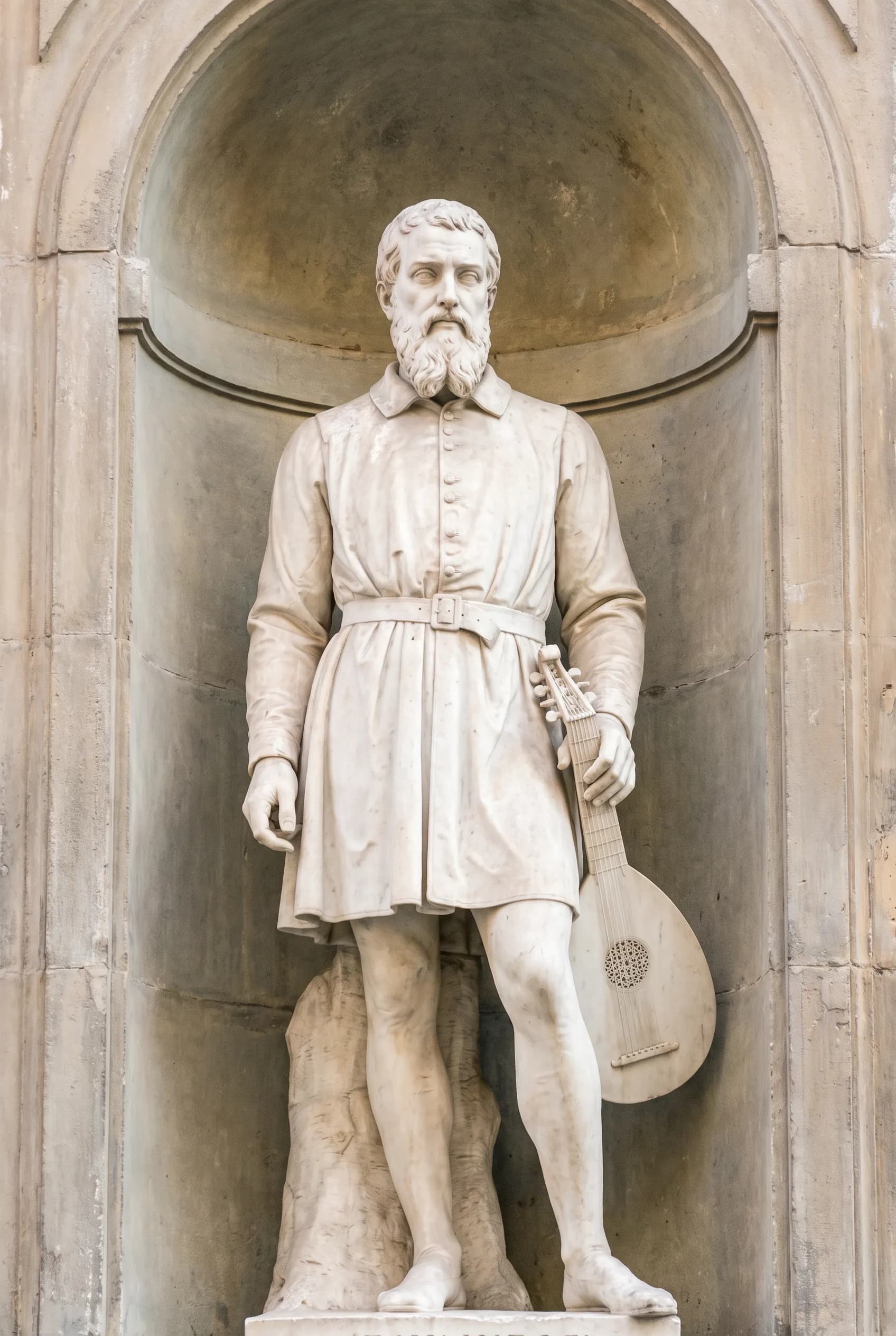
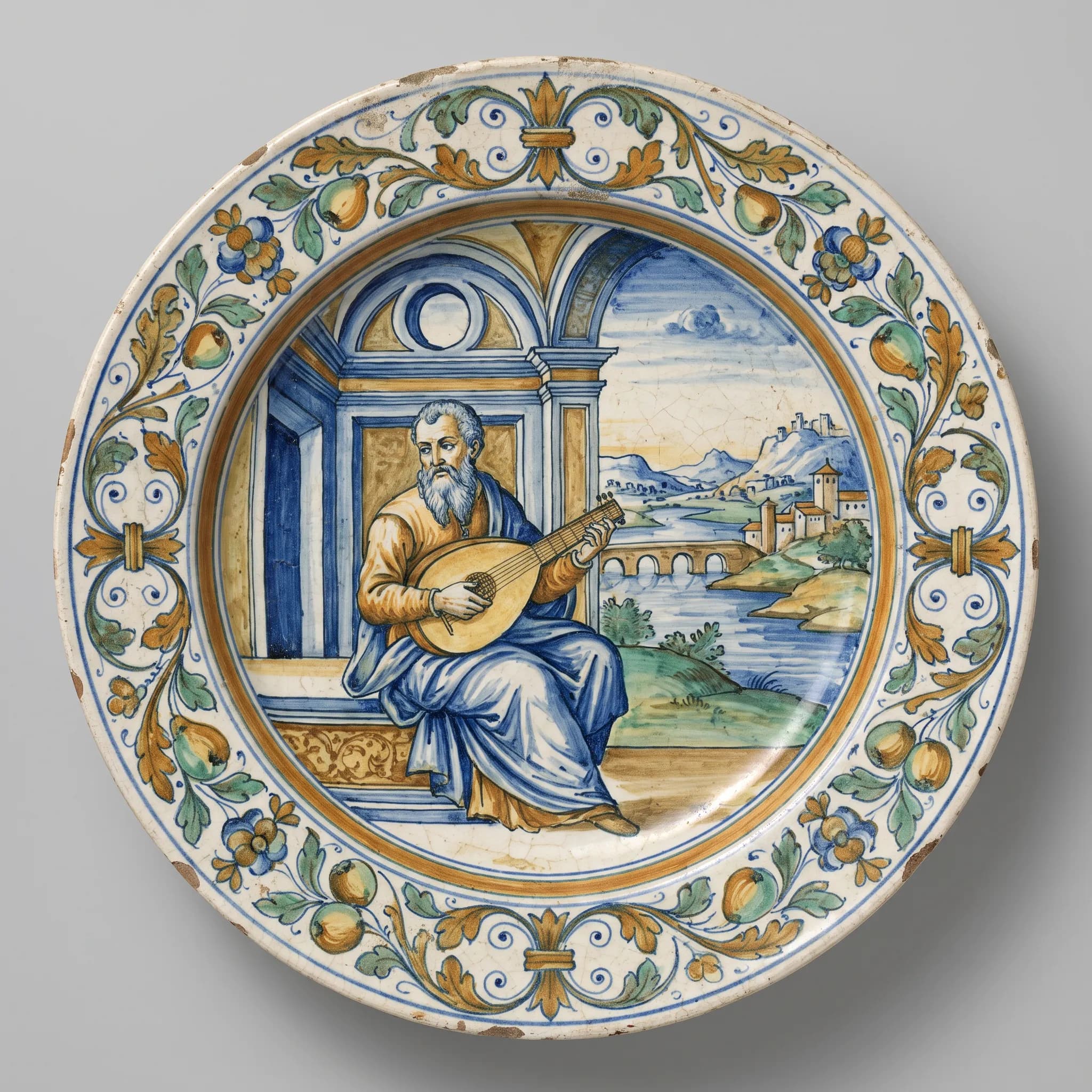
New patrons from a rising merchant class asked for portraits and scenes of contemporary life, so the sitter is a layman, an invented bearded musician tuning a lute in a stone loggia above a river valley. All eight pictures came from FLORA's AI image generator, with each prompt repeated in its caption.
How to prompt for Renaissance art style
Begin with the floor. Tiles or a run of columns give the model lines to send back toward a single point on the horizon, and that geometry signals the period faster than costume does. Turn the figure three-quarters and give the hands something to do, since expression and gesture were how these painters gave a figure character. Hills that pale into blue haze as they recede add depth behind him, and the light should stay soft.
For an Italian picture, a pyramid-shaped grouping helps, the arrangement Raphael borrowed from Leonardo for his Madonnas, while Venice calls for soft light and vibrant color. A Northern prompt should list textures down to the fur trim, because precise detail was how painters there chased realism.
Prompts from plaster to chalk
- Fresco. Italian Renaissance fresco of a bearded lute player seated in a stone loggia, tiled floor lines meeting at one vanishing point on a low horizon, river valley fading into blue hills, soft daylight, chalky ochre, rose and sky blue, no text
- Flemish oil panel. Northern Renaissance oil on oak panel, close portrait of a bearded lute player in a fur-trimmed coat, each hair, pearl button and lute string in precise detail, translucent glazes, window view of a river valley, no text
- Red chalk. Red chalk study on cream paper of a bearded lute player turning to tune his instrument, Renaissance drawing style, confident contours, parallel hatching, a second study of his hands on the sheet, no text
When the century drifts
Results often drift toward Baroque drama, with a hard spotlight and inky shadows, and asking for diffuse light undoes it. A gold sky pulls the other way. Naming a real landscape fixes that. Airbrushed modern faces are another risk, which fresco texture or oil glazes in the prompt can correct. Splayed floor tiles are subtler, and repeating one vanishing point late in the prompt often brings them back into line.
Where Renaissance art style works
Wine and olive oil labels borrow the period easily, since a portrait medallion reads as Italian and old at a glance. Describe the bottle shape and the brand to the bottle label maker, and it returns the label laid out flat, wrapped onto a photoreal bottle, and repeated across matching variants.
Trattoria walls and menu headers suit Renaissance style art too, though the 1500s palette seldom matches a brand. Generate the fresco, then hand Image Recolor your palette as the reference; it changes color and leaves shape, texture and lighting alone, so the plaster look stays intact.
Related styles
- Medieval art style, the gold-ground tradition these landscapes replaced
- Baroque art style, where solid figures meet hard light and motion
- Rococo art style, a later and lighter turn toward ornament
- Painting art styles, the broader family from fresco to abstraction
FAQs
What are Renaissance art techniques?
Linear and atmospheric perspective built the illusion of depth. Filippo Brunelleschi is thought to have devised the linear system around 1415. Leon Battista Alberti wrote it down in 1435, in Della Pittura. You can see it early in Masaccio's painting The Holy Trinity, made between 1425 and 1427. Foreshortening and anamorphosis were added later to push the illusion further.
What materials did Renaissance painters use?
Tempera was the customary paint of the period, with oil gaining ground. Hugo van der Goes painted the Portinari Altarpiece, about 1477 to 1478, in translucent oil glazes, and painters in central Italy took up oil not long after that altarpiece arrived in Florence in 1483. Venice, too damp for fresco, adopted the oil medium that Antonello da Messina brought to northern Italy.
What's the difference between Renaissance art and medieval art?
Medieval art favored abstract forms, while Renaissance art moved toward showing the world as it appears. Subjects had been mostly biblical, and now portraits, episodes from Classical religion and events of the day joined them. Humanism also turned the anonymous craftsman into an artist with an intellectual calling, and a few became the first celebrity artists.
Why did the Renaissance era end?
As a unified period it ended in 1527. Imperial troops sacked Rome that year, and with it went a High Renaissance that had begun in the early 1490s. Strain between Christian faith and classical humanism then fed Mannerism, which added drama to otherwise realistic art. Northern Italy kept the spirit alive. Titian, for one, carried it on.



