
Medieval Art Style Through Eight Prompts
 FLORA
FLORA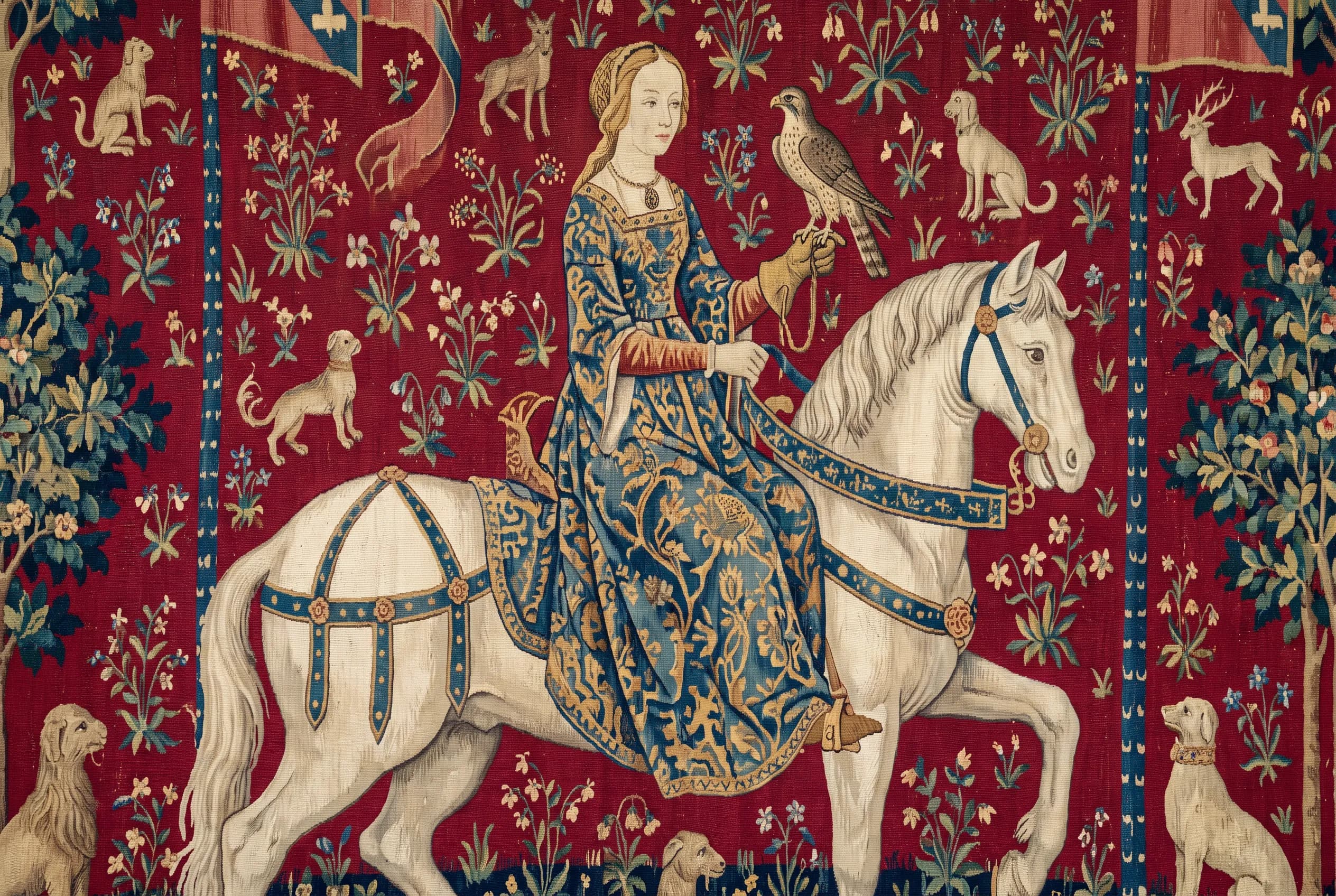
Medieval art style is the visual language of Europe's Middle Ages, and much of it was made for churches and monasteries. In the West it passed through two international styles, Romanesque and then Gothic, while the Byzantine Empire kept a separate tradition going from its capital at Constantinople. The figures are the first giveaway, stiff and elongated, often flattened and turned straight toward the viewer. In Byzantine work their robes fall in swirling patterns of line, with little sense of a body underneath. Behind them the background is frequently solid gold, and natural forms get distorted into stylized ornament on column tops and in page margins.
Medieval art style examples made in FLORA
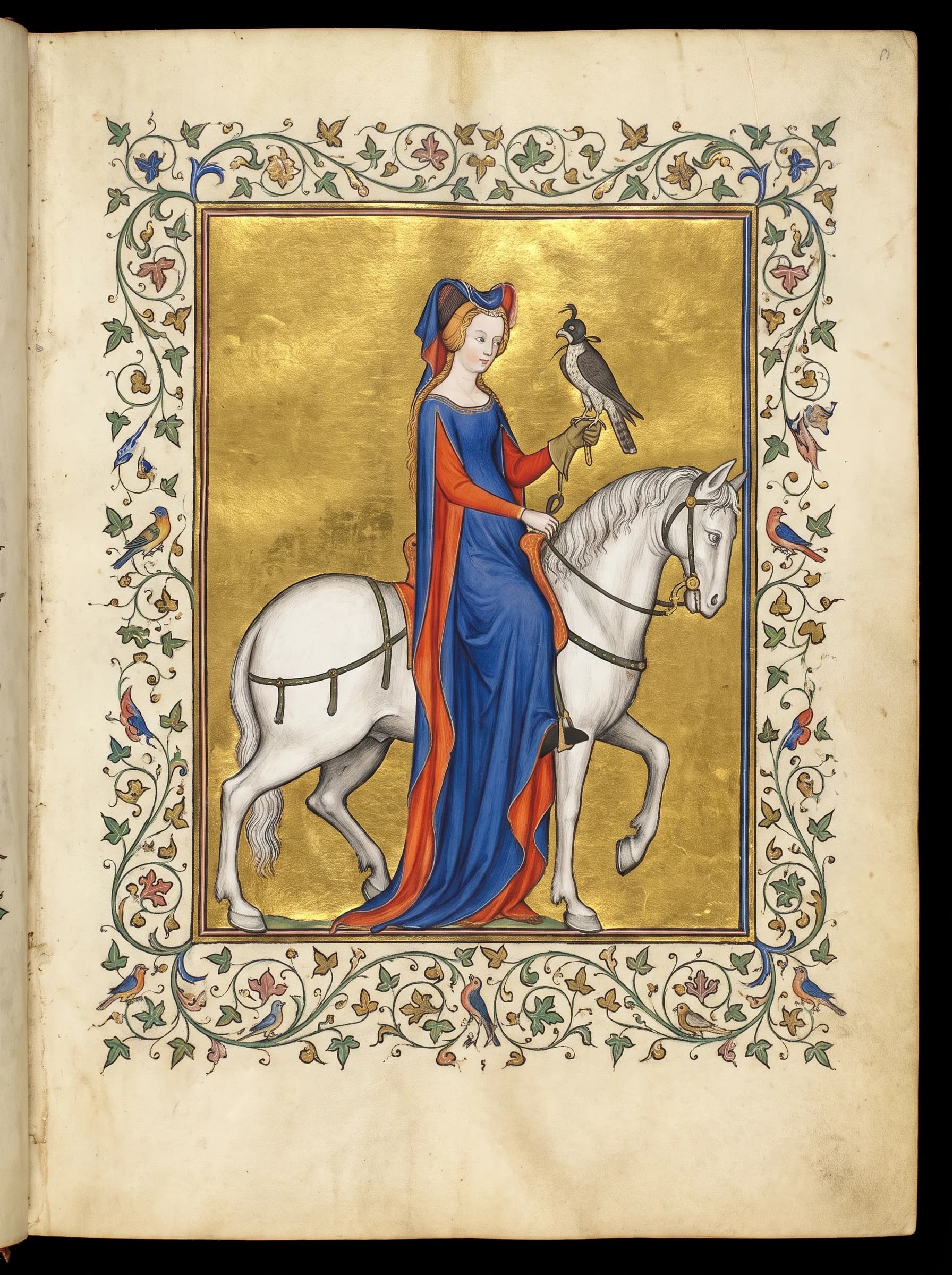
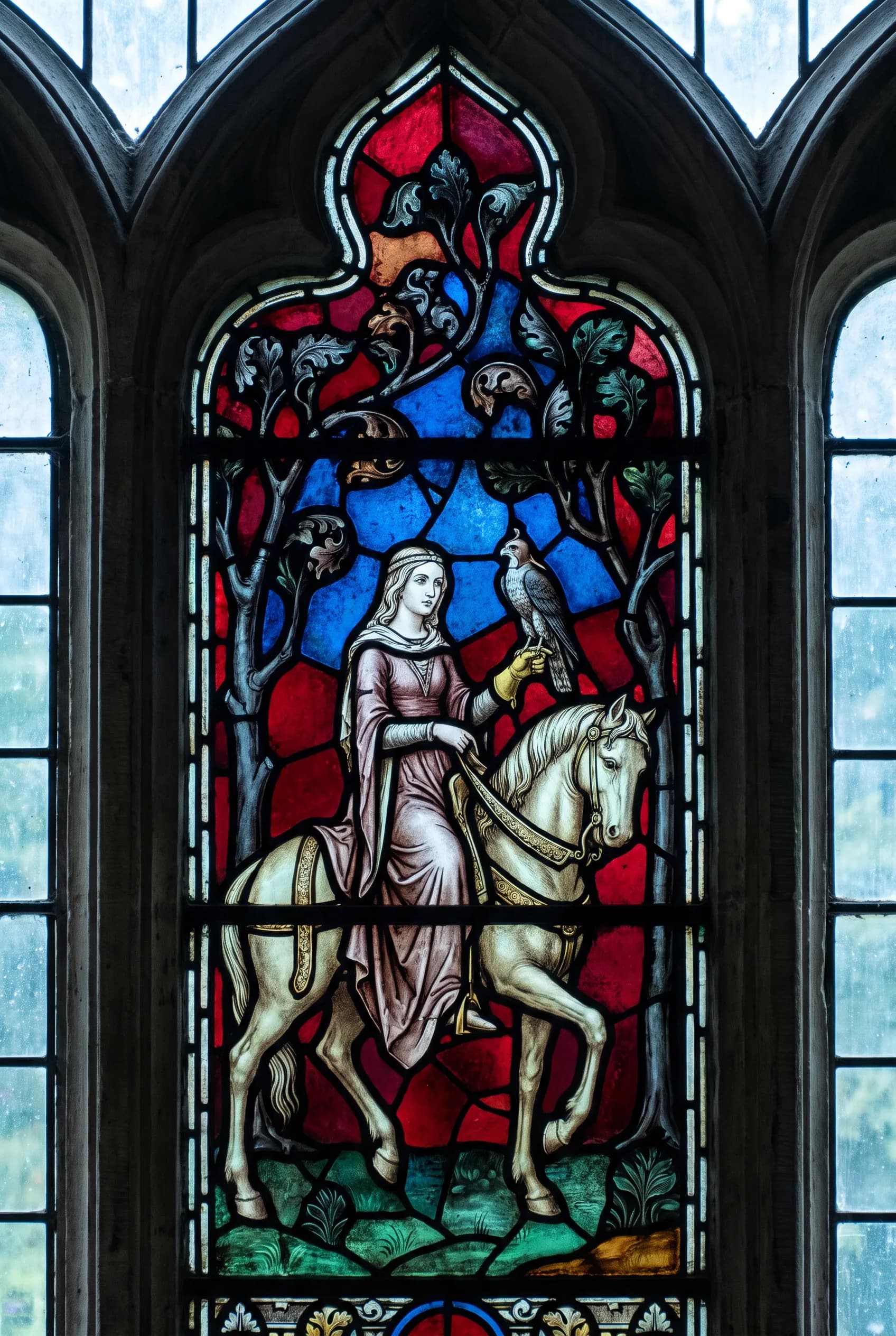
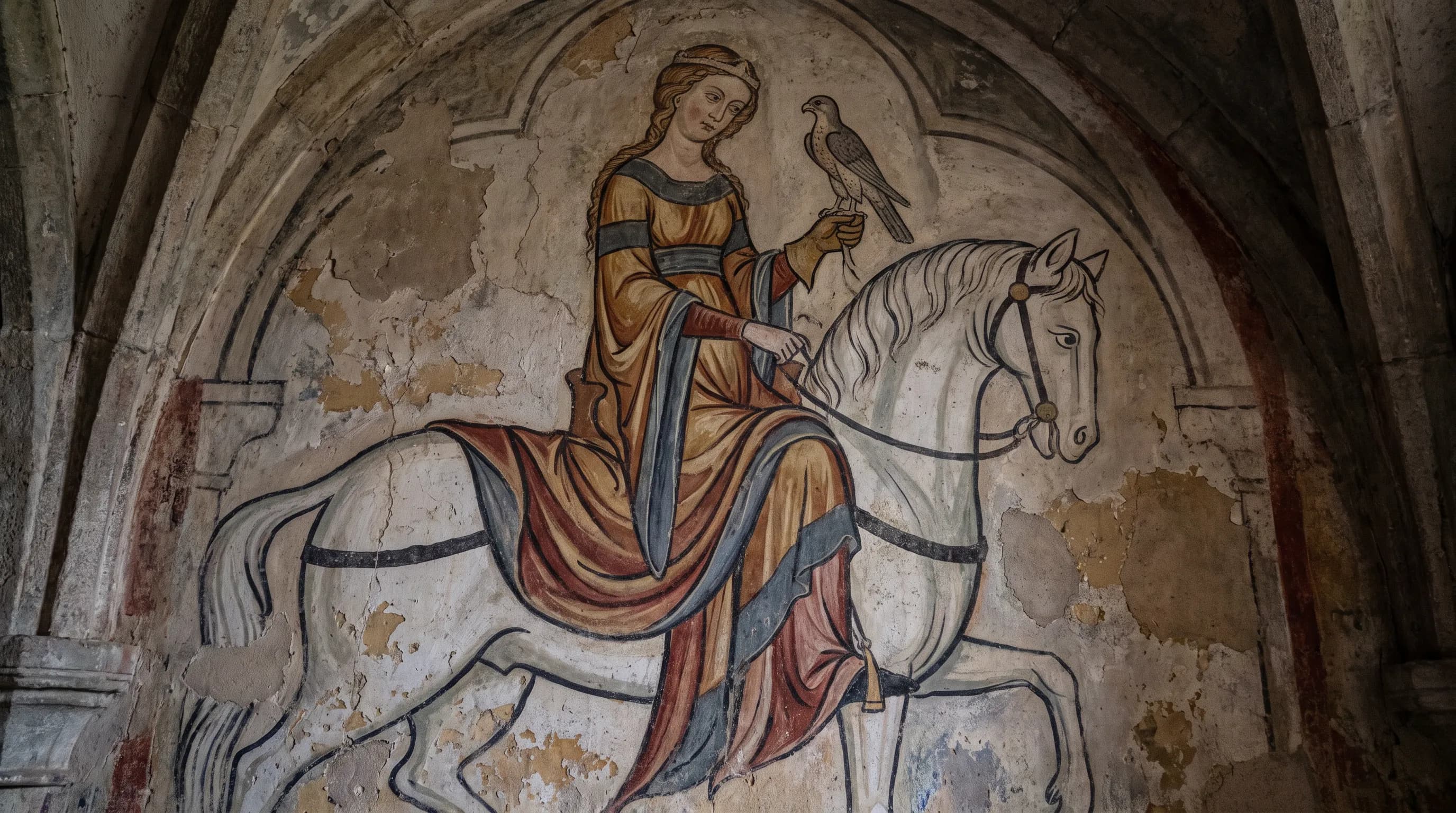
Hunting scenes and tales of chivalry turned up in late Gothic painting alongside the usual New Testament subjects, so the rider here is secular, a noblewoman hawking from the saddle of her white horse. Each of the eight was made with FLORA's AI image generator in a different medieval medium, with its prompt printed underneath.
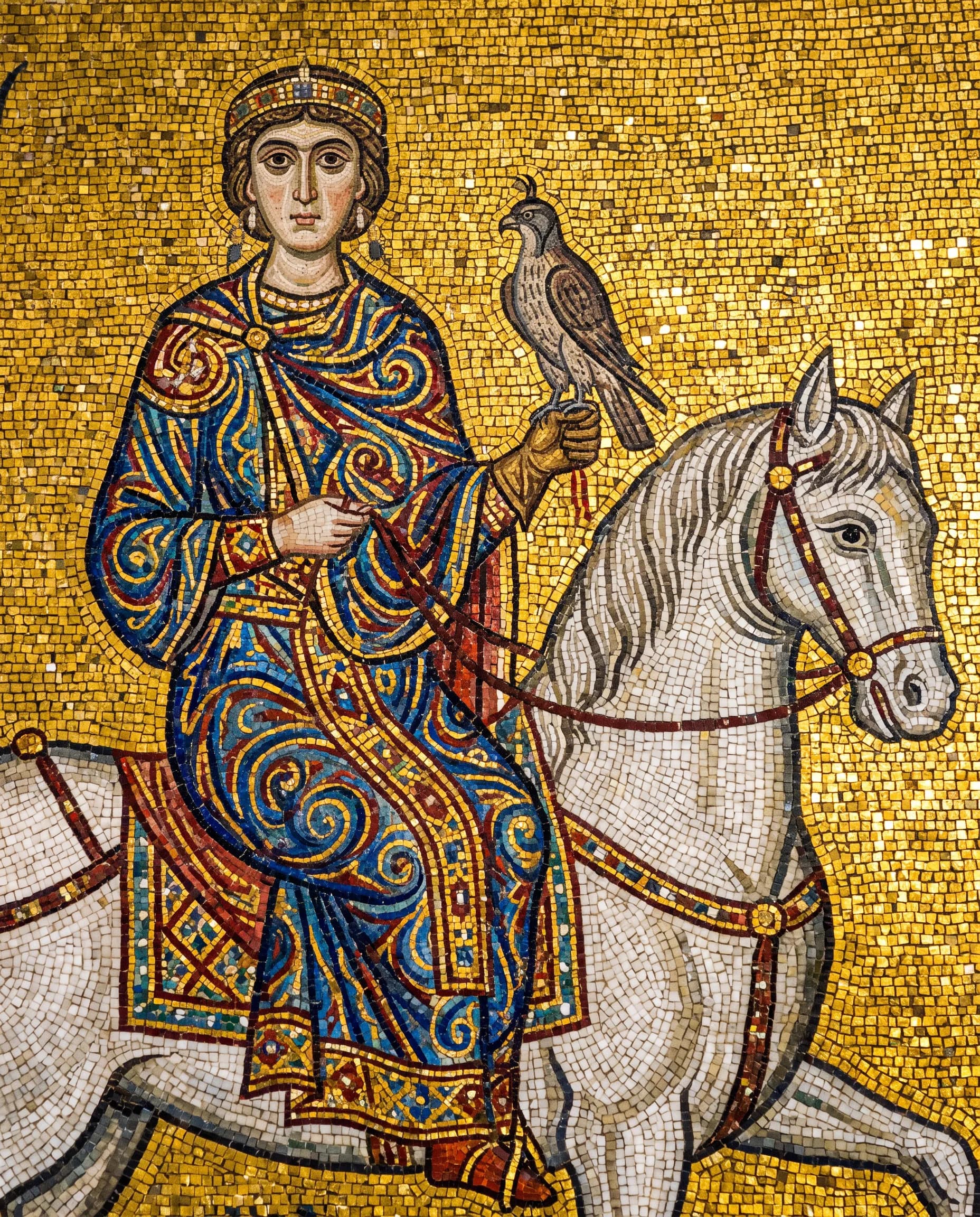
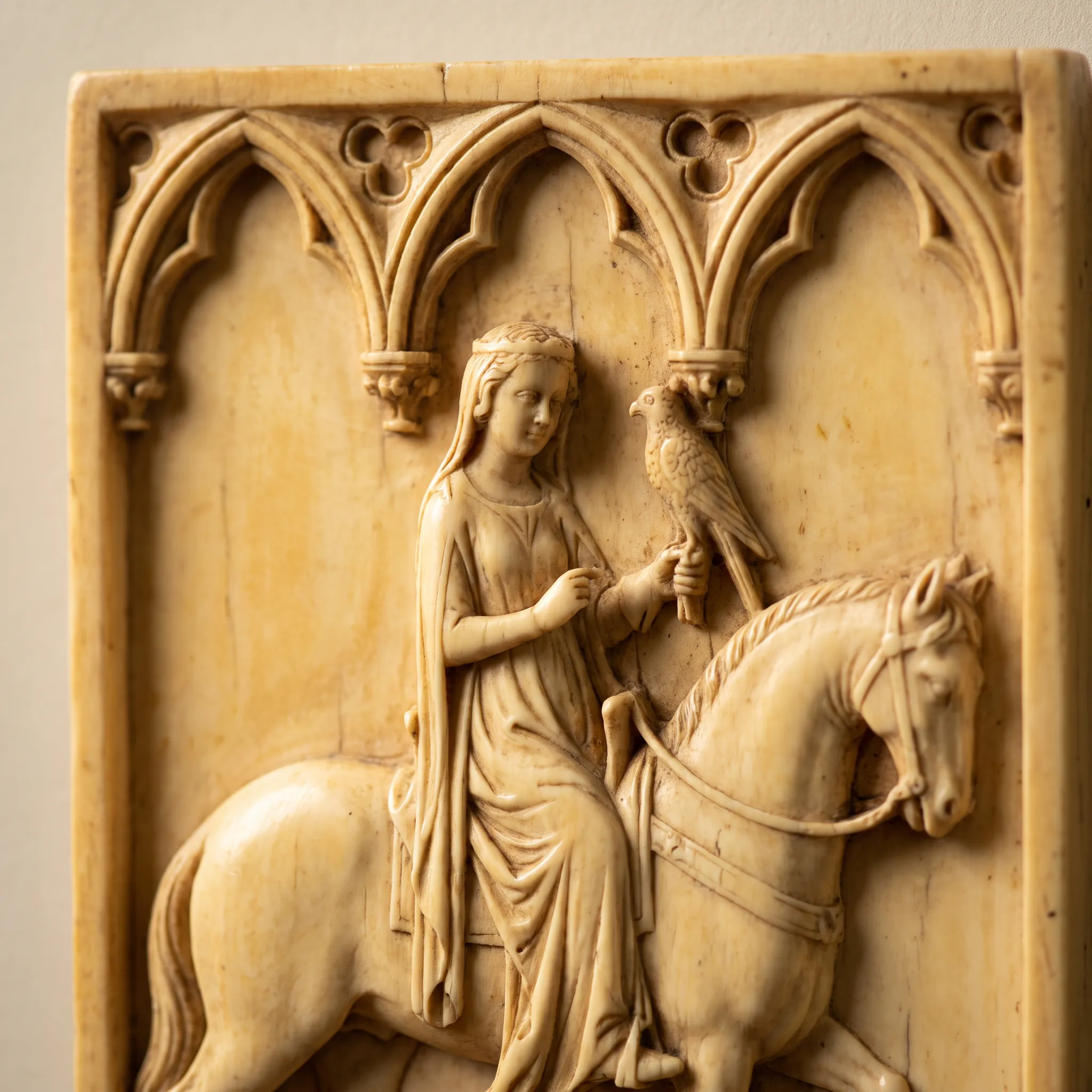
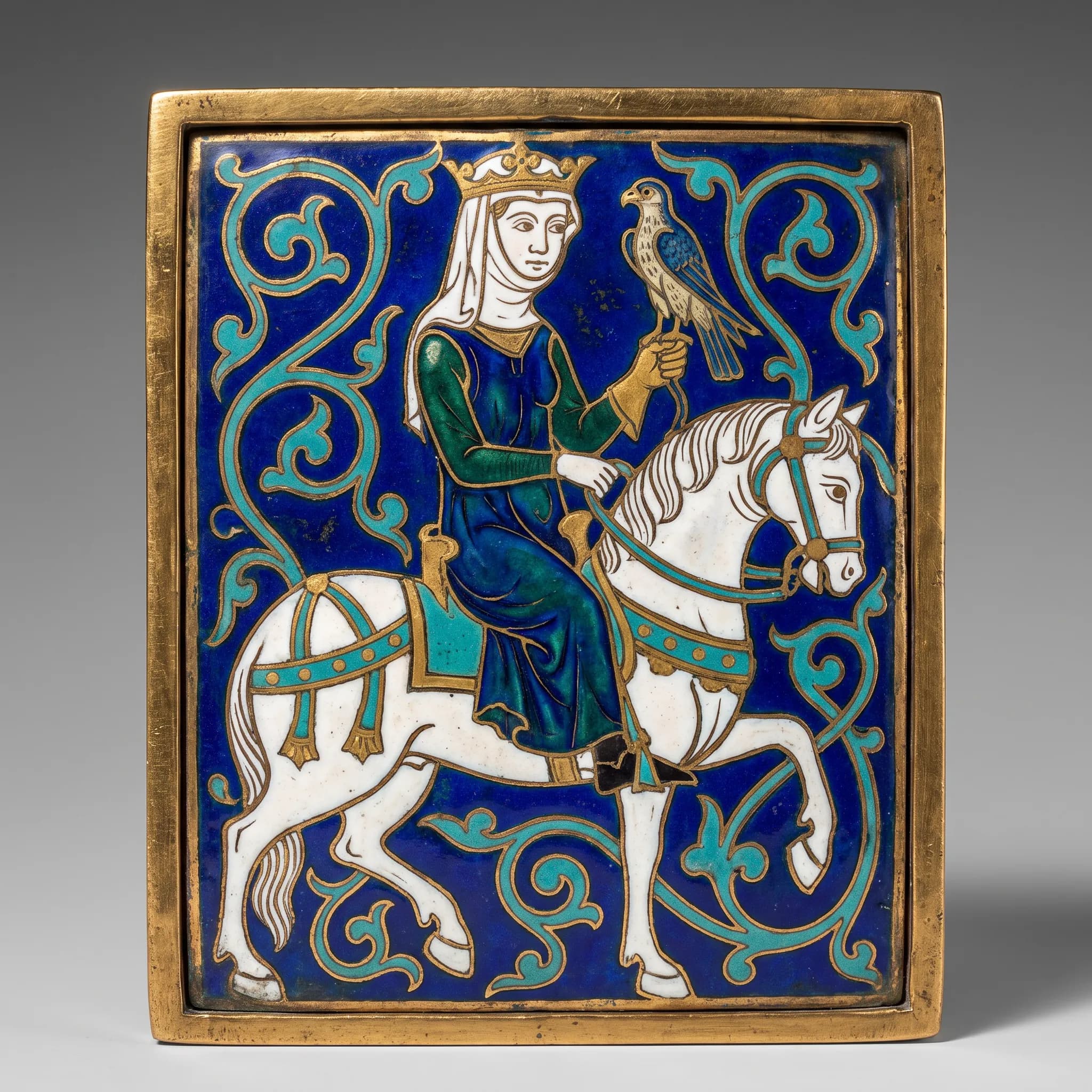
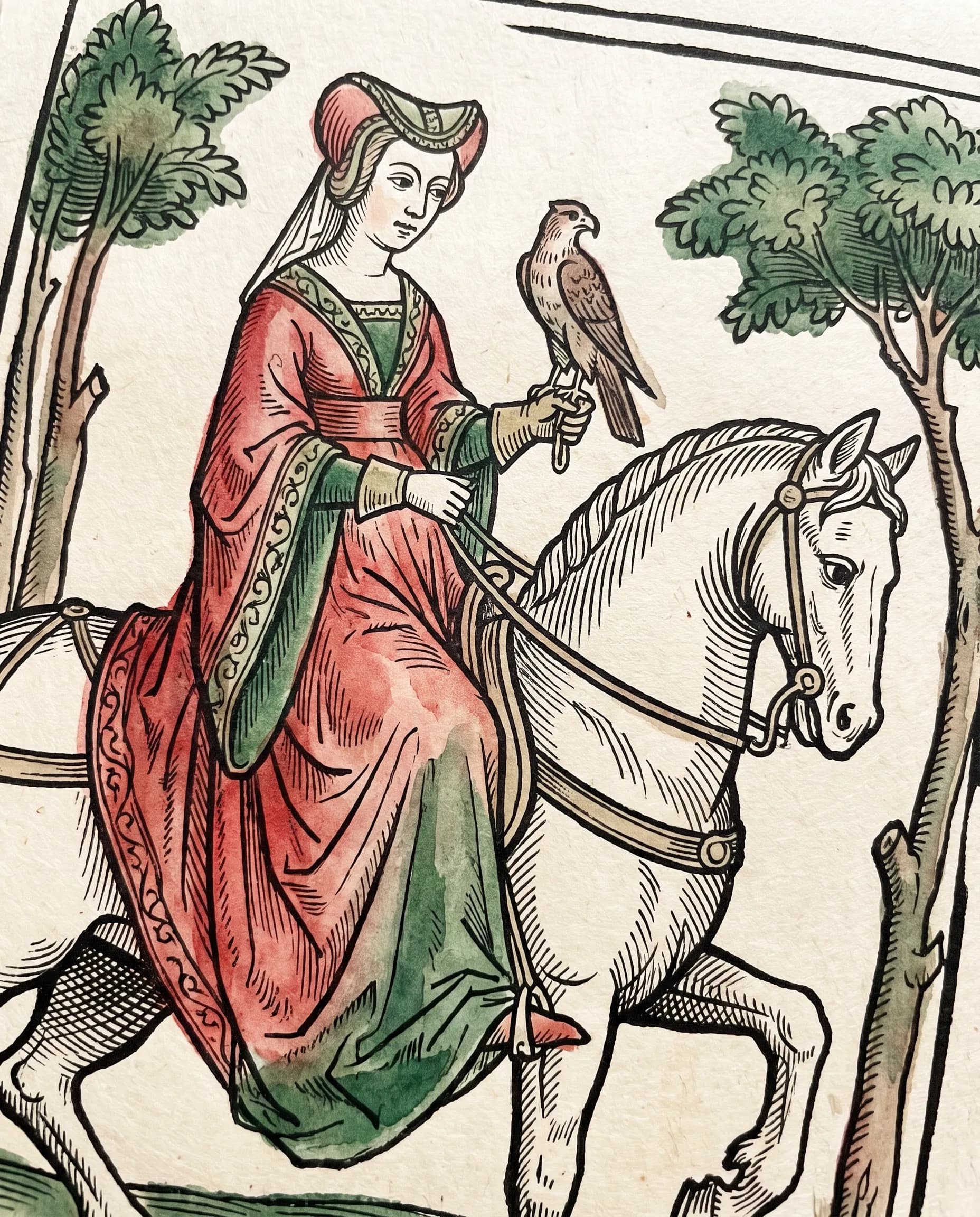
How to prompt for medieval art style
A flat gold ground behind the subject often does more to make a painted or mosaic image read as medieval than armor or a castle could, so put it early. Naming one of the medieval art styles narrows the target further. Byzantine points to frontal poses set against gold mosaic. Romanesque suggests stylized figures bent out of natural proportion and held together by strong line. International Gothic was the refined look that spread across Europe in the 14th century, so it brings elegance and fussy drapery with it. After the style name comes the medium with its materials, vellum and burnished gold for a manuscript or wool for a hanging, and the words no perspective keep the figures flat. Lighting mostly matters for glass and carved surfaces.
Three prompts to copy
- Manuscript miniature. Illuminated manuscript miniature of a noblewoman falconer riding a white horse, hooded hawk on her gloved hand, International Gothic style, elegant elongated figures, flat burnished gold background, border of ivy scrolls and tiny birds, ultramarine and vermilion on vellum, full-page picture, no text
- Stained glass. Gothic stained glass lancet window of a mounted lady with a hawk perched on her glove, pale horse, thick black lead lines, deep ruby and cobalt glass, stylized trees, figure framed by a pointed arch, backlit by cold daylight, no text
- Woodcut. Hand-colored woodcut of a noble lady out hawking on horseback, white mare, late medieval style, thick black carved lines, simple hatching, washes of red and green laid on by hand, rough paper, no text
What tends to go wrong
The usual misses add things the period hadn't worked out yet. Faces pick up soft modeling and the ground starts to recede, so if a first pass looks like a Renaissance panel, repeat flat and gold background. Manuscript prompts have a habit of their own. They can surround the picture with columns of fake script, which asking for the image to fill the whole page tends to prevent. Glass sometimes comes back as a tidy modern panel with thin leading, and heavy black leading inside a Gothic arch pulls it toward a cathedral window.
Where medieval art style works
Covers for early-music records can borrow the manuscript look almost wholesale, with a gilded border around a single scene. Give the AI album cover generator that scene in writing, along with your artist name and titles, and it sends back a titled album cover, two single covers and a looping motion cover.
A game set in an invented kingdom needs a lot of matching art. Once one frame looks right, say the enamel plaque, Storyboard Maker can turn that single image into nine cohesive storyboard frames, which is a quick way to plan a cutscene or an animated intro in the same look.
Related styles
- Renaissance art style, where the Gothic hunt for depth ended in true perspective
- Baroque art style, which traded flat gold for deep shadow and motion
- Art nouveau style, another look built on stylized plant line and colored glass
- Comic art styles, which also tell stories with outlined figures and flat color
FAQs
Are medieval and Gothic the same?
They aren't, because Gothic is just the later of the two great international styles of medieval western Europe. Its name began as an insult. Italian writers of the Renaissance, who prized classical forms, blamed the barbarian Goths for what they saw as ugly medieval building. The label kept that sneer until critics reassessed Gothic architecture in the 19th century, though the style never had anything to do with the Goths.
What are the two major art styles during the Middle Ages?
Romanesque came first, and Gothic grew out of it around the middle of the 12th century before lasting into the late 16th century in some regions. The older style was at its height between 1075 and 1125, and its name refers to a blend of Roman, Carolingian, Ottonian, Byzantine and local Germanic traditions.
What are three characteristics of Medieval art?
Three you can spot quickly are religious purpose, a close bond with buildings and standardized faces. Byzantine art was almost entirely concerned with religious expression. Its painters suppressed individual features in favor of one facial type with huge eyes and a penetrating gaze. Romanesque churches carried their Bible stories in stone, carved on column capitals and over the big doorways.



