
What the Kawaii Art Style Looks Like and How to Prompt It
 FLORA
FLORA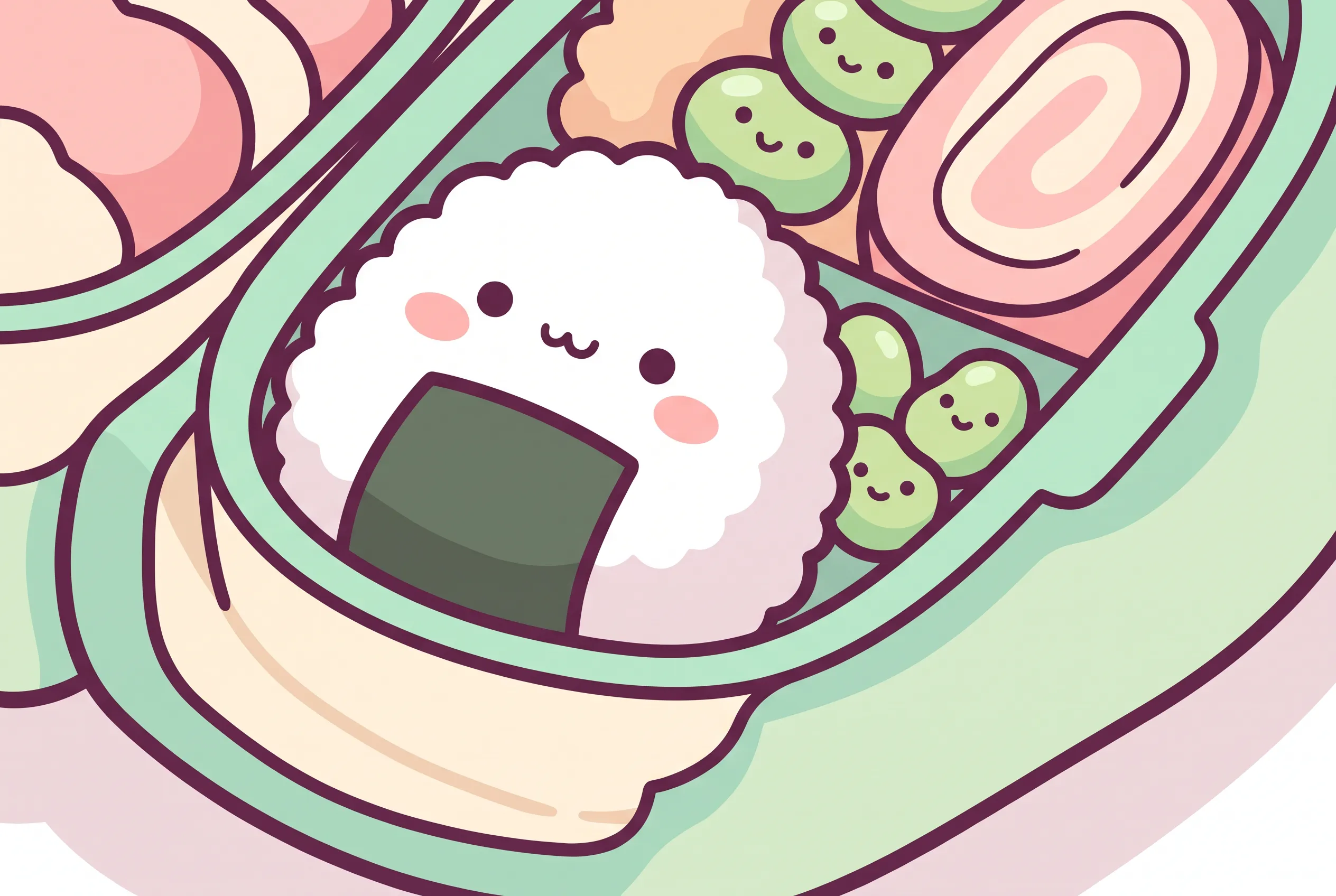
The kawaii art style draws on Japan's culture of cuteness, which began to flourish in the 1970s and produced Hello Kitty, created by Sanrio in 1974. Illustrator Rune Naito, who drew large-headed girls and cartoon animals for Japanese girls' magazines from the 1950s to the 1970s, is credited with pioneering the look. Shapes are round and soft. Colors stay pastel, most often pink, blue and white, and faces are pared down to eyes and a small mouth, sometimes with blushing cheeks. Heads are drawn as large as the body or larger.
Kawaii art style examples made in FLORA
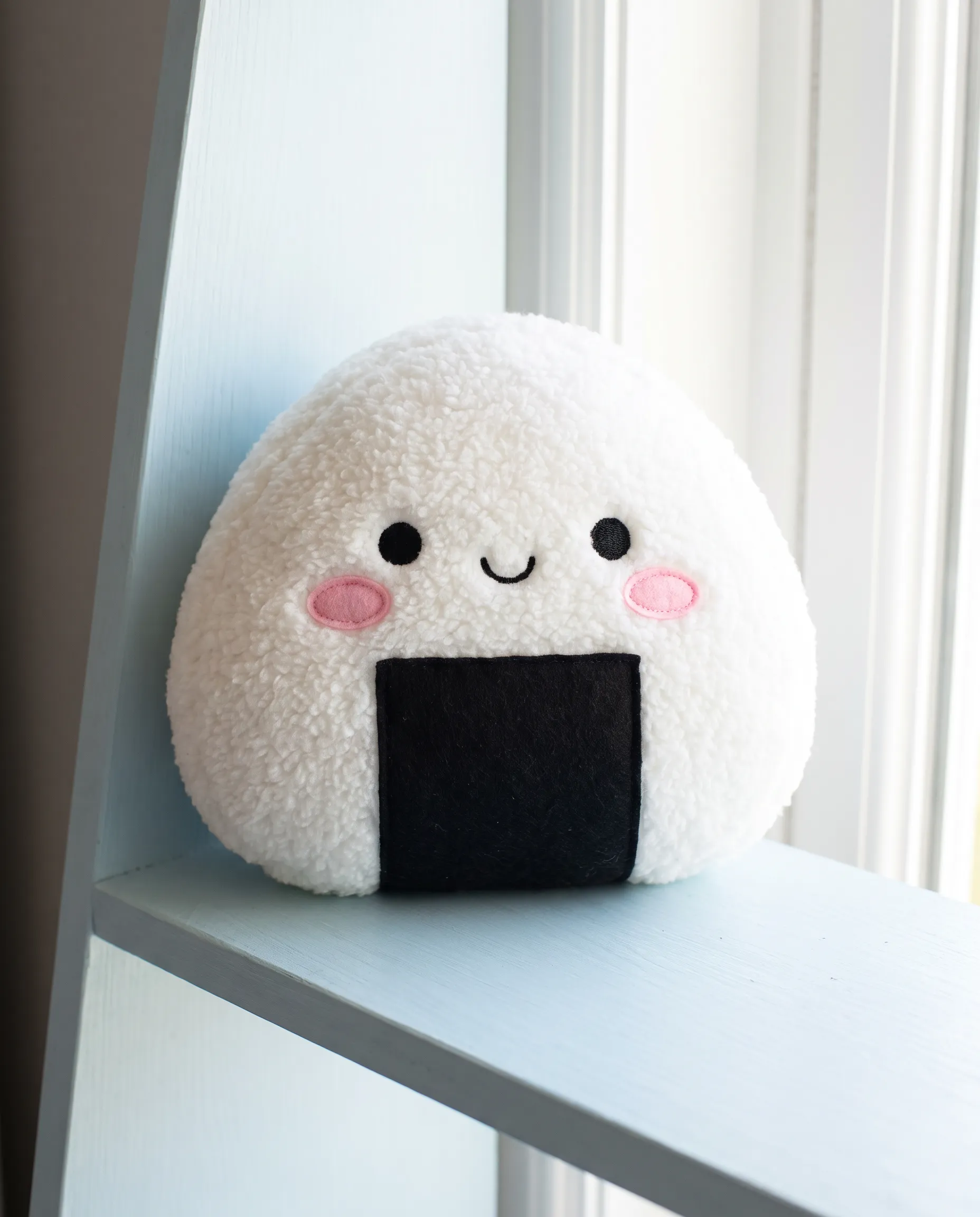
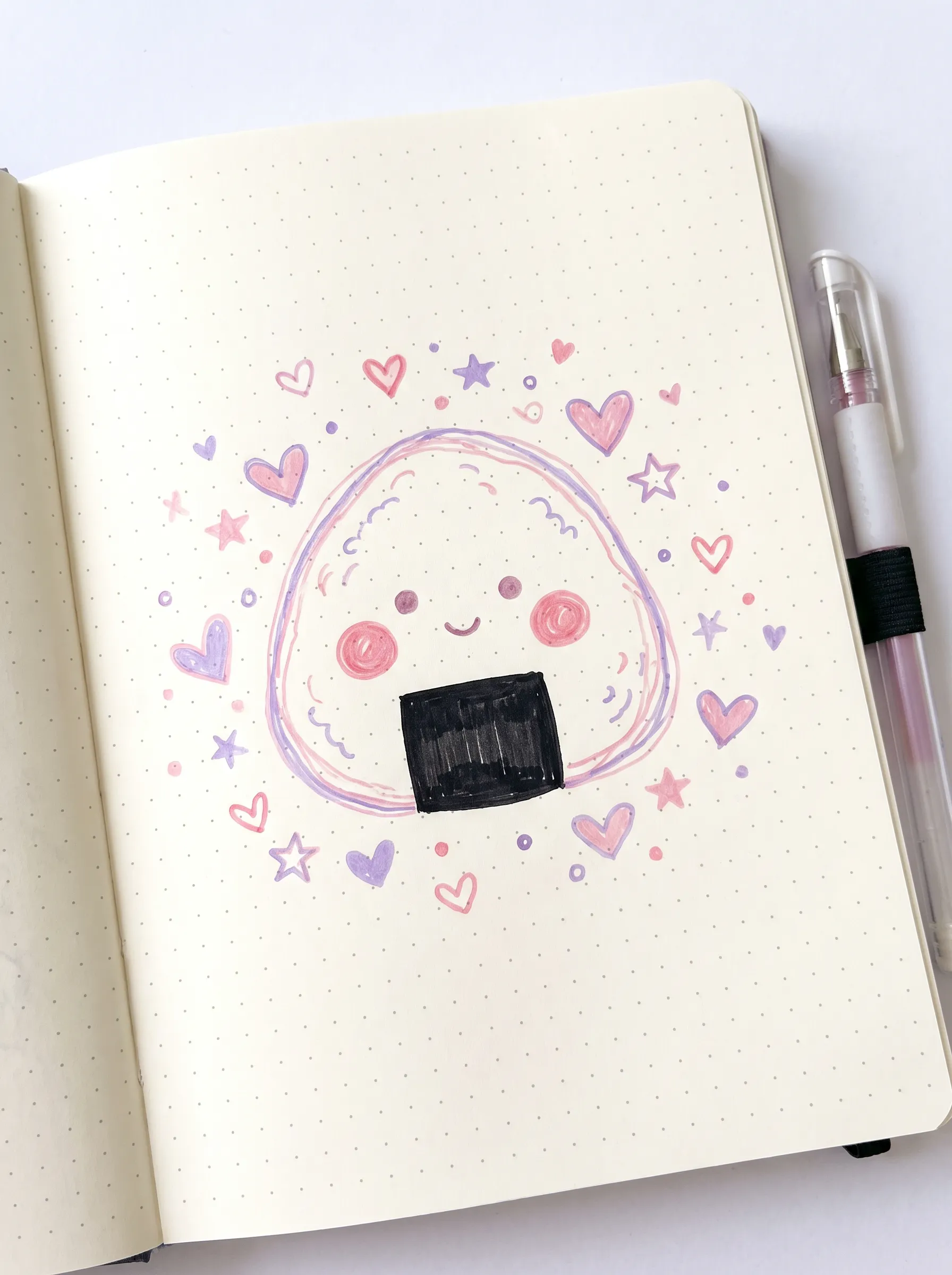
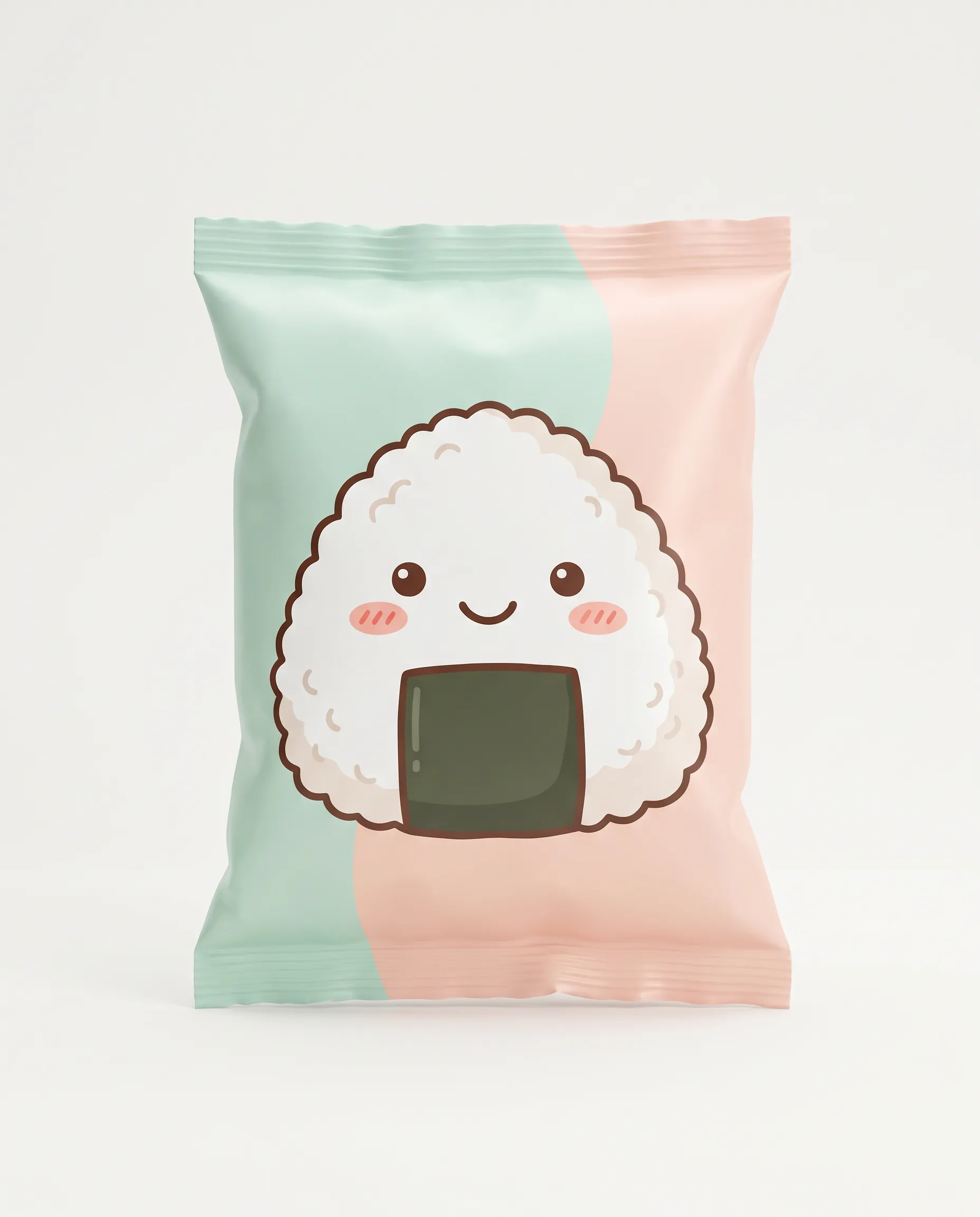
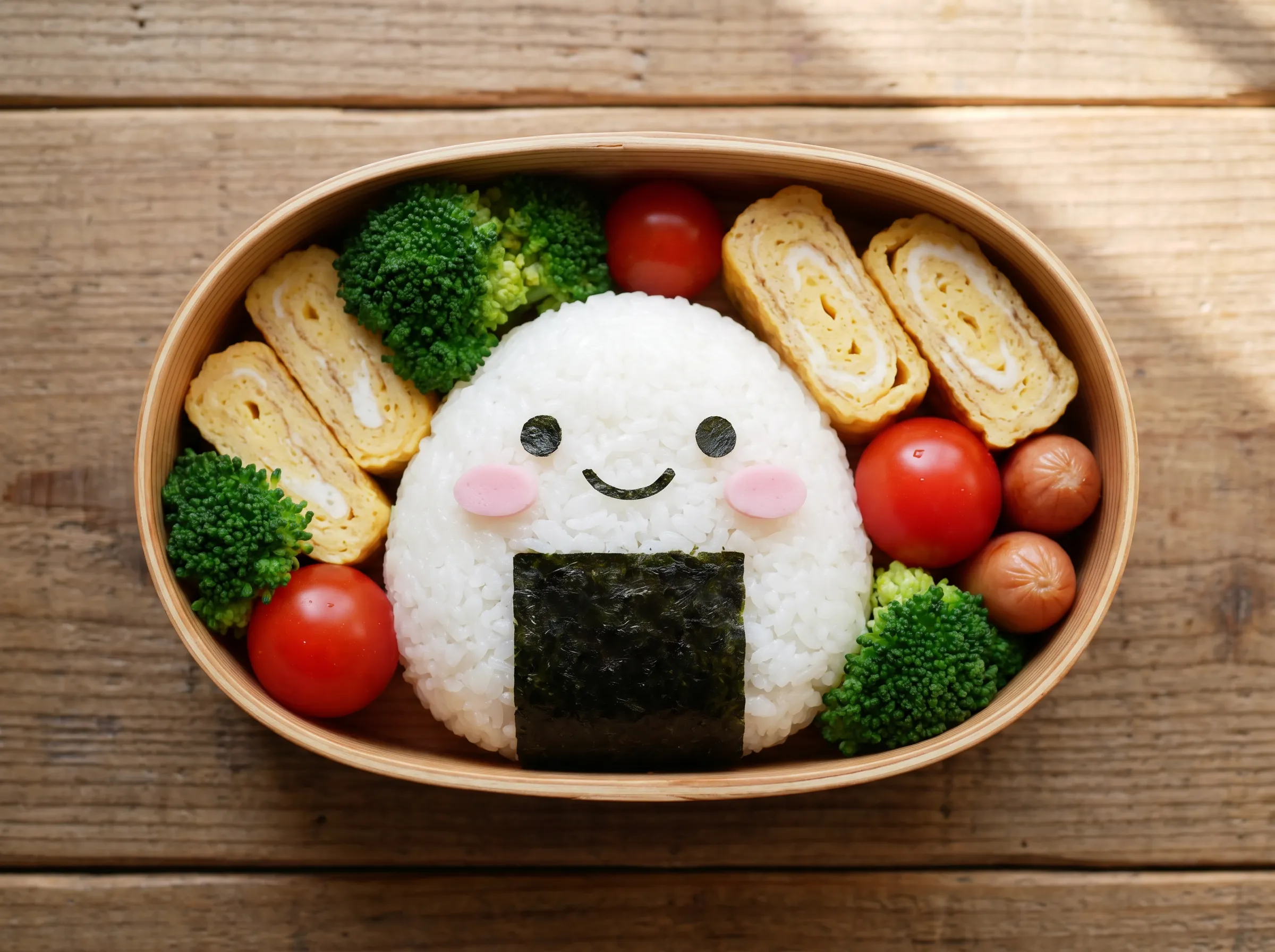
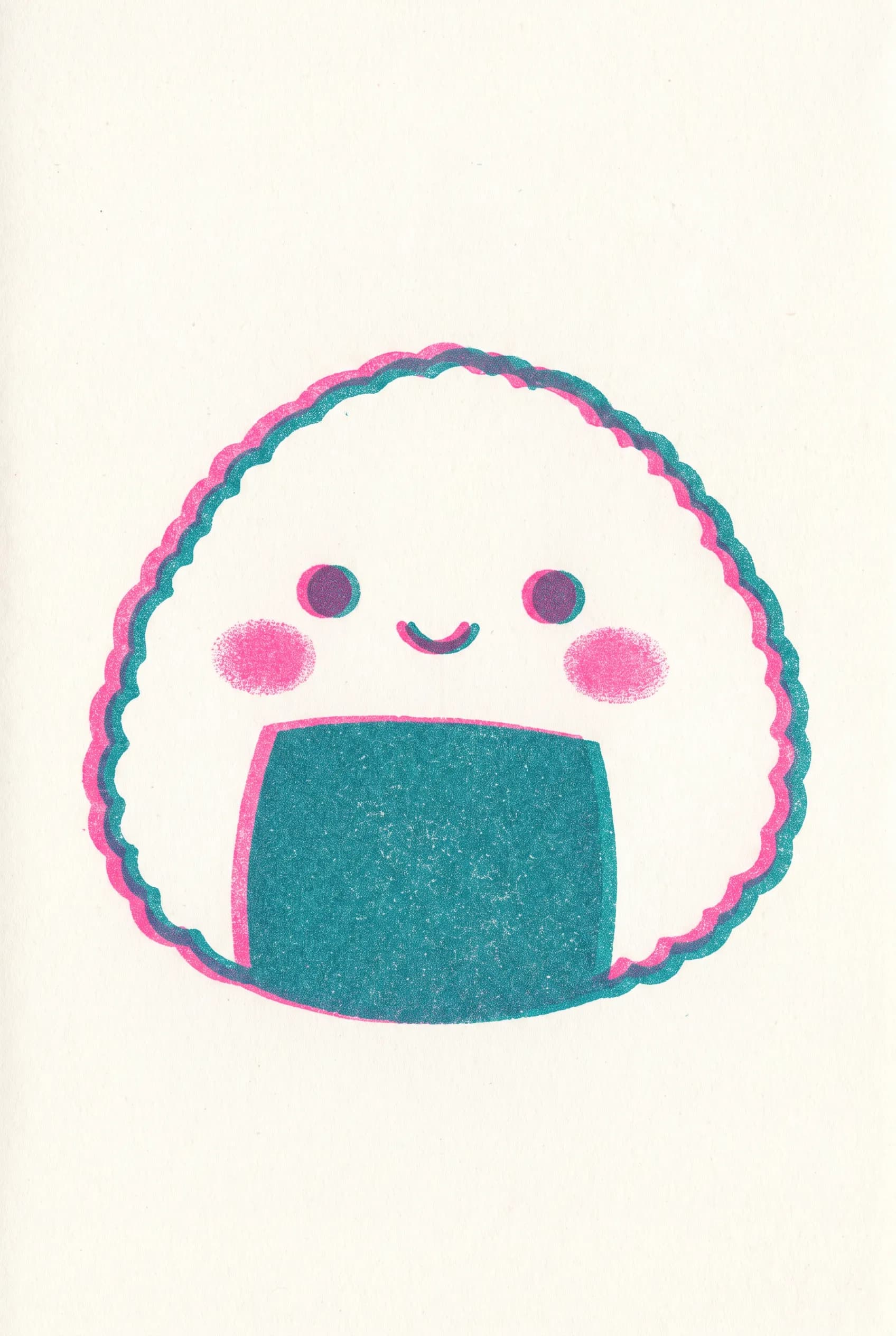
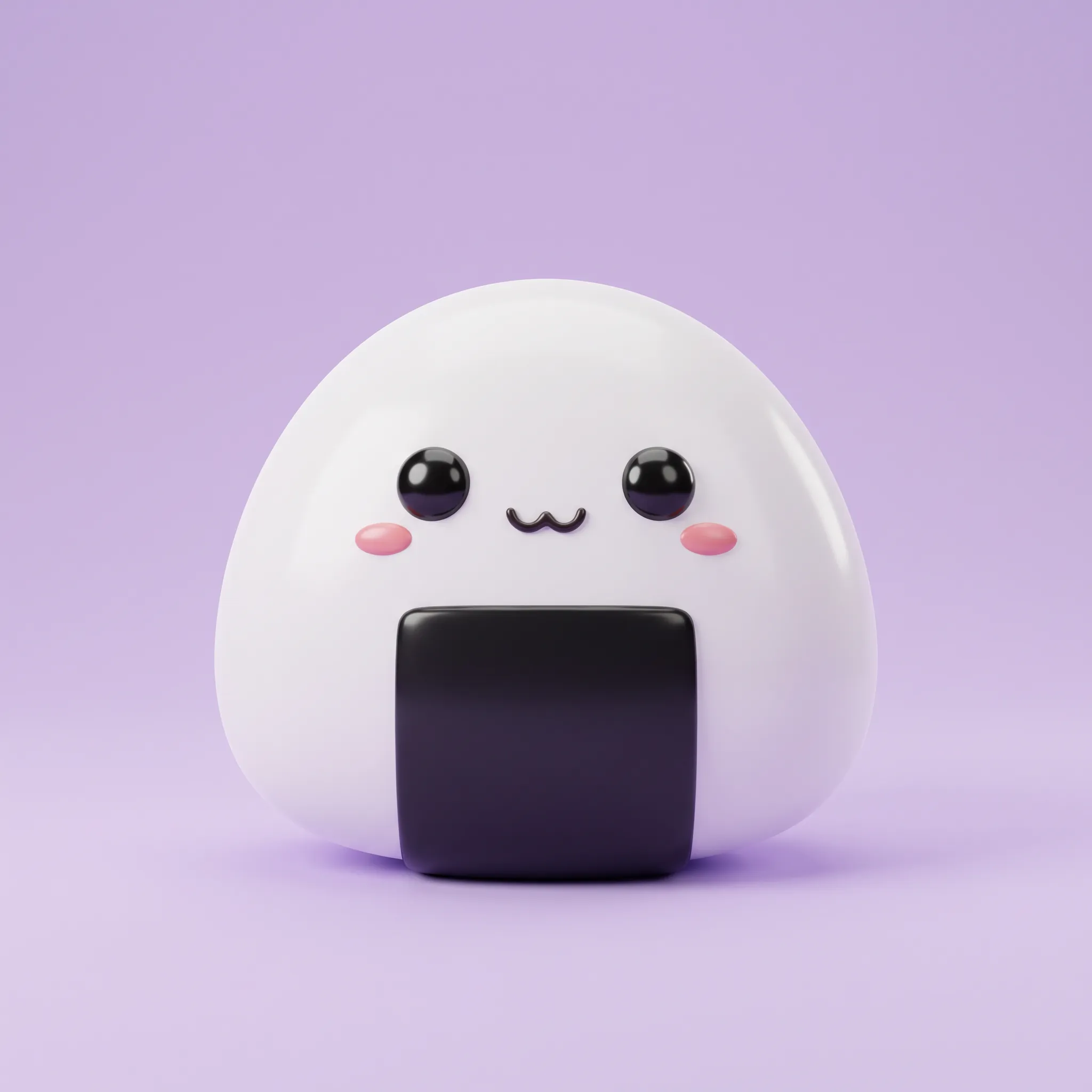
The rice ball in these eight images is an original mascot, round, wrapped in a strip of nori and blushing at the cheeks. It has no nose, which leaves its face and outline to carry the style through every medium. Each image comes from FLORA's AI image generator and is captioned with the prompt that made it.
How to prompt for kawaii art style
Pin down proportion first. Illustrator Ilaria Ranauro, in a free Domestika guide, suggests drawing inside a square to force the shapes to exaggerate, with the head either matching the body in height or taking a 60/40 share, a split she notes is popular for animals. An object mascot like the rice ball is all head, so describe its silhouette instead, round and slightly squat with no corners anywhere.
Keep the face sparse. Ranauro uses two dots for eyes and a semicircle for the mouth, all at roughly the same height, and pink ovals beside them can stand in for blush. Name two or three pastels over a white or cream ground. A single even outline in dark plum or brown tends to look softer than black.
Three kawaii prompts
- Illustration. Kawaii art style illustration of a round onigiri rice ball mascot with a nori wrap and rosy cheeks, napping in a bento box, two small dot eyes and a tiny semicircle mouth, soft rounded shapes, even dark plum outlines, flat pastel pink, mint and cream palette, no text
- Plush toy. Product photo of a plush toy of a round onigiri rice ball mascot with a nori wrap and rosy cheeks, kawaii art style, soft white fabric body, embroidered dot eyes and semicircle mouth, black felt nori band, pink felt blush ovals, sitting on a pale blue shelf, soft daylight, no text
- Gel pen doodle. Gel pen doodle of a round onigiri rice ball mascot with a nori wrap and rosy cheeks on a dotted notebook page, kawaii art style, pastel pink and lavender gel ink, small hearts and stars drawn around it, slightly wobbly hand-drawn lines, flat-lay photo, no text
Fixing the usual drift
Ask a model for cute and it may reach for big, glossy anime eyes with layered highlights, which pulls the picture toward moe. Repeating two small dot eyes near the end of the prompt often helps. Food mascots can also slide into realism, with individual rice grains and shiny seaweed, so call for flat fills and simplified shapes. Mentioning Japan in the scene tends to add cherry blossoms or a red sun, so keep the setting neutral.
Where kawaii art style works
Kawaii has shaped candy such as Hi-Chew, Koala's March and Hello Panda, and a food mascot sits naturally on a pack. To test one on shelf, give AI Packaging Design a product description, a brand name and a format note, and it returns a hero carton, a photoreal shelf render and matching variants for the range.
Describe a flavor and its color to the soda can mockup and you get a photoreal hero can, a matching flavor lineup and a motion shot, enough to judge how a pastel flavor color reads on curved metal before the mascot goes on it.
Merchandise is where kawaii earns its money, so once a vinyl figure prototype exists, photograph it and run Image to 3D Model for a studio plate, orthographic elevations and a turntable clip a modeler can build from.
Related styles
- Cute art styles, a wider survey in which kawaii is one look among several
- Moe art style, the anime relative built around big, glossy eyes
- Japanese art styles, where kawaii sits beside ukiyo-e and anime
- Jelly art style, glossy candy rendering that suits soft mascots
FAQs
What does the term "kawaii style" mean?
It means work made in Japan's aesthetic of cuteness, and the word began as kao hayushi, a phrase for a face that glows or flushes. Over time the pronunciation shifted to kawayui and then kawaii while the meaning settled on cute or pretty. The Collins English Dictionary added the word in 2014.
What are the cute Japanese drawings called?
They are usually just called kawaii art, though some forms have their own names. Mascots that prefectures and cities use to promote tourism are yuru-chara, with Kumamon of Kumamoto Prefecture among the most popular. The rounded 1970s handwriting that teenage girls decorated with hearts and stars is marui ji, or round writing.
Is kawaii cute or scary?
Kawaii means cute, although it has a darker branch. Kimo-kawaii, or creepy-cute, emerged in the 1990s and mixes the look with horror, while yami-kawaii, or sickly-cute, arrived in the mid-2010s with black, deep purple and gray teardrops and broken hearts.



