
Graffiti Art Styles and the Ladder Writers Climb
 FLORA
FLORA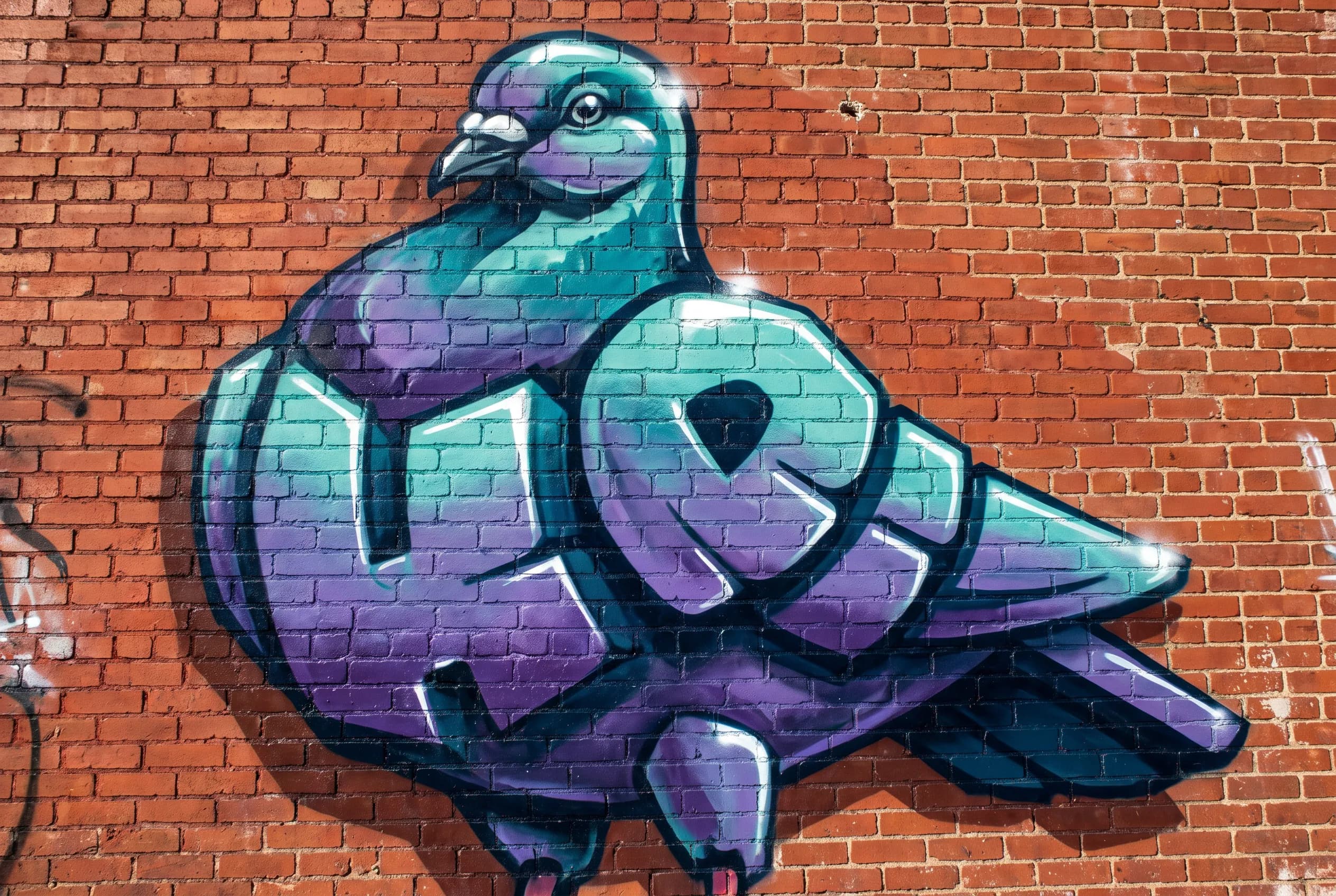
Graffiti art styles are the separate looks aerosol writers use to put a name on a wall, and the scene ranks them by the time, color and nerve each one takes. Contemporary graffiti is generally traced to the Black and Latino neighborhoods of late-1960s New York, where it grew up beside hip-hop, though some accounts put the first tagger in Philadelphia. The tag sits at the bottom, a one-color signature written as fast as the hand moves. Throw-ups swell the letters into outlined bubbles with a single fill. Pieces bring in 3D shading, arrows and fades, and wildstyle knots the letters together until outsiders struggle to read them.
Graffiti art styles examples made in FLORA
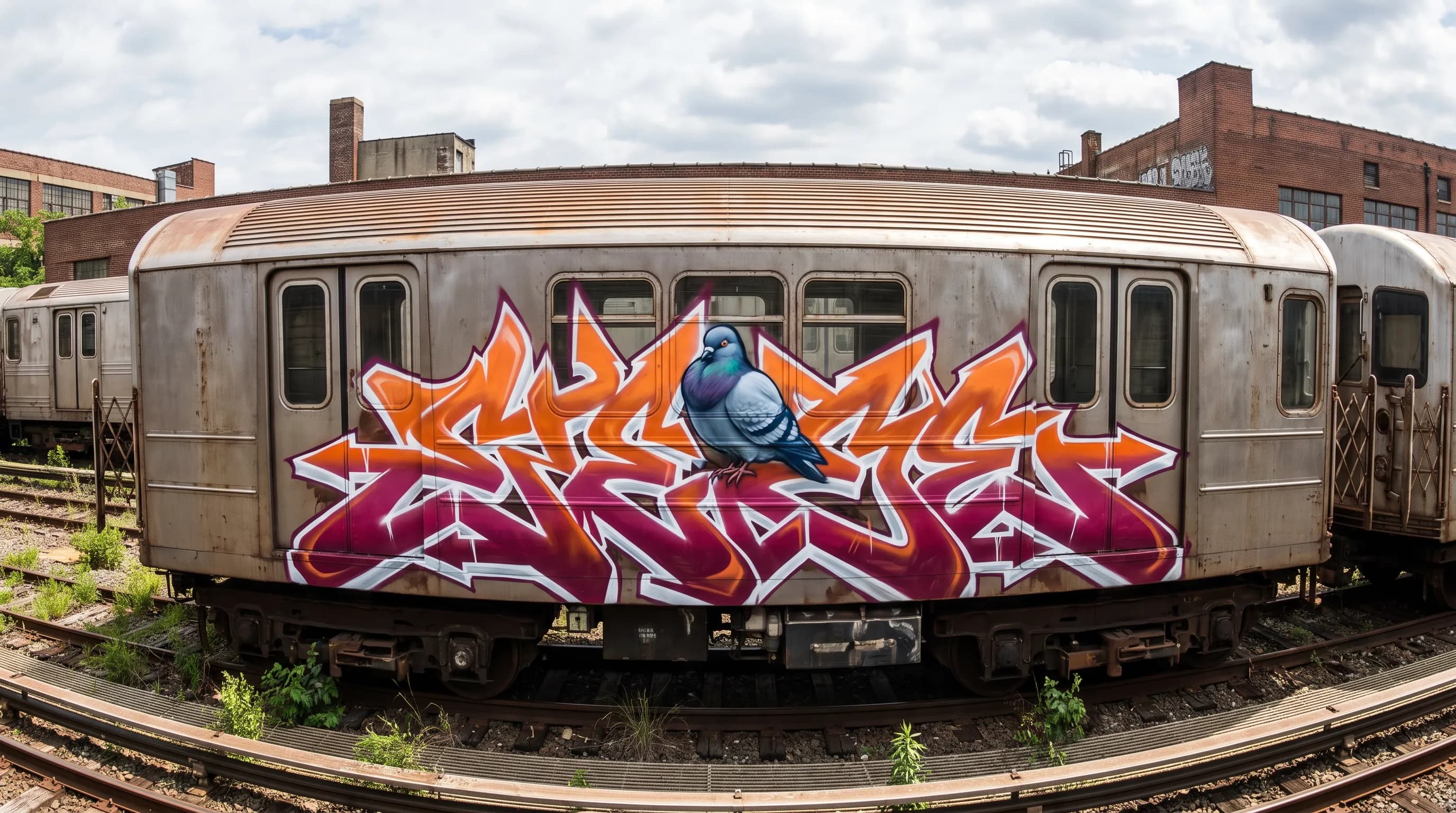
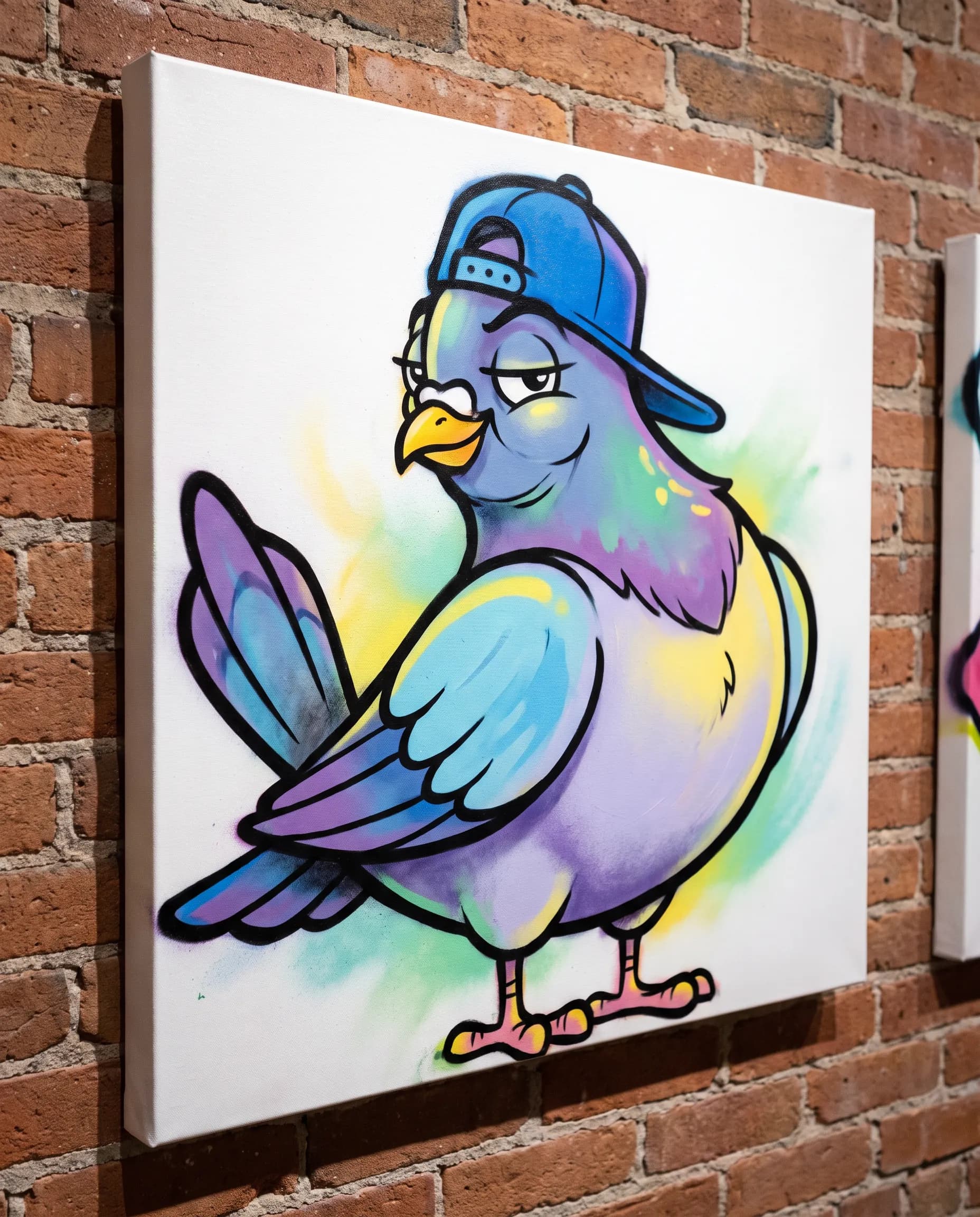
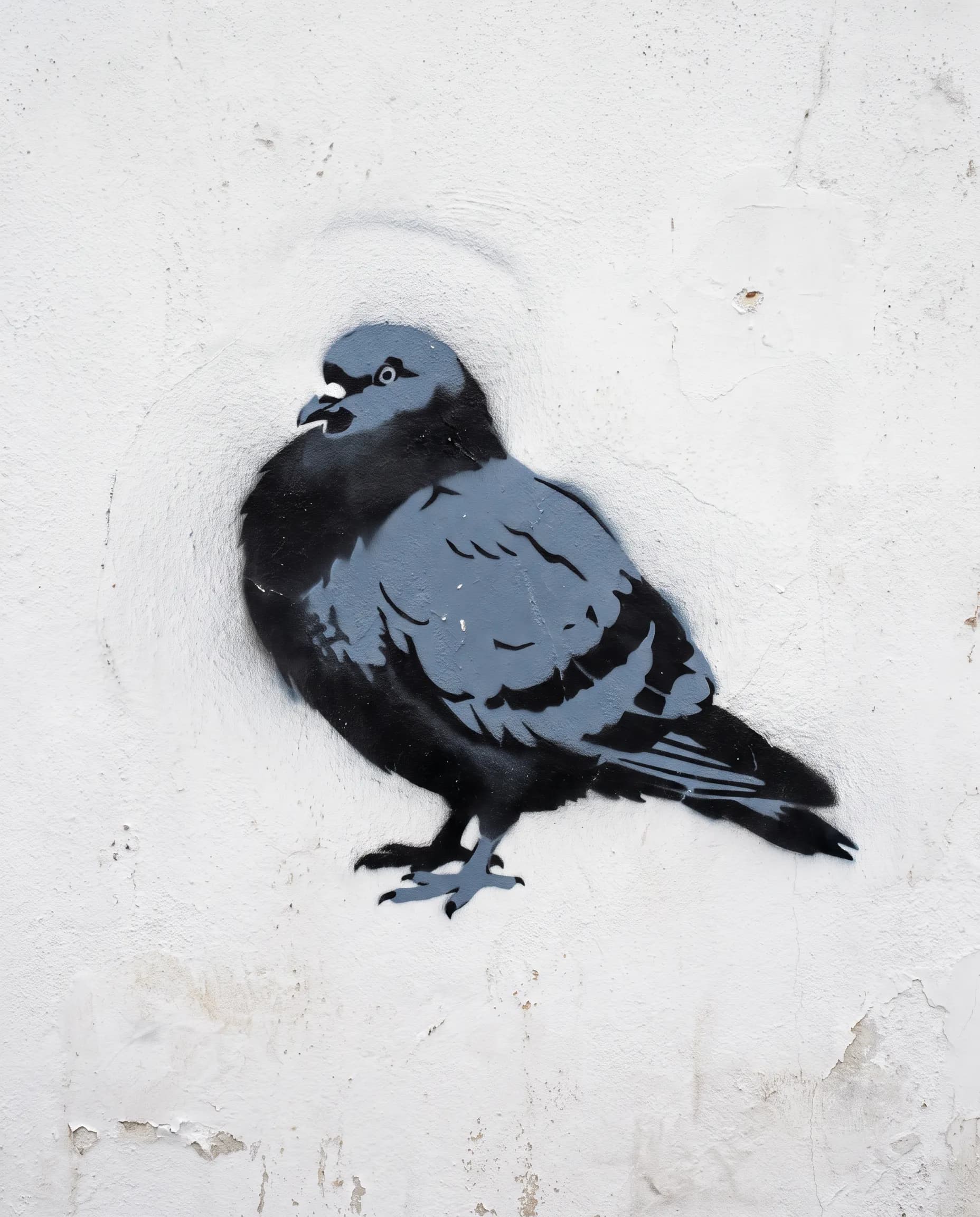
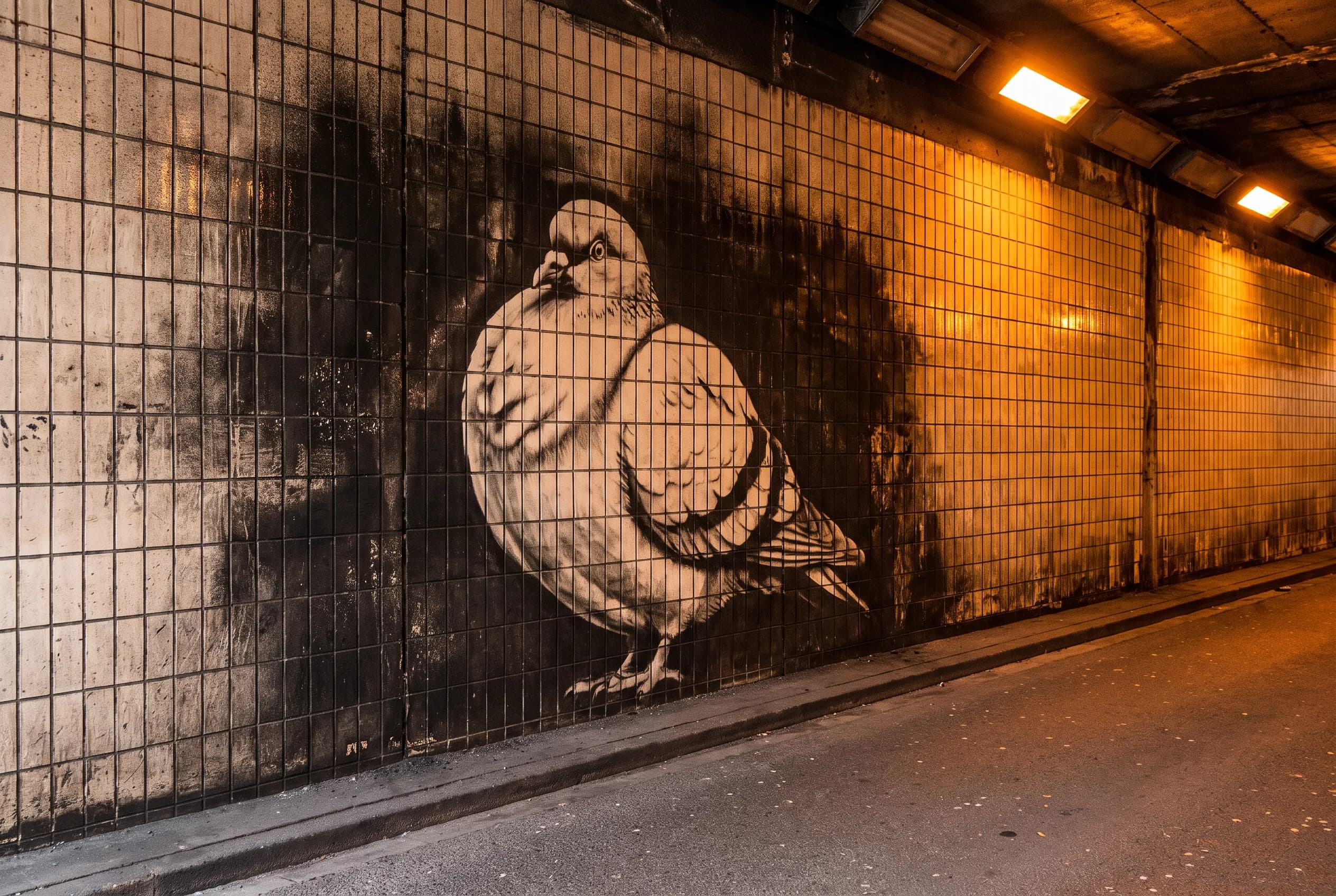
The same chest-puffing city pigeon appears in all eight images from FLORA's AI image generator, and only its sub-style and surface change. Each caption is the prompt as written.
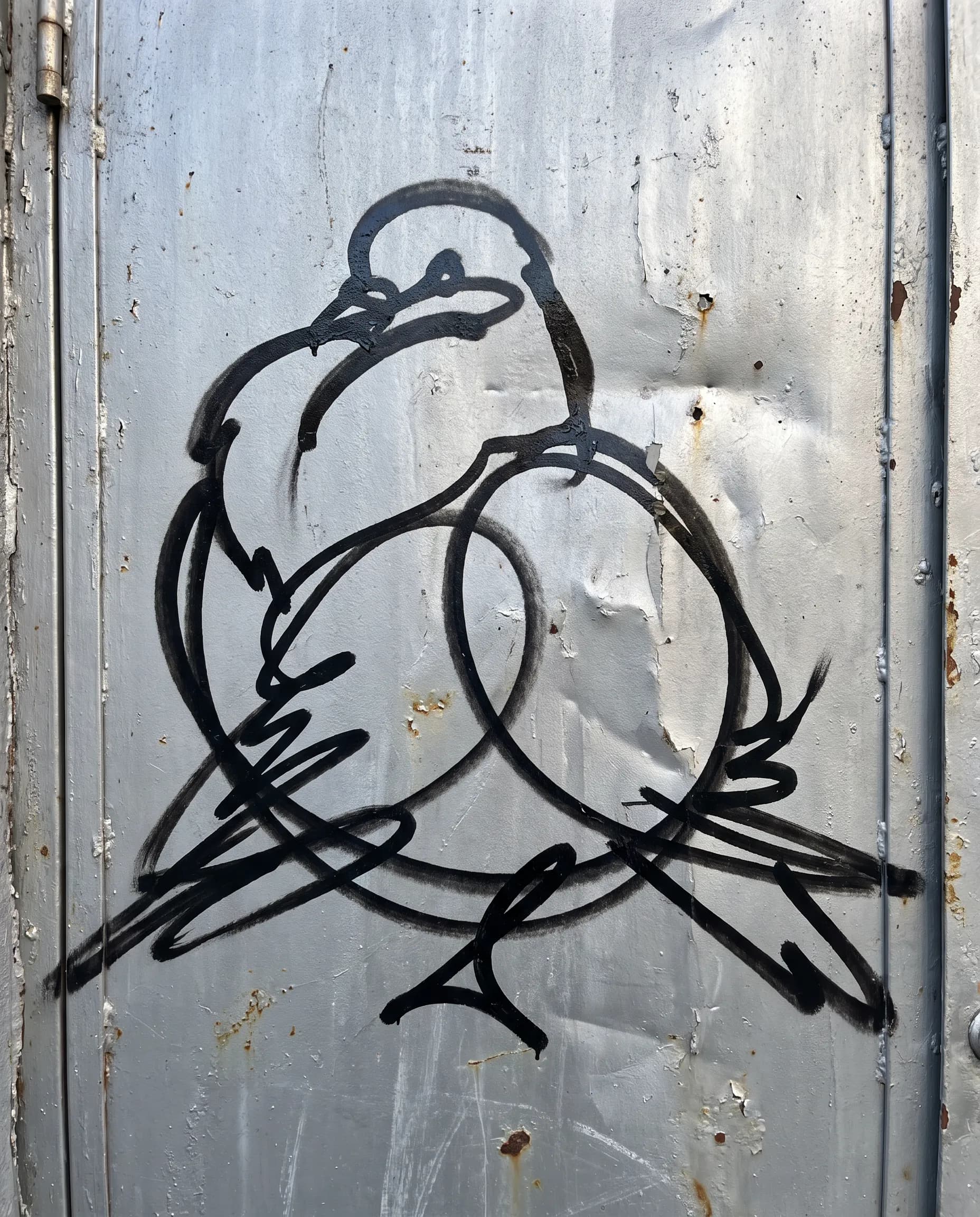
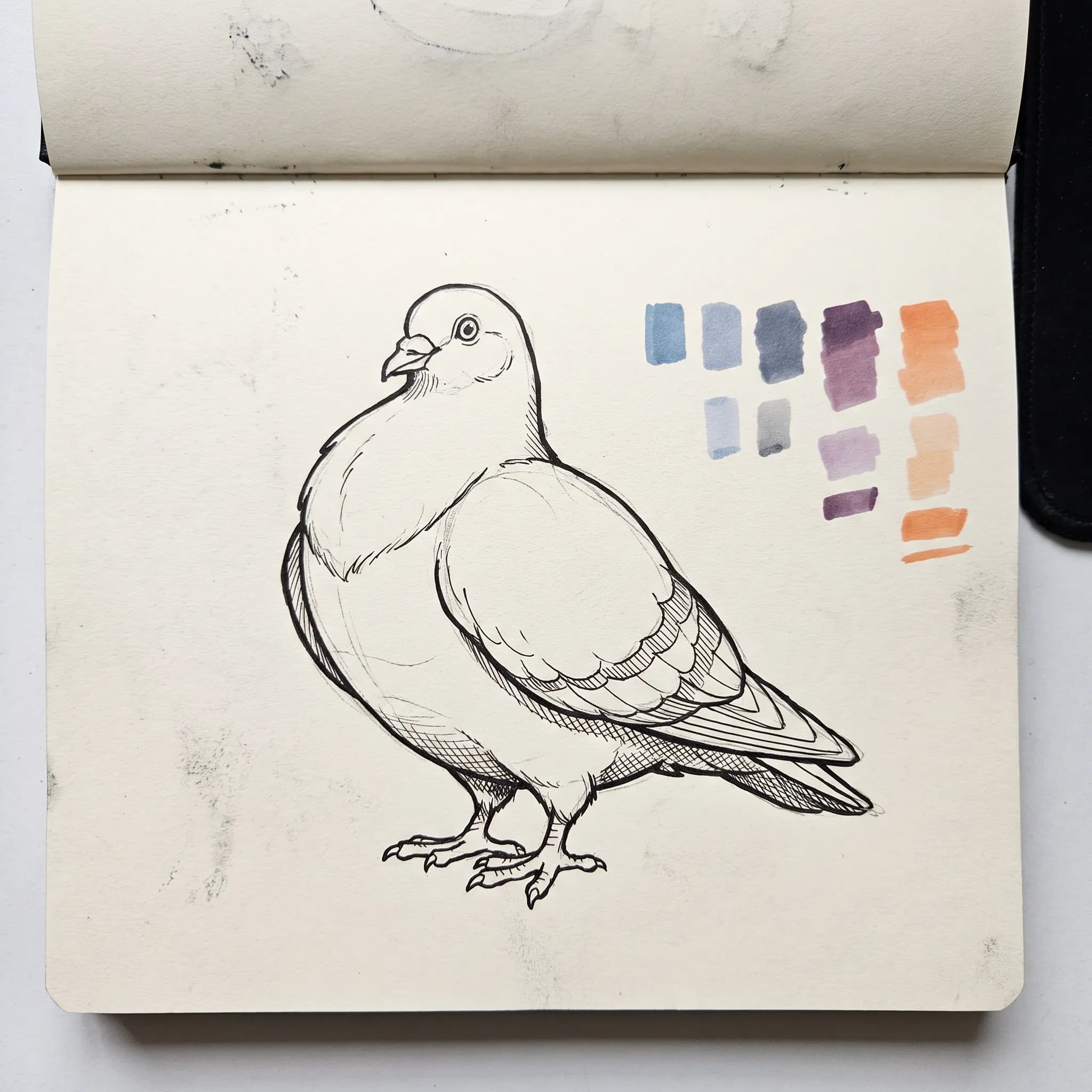
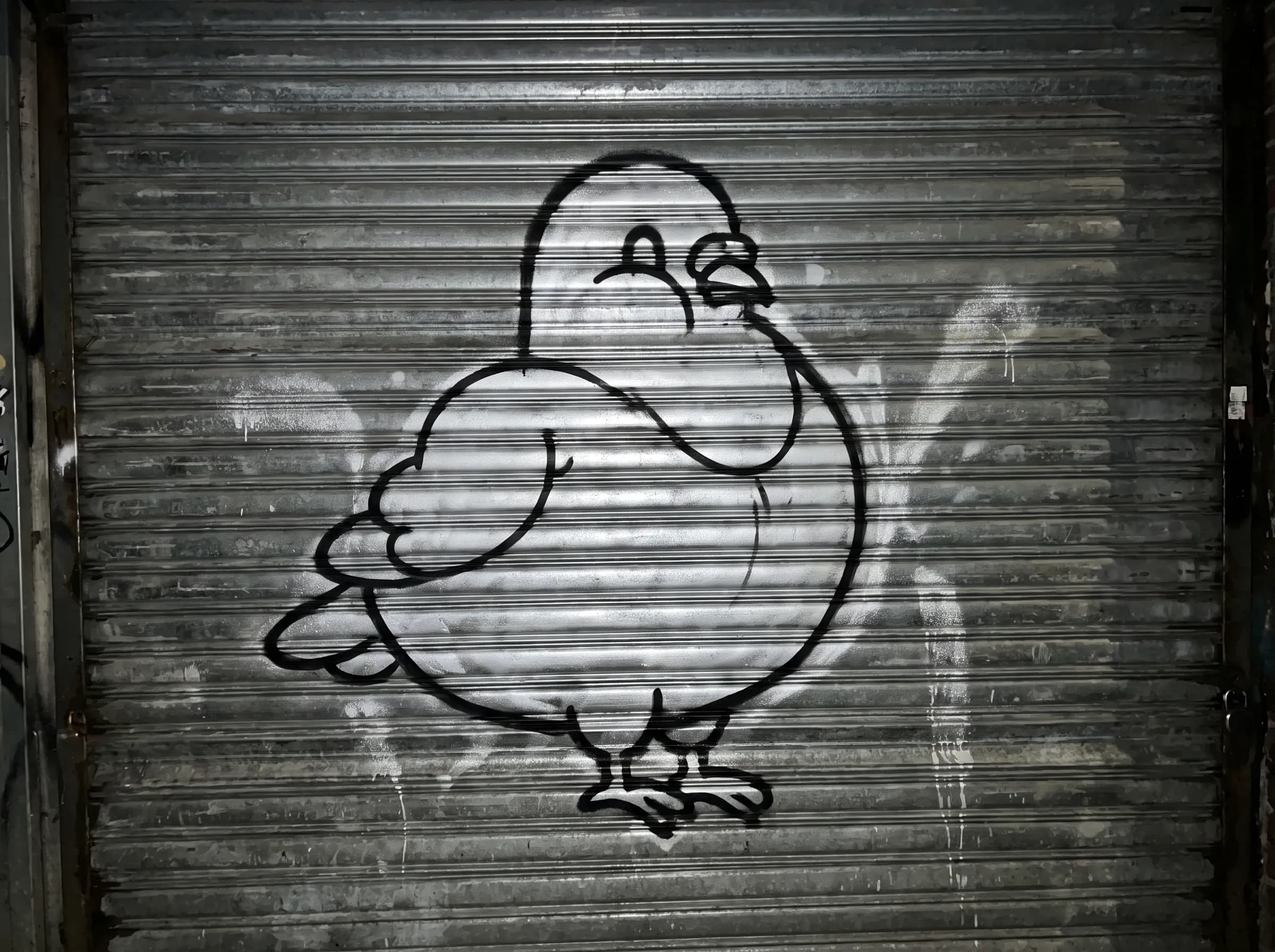
How to prompt for graffiti art styles
Name the sub-style, then describe it, because the labels shift from city to city. A throw-up wants bubble shapes, one outline color and one fill. A piece means 3D block shading, arrows and fades, and wildstyle stacks spiked shapes that lock together on top of that. Stencils need crisp cut edges and a faint overspray halo. Name the surface too, and keep the subject phrase identical in every prompt.
Line weight helped reshape the family once. As crude early tags grew into big, colorful pieces, writers found that nozzles from other household aerosols, oven cleaner among them, fit spray cans and varied the line. Words pull the same lever, a thin, wiry outline for a tag and a wide fat-cap fill for a throw-up. Lettering is the weak spot. Models asked for a name tend to misspell it or invent glyphs, so these prompts give the letters' job to the pigeon or ask for abstract letterform shapes with no readable words.
Three prompts to copy
- Throw-up. Graffiti throw-up of a plump city pigeon puffing out its chest, fat rounded bubble shapes, one black outline around a single silver fill, flat with light overspray, painted fast on a corrugated roll-down shop shutter at night, flash photo, no text
- Wildstyle. Wildstyle graffiti piece on the side of a plain unmarked 1970s subway car without logos or numbers, a plump city pigeon puffing out its chest at the center, wrapped in sharp interlocking abstract letterform shapes with no readable words, arrows and spikes, orange and magenta fades, white highlights, wide side view in a train yard, the rest of the car bare steel, no text
- Stencil. Two-layer spray-paint stencil of a plump city pigeon puffing out its chest, black and slate-blue layers, crisp hard cut edges with small bridges in the cutout, faint overspray halo, on a whitewashed plaster wall, flat daylight, no text
Where the sub-styles blur
Neighboring sub-styles bleed together, and a throw-up prompt can return 3D shading and five colors, which turns it into a piece, so cap the palette at two or three colors and say flat. Wildstyle may relax into tidy bubbles, while stencils sometimes come back with brushy edges that the words hard-edged and cut usually fix.
Where graffiti art styles work
Commissioned walls are where the sub-style matters most, since approving a throw-up signs off on a far shorter job than approving a burner. Generate the subject both ways and run the favorite through Image Recolor, which recolors an image to match a color reference or palette and leaves shape, texture and lighting alone, so the owner sees the concept in their own colors.
Writers plan pieces in black books. Those sketchbooks also collect other writers' tags. A photo of the real wall can be your first page. Scribblify redraws any photo as loose, hand-drawn scribble line work, a rough version of the site to sketch the piece over.
Related styles
- The single graffiti look, taken apart layer by layer
- Comic art styles, a source of cartoon proportions for characters
- Pop art style, the movement of Andy Warhol, a close friend of Keith Haring
- Chicano art style, another public-wall tradition built on murals
FAQs
What are 10 different styles of graffiti?
Ten you will see named are the tag, throw-up, hollow, straight letters, piece, burner, wildstyle, 3D, character and stencil, and Brazil adds pichação, a cryptic tagging style of its own. A hollow is an unfilled throw-up, straight letters are blocky enough for anyone to read, and a burner is a large, especially elaborate piece.
What is the most popular type of graffiti?
The tag. It is the simplest kind of graffiti and also the most widespread. A tag is a stylized signature, usually in one color that contrasts hard with the wall. It also turns up on or beside finished pieces as the writer's signature.
Is graffiti different from street art?
Yes, although they overlap, since Tate describes both as public and usually unsanctioned. Street art takes in more media, such as wheat-pasted posters, stencils, stickers and projected video, and sits closer to graphic design, while graffiti centers on tagging and text, and stencils turn up on both lists.
Why do graffiti artists tag trains?
A train carries the name across the city. Subway cars covered long distances, so the work reached far more people than a fixed wall would, and the risk of arrest earned writers extra respect. New York's transit authority answered with a Clean Car Program in 1984, and by 1986 many lines were clear.



