
Simple Art Styles Built from a Few Lines and Shapes
 FLORA
FLORA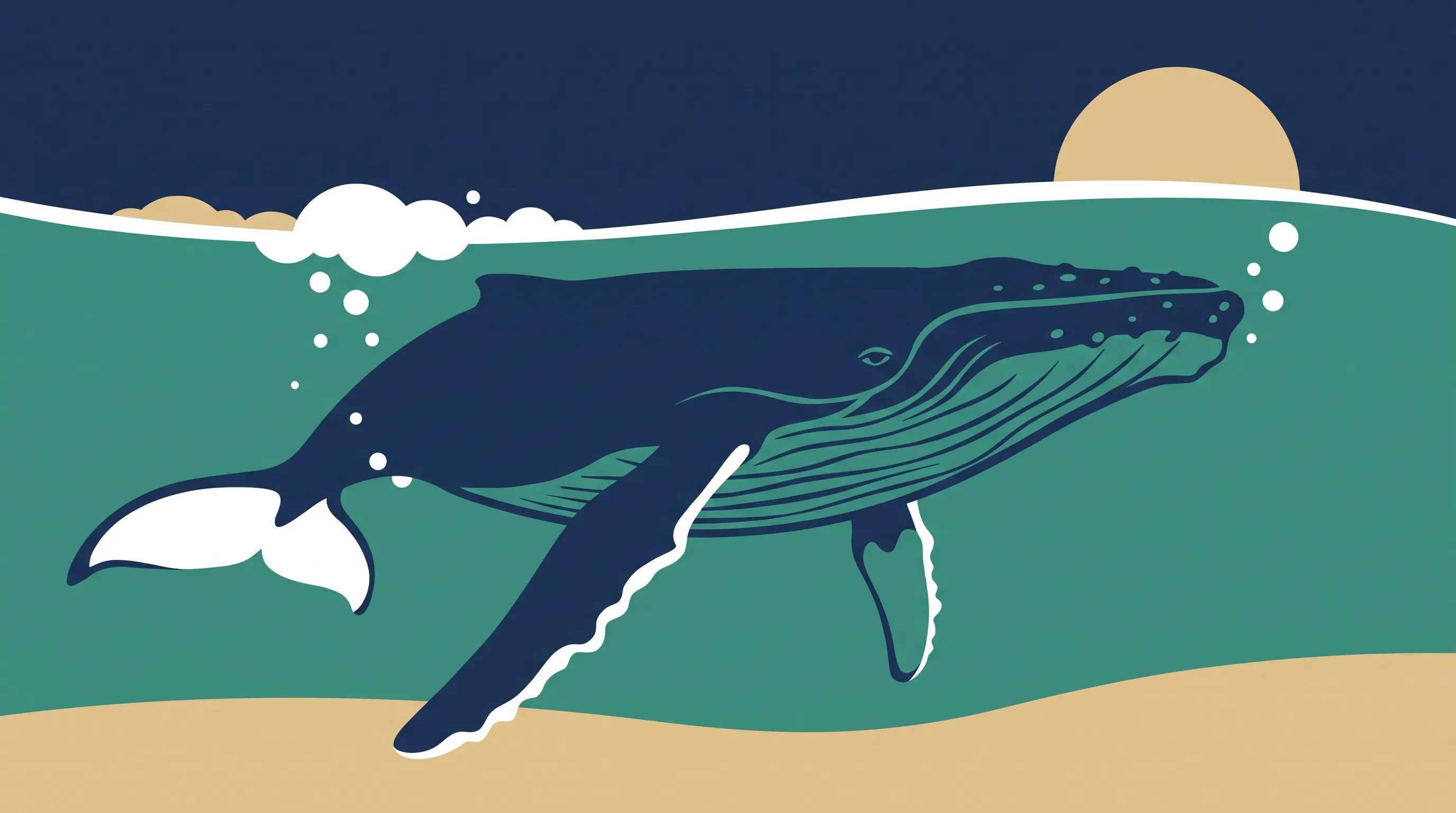
Simple art styles get a subject across with as few marks as possible. Some grew out of the sketchbook, like one-line drawing and the quick pencil sketch, and others out of graphic design, where flat design spread across phone and computer screens in the 2010s. They share a handful of traits. Lines are clean and confident, drawn once with no retracing. Color, if there is any, arrives as a few solid fills without gradients. Shapes lean on circles, triangles and rectangles, and the empty space around the subject counts as much as the subject itself. Each example below was made in FLORA's AI image generator.
Simple art styles examples made in FLORA
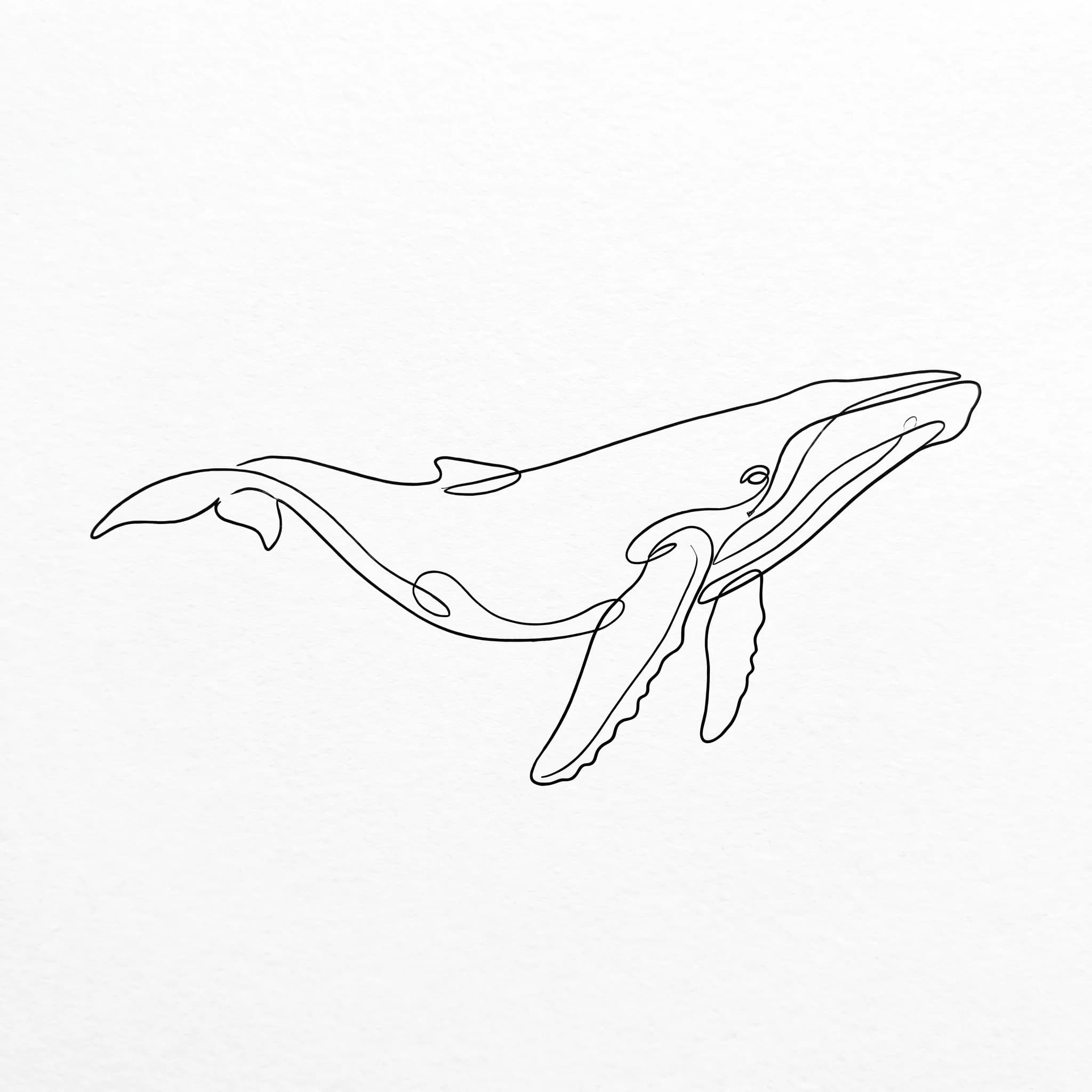
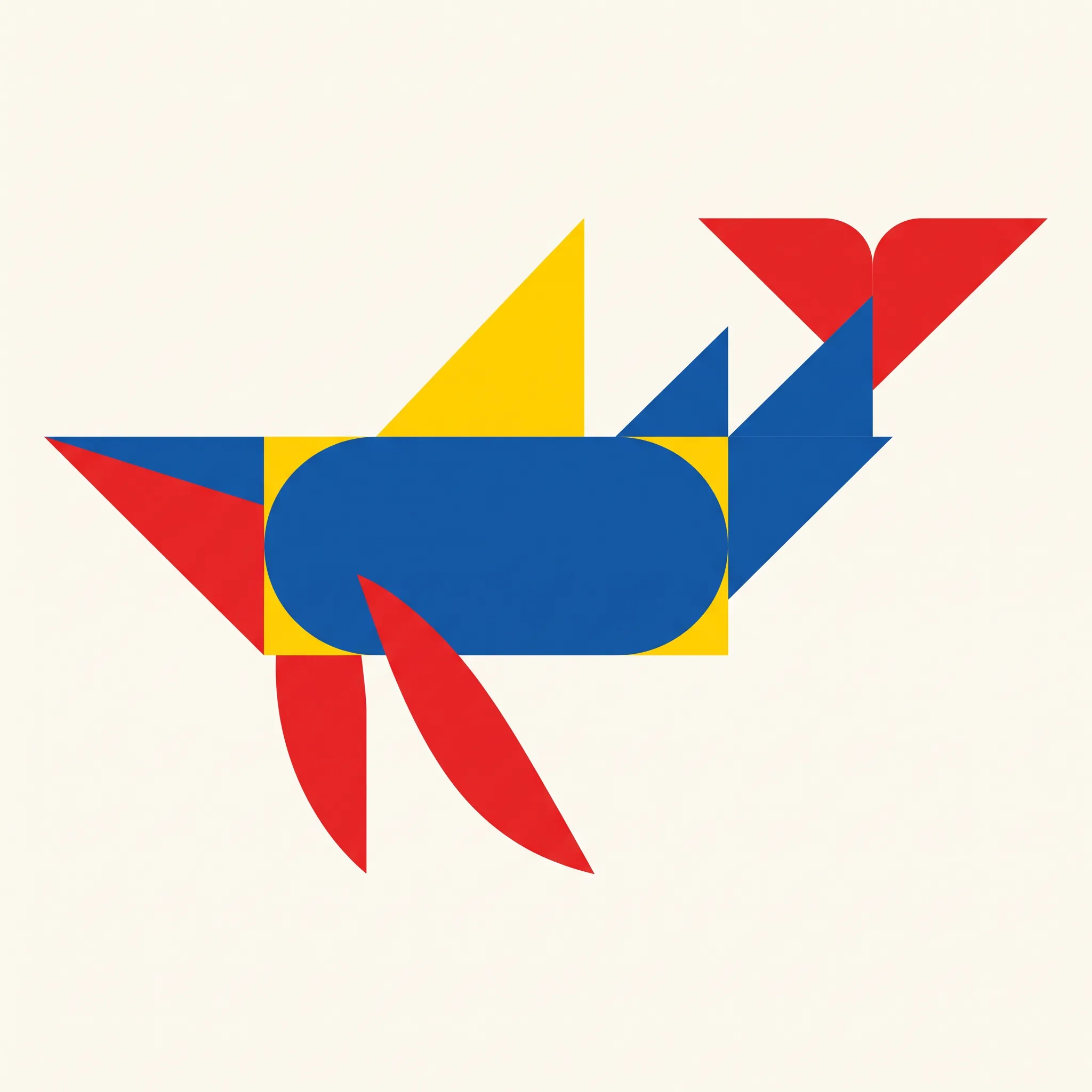
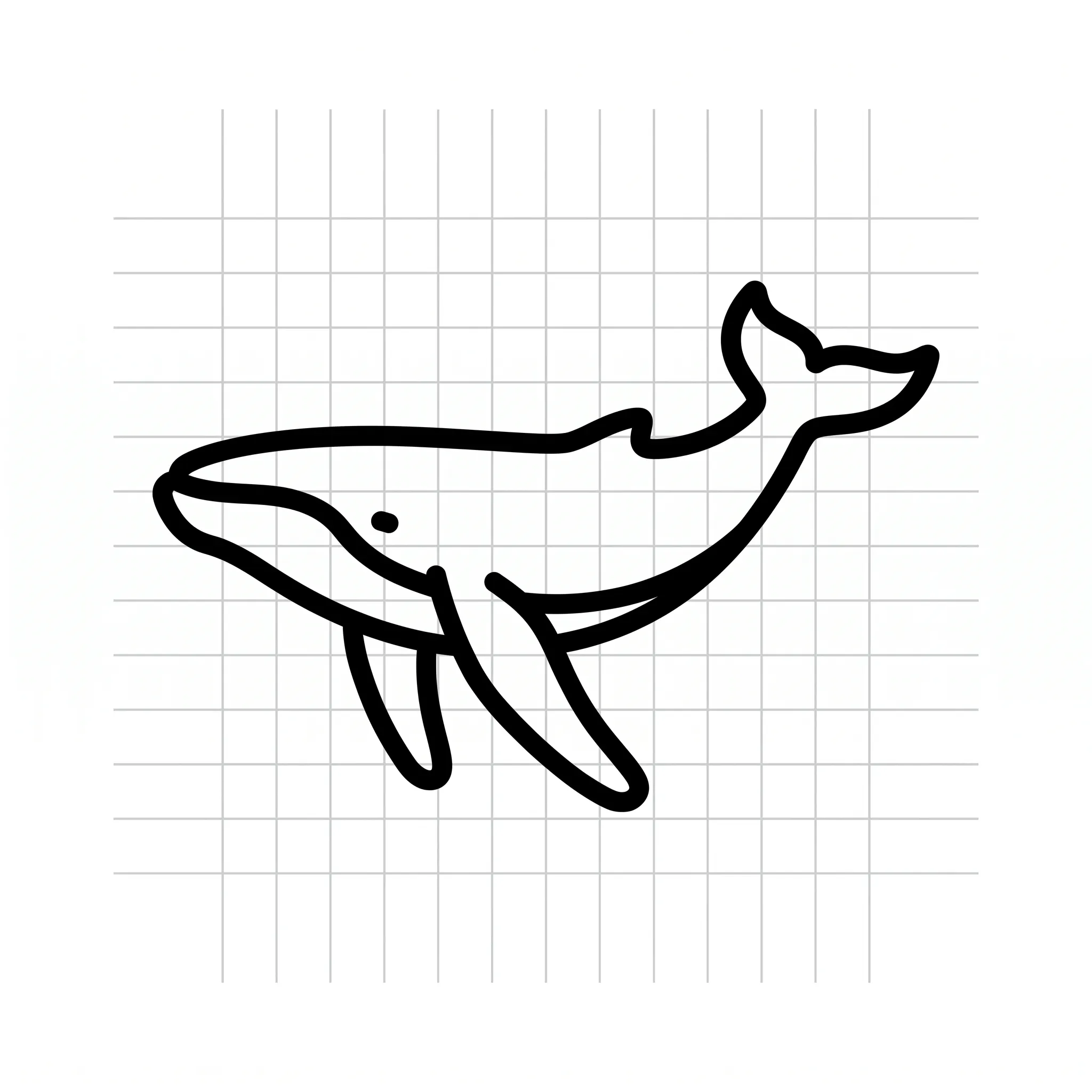
How much of a humpback whale can a style remove before it stops reading as a whale? All eight images test that. The long front fins and the curve of the back survive in every version, and everything else is up for negotiation. The captions carry the prompt behind each picture.
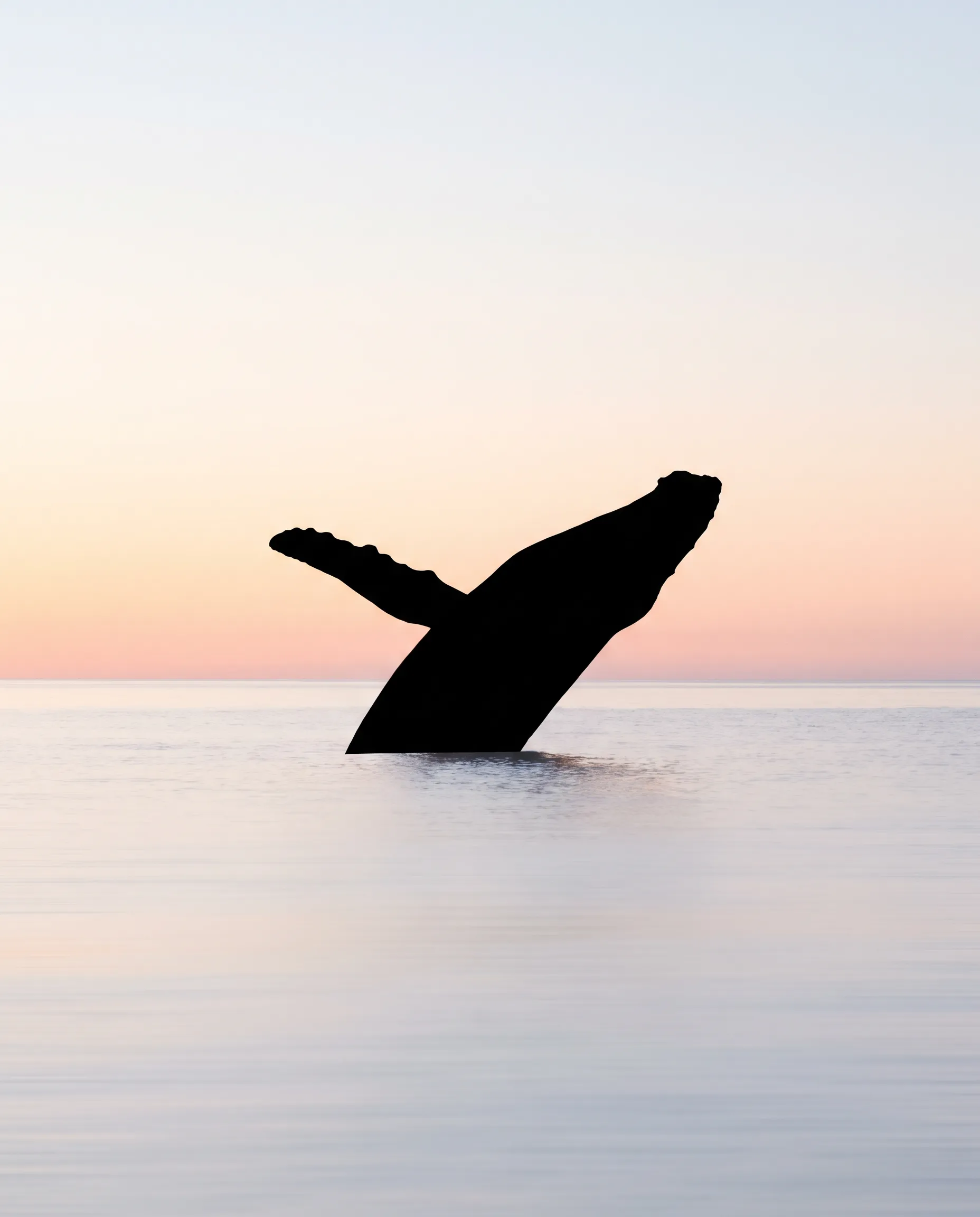
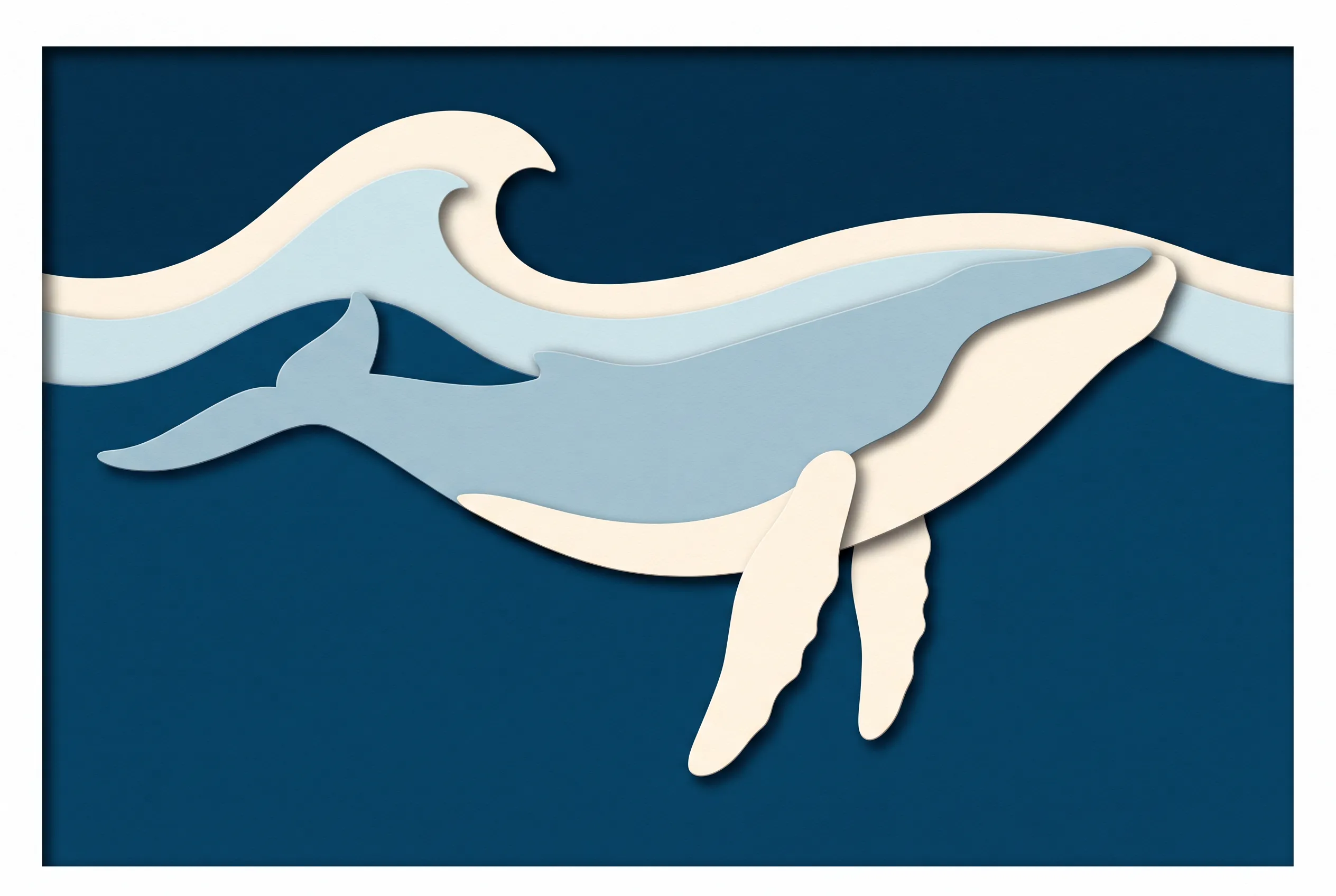
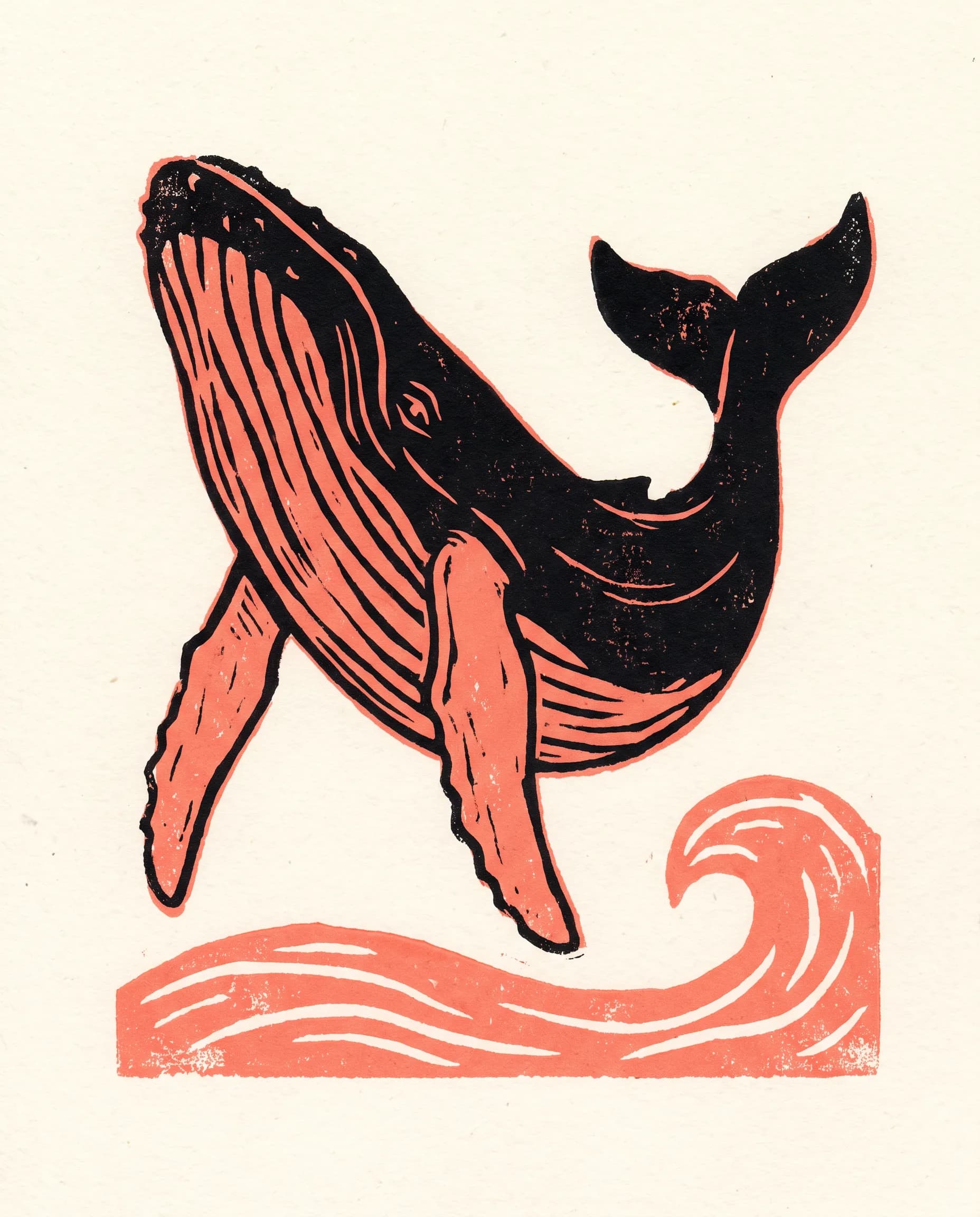
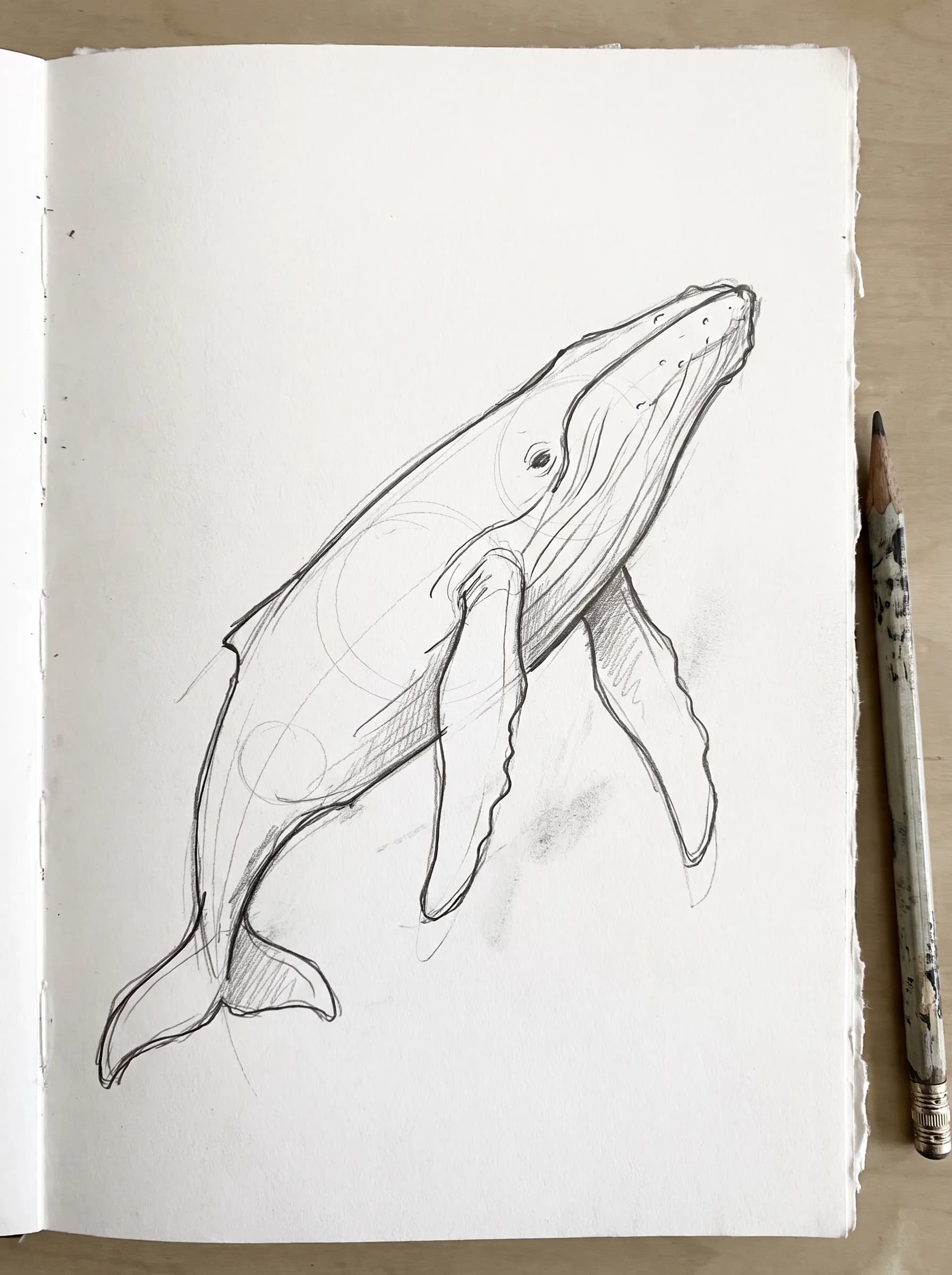
How to prompt for simple art styles
Most of a good prompt here describes what to leave out. Start with one subject that has a clear outline, then name the sub-style, since a one-line drawing and a monoline icon cut detail in very different ways. Set the limits next. That might be a single stroke weight, a cap of four colors or no shading at all. For palette, two to four solid colors or plain black on white is plenty, and the medium can be ink, cut paper, vector or pencil. Light hardly matters in flat work, although a silhouette needs a bright sky behind the dark shape. End with the empty space you want around the subject.
Prompts for three of the looks
- One-line drawing. Continuous one-line drawing of a humpback whale with long pectoral fins, a single unbroken black line on white paper, no shading, generous empty space around it, minimalist, no text
- Flat color. Flat color illustration of a humpback whale with long pectoral fins gliding through open water, four solid colors in navy, teal, sand and white, no gradients or texture, clean vector edges, wide view, no text
- Monoline icon. Monoline icon of a humpback whale with long pectoral fins, one consistent stroke weight, rounded line ends, outline only with no fill, centered on a square grid, black on white, no text
Where these prompts slip
Image models like to add. A one-line drawing often comes back with a second, broken line or a smudge of shading, so ask for a single unbroken line with no shading and run it again if the line still splits. Flat color prompts can pick up soft gradients and grain, which the words solid fills and no texture usually remove. In icons the stroke can thicken on one part of the drawing and thin on another, and naming one consistent stroke weight on a square grid helps. If a result still looks busy, cut adjectives from the prompt before adding new ones.
Where simple art styles work
Interface icons are the most demanding use, because a set only looks finished when every glyph follows the same stroke and corner rules. The icon maker takes a style reference and a short text description and returns one image of a matched icon set.
A mark built from two or three geometric shapes still holds up in one color, which is why logos suit the shape-built look, and the free logo maker turns a brand name and a short description of the mark into a primary lockup, an icon mark, mono variants and a vector file.
When a package, a menu or a coloring page needs a line version of a real object, the Photo Wireframe technique turns a photo of it into a line drawing that keeps the contours and drops the color and shading.
Related styles
- Cute art styles, home of simple cute art styles such as chibi figures and kawaii mascots
- Vector art style, clean curves and flat fills that scale to any size
- Drawing art styles, for hatching, contour and other pen and pencil methods
- Corporate art style, flat color applied to people at work
- Cartoon art styles, where pared-down shapes meet exaggerated characters
FAQs
What is the easiest art to learn?
Doodling is a good first choice, since it takes only a pen and doesn't depend on planning or technique. Sketching comes close. The online school 21-Draw calls it perhaps the most straightforward drawing style, because the aim is only a quick, rough version of the subject that can be refined later.
What is the first thing a beginner should draw?
Still-life objects and simple landscapes are the common advice, and for people the usual first step is a stick figure, which even experienced artists use to block out a pose before the anatomy goes on. Another route is constructive drawing, where you break any subject into cubes, cylinders and spheres, the method the Draw a Box course teaches.
What are the basic drawing techniques?
The core shading methods are hatching, crosshatching, stippling and scumbling. Hatching builds tone from closely spaced parallel lines and crosshatching layers them at different angles, while scumbling uses small, irregular scribbles. Stippling shades with dots of a single color, which is what separates it from pointillism. Simple styles use these sparingly, perhaps one patch of hatching on a linocut.



