
Upload a photo with a white background and this sigil maker returns 4 animated glyph videos that reimagine your image as a mystical sigil.
Brand Motion Graphics
Designers use the Sigil technique to transform logos and symbols into animated glyph videos for intros, outros, and social media brand content.
Creative Content
Artists and content creators run the technique to generate mystical, glyph-style animations from their artwork for music visuals, NFT art, and social media.

Event Visuals
Event producers use the technique to create animated sigil content for projection, screens, and digital invitations with a mystical aesthetic.
How to use Techniques?
Discover how to utilize Sigil for different scenarios.
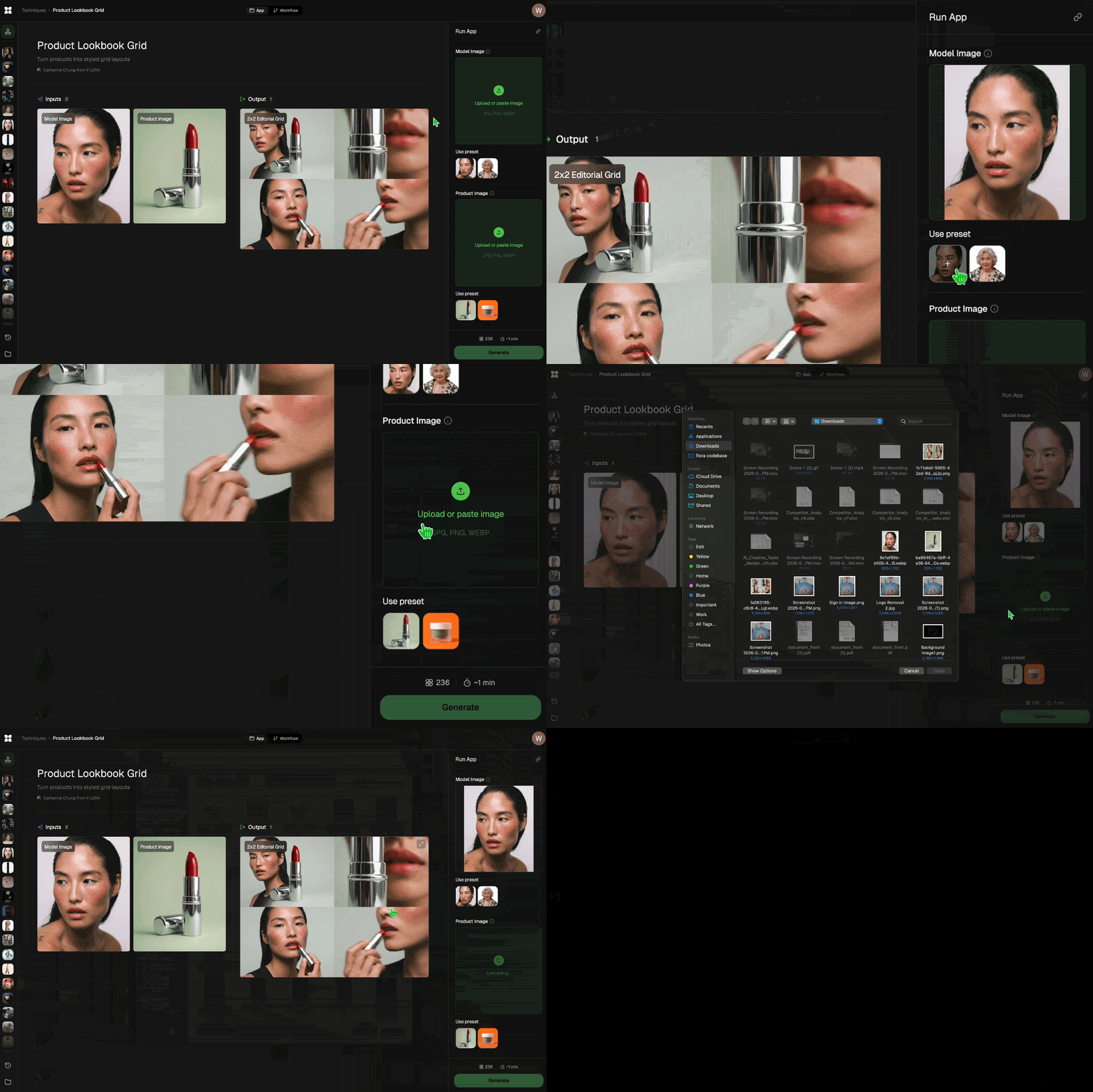
Add inputs
Upload images, videos, or type in the prompts to get started.
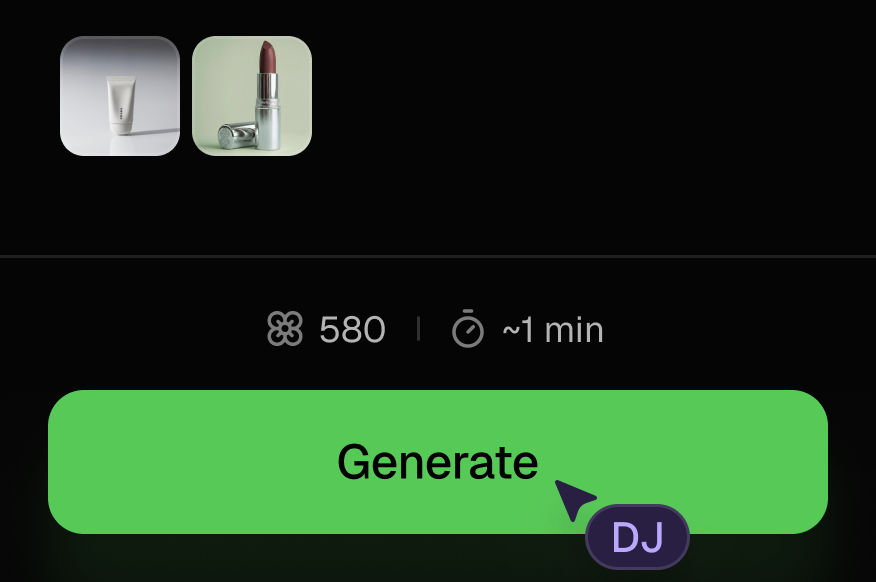
Generate outputs
Next, hit the "Generate" button to start generating your outputs.
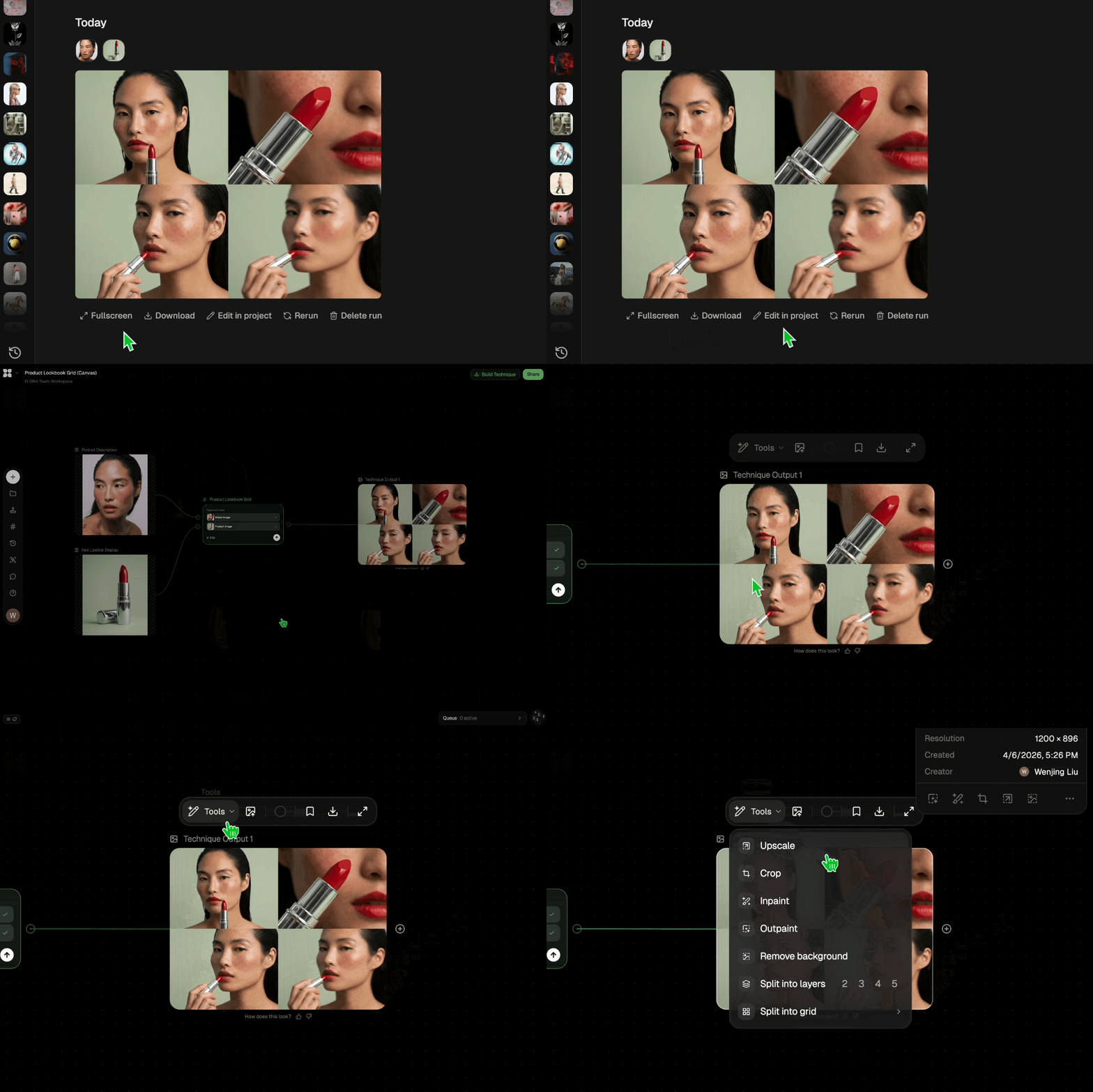
Edit and export
Refine your outputs on canvas, or download them directly.
Frequently asked questions
All you need to know about Sigil
What an online sigil maker actually does
A sigil generator takes an image you already have and redraws it as a glyph, meaning one symbolic mark built out of line and negative space. Feed it a logo, a painting, a photo of an object. What comes back keeps the bones of the original and drops nearly everything else.
The reason to want that: a photograph needs room and context before it makes sense to anyone. A glyph does not. It holds at any size, in one color, printed on almost any surface, which is how symbols end up outliving the images they were drawn from. You can try FLORA free and watch the mark resolve on the canvas beside the artwork that produced it.
What a fantasy sigil generator borrows from real symbol design
The word goes back to ceremonial magic, where a sigil stood in for an idea or an intention somebody wanted to hold onto. Heraldry ran a parallel track for families and houses. Fantasy fiction absorbed both, which is where most people first ran into the idea of a house sigil. Rune carving contributed the angular, cut-by-hand quality that plenty of these marks still carry.
Four sources, one shared logic. Symbols that survive tend to have a few things in common:
- Closed, resolved shapes. The eye finishes the form on its own.
- A strong axis. Symmetry gives a mark its spine. So does breaking symmetry on purpose.
- Legibility at one inch. Shrink it to a favicon. If it still reads, it works.
- High contrast. Mid-tones disappear in embroidery, foil stamping, and single-color print.
A black metal album cover and a fintech logotype chase the same four traits. Only the vocabulary around them changes.
How a sigil generator AI reads your image
The white field behind your subject earns its place. It hands the model an unambiguous edge, so nothing in the background gets folded into the mark by mistake. Busy backdrop? Strip it out or drop the subject onto white before you start.
After that, three moves:
- Isolate the form. The model locates the subject and traces its outline against the field.
- Abstract the structure. Dominant lines, curves, and the symmetry of the shape get kept. Texture and fine detail get discarded, since neither would survive the reduction anyway.
- Render the motion. It builds the glyph and animates it, and you come away with several separate interpretations rather than one fixed answer.
Four takes at once changes how the work feels. Symbol design has always been iterative, and choosing between real options beats regenerating over and over while you wait for something to land.
What separates the best sigil maker online free from a filter
A filter sits on top of your image. Color shifts, grain arrives, an edge gets traced, and the photo underneath stays visible the entire time. Reduction is the harder trick. Throw away almost everything, keep only what made the shape recognizable, and the result still has to mean something on its own.
Two quick tests sort one from the other. Pause the animation anywhere and ask whether that single frame would stand as a mark by itself. Then shrink it down. A real symbol passes both. A texture pass draped over a photograph fails the first and turns to mud on the second. Worth running those tests before you commit a mark to packaging or a title sequence, where a weak glyph gets expensive to replace.
The many names for the same job
People arrive here from a dozen directions, and the search phrasings give it away:
- "Rune sigil maker online free"
- "Sigil maker free"
- "Create your own sigil generator"
- "Glyph animation generator"
Same request underneath all of them: turn something I already own into a symbol, without spending an afternoon pushing bezier points around in vector software. Nothing gets installed either, since a browser-based free sigil maker keeps the whole process on the canvas.
One glyph usually turns into a set. After a mark works, the same canvas will build out a matching icon system, bridge the clips into a loop, or cut the animations into a longer sequence. For the wider view of what generative video can do, there is the FLORA AI video generator and our roundup of the best AI video generators.
Related techniques
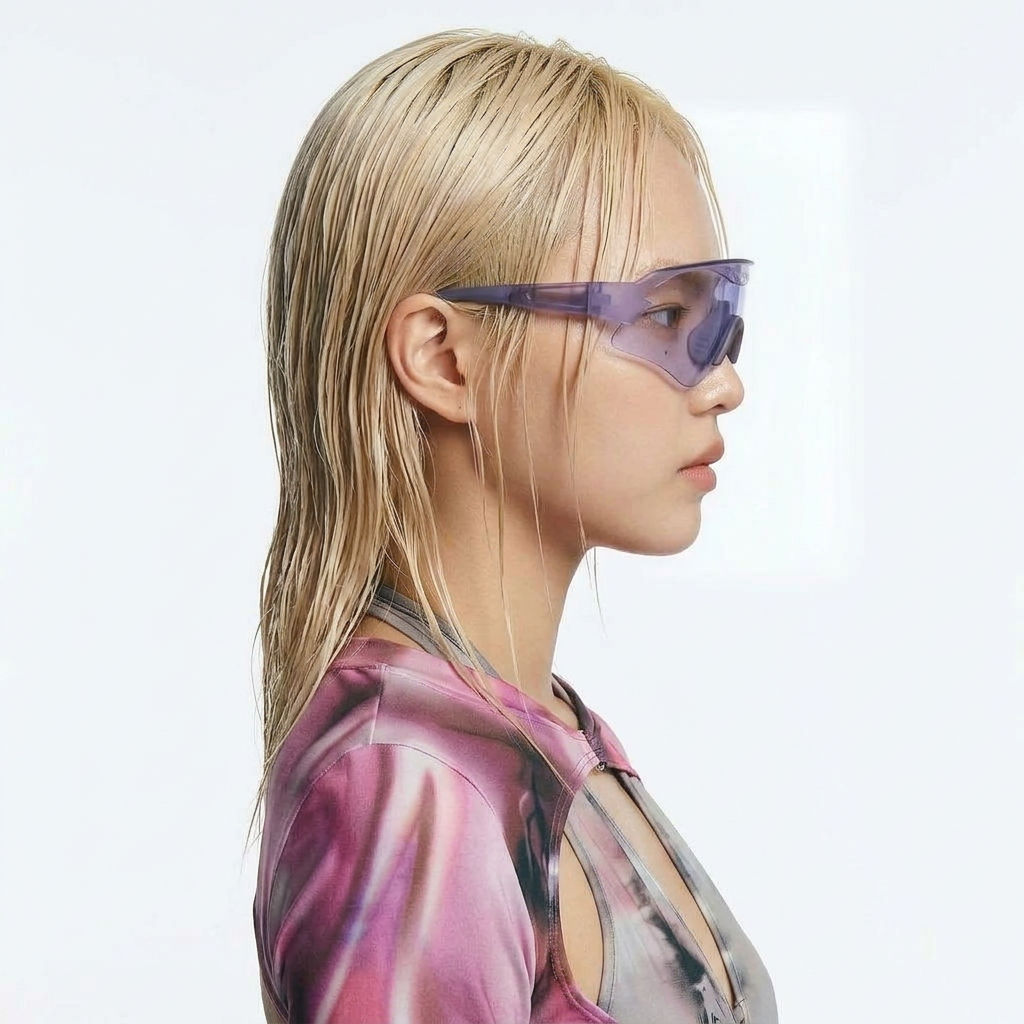 Character LockOne character, 6 different angles
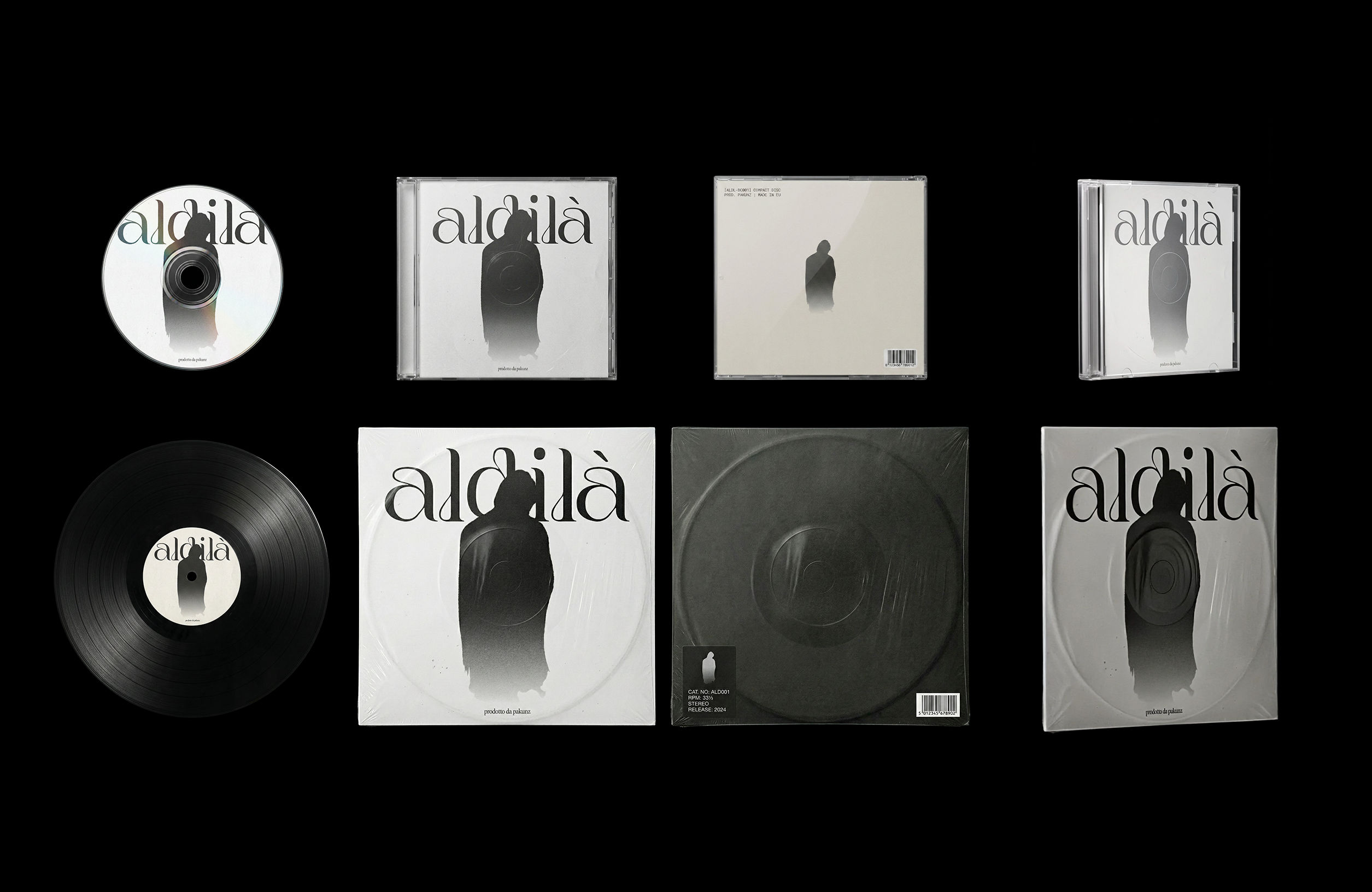 CoverArtTransform a single artwork into a full set of physical music assets.
CD, vinyl, posters: all consistent, clean, and ready to use.
CoverArtTransform a single artwork into a full set of physical music assets.
CD, vinyl, posters: all consistent, clean, and ready to use.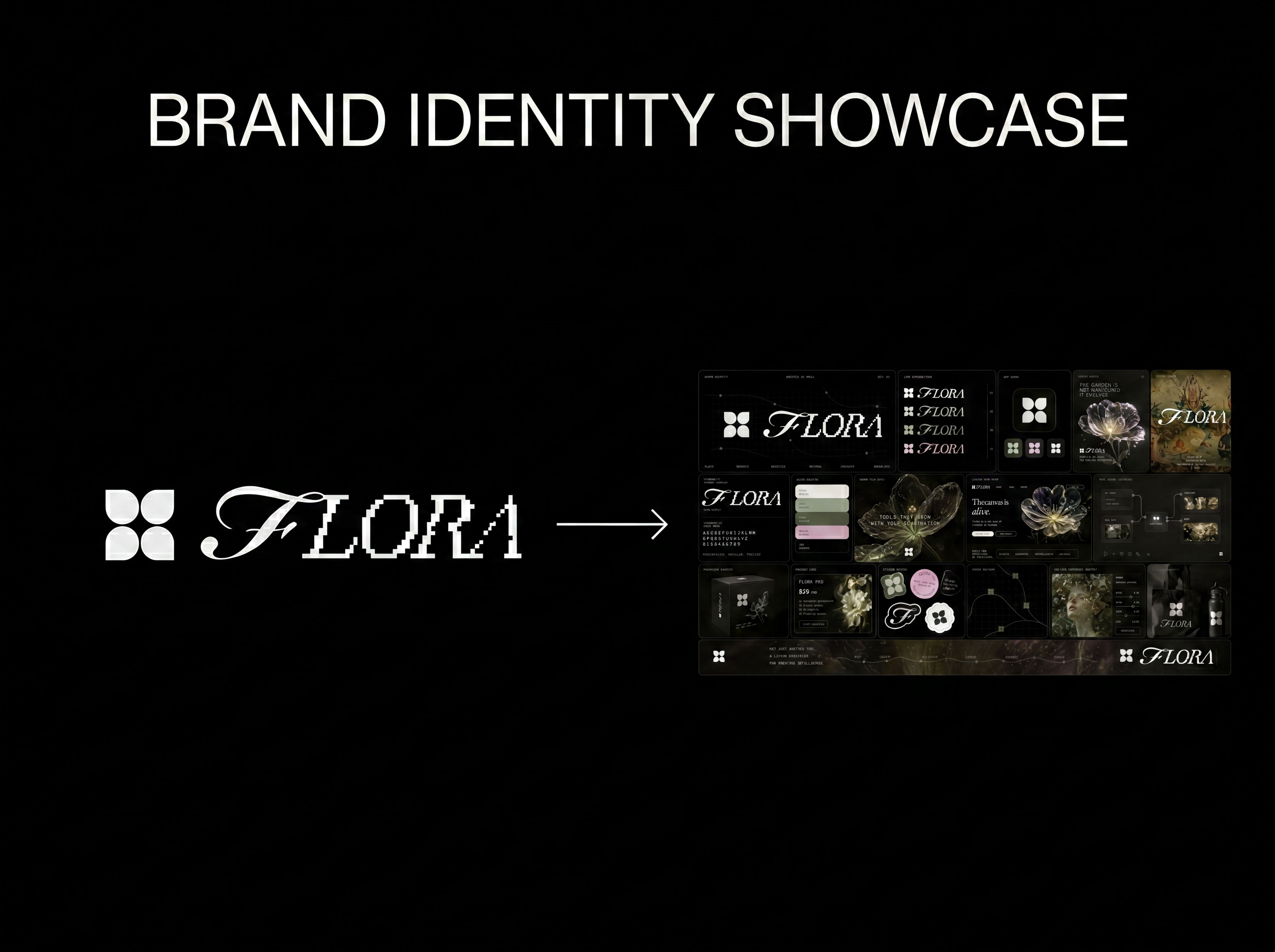 Logo to Brand IdentityUpload any logo. The technique analyzes its letterforms, construction, color, and finish to infer the brand's category, audience, and visual direction.
 Mood Board MakerEclectic mood board from a photo
 Font BuilderDesign a whole font from a single letterform.
 Brand Extension GeneratorDrop brand details, get identity boards
Use the Sigil Maker to Animate Any Image into Glyph Sigils
Turns any image into an animated glyph

Jose Vargas from MWA